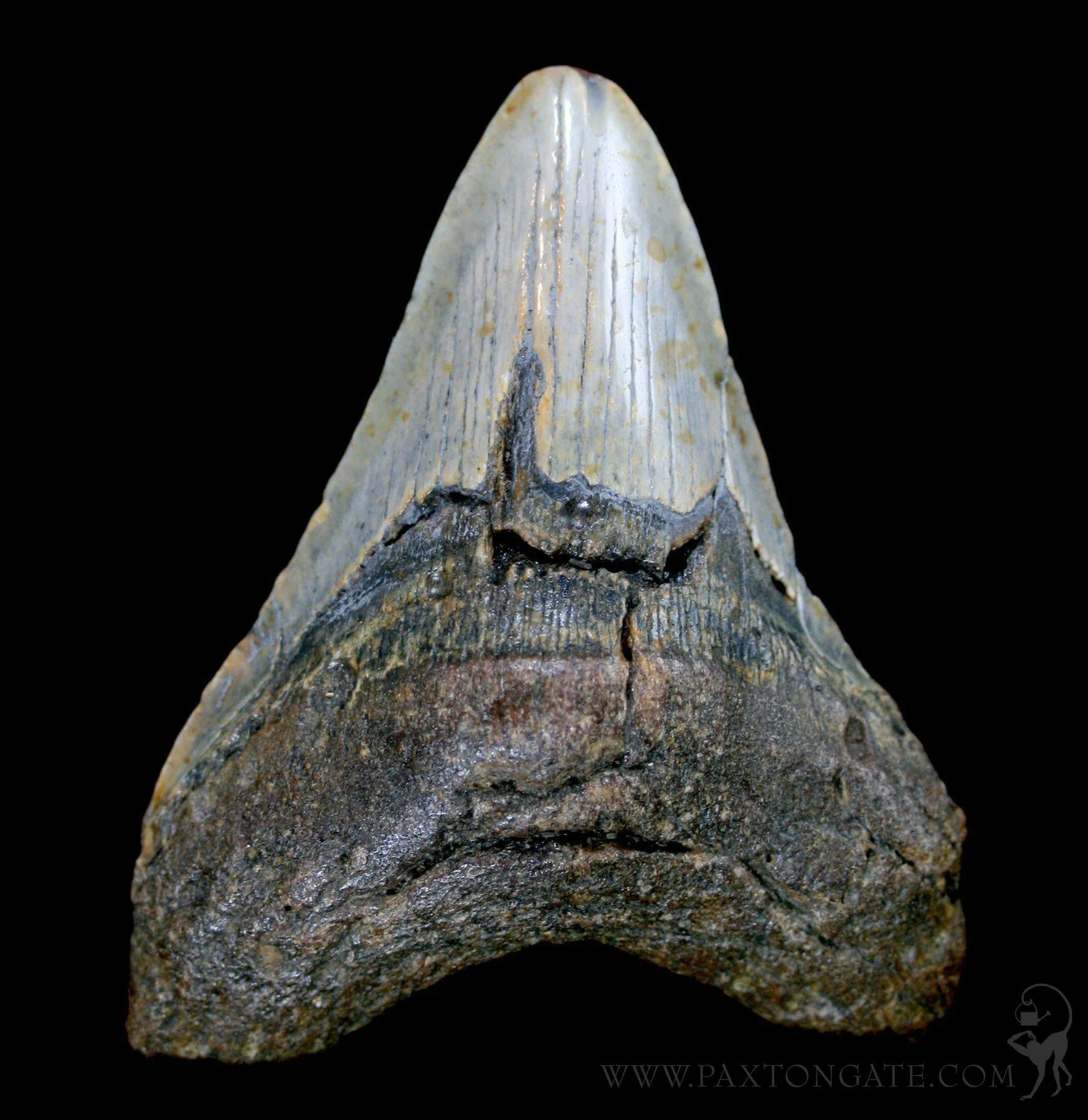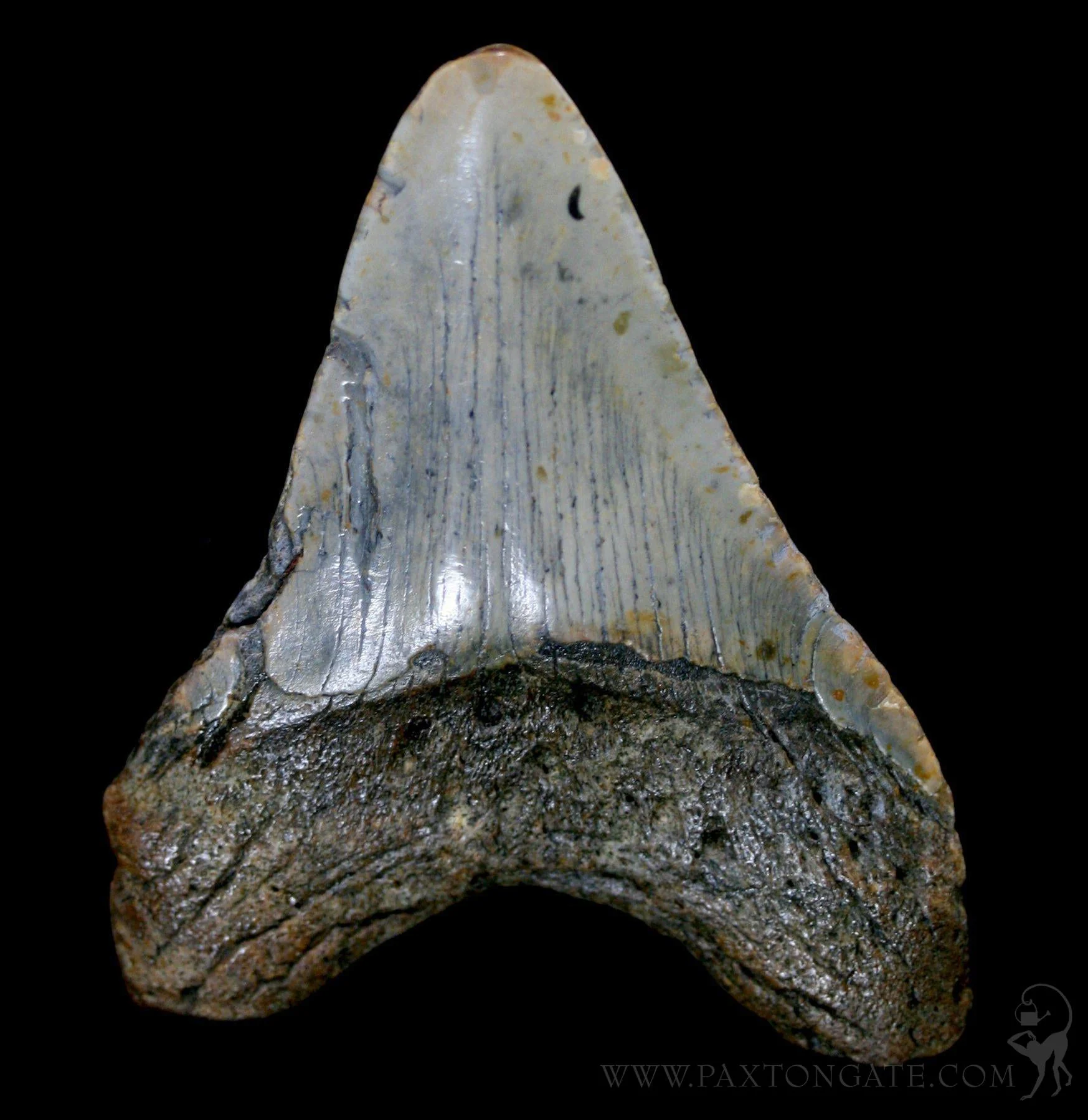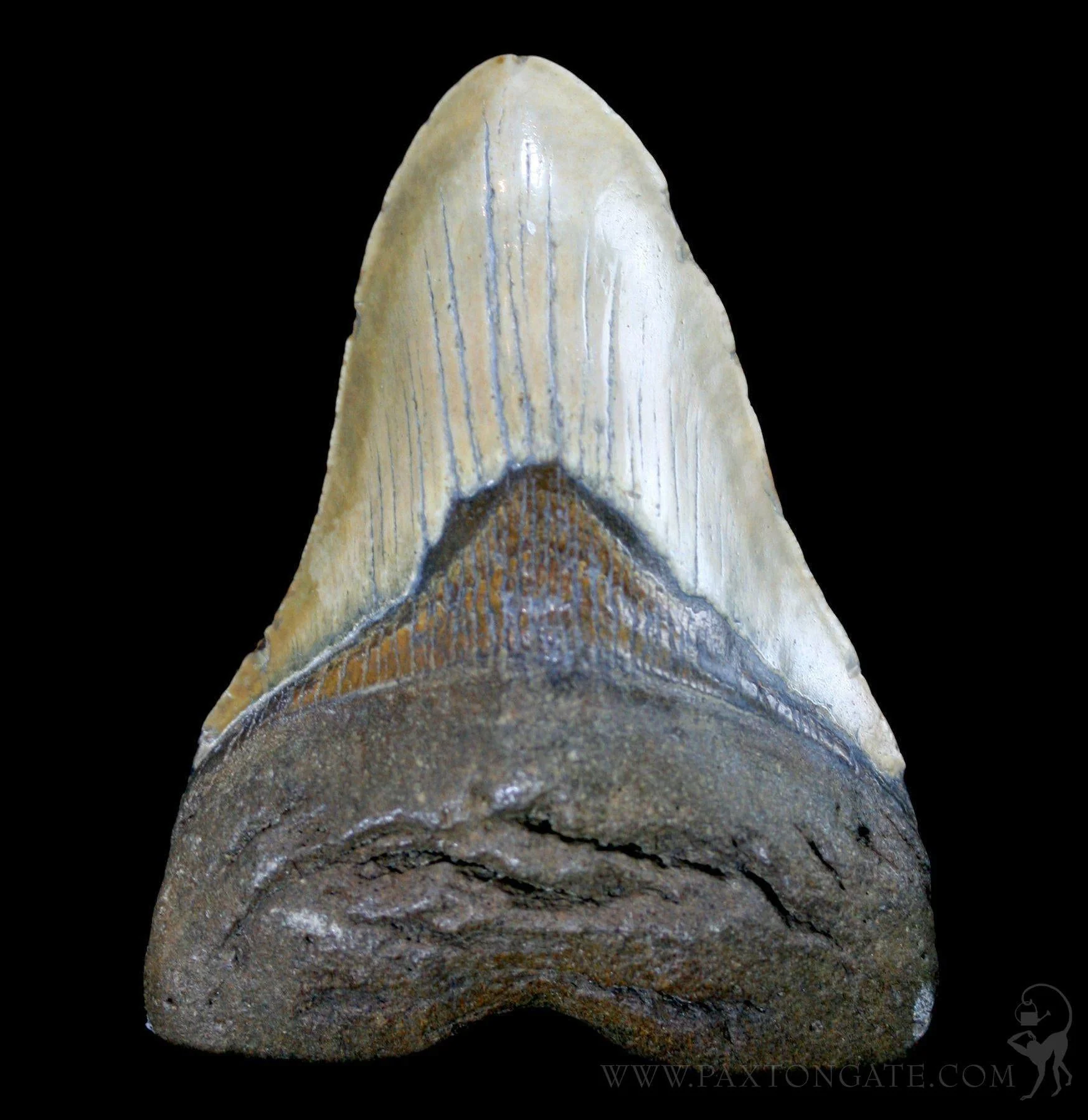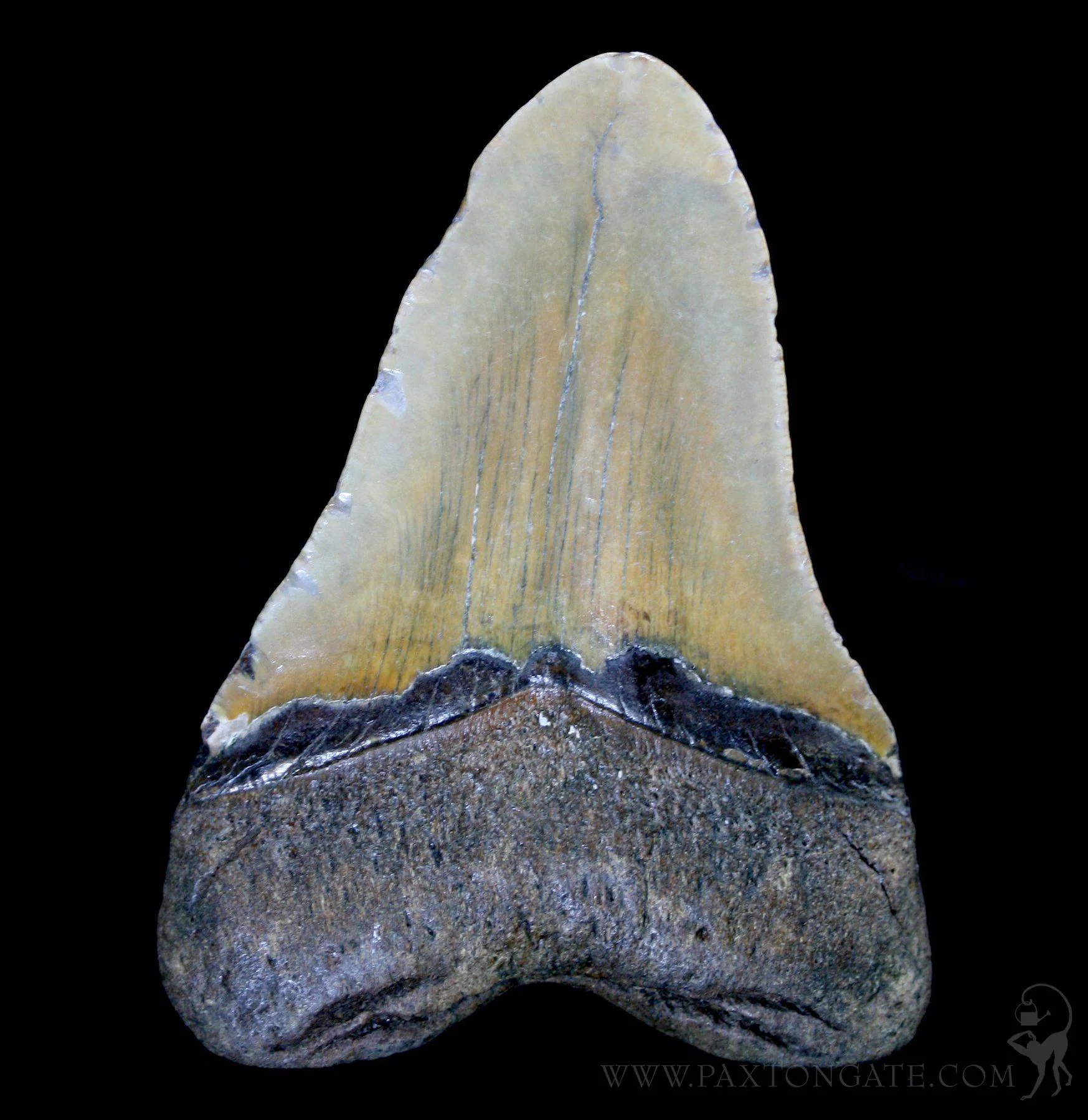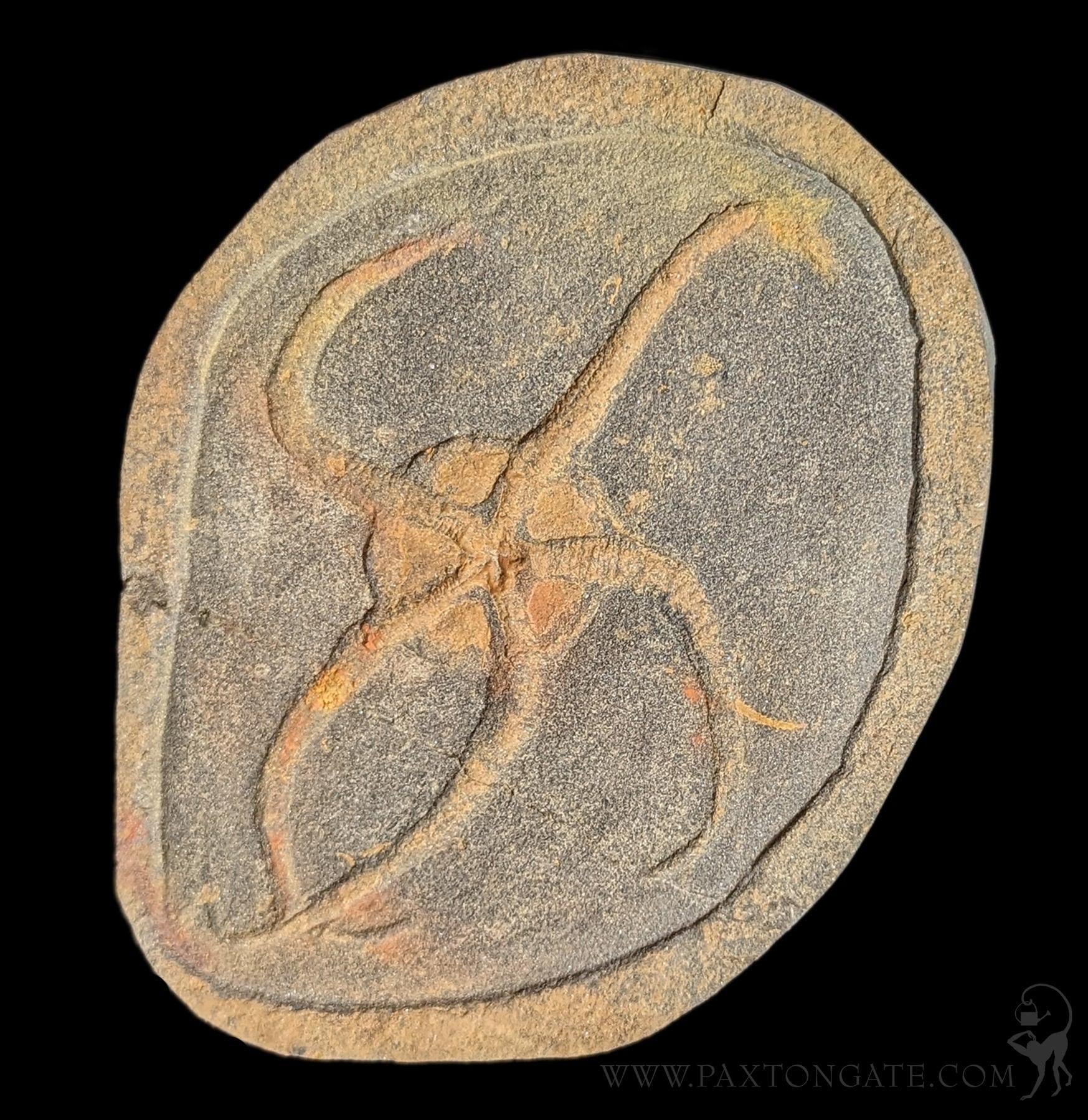
Brittle Star Fossil Plate
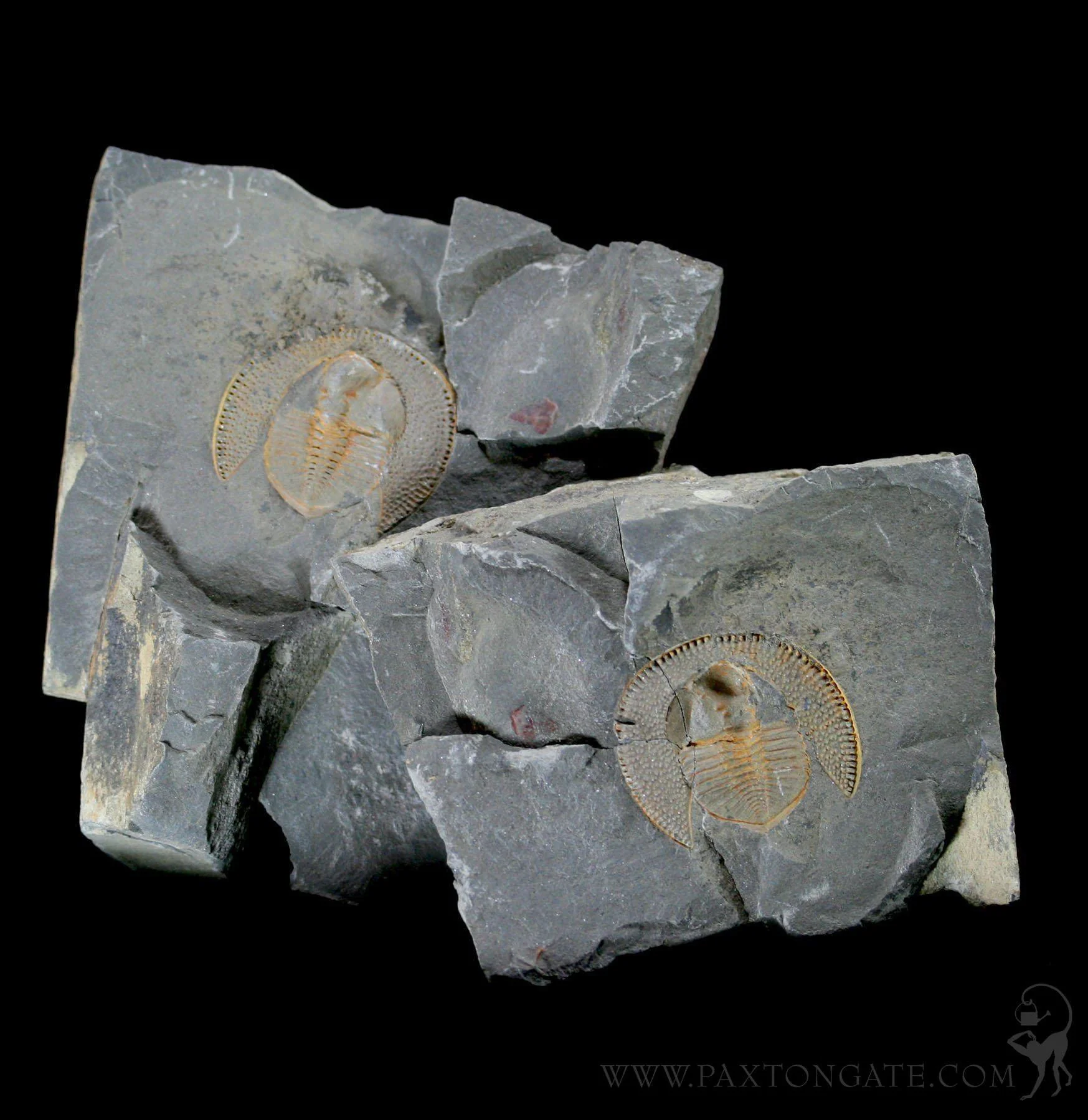
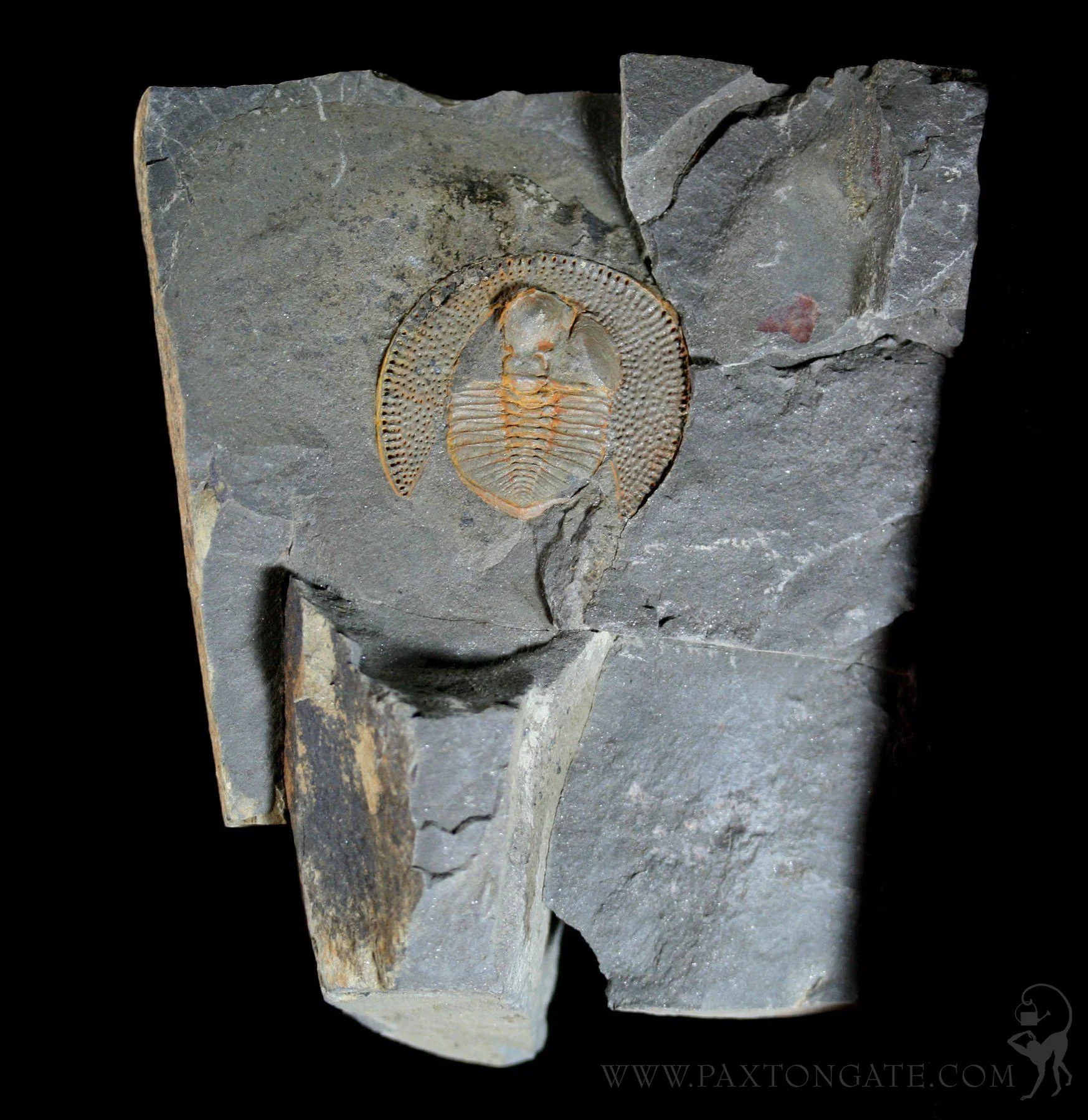
These delicate and incredibly detailed fossils are breathtaking. It’s somewhat rare to run across a fossil piece like this that truly ties a collection together. But what is a brittle star and why is it so cool? We’re glad you asked. Brittle stars, serpent stars, or ophiuroids (which loosely translates into serpent tail) are echinoderms in the class Ophiuroidea that are closely related to starfish. They get the name from their wispy serpent-like arms. Brittle stars crawl across the sea floor using these flexible and long arms for locomotion. These particular brittle stars are from the Ordovician period and roughly date to about 450 million years ago. During this period, the area north of the tropics was almost entirely ocean, and most of the world's land was collected into the southern supercontinent Gondwana. In other words, there was a lot of prime seafloor real estate for them back in the day. Brittle Stars are closely related to Starfish and both appear in the fossil record around the same time. Today, you can still find their descendants hanging out on the seafloor around the world. Starfish and Brittle star fossils are not super common. Both disintegrate quickly after death which adds another layer of intrigue around these plates. Fun fact, two recently discovered brittle stars fossil species were named after hard rock giants Deep Purple and Swedish metal band Meshuggah. How can you not like a species named after Meshuggah?
All Paxton Gate specimens are guaranteed to be of the highest quality; sourced from ethical vendors and private collectors around the world.
These delicate and incredibly detailed fossils are breathtaking. It’s somewhat rare to run across a fossil piece like this that truly ties a collection together. But what is a brittle star and why is it so cool? We’re glad you asked. Brittle stars, serpent stars, or ophiuroids (which loosely translates into serpent tail) are echinoderms in the class Ophiuroidea that are closely related to starfish. They get the name from their wispy serpent-like arms. Brittle stars crawl across the sea floor using these flexible and long arms for locomotion. These particular brittle stars are from the Ordovician period and roughly date to about 450 million years ago. During this period, the area north of the tropics was almost entirely ocean, and most of the world's land was collected into the southern supercontinent Gondwana. In other words, there was a lot of prime seafloor real estate for them back in the day. Brittle Stars are closely related to Starfish and both appear in the fossil record around the same time. Today, you can still find their descendants hanging out on the seafloor around the world. Starfish and Brittle star fossils are not super common. Both disintegrate quickly after death which adds another layer of intrigue around these plates. Fun fact, two recently discovered brittle stars fossil species were named after hard rock giants Deep Purple and Swedish metal band Meshuggah. How can you not like a species named after Meshuggah?
All Paxton Gate specimens are guaranteed to be of the highest quality; sourced from ethical vendors and private collectors around the world.
Description
These delicate and incredibly detailed fossils are breathtaking. It’s somewhat rare to run across a fossil piece like this that truly ties a collection together. But what is a brittle star and why is it so cool? We’re glad you asked. Brittle stars, serpent stars, or ophiuroids (which loosely translates into serpent tail) are echinoderms in the class Ophiuroidea that are closely related to starfish. They get the name from their wispy serpent-like arms. Brittle stars crawl across the sea floor using these flexible and long arms for locomotion. These particular brittle stars are from the Ordovician period and roughly date to about 450 million years ago. During this period, the area north of the tropics was almost entirely ocean, and most of the world's land was collected into the southern supercontinent Gondwana. In other words, there was a lot of prime seafloor real estate for them back in the day. Brittle Stars are closely related to Starfish and both appear in the fossil record around the same time. Today, you can still find their descendants hanging out on the seafloor around the world. Starfish and Brittle star fossils are not super common. Both disintegrate quickly after death which adds another layer of intrigue around these plates. Fun fact, two recently discovered brittle stars fossil species were named after hard rock giants Deep Purple and Swedish metal band Meshuggah. How can you not like a species named after Meshuggah?
All Paxton Gate specimens are guaranteed to be of the highest quality; sourced from ethical vendors and private collectors around the world.