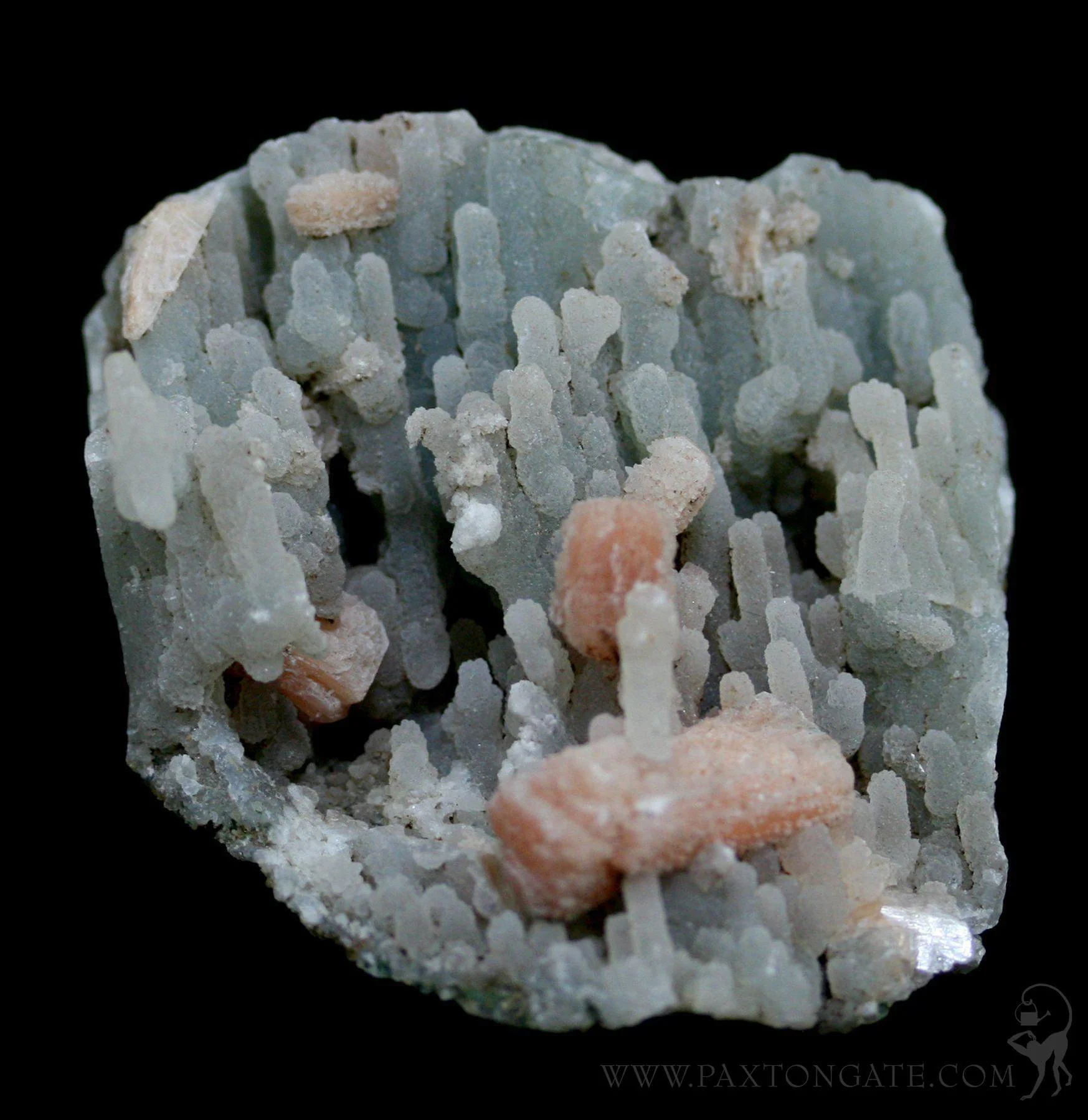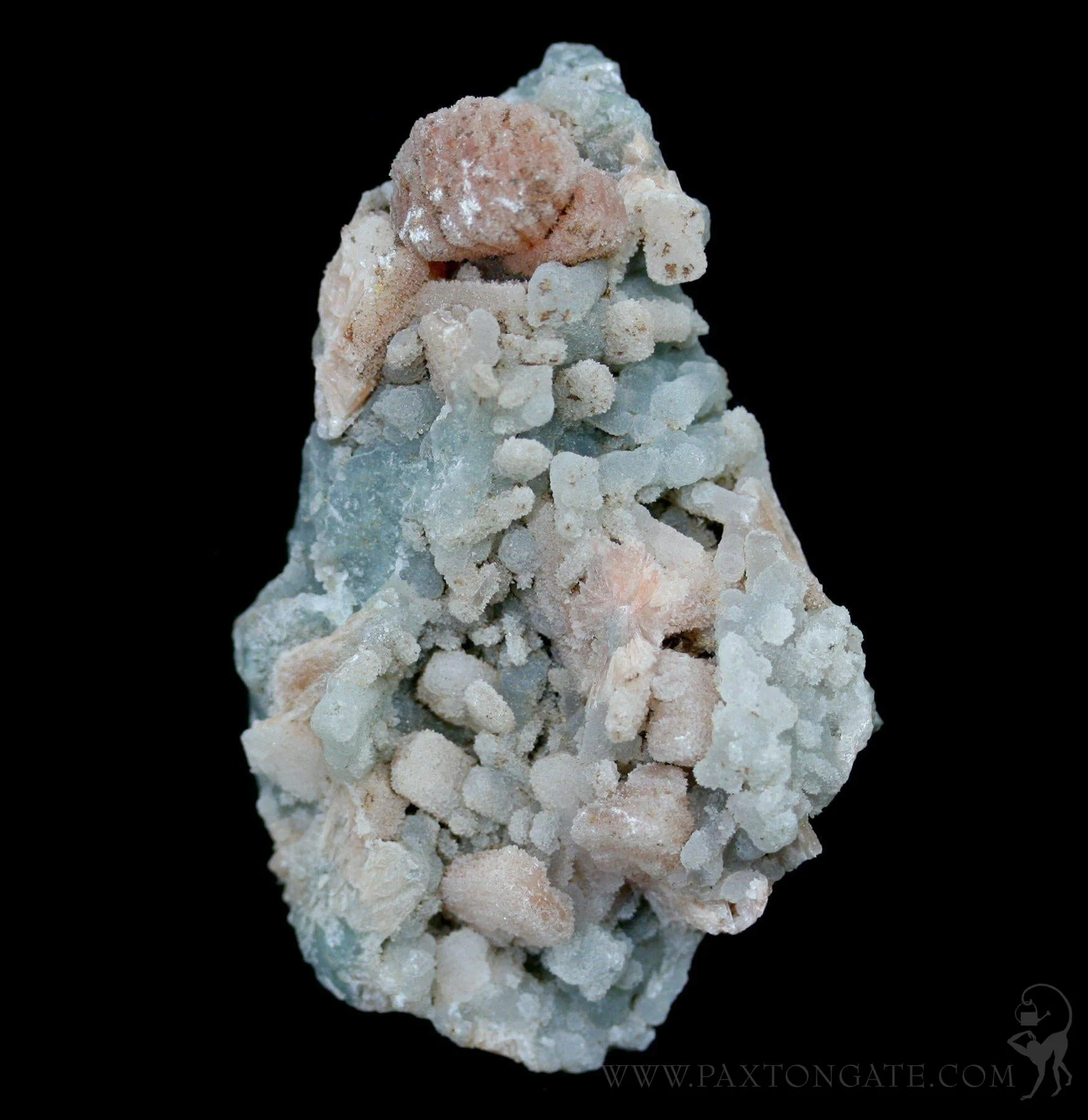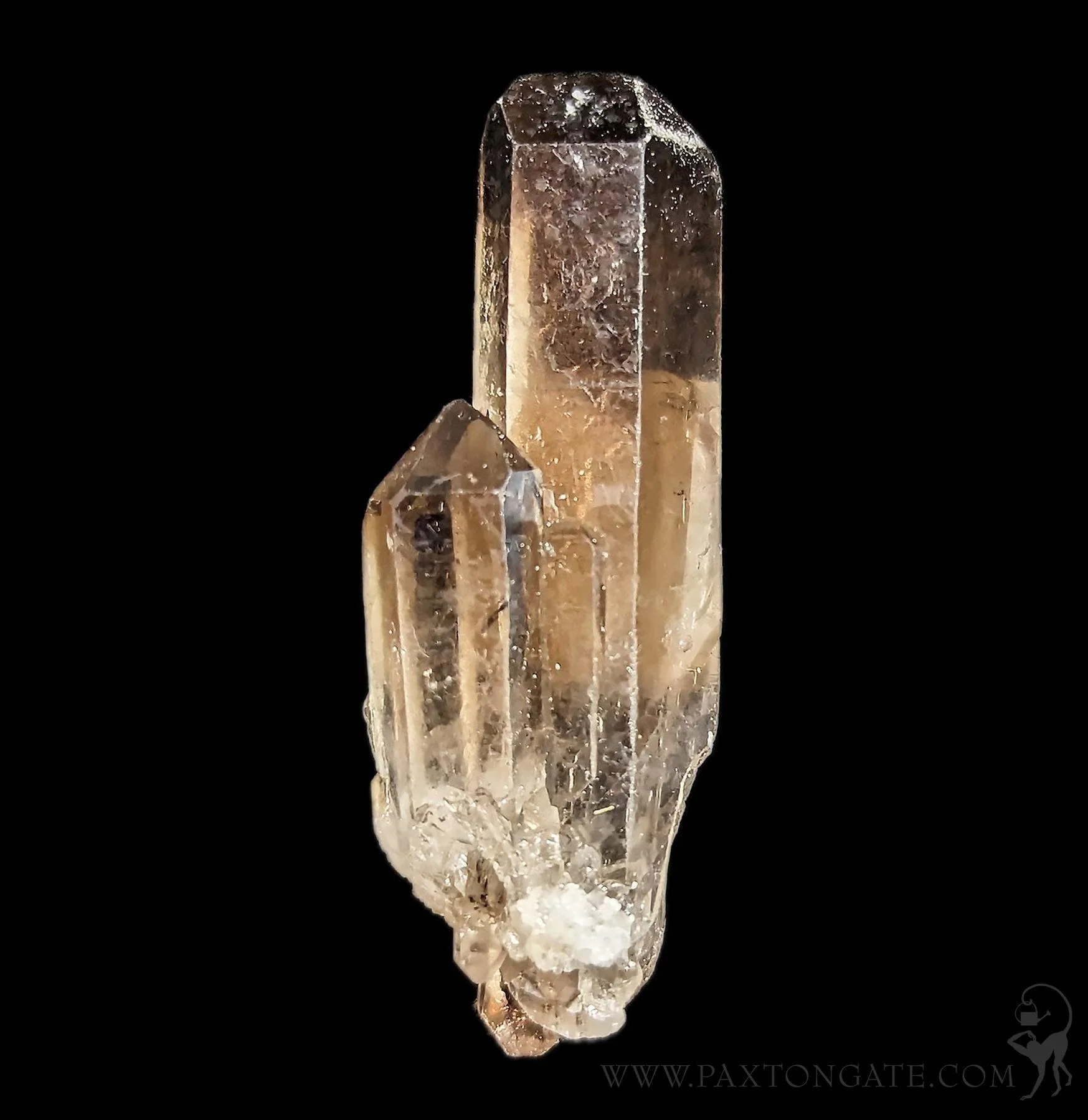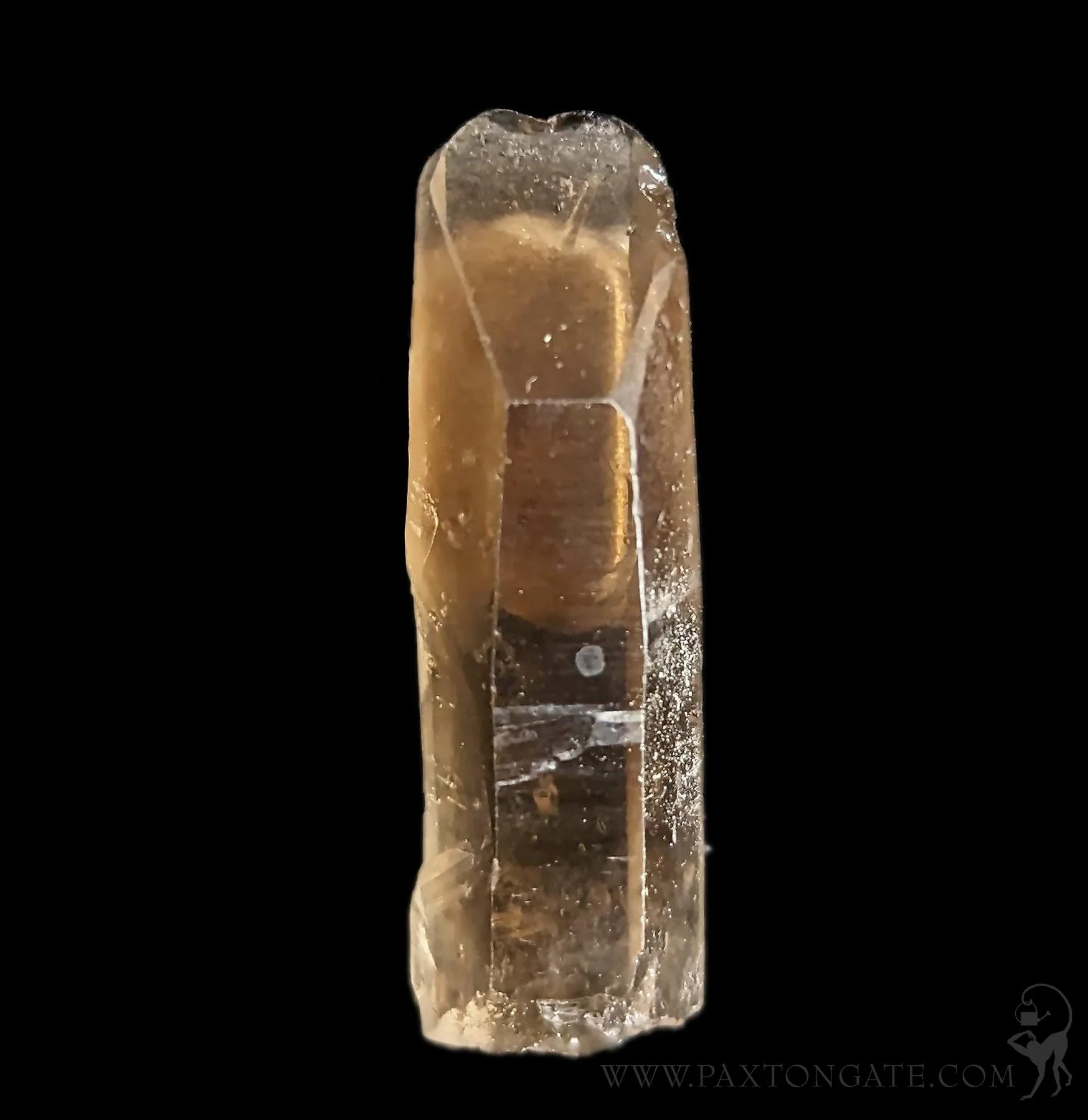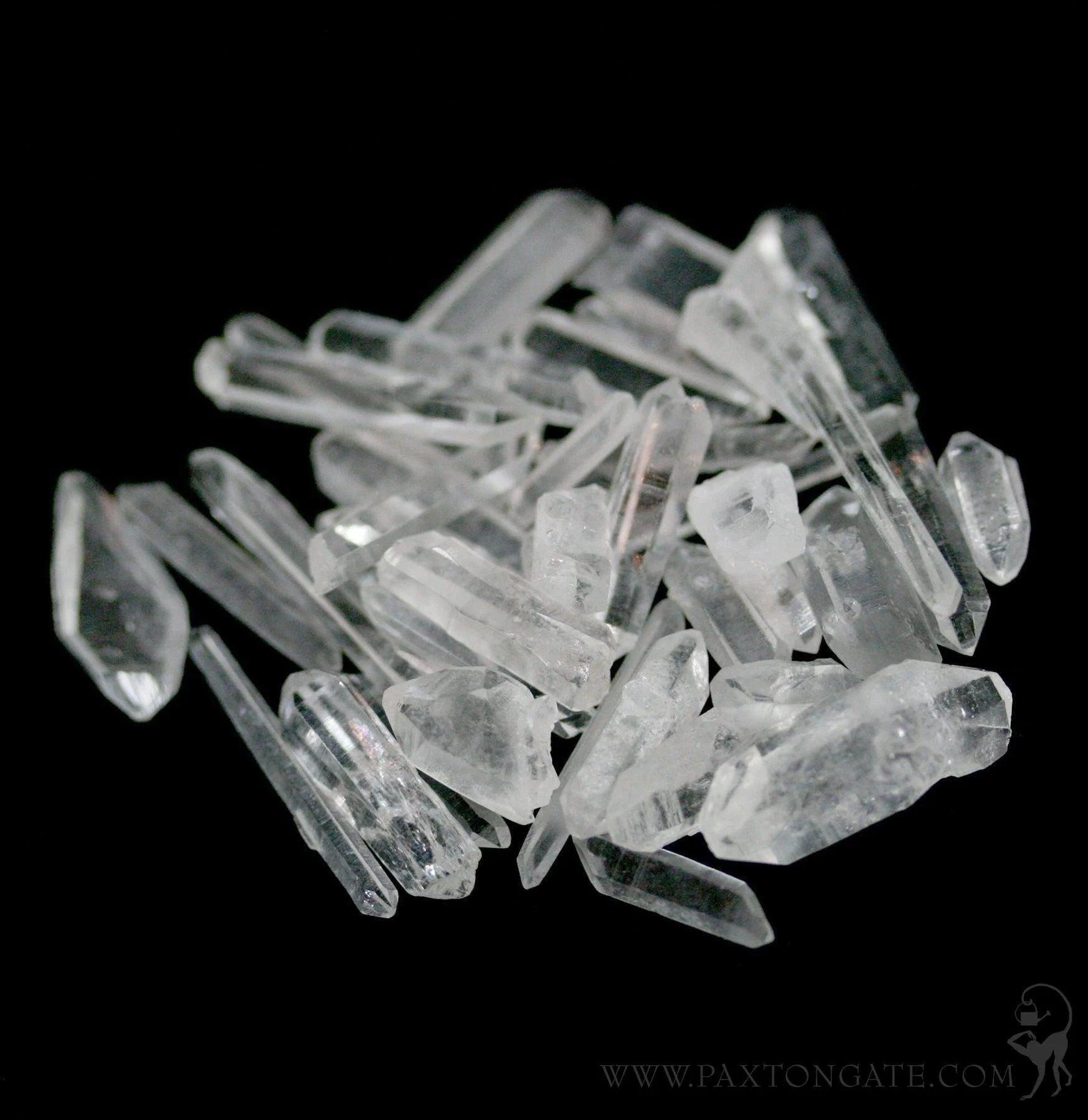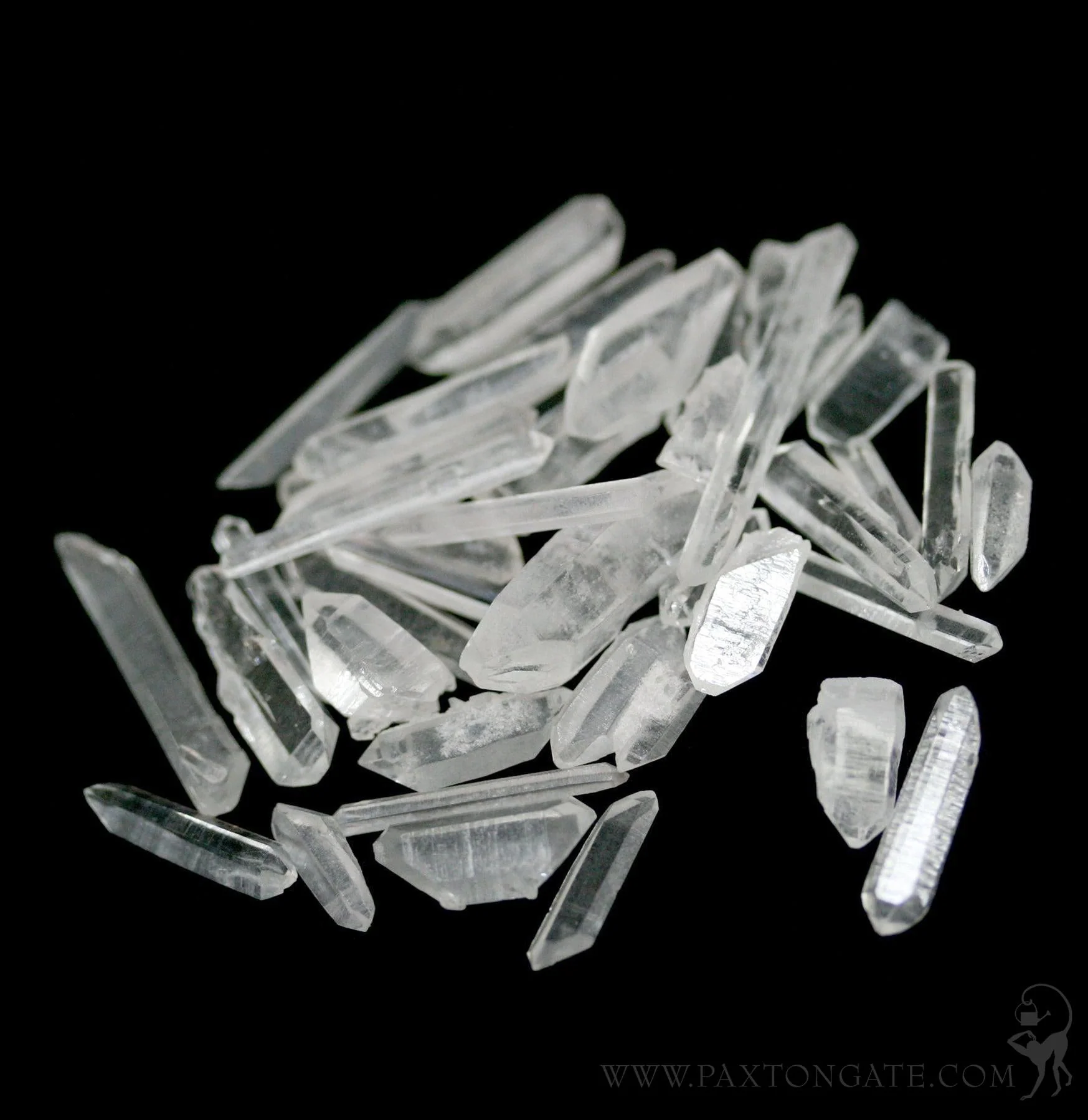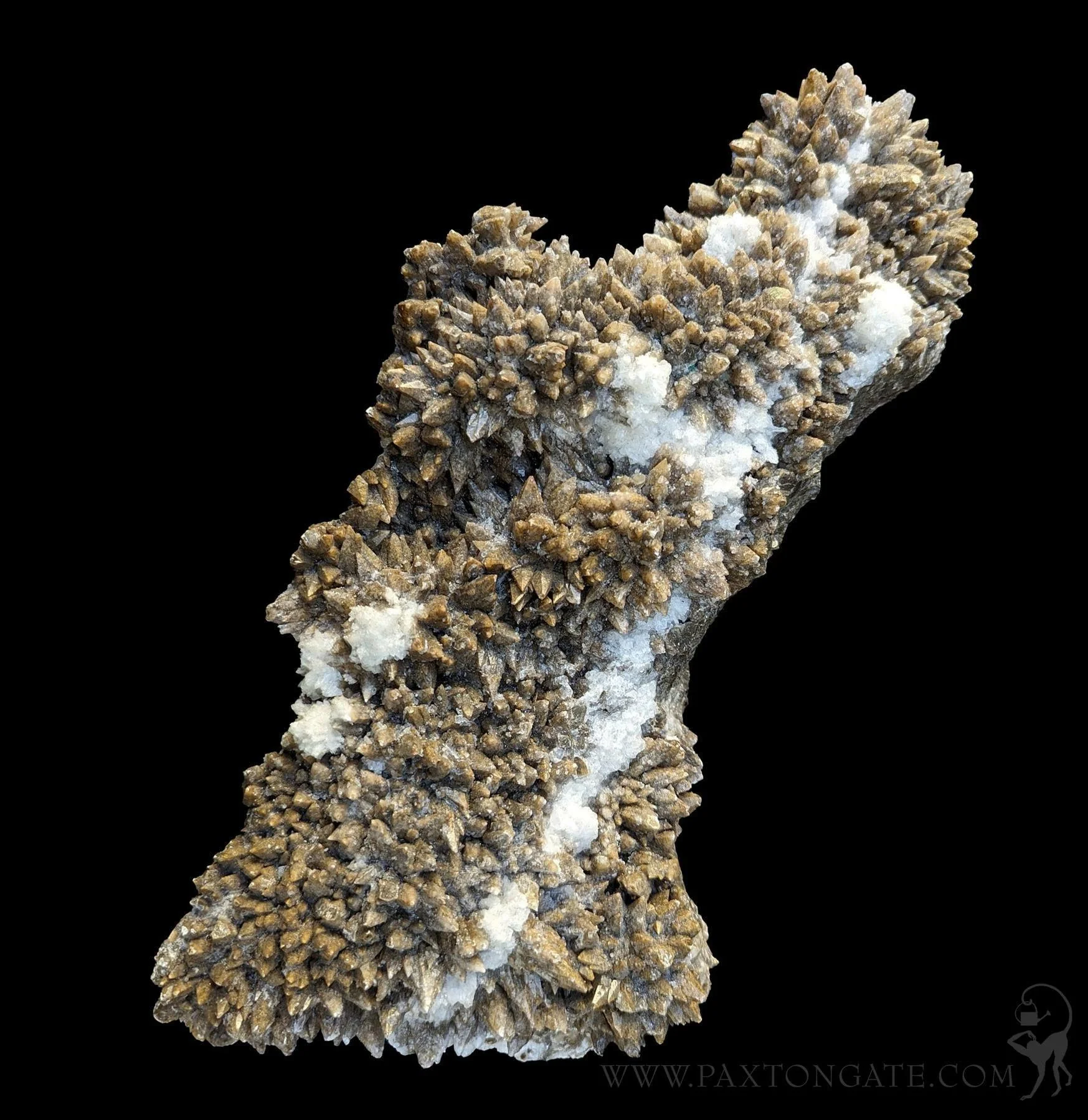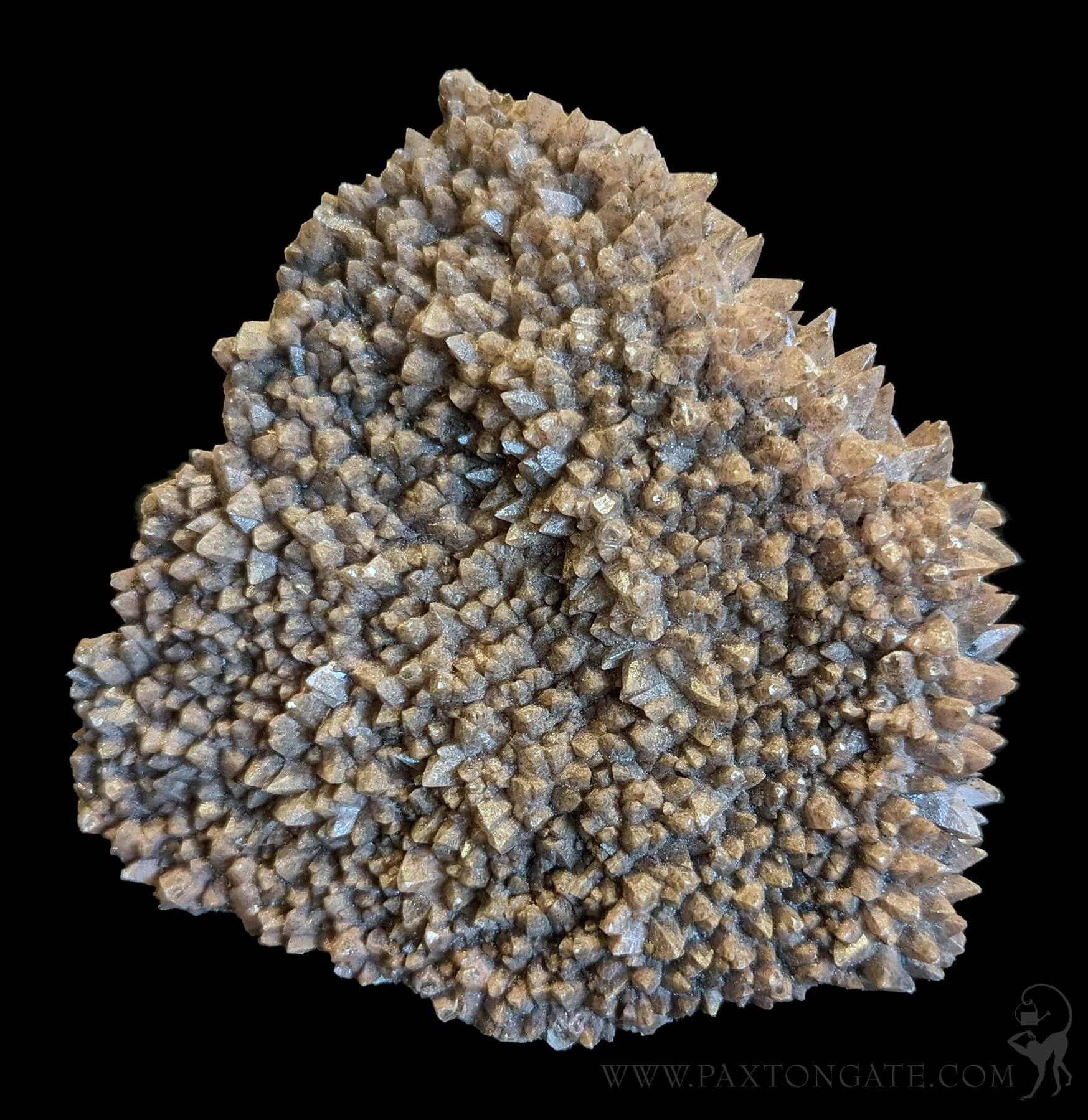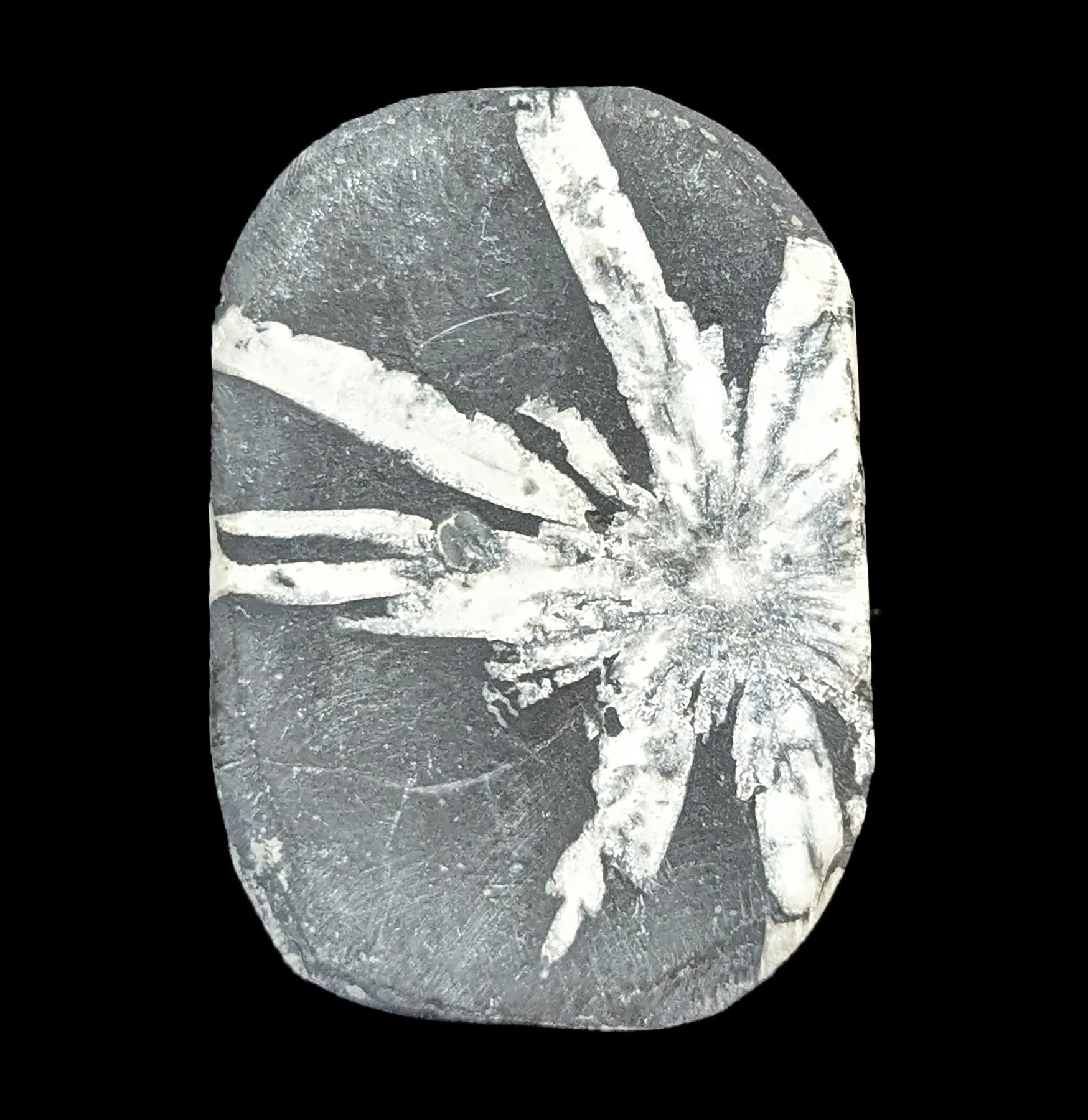
Chrysanthemum Stone
Point of origin Hubei Province, China.
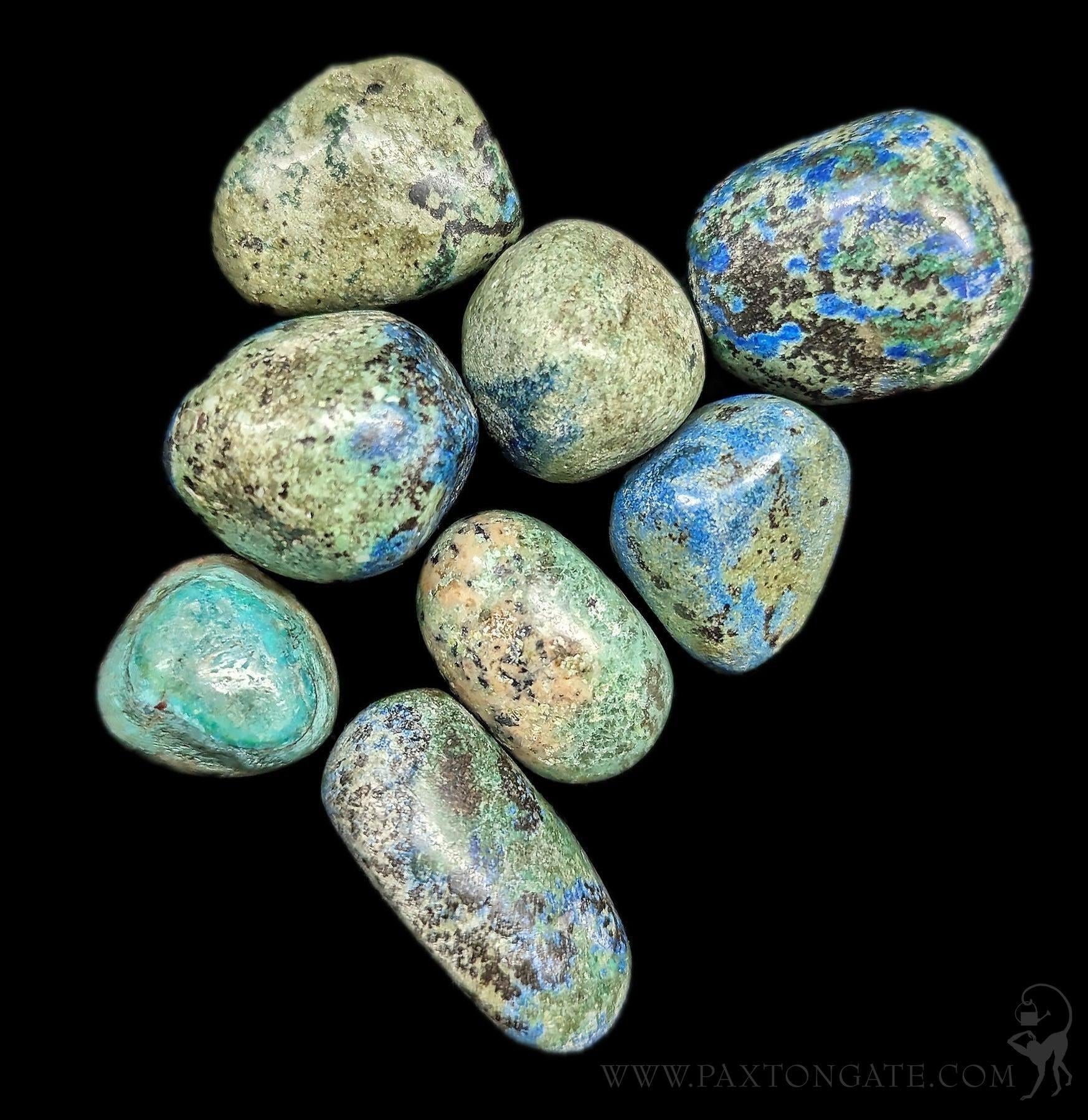
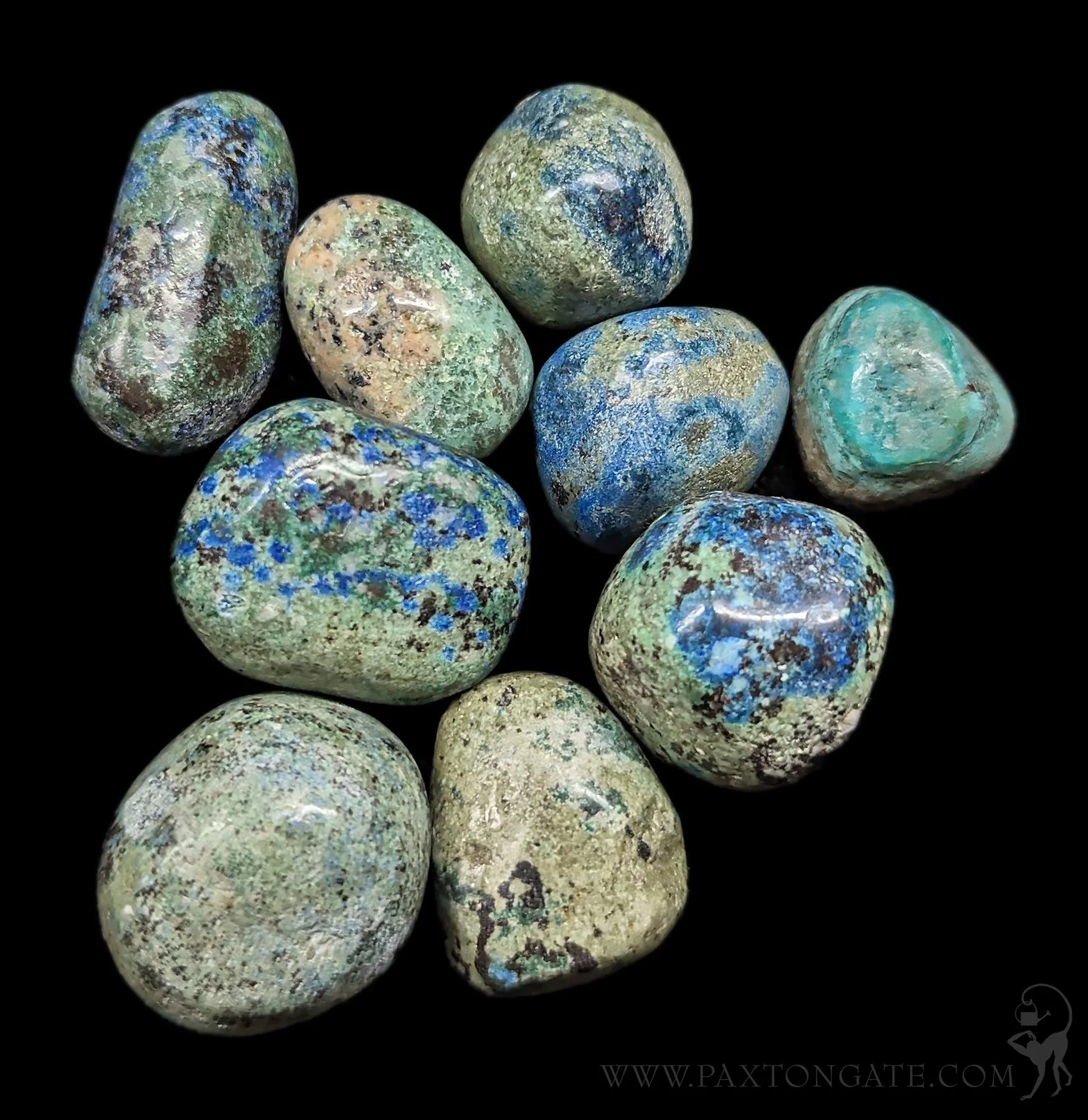
Approximately 2-4"
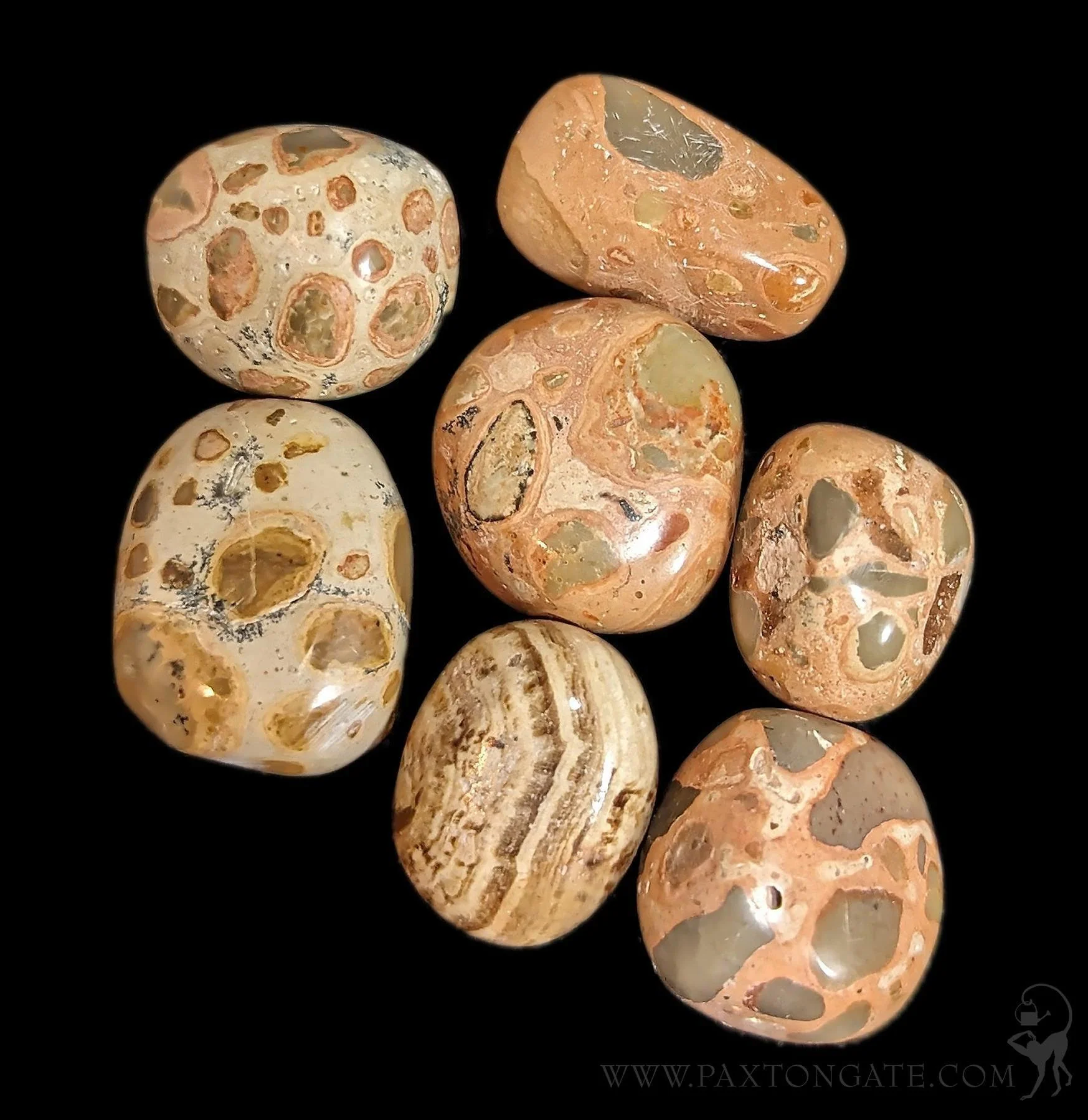
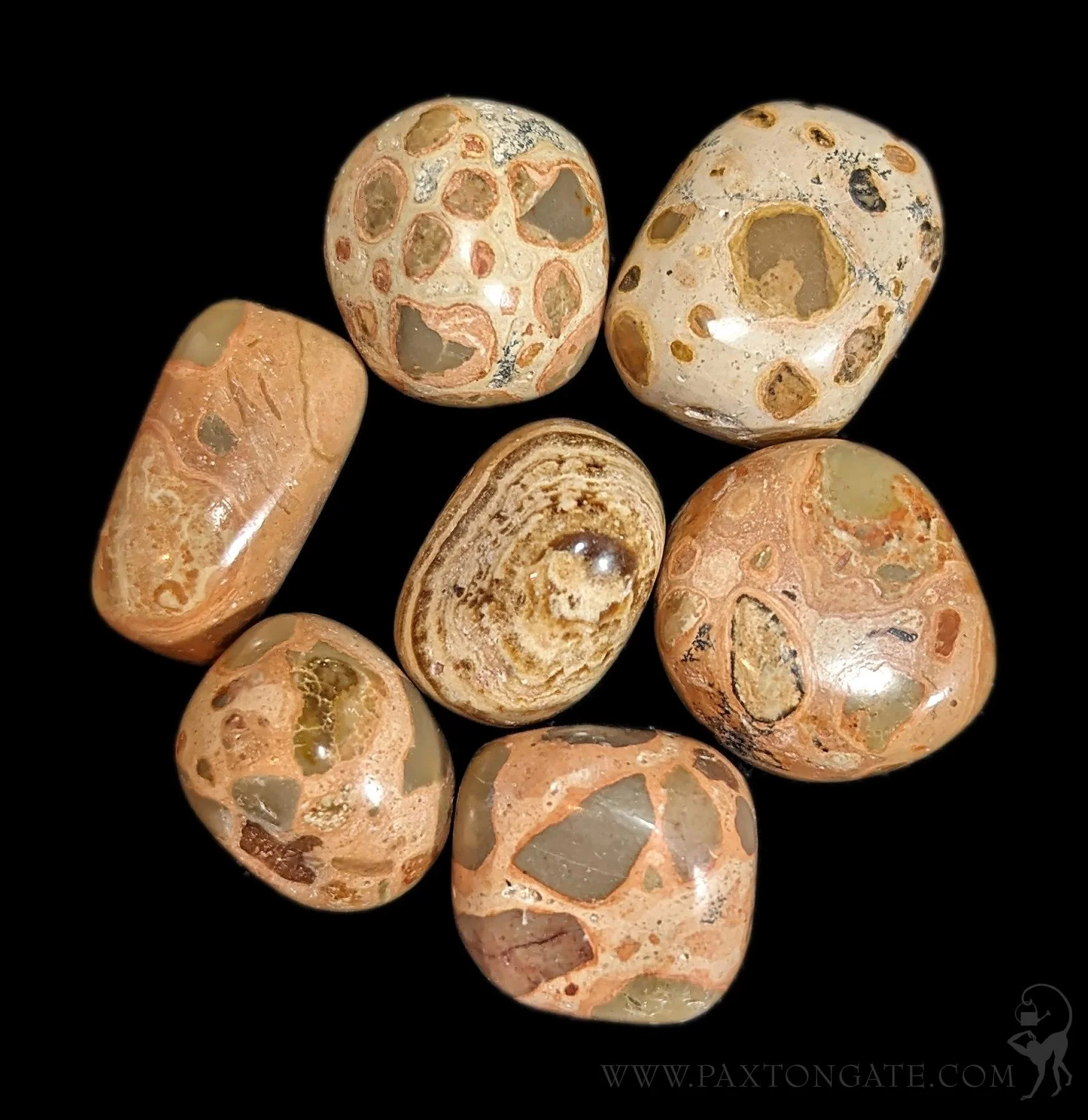
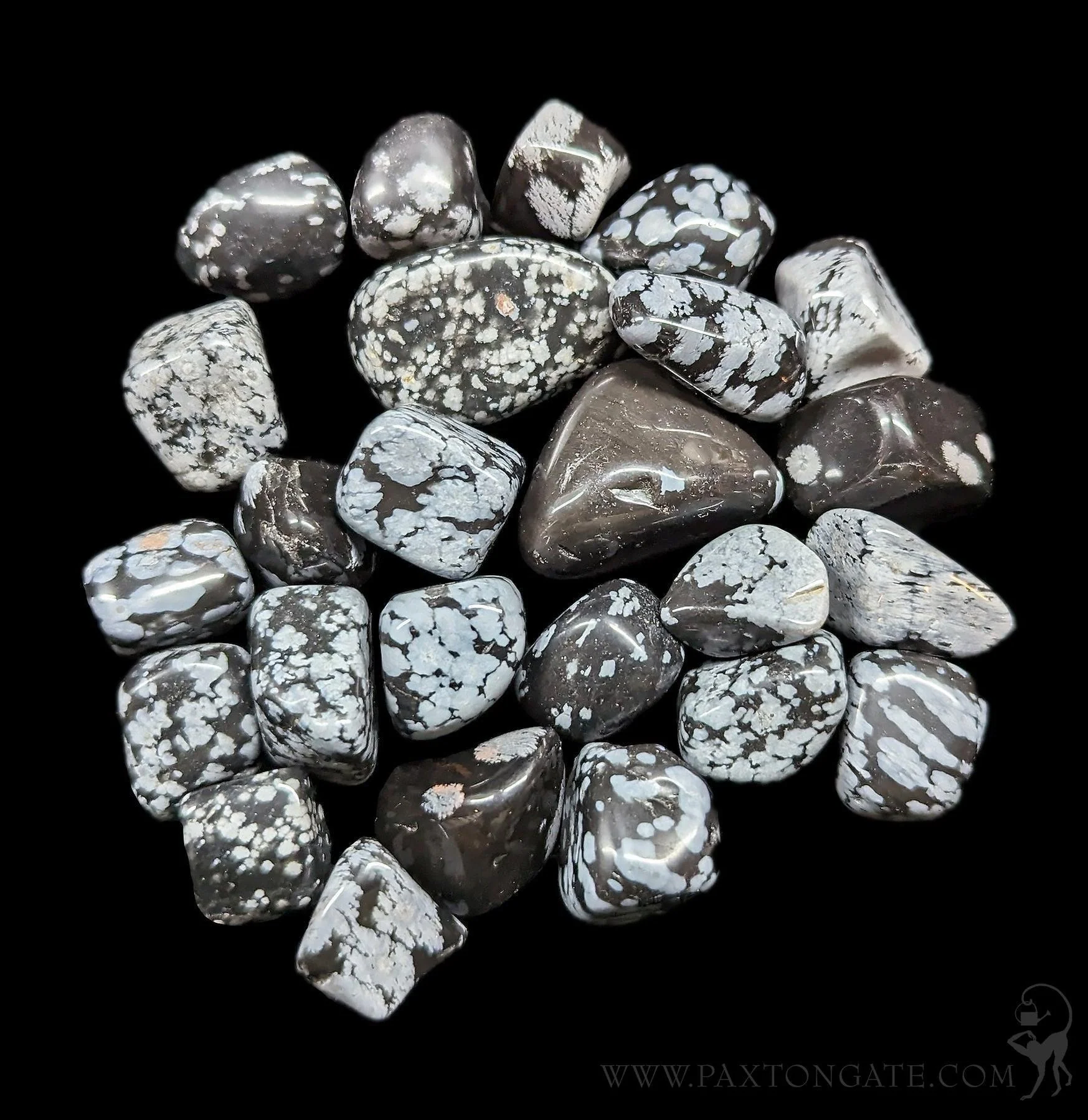
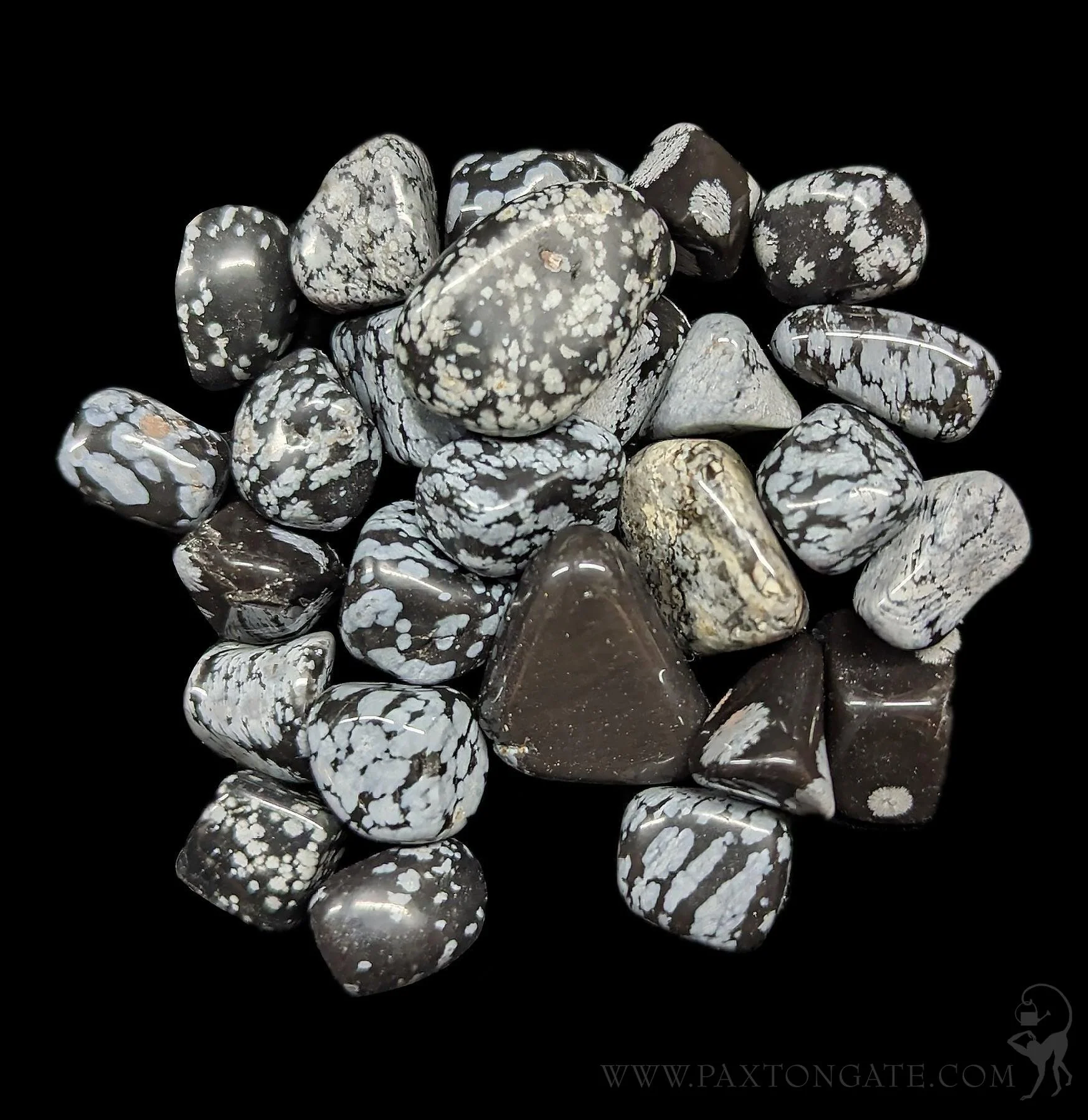
Chrysanthemum stones may look hand-painted or even like fossilized flowers, but they are entirely natural mineral formations. These striking stones date back to the Permian age, approximately 248 to 290 million years ago, long before dinosaurs roamed the Earth. Their distinctive flower-like patterns were not carved or painted by human hands. They formed deep within the Earth through slow geological processes that took millions of years.
Chrysanthemum stones developed at the bottom of ancient oceans, where layers of sediment steadily built up over time. As these layers thickened, immense pressure formed beneath the seabed. Within this carbon-rich environment, mineral-rich fluids moved through cracks and pockets in the sediment. Under these intense conditions, Celestite crystals began to grow outward from a central point. The pressure of the surrounding seabed confined the crystals, forcing them to expand in radiating patterns that resemble blooming chrysanthemum flowers.
Over vast stretches of time, the surrounding mud and organic material hardened into dark limestone or shale, preserving the pale crystal formations inside. When the stone is cut and polished, the natural mineral contrast reveals the intricate floral patterns hidden within, showcasing a stunning reminder of Earth’s ancient geological history.
Point of origin Hubei Province, China.
Approximately 2-4"
Chrysanthemum stones may look hand-painted or even like fossilized flowers, but they are entirely natural mineral formations. These striking stones date back to the Permian age, approximately 248 to 290 million years ago, long before dinosaurs roamed the Earth. Their distinctive flower-like patterns were not carved or painted by human hands. They formed deep within the Earth through slow geological processes that took millions of years.
Chrysanthemum stones developed at the bottom of ancient oceans, where layers of sediment steadily built up over time. As these layers thickened, immense pressure formed beneath the seabed. Within this carbon-rich environment, mineral-rich fluids moved through cracks and pockets in the sediment. Under these intense conditions, Celestite crystals began to grow outward from a central point. The pressure of the surrounding seabed confined the crystals, forcing them to expand in radiating patterns that resemble blooming chrysanthemum flowers.
Over vast stretches of time, the surrounding mud and organic material hardened into dark limestone or shale, preserving the pale crystal formations inside. When the stone is cut and polished, the natural mineral contrast reveals the intricate floral patterns hidden within, showcasing a stunning reminder of Earth’s ancient geological history.
Original: $35.00
-65%$35.00
$12.25Description
Point of origin Hubei Province, China.
Approximately 2-4"
Chrysanthemum stones may look hand-painted or even like fossilized flowers, but they are entirely natural mineral formations. These striking stones date back to the Permian age, approximately 248 to 290 million years ago, long before dinosaurs roamed the Earth. Their distinctive flower-like patterns were not carved or painted by human hands. They formed deep within the Earth through slow geological processes that took millions of years.
Chrysanthemum stones developed at the bottom of ancient oceans, where layers of sediment steadily built up over time. As these layers thickened, immense pressure formed beneath the seabed. Within this carbon-rich environment, mineral-rich fluids moved through cracks and pockets in the sediment. Under these intense conditions, Celestite crystals began to grow outward from a central point. The pressure of the surrounding seabed confined the crystals, forcing them to expand in radiating patterns that resemble blooming chrysanthemum flowers.
Over vast stretches of time, the surrounding mud and organic material hardened into dark limestone or shale, preserving the pale crystal formations inside. When the stone is cut and polished, the natural mineral contrast reveals the intricate floral patterns hidden within, showcasing a stunning reminder of Earth’s ancient geological history.