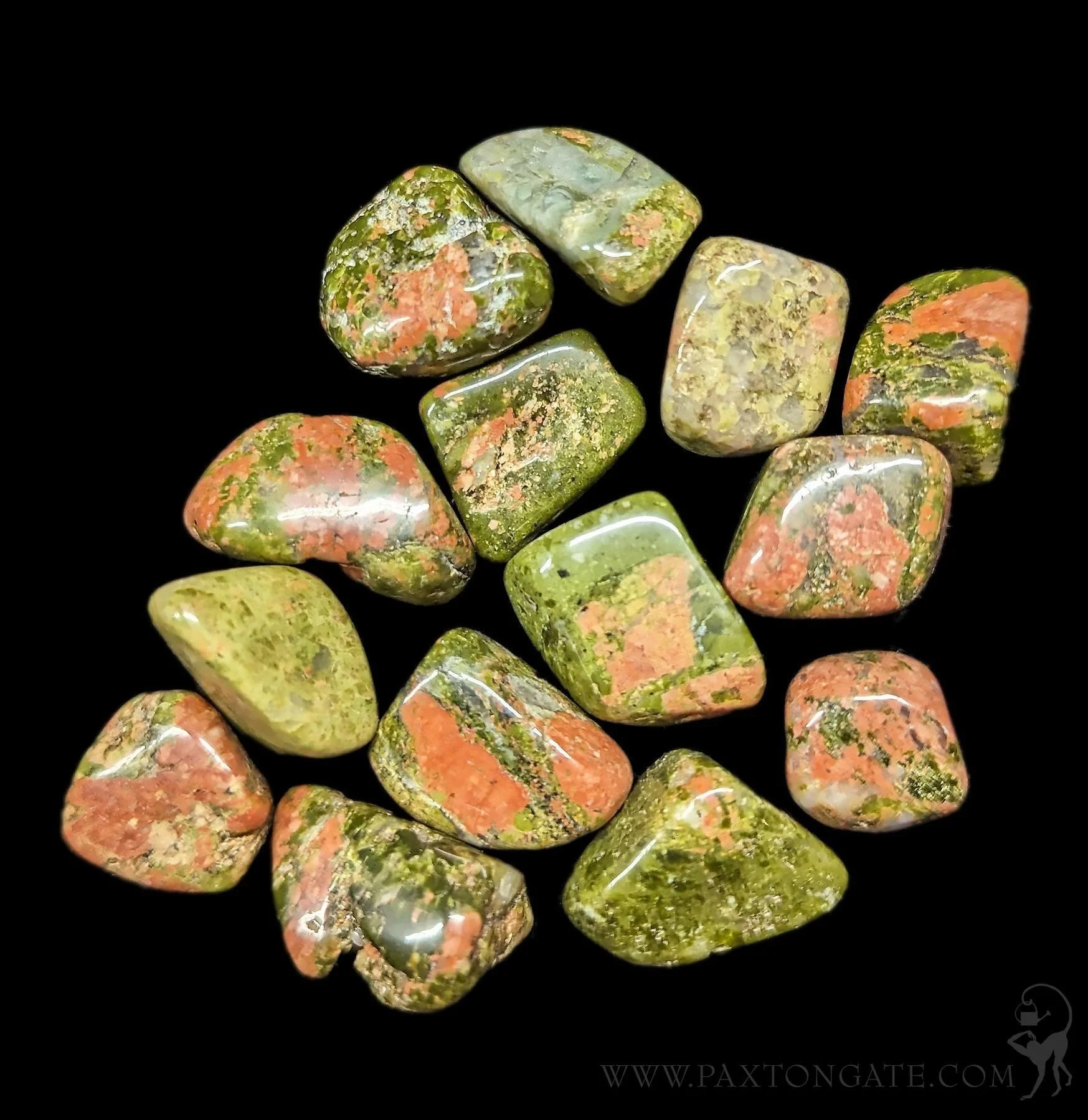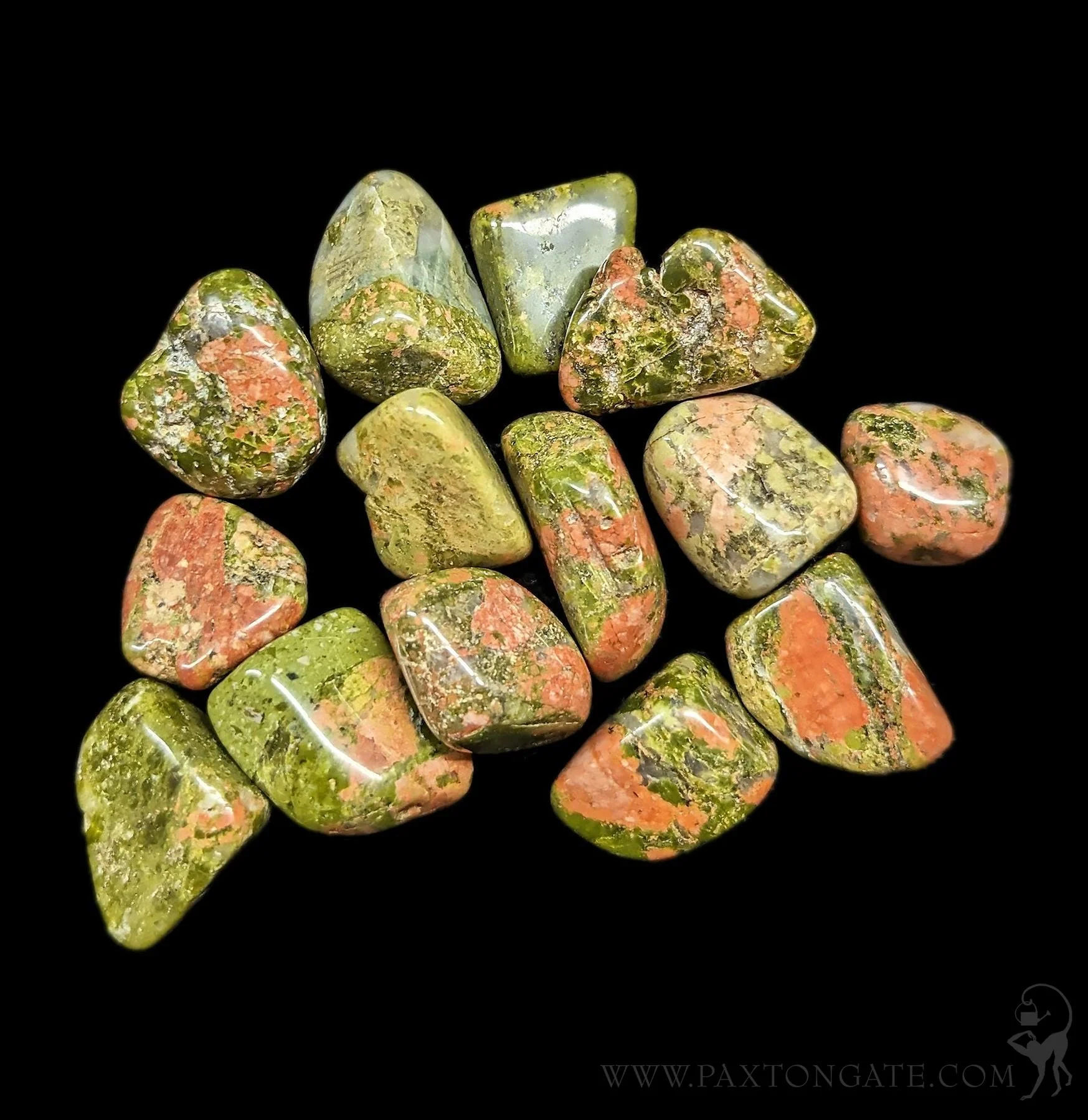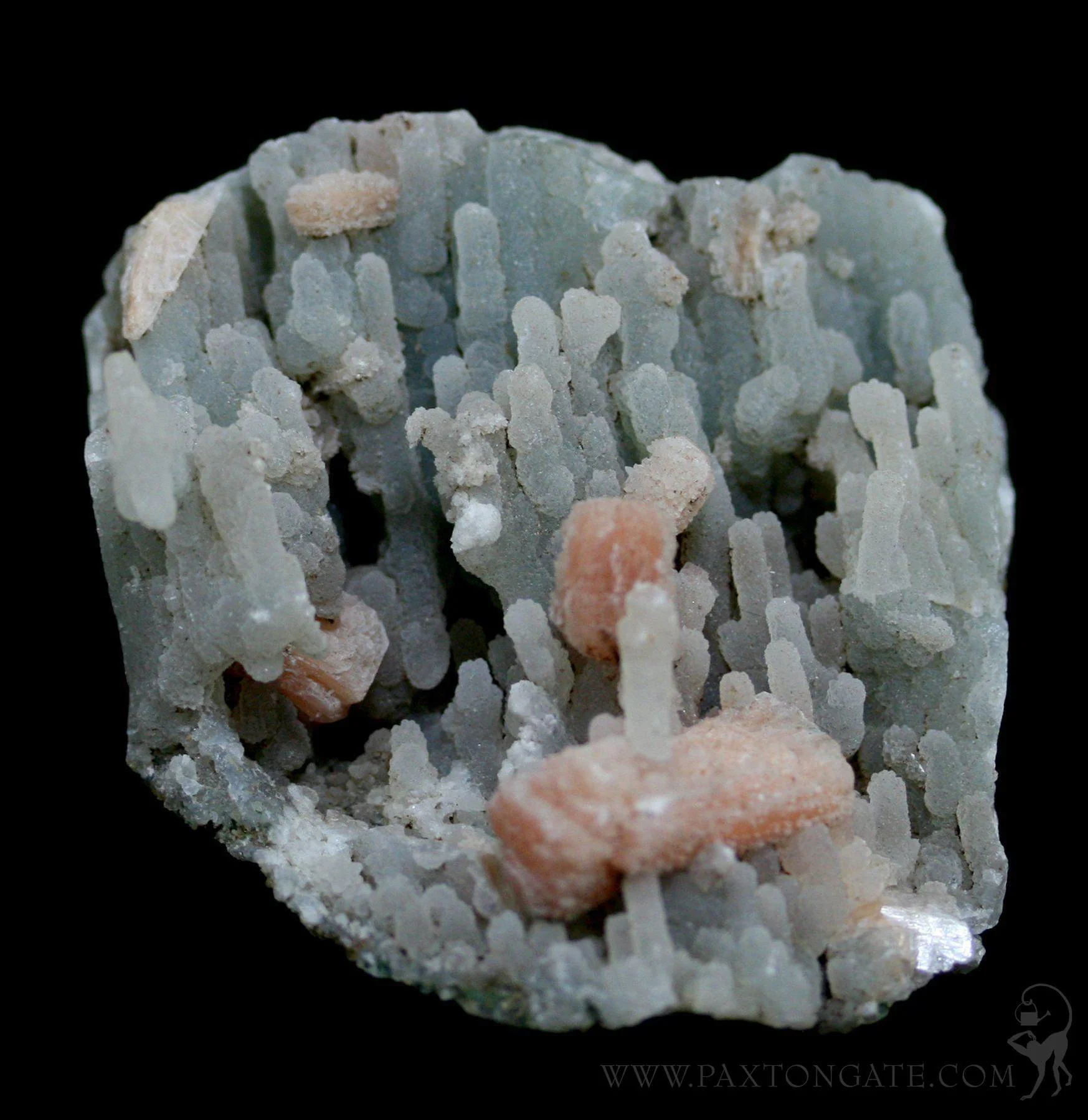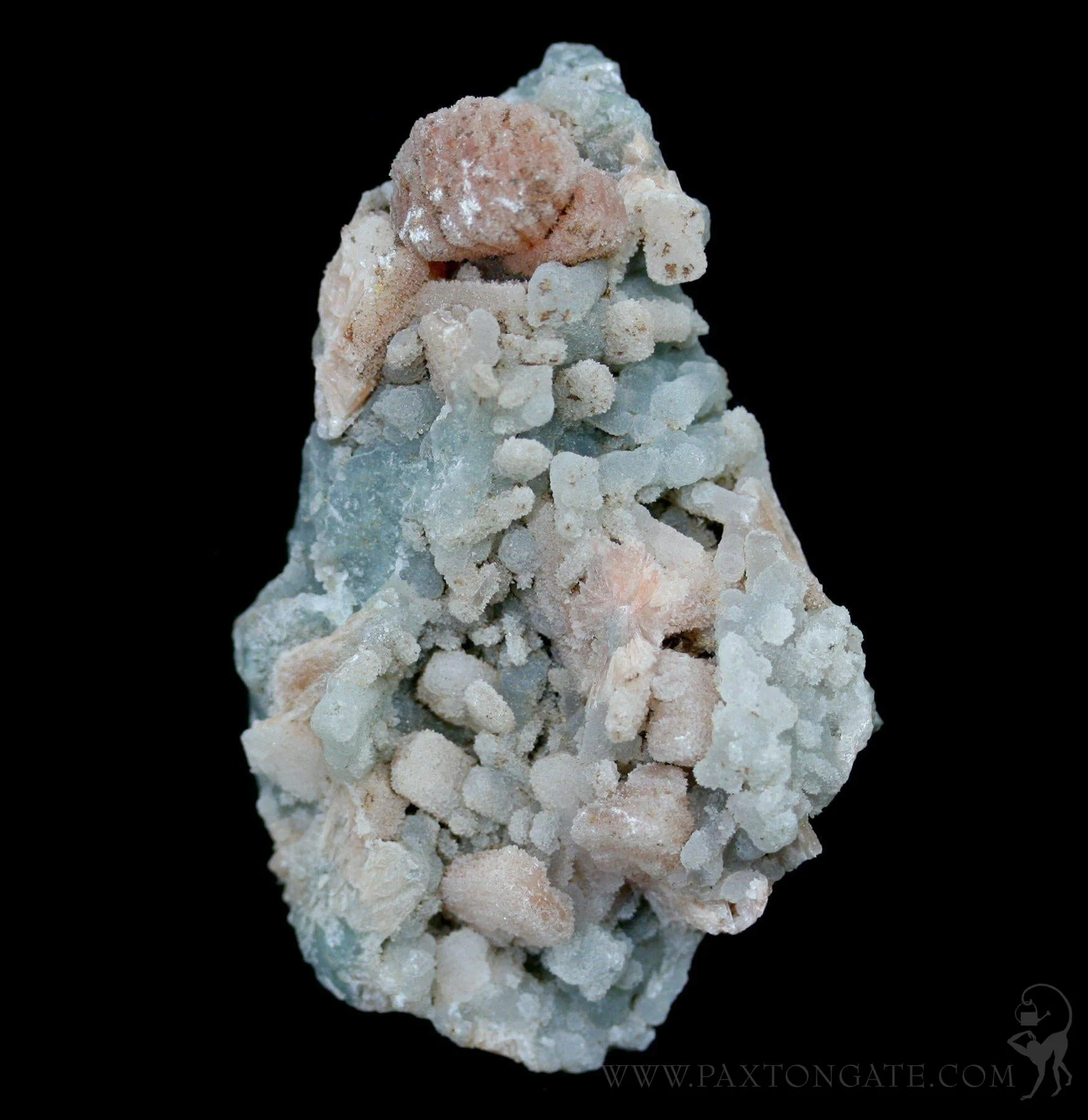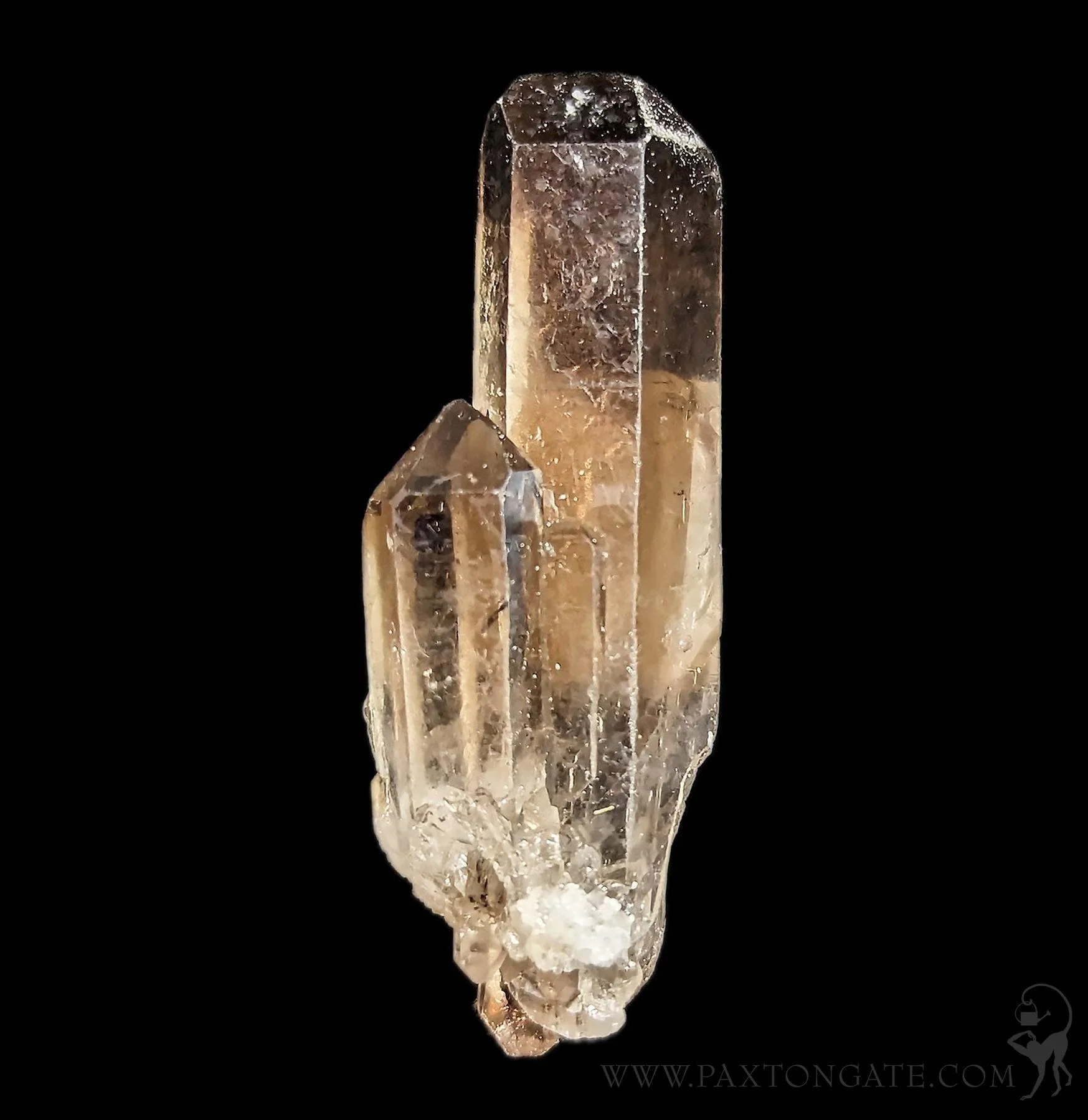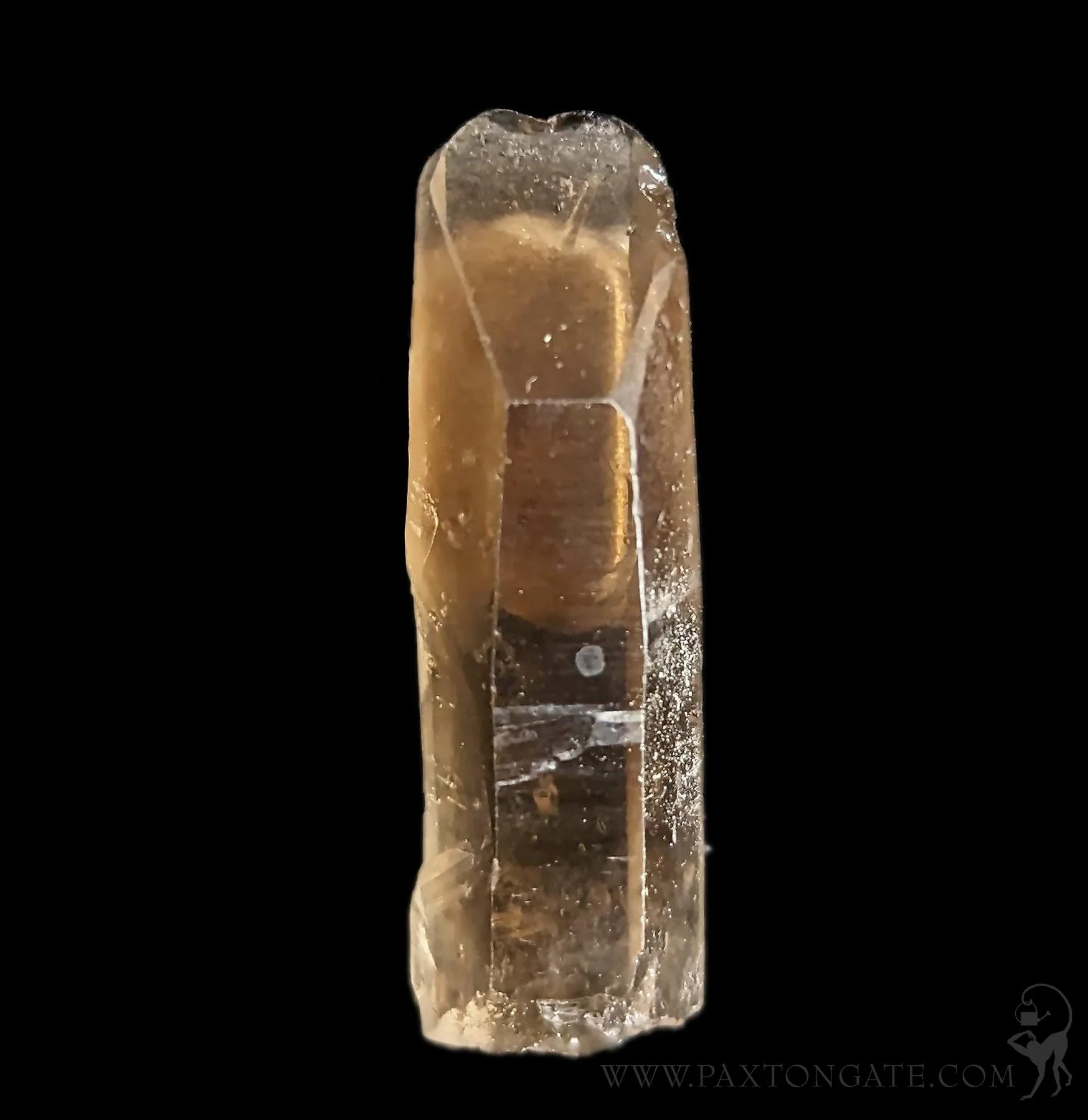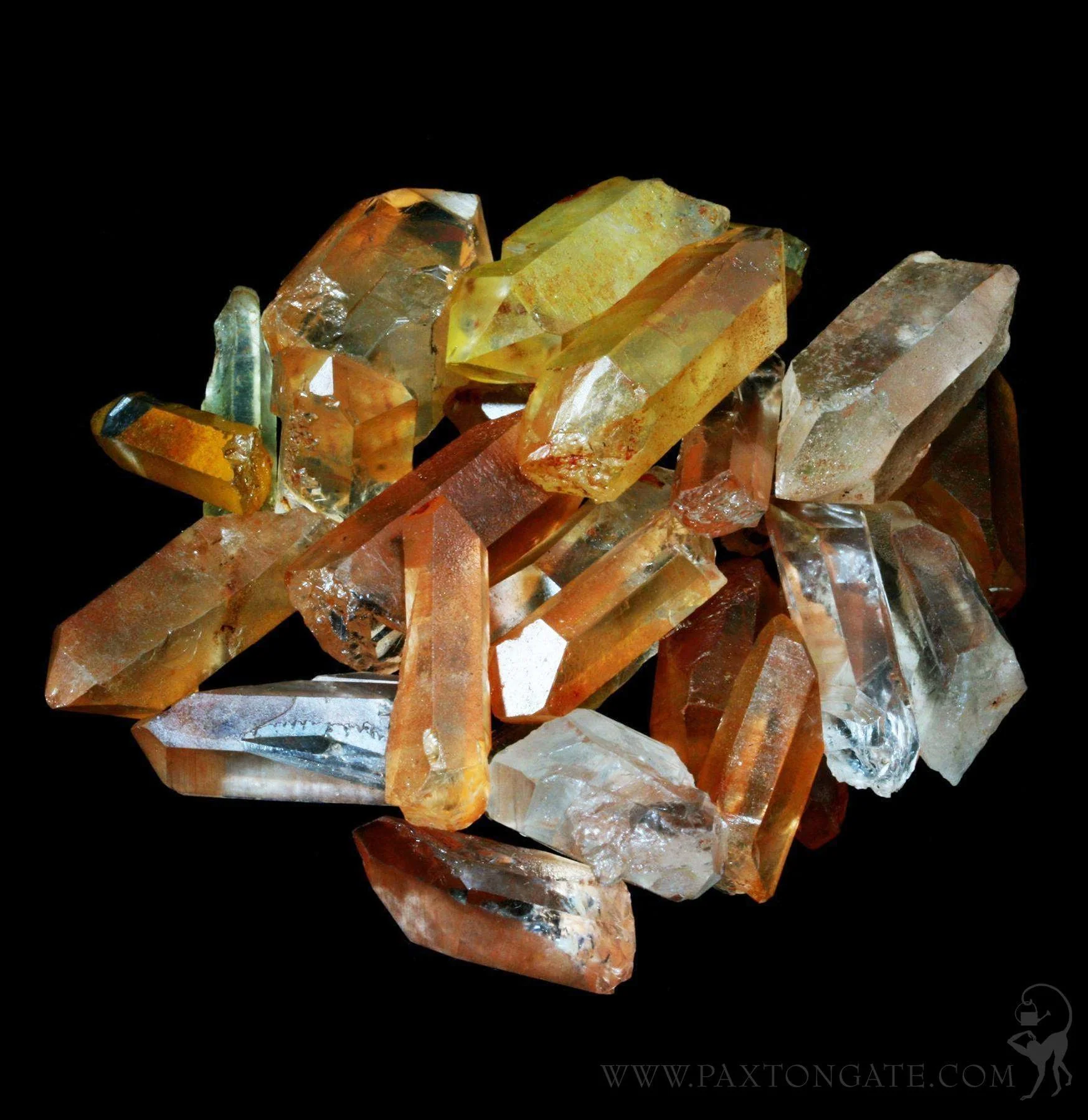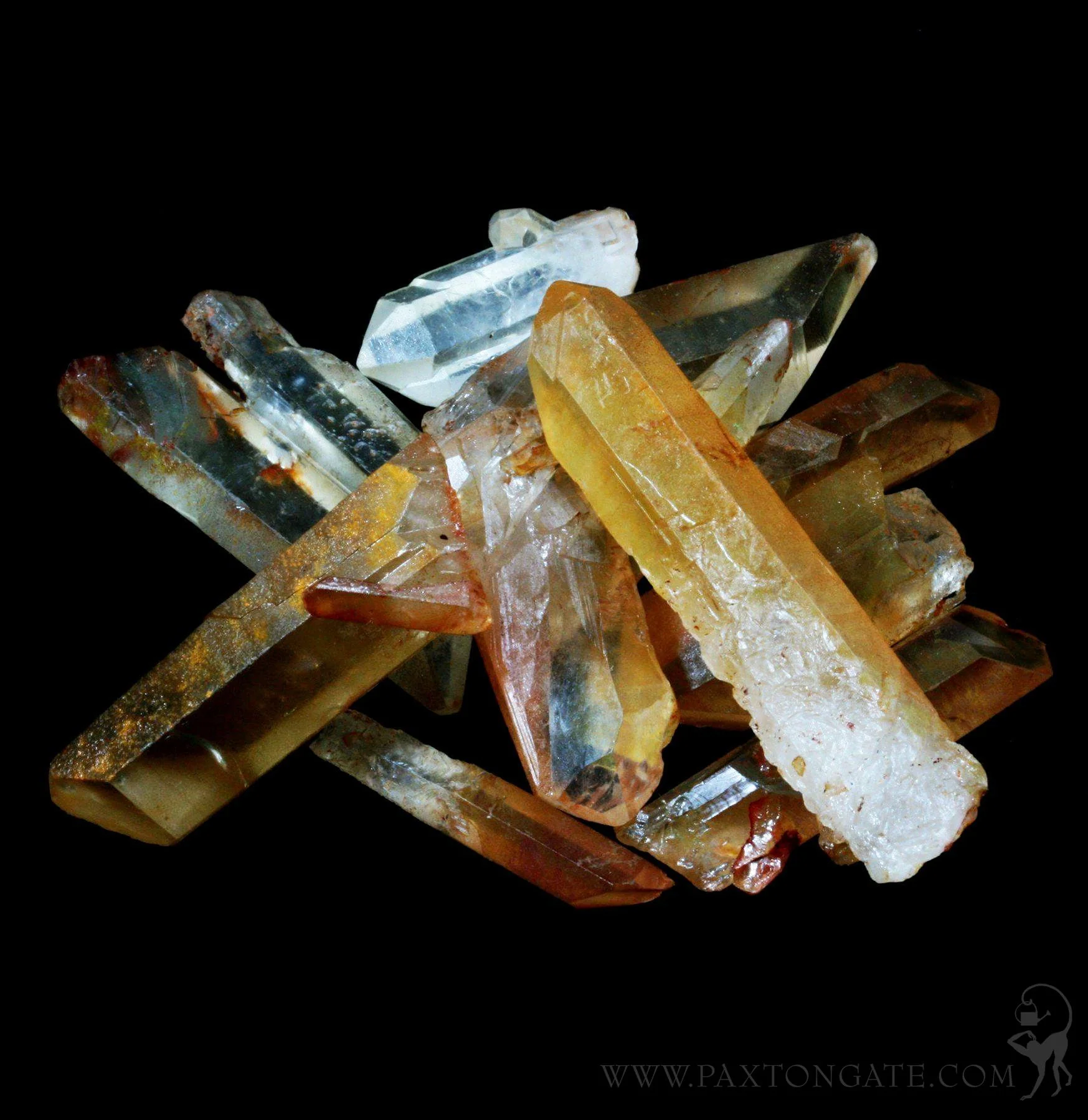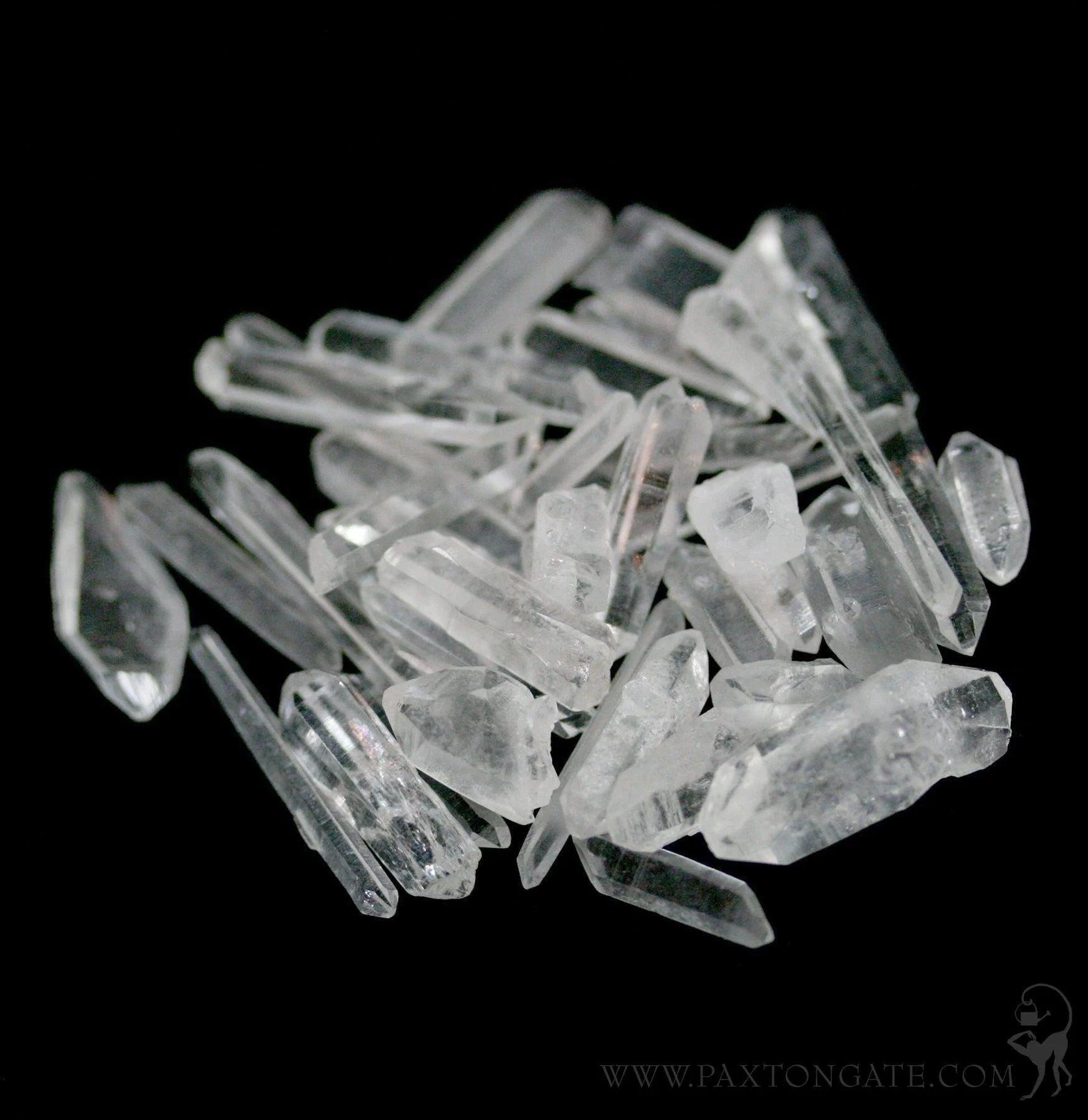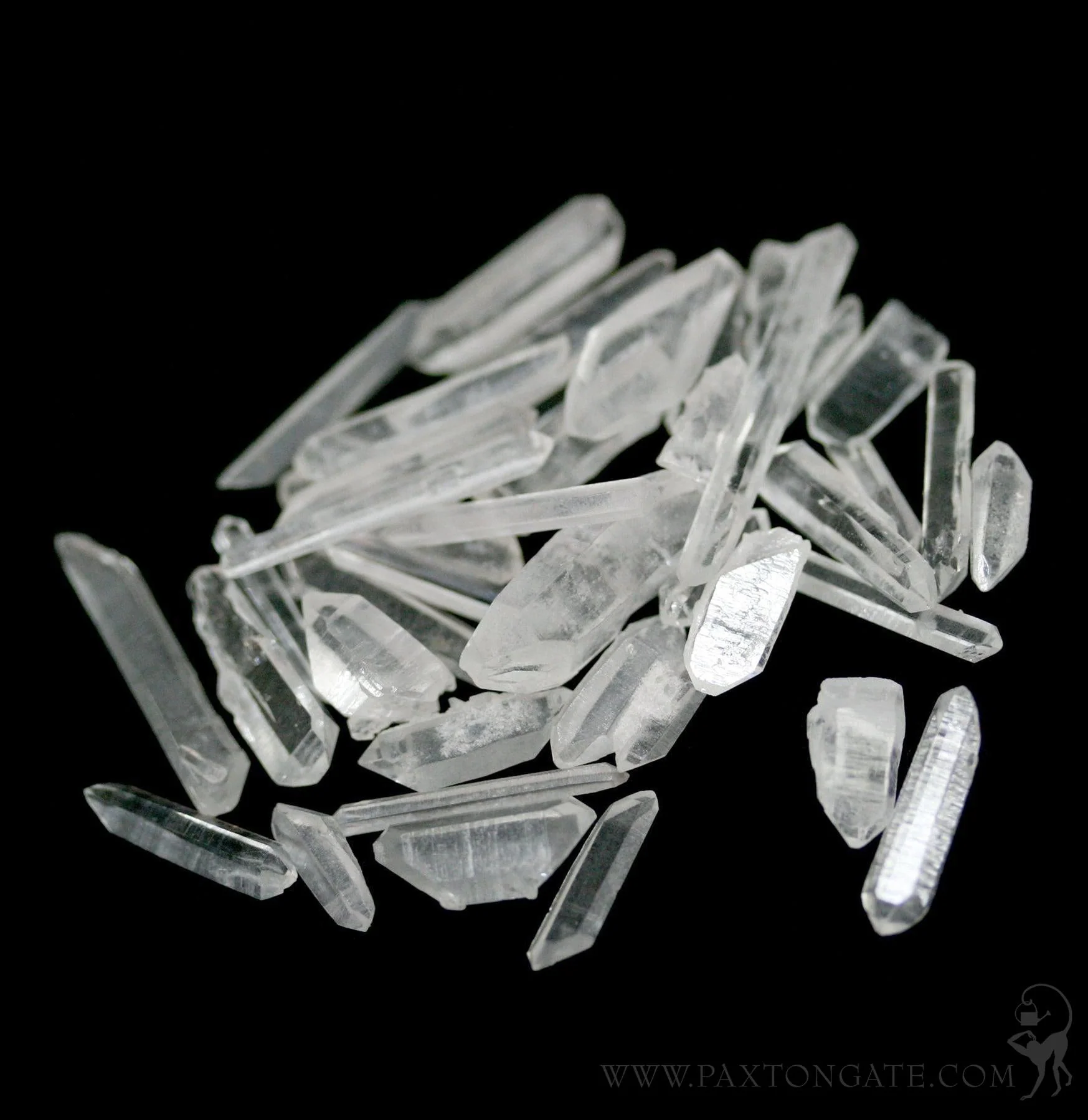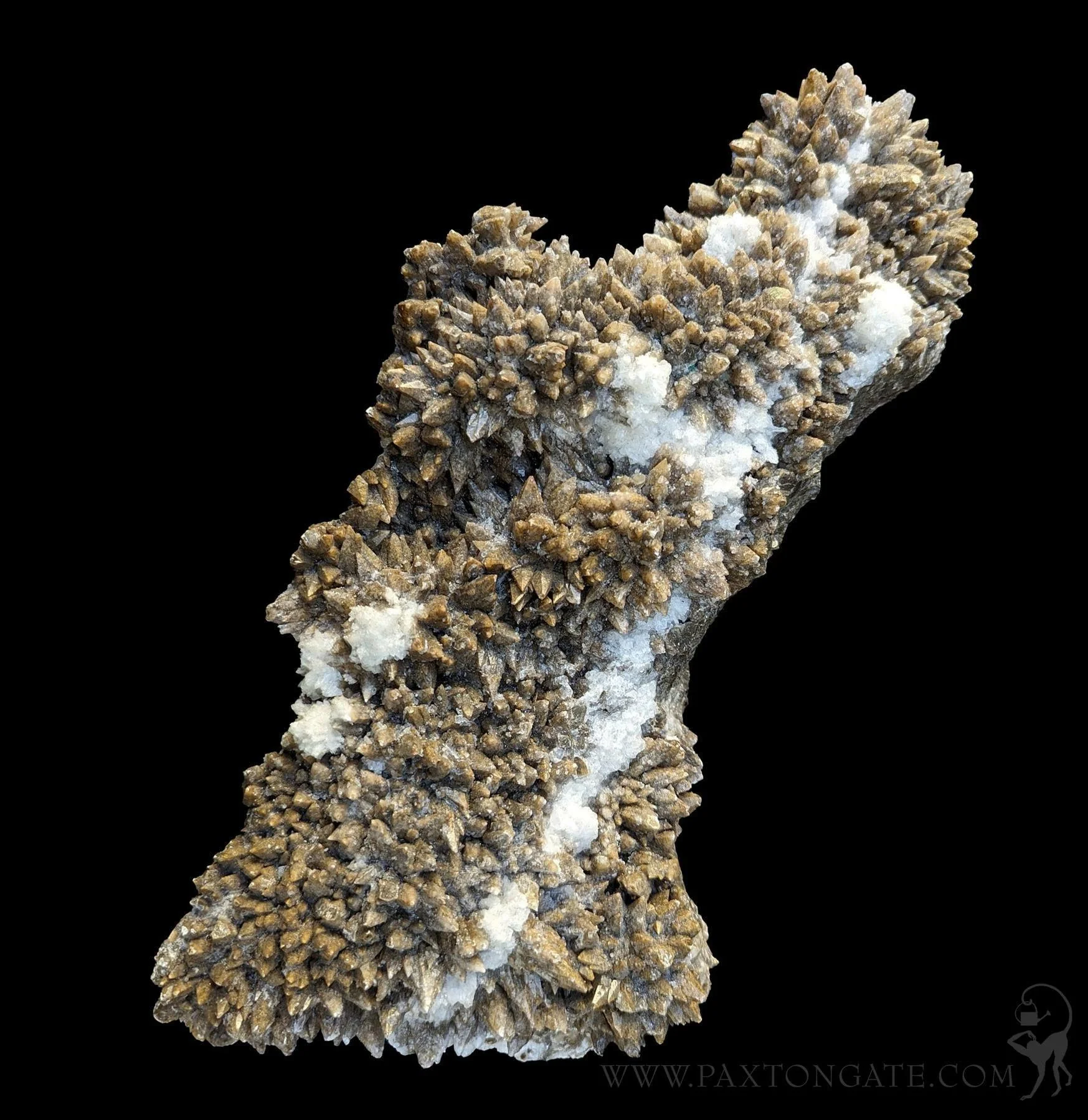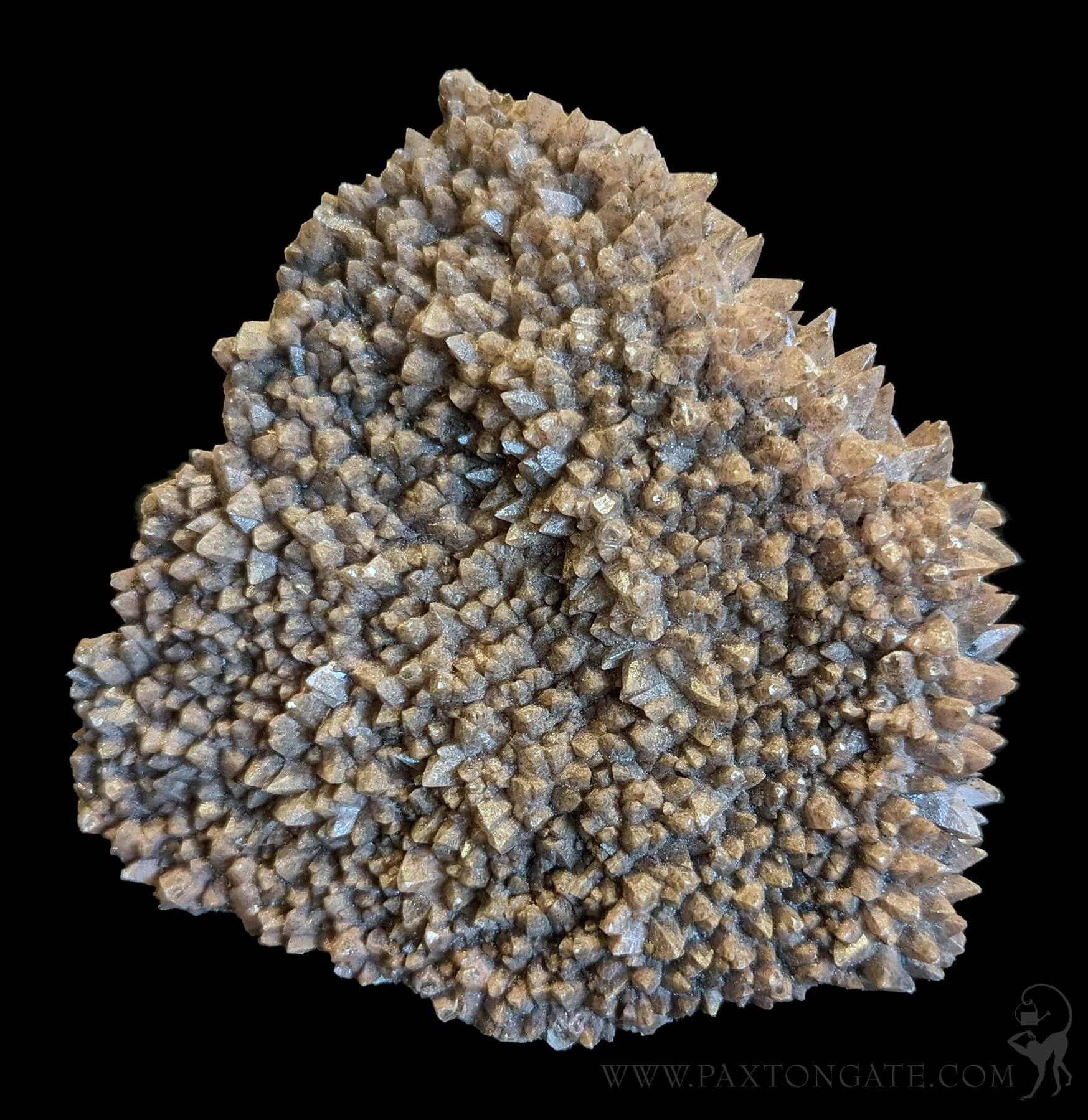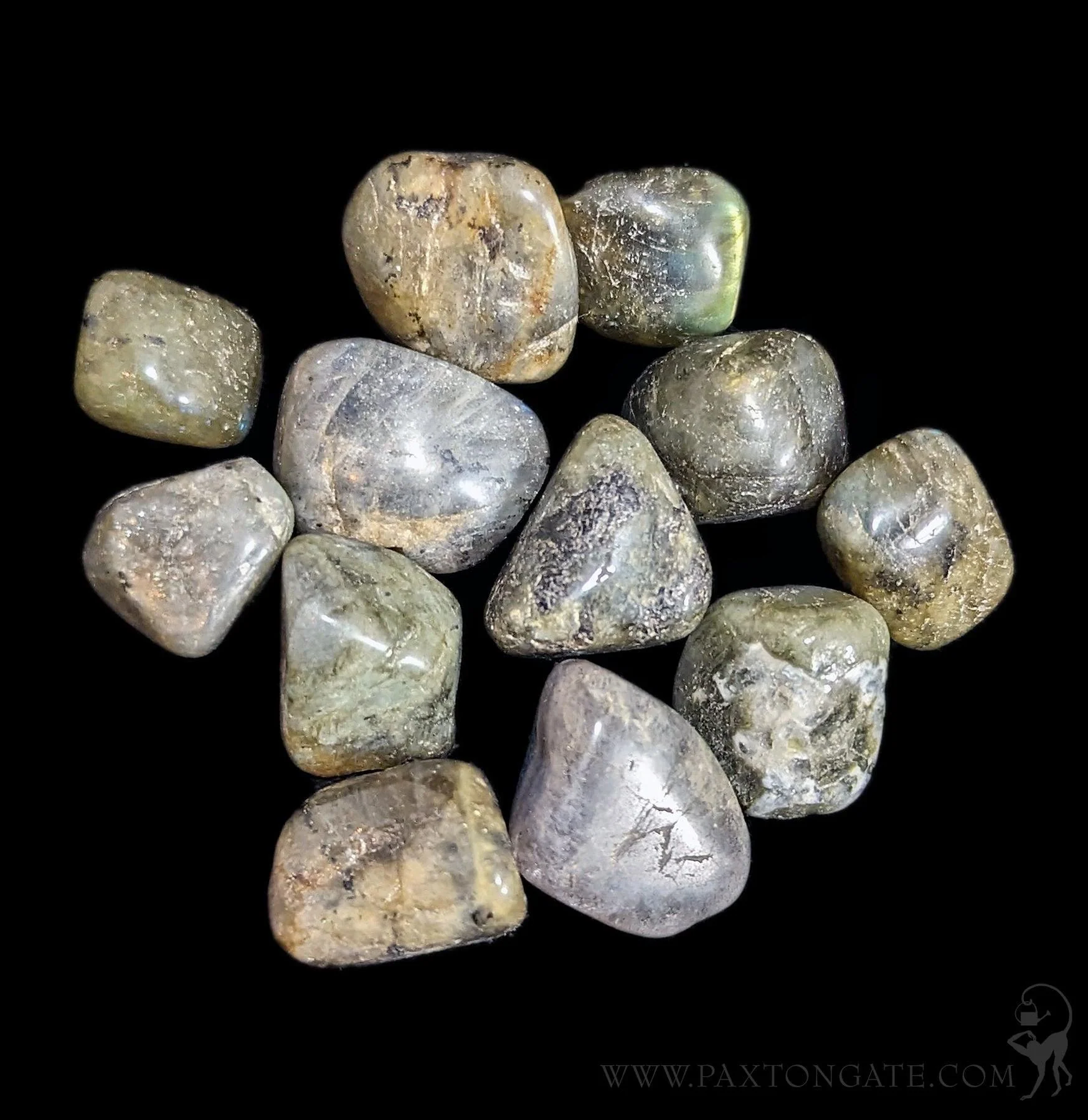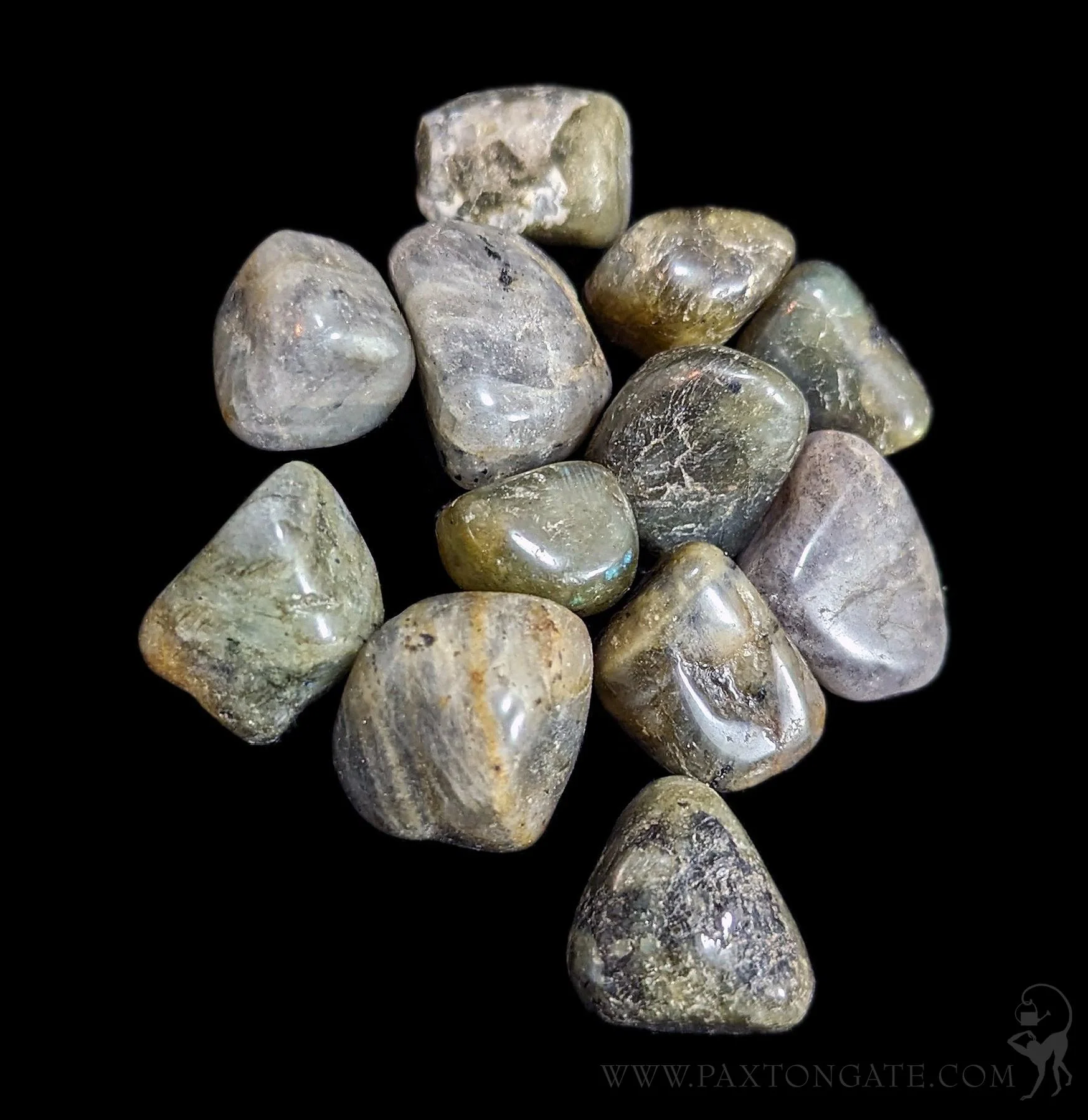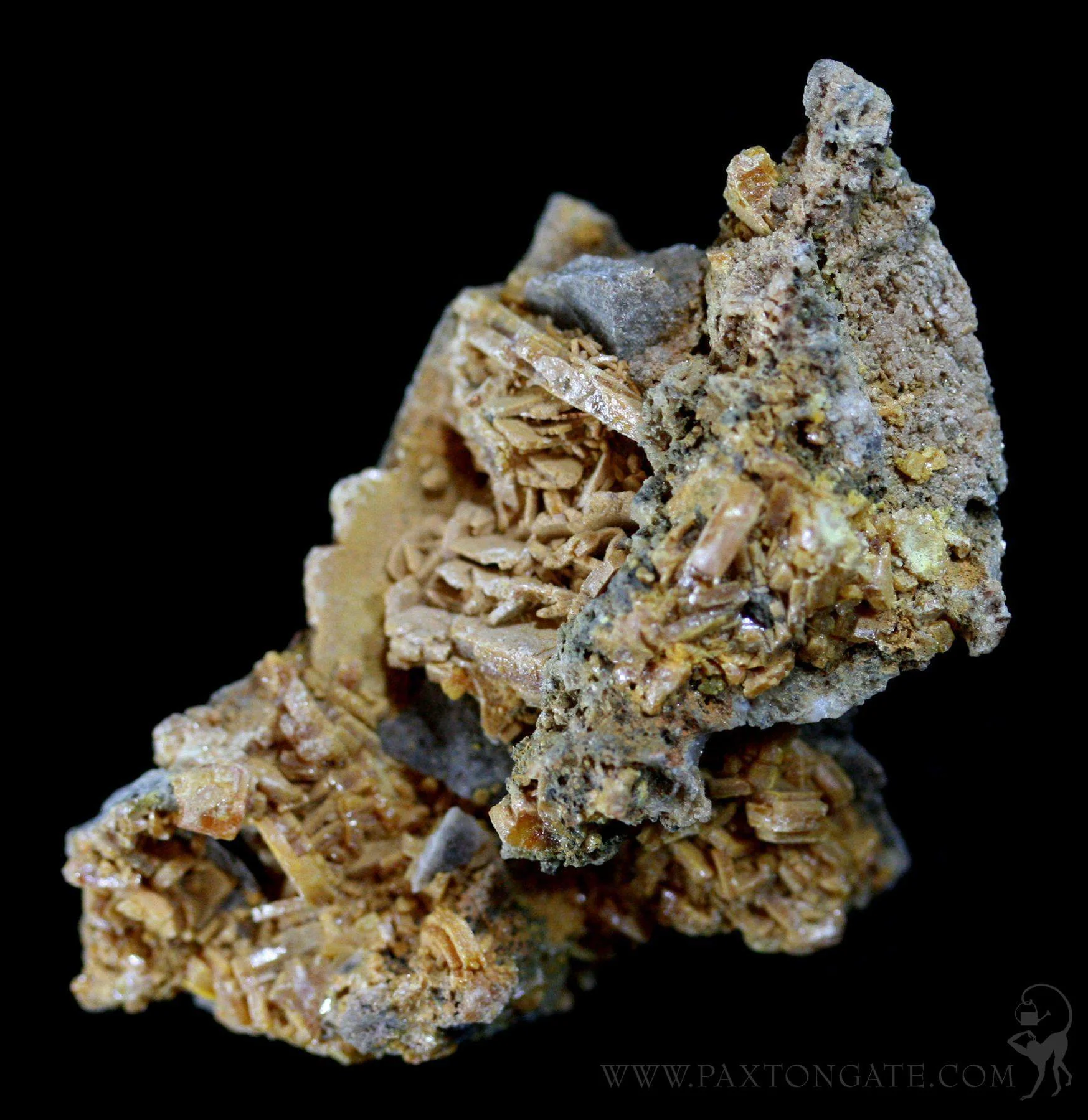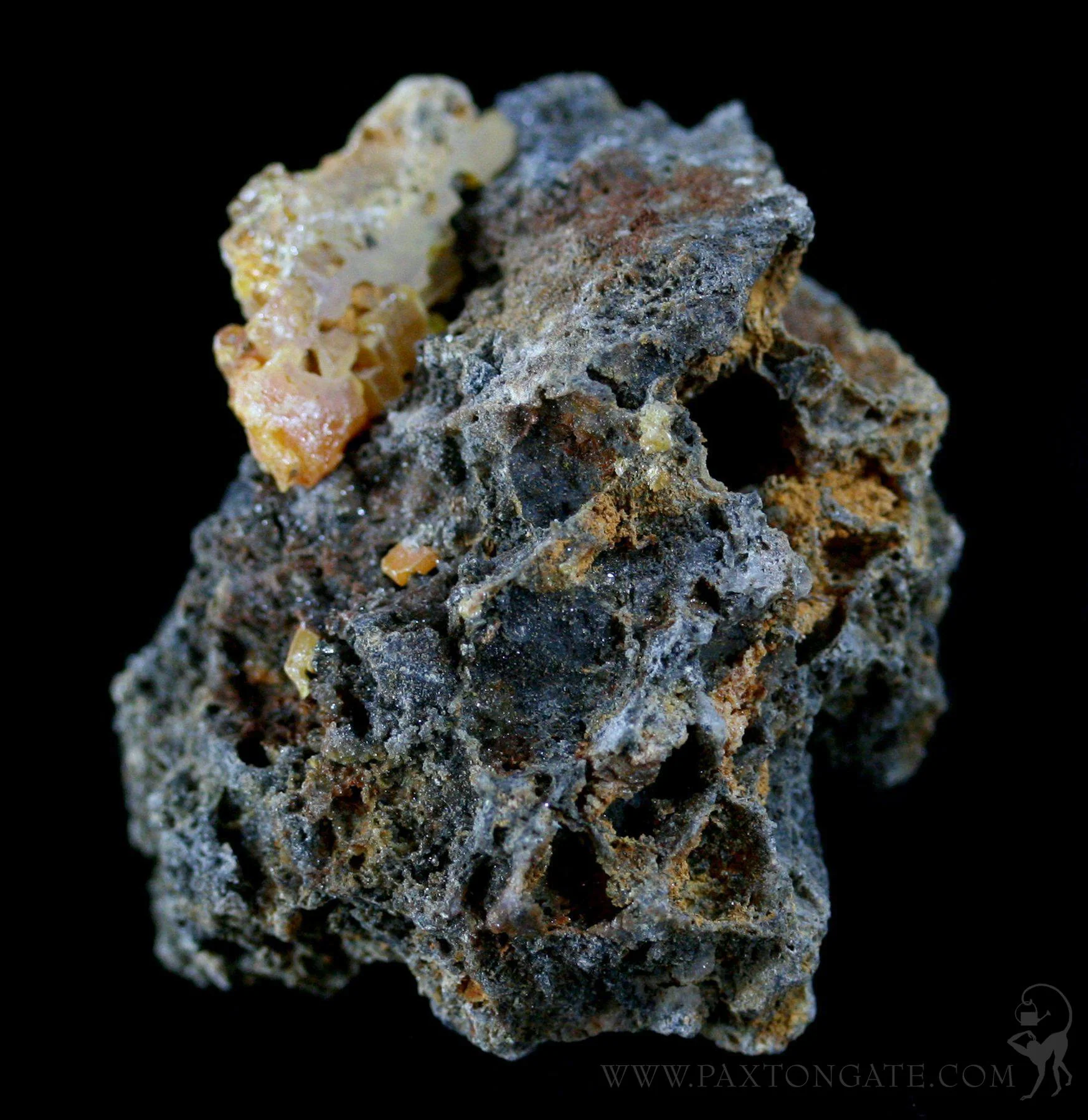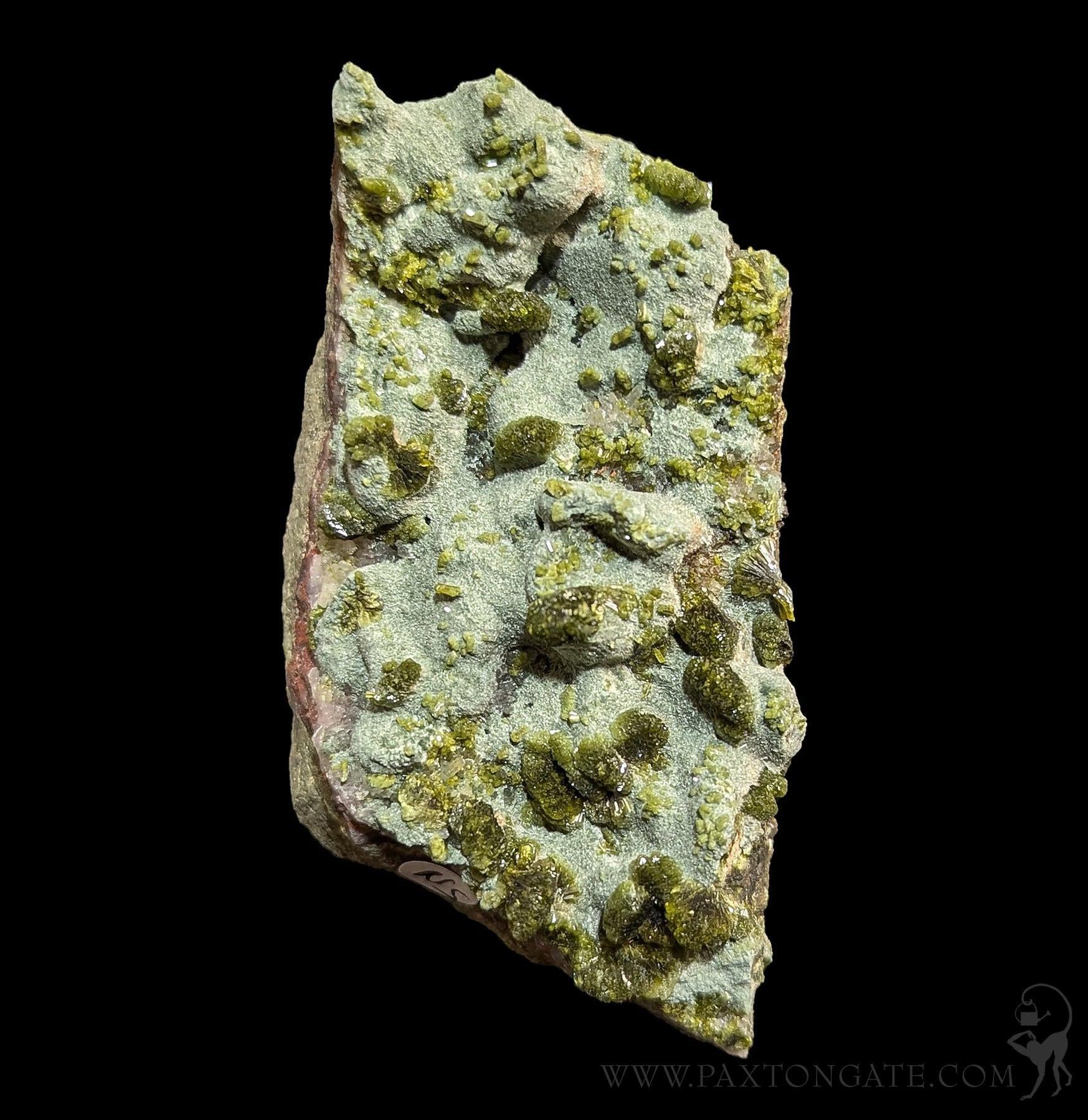
Epidote with Quartz Crystal Clusters
Sourced from Morocco
Approximately 3-4"
Epidote is a neat aluminum-iron mineral that can show up as either crystals or stones. It’s a type of silicate mineral that usually forms in metamorphosed rocks, often can be found with amphiboles, feldspars, quartz, and chlorite. Basically, it takes over other minerals that have changed due to metamorphism as you can see here with these specimens. You’ll often find it in veins cutting through granite, in massive chunks, or as monoclinic crystals in marbles and schists formed through contact metamorphism. It was first described in 1801 by R.J. Hauy and got its name from a Greek word meaning "to increase." We definitely think the epidote here has increased the coolness factor (that's the technical term) of these quartz crystals.
According to metaphysics: Epidote is all about boosting energy—whatever you’re feeling or focusing on, it amplifies. It’s great for manifestation, personal growth, and letting go of negativity. This stone helps with motivation, resilience, and deepening your spiritual connection. It’s also believed to support healing and clear energy blockages. Just be mindful of your vibes when using it since it enhances whatever’s already there! Pair it with other crystals to supercharge their effects.
Sourced from Morocco
Approximately 3-4"
Epidote is a neat aluminum-iron mineral that can show up as either crystals or stones. It’s a type of silicate mineral that usually forms in metamorphosed rocks, often can be found with amphiboles, feldspars, quartz, and chlorite. Basically, it takes over other minerals that have changed due to metamorphism as you can see here with these specimens. You’ll often find it in veins cutting through granite, in massive chunks, or as monoclinic crystals in marbles and schists formed through contact metamorphism. It was first described in 1801 by R.J. Hauy and got its name from a Greek word meaning "to increase." We definitely think the epidote here has increased the coolness factor (that's the technical term) of these quartz crystals.
According to metaphysics: Epidote is all about boosting energy—whatever you’re feeling or focusing on, it amplifies. It’s great for manifestation, personal growth, and letting go of negativity. This stone helps with motivation, resilience, and deepening your spiritual connection. It’s also believed to support healing and clear energy blockages. Just be mindful of your vibes when using it since it enhances whatever’s already there! Pair it with other crystals to supercharge their effects.
Original: $60.00
-65%$60.00
$21.00Description
Sourced from Morocco
Approximately 3-4"
Epidote is a neat aluminum-iron mineral that can show up as either crystals or stones. It’s a type of silicate mineral that usually forms in metamorphosed rocks, often can be found with amphiboles, feldspars, quartz, and chlorite. Basically, it takes over other minerals that have changed due to metamorphism as you can see here with these specimens. You’ll often find it in veins cutting through granite, in massive chunks, or as monoclinic crystals in marbles and schists formed through contact metamorphism. It was first described in 1801 by R.J. Hauy and got its name from a Greek word meaning "to increase." We definitely think the epidote here has increased the coolness factor (that's the technical term) of these quartz crystals.
According to metaphysics: Epidote is all about boosting energy—whatever you’re feeling or focusing on, it amplifies. It’s great for manifestation, personal growth, and letting go of negativity. This stone helps with motivation, resilience, and deepening your spiritual connection. It’s also believed to support healing and clear energy blockages. Just be mindful of your vibes when using it since it enhances whatever’s already there! Pair it with other crystals to supercharge their effects.