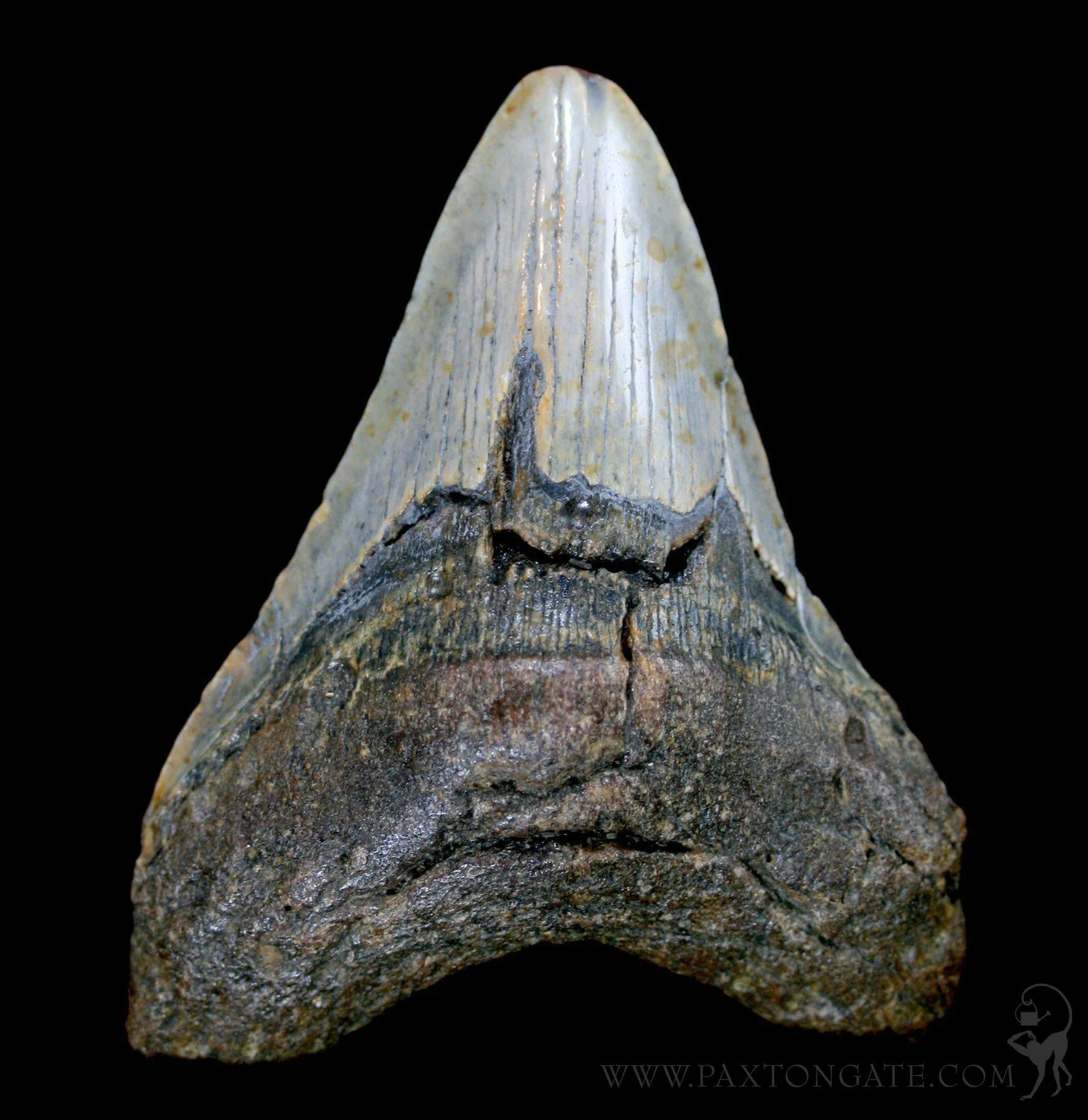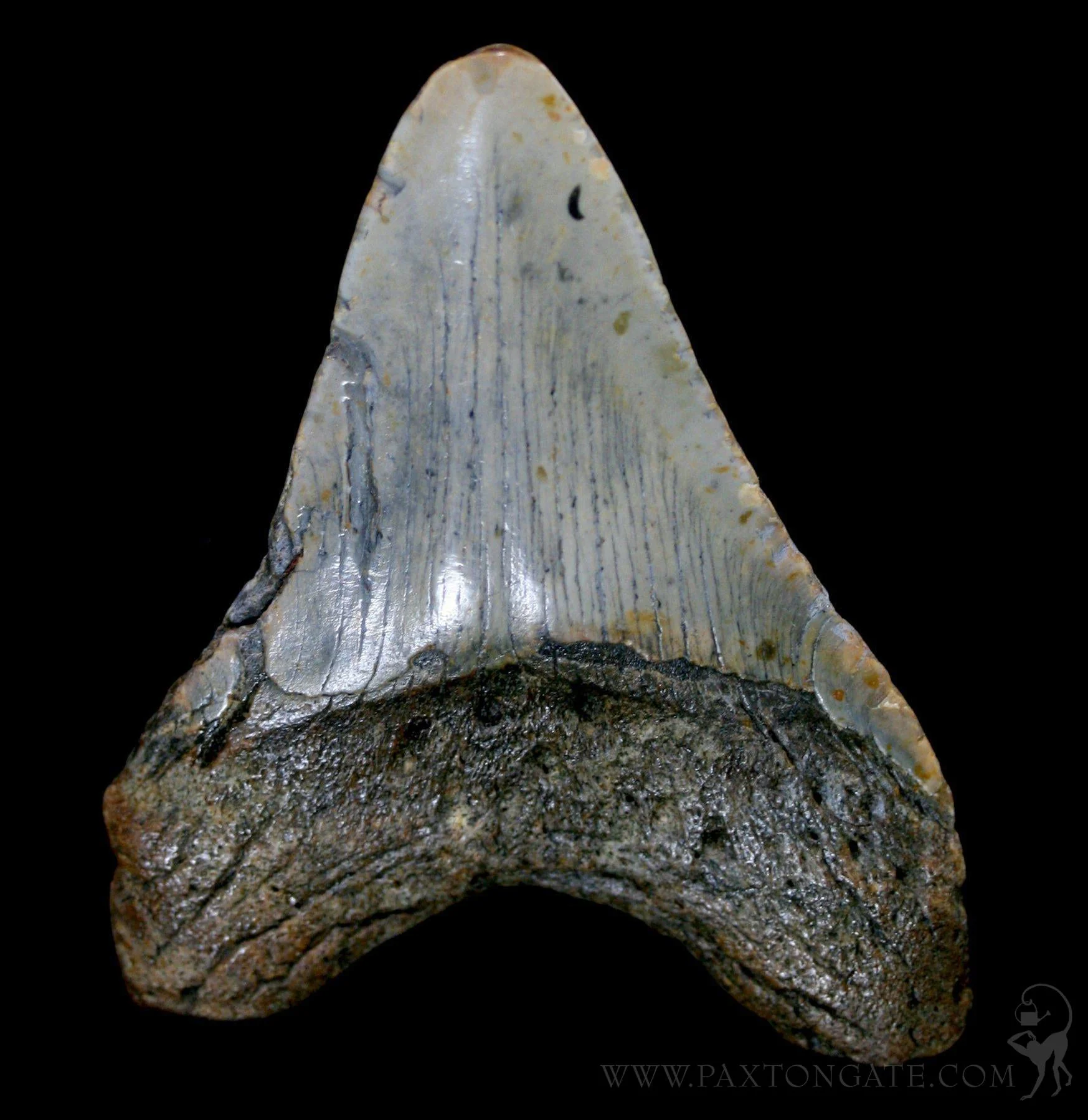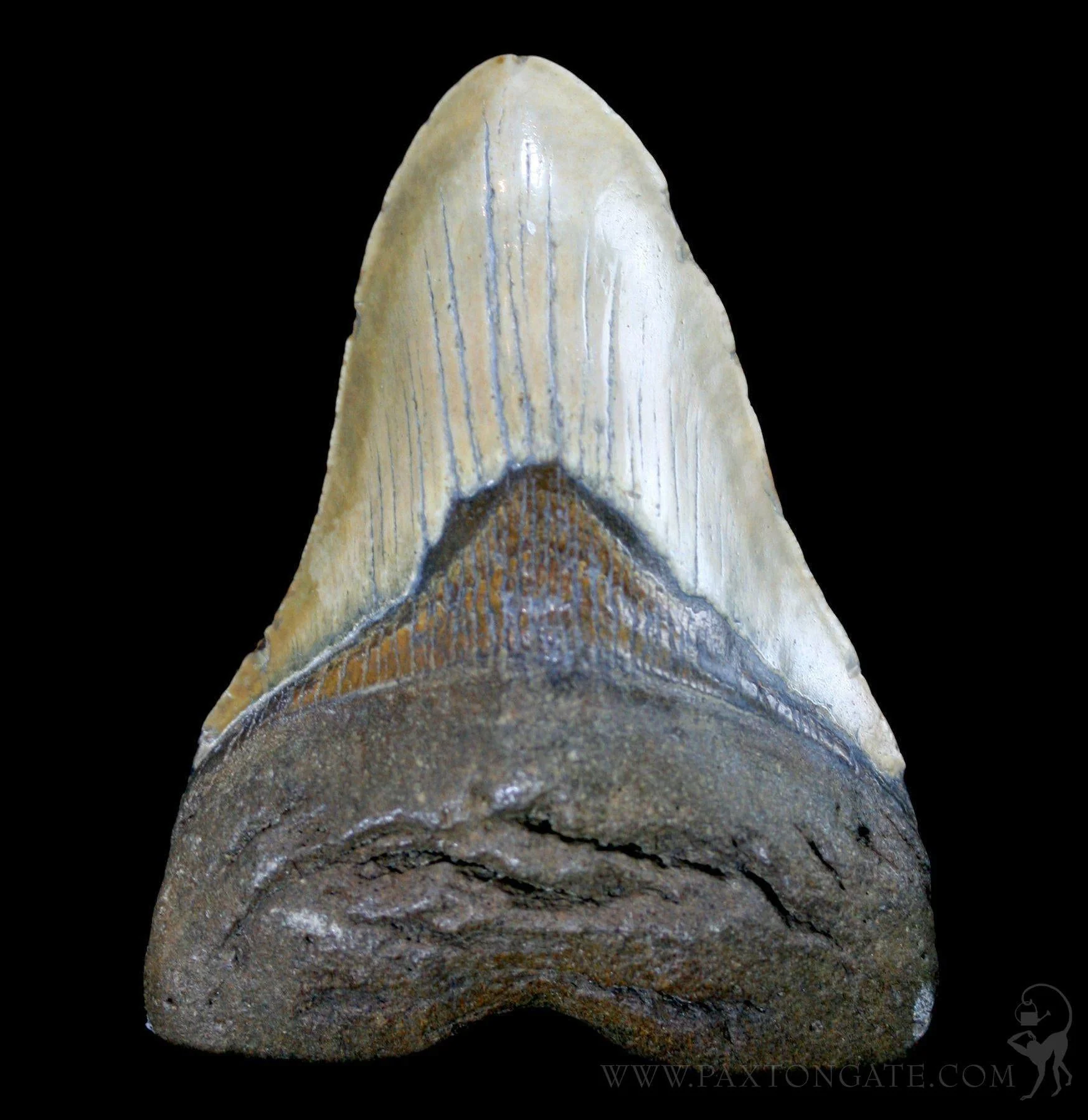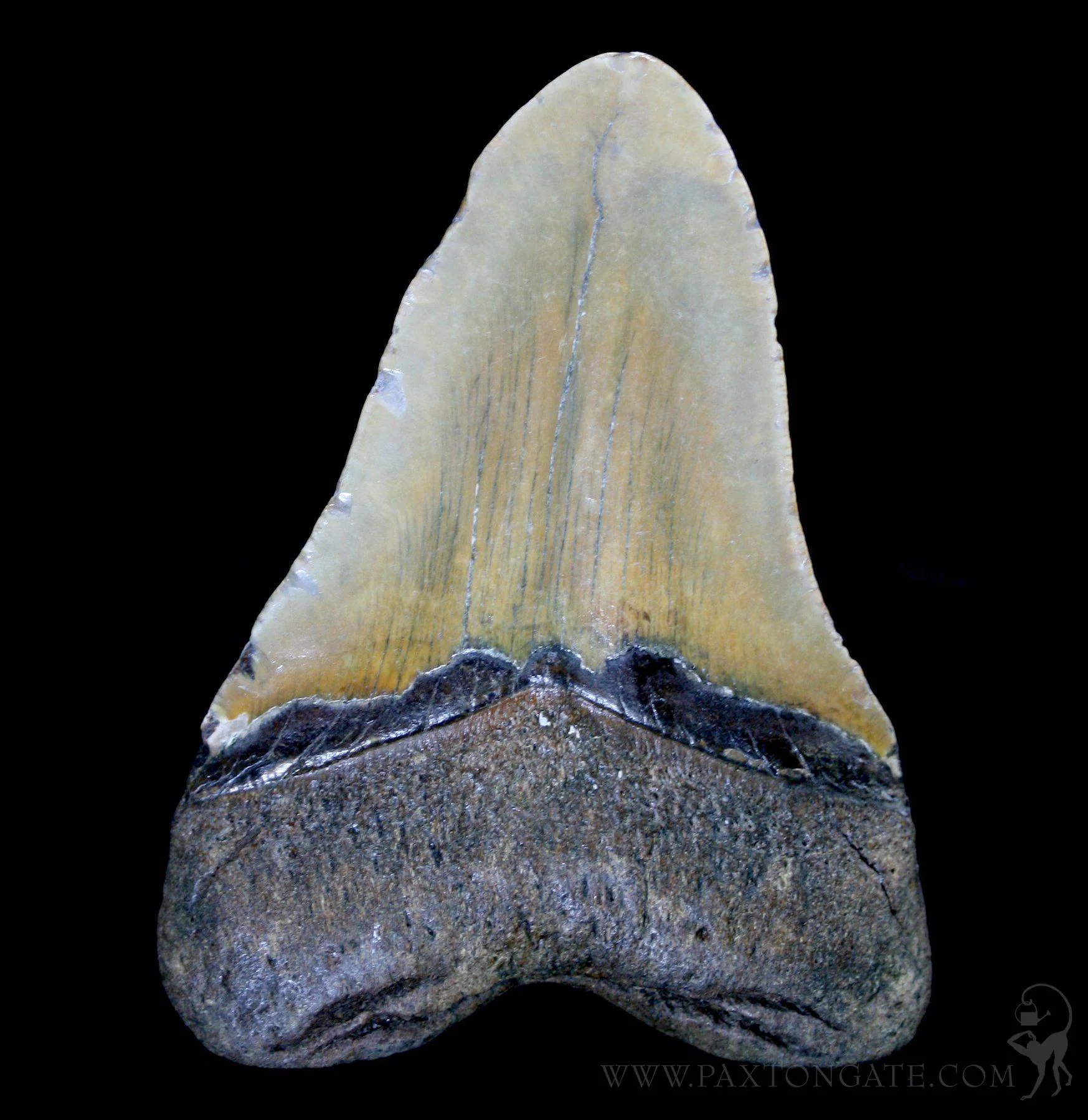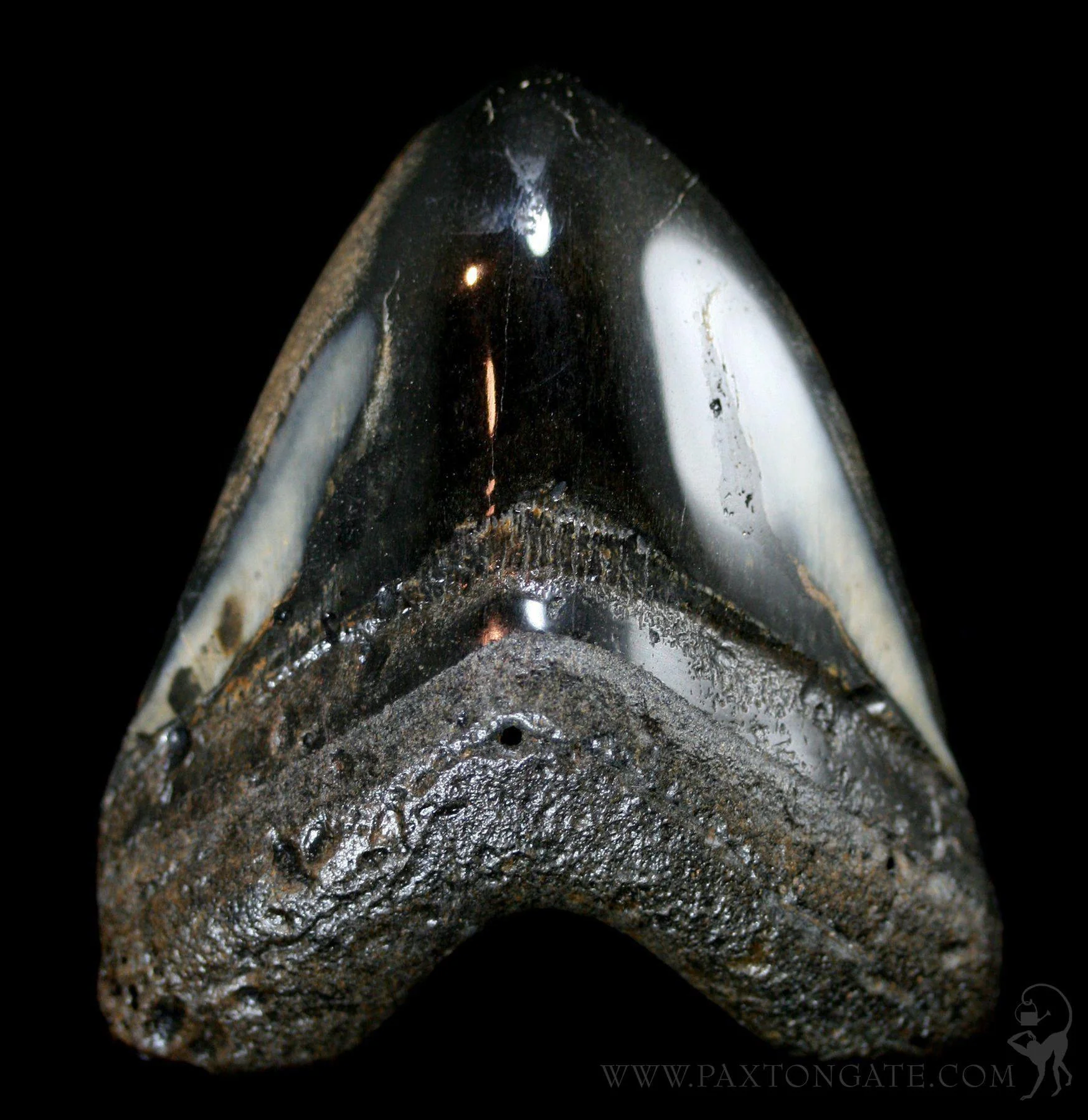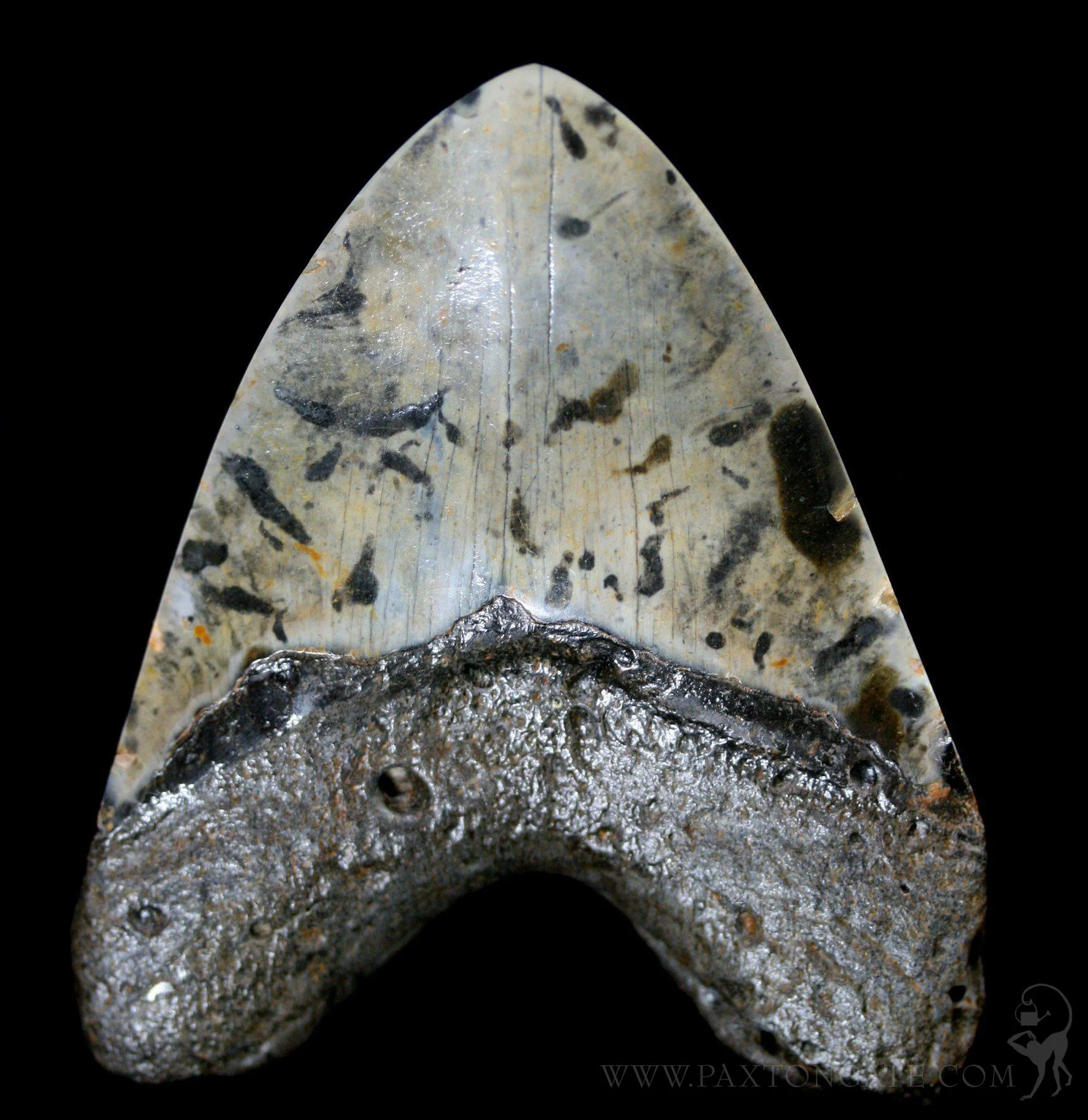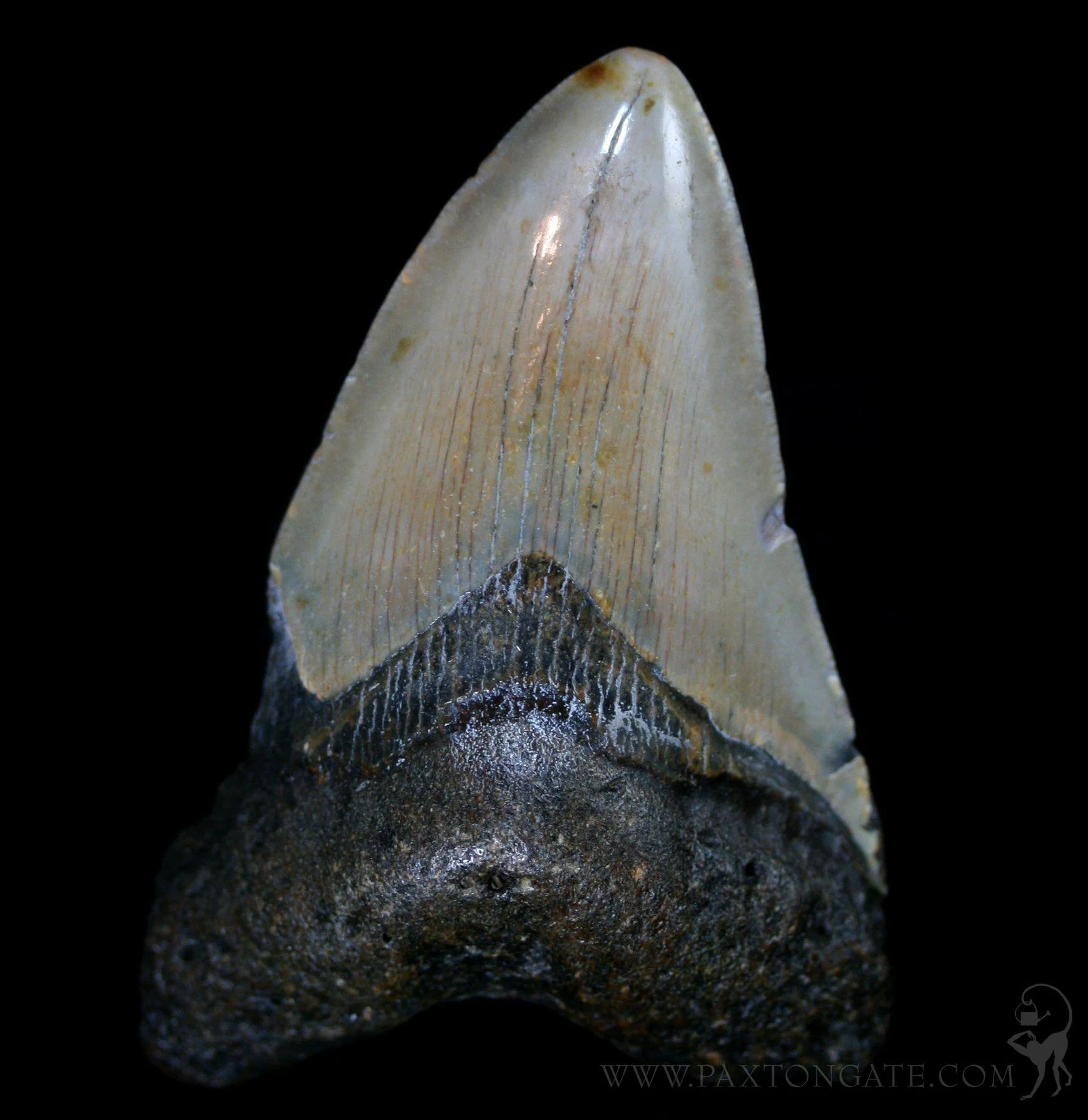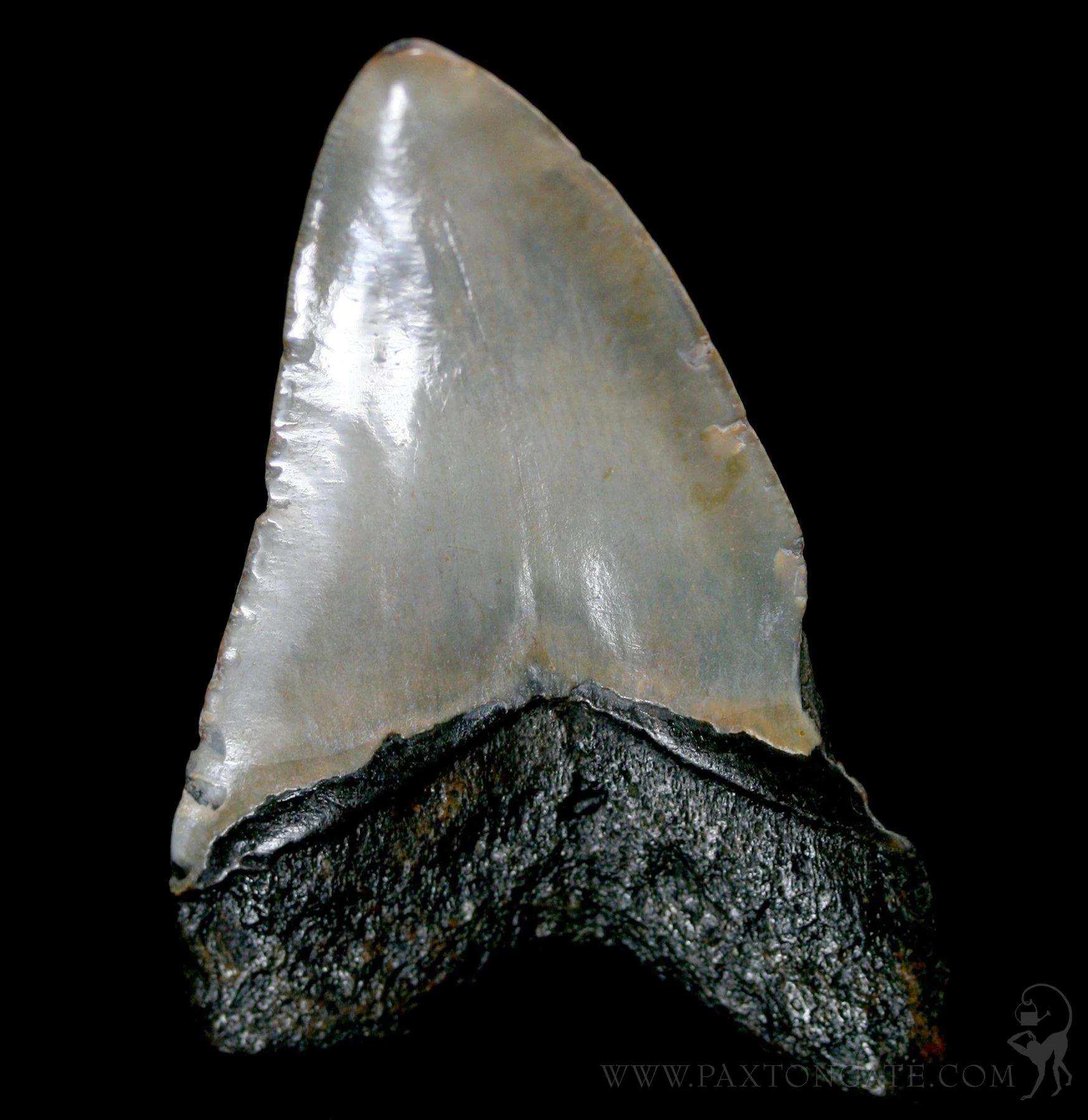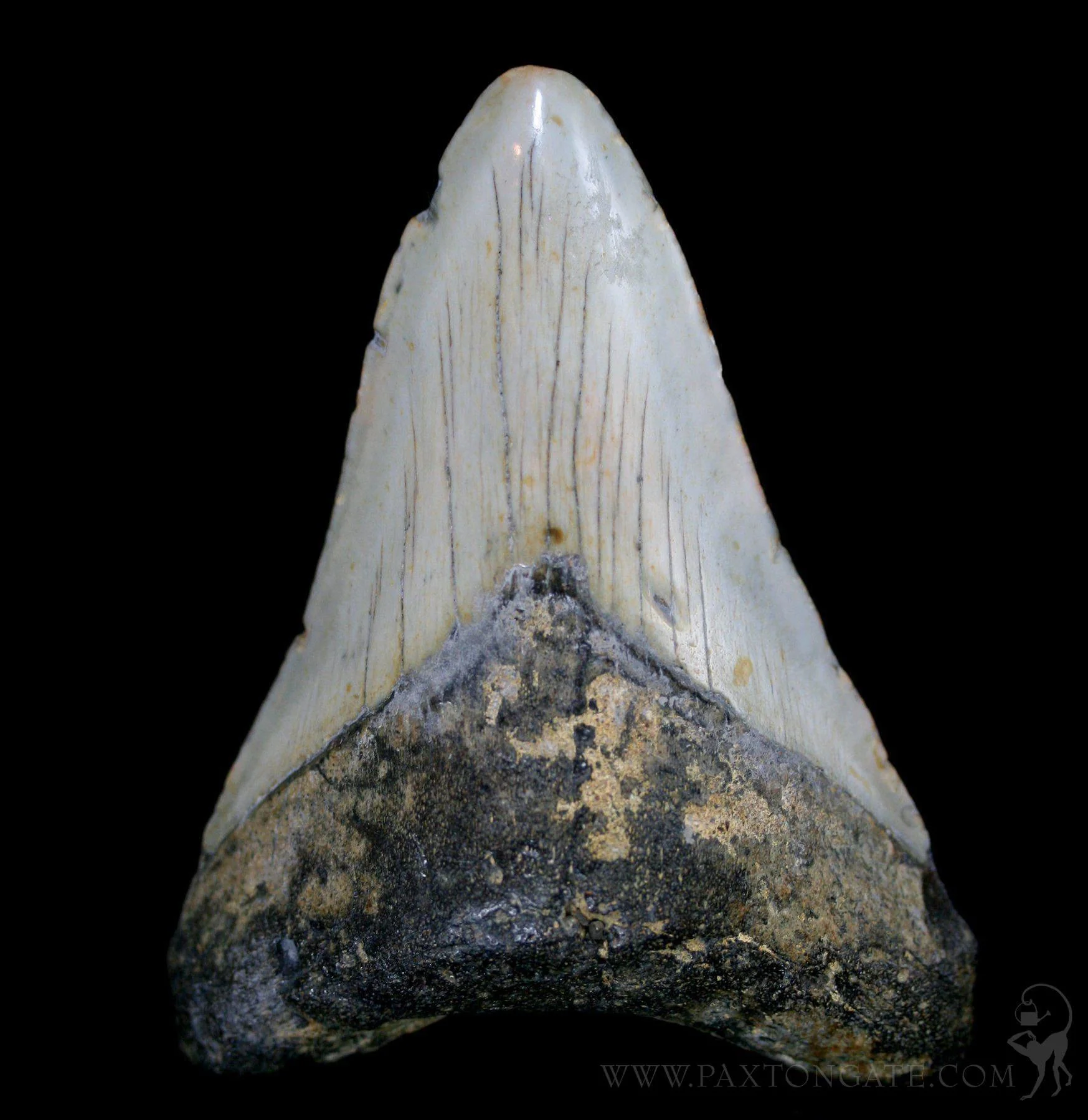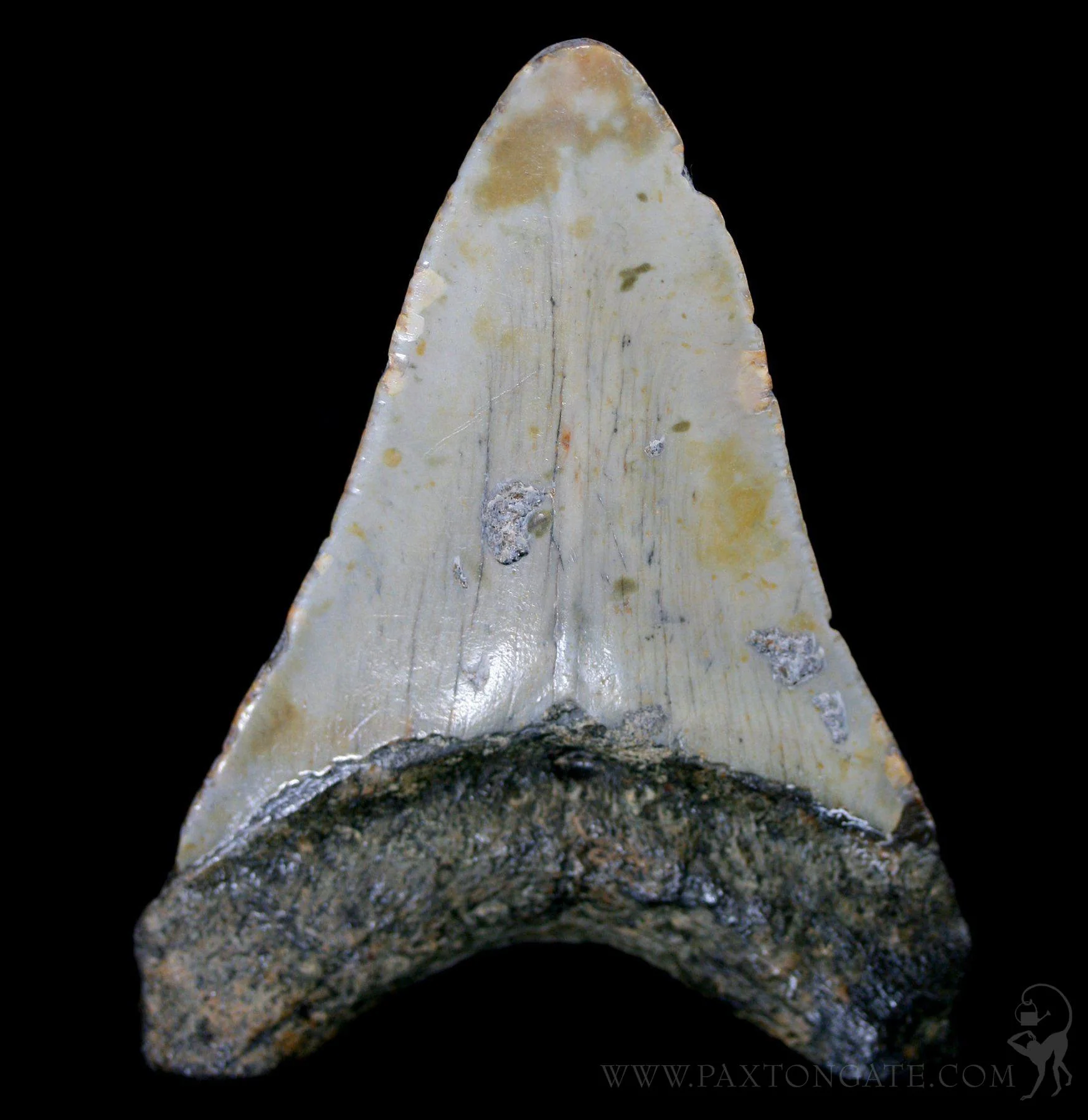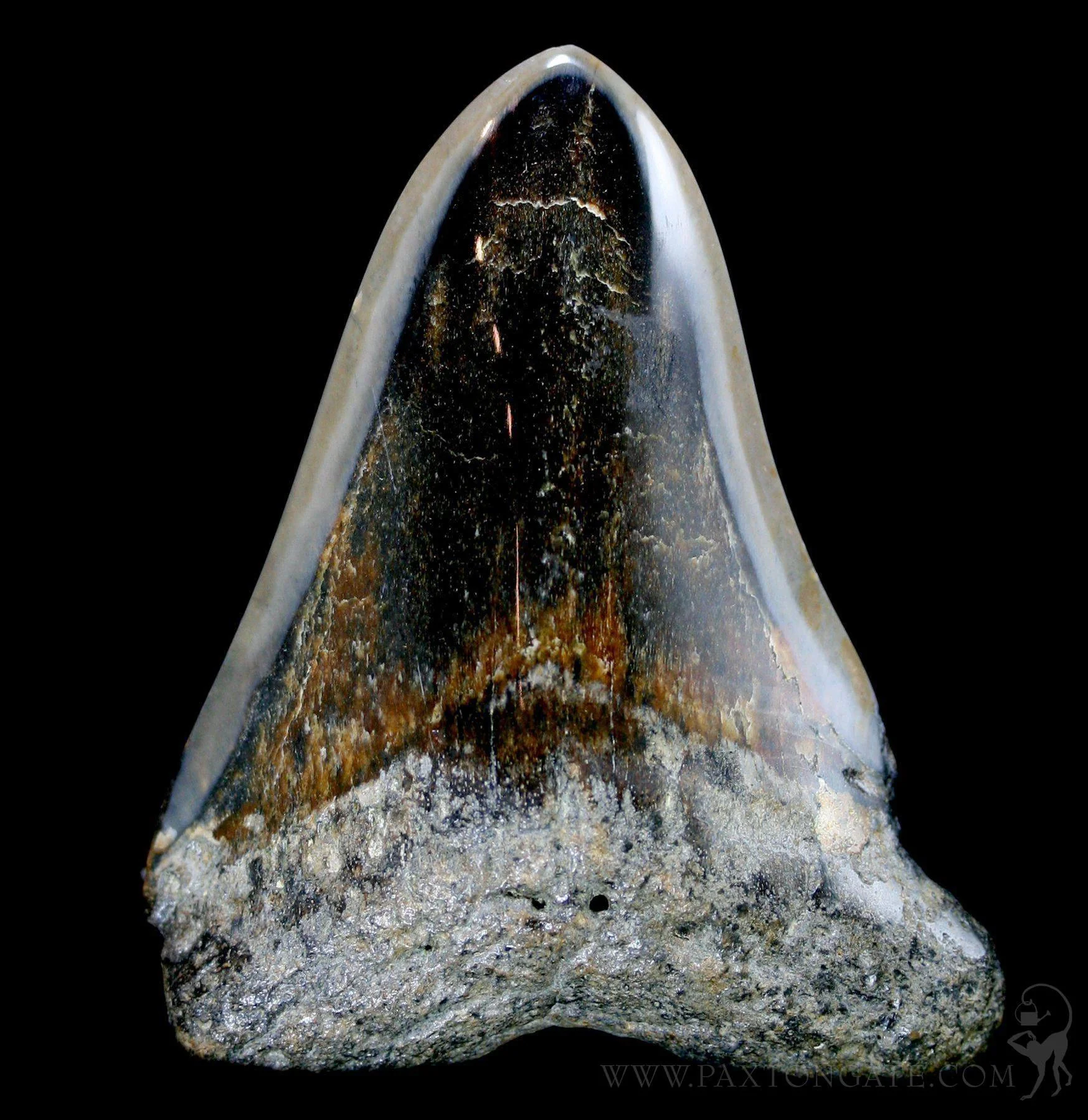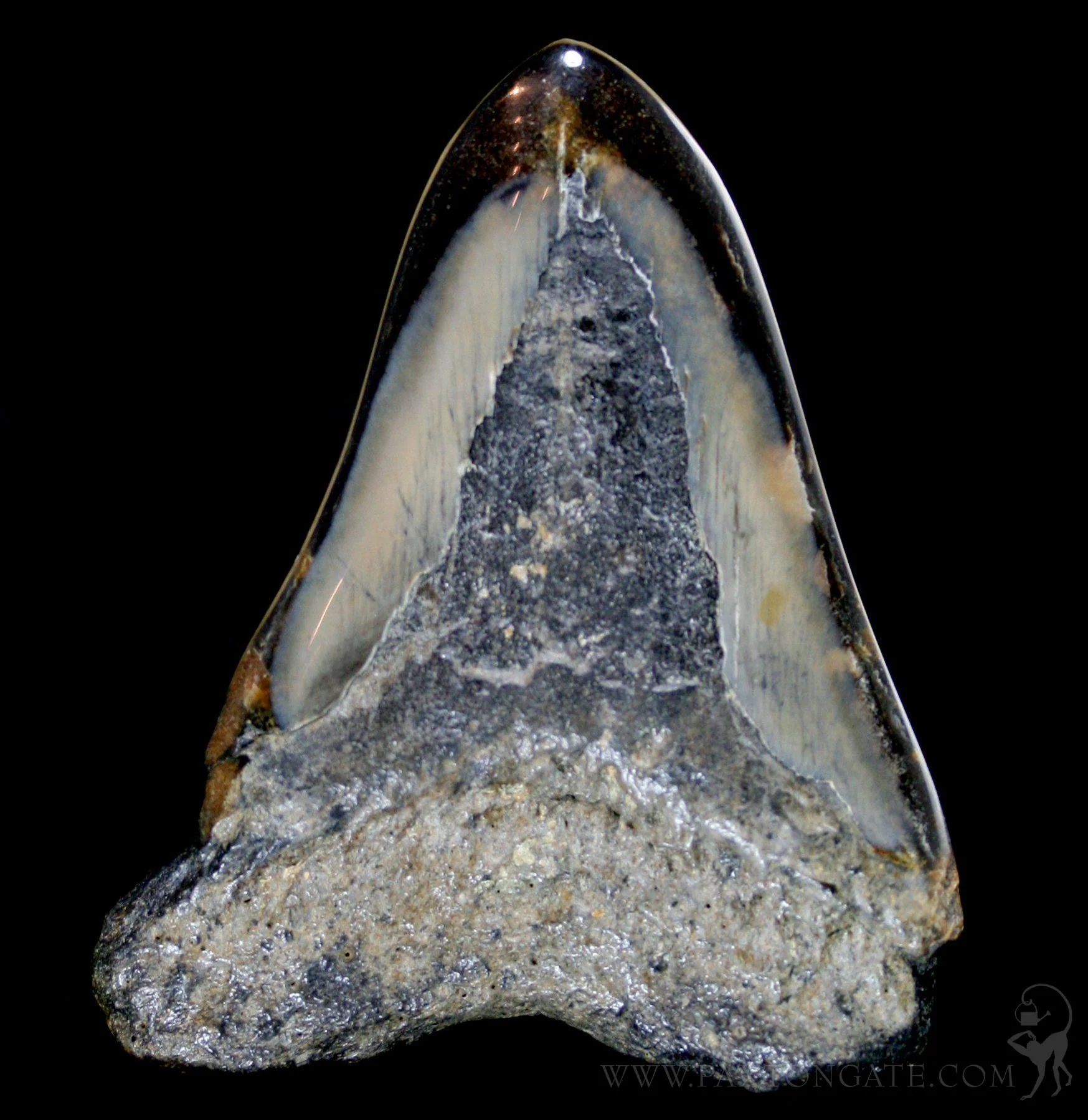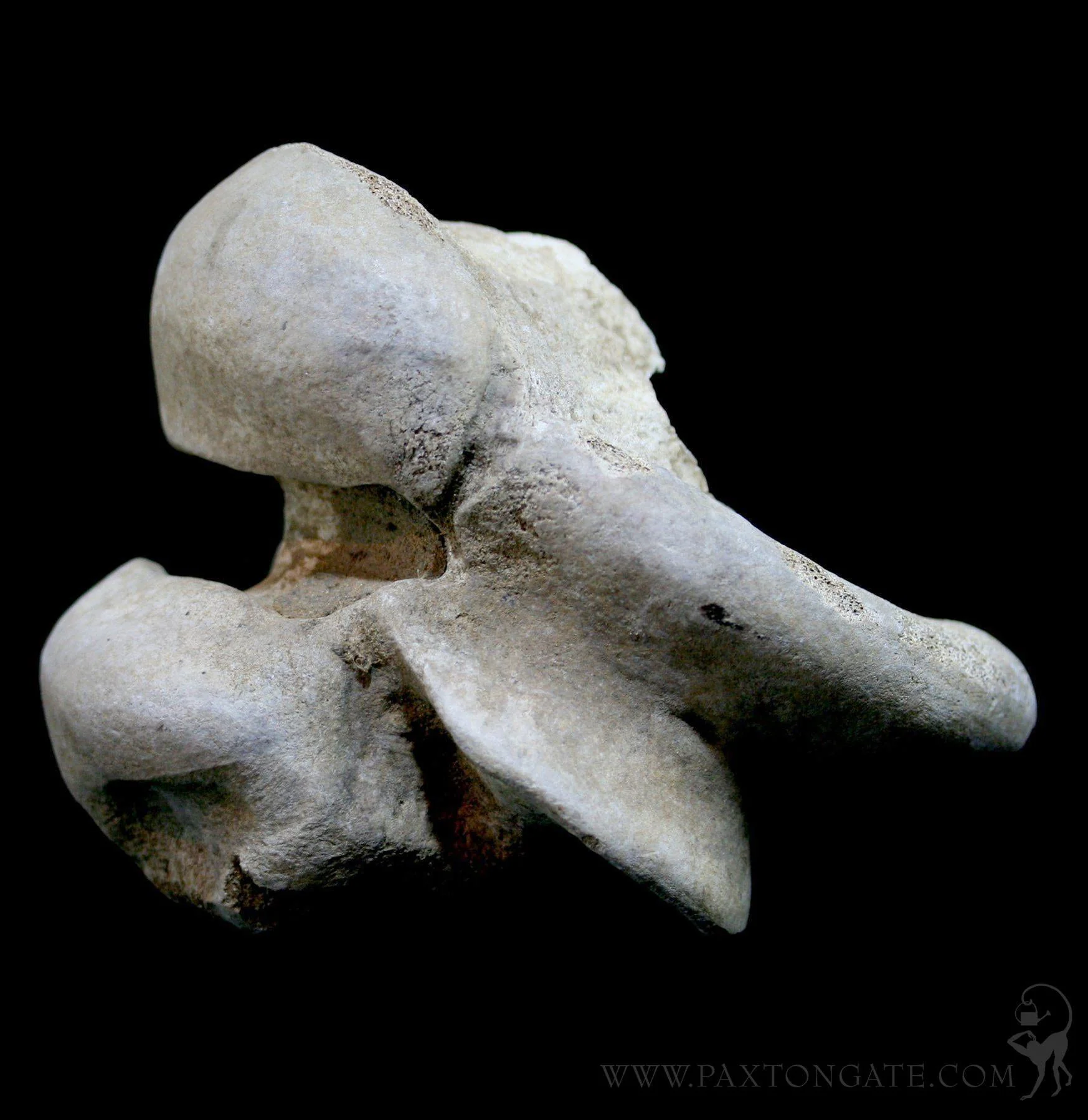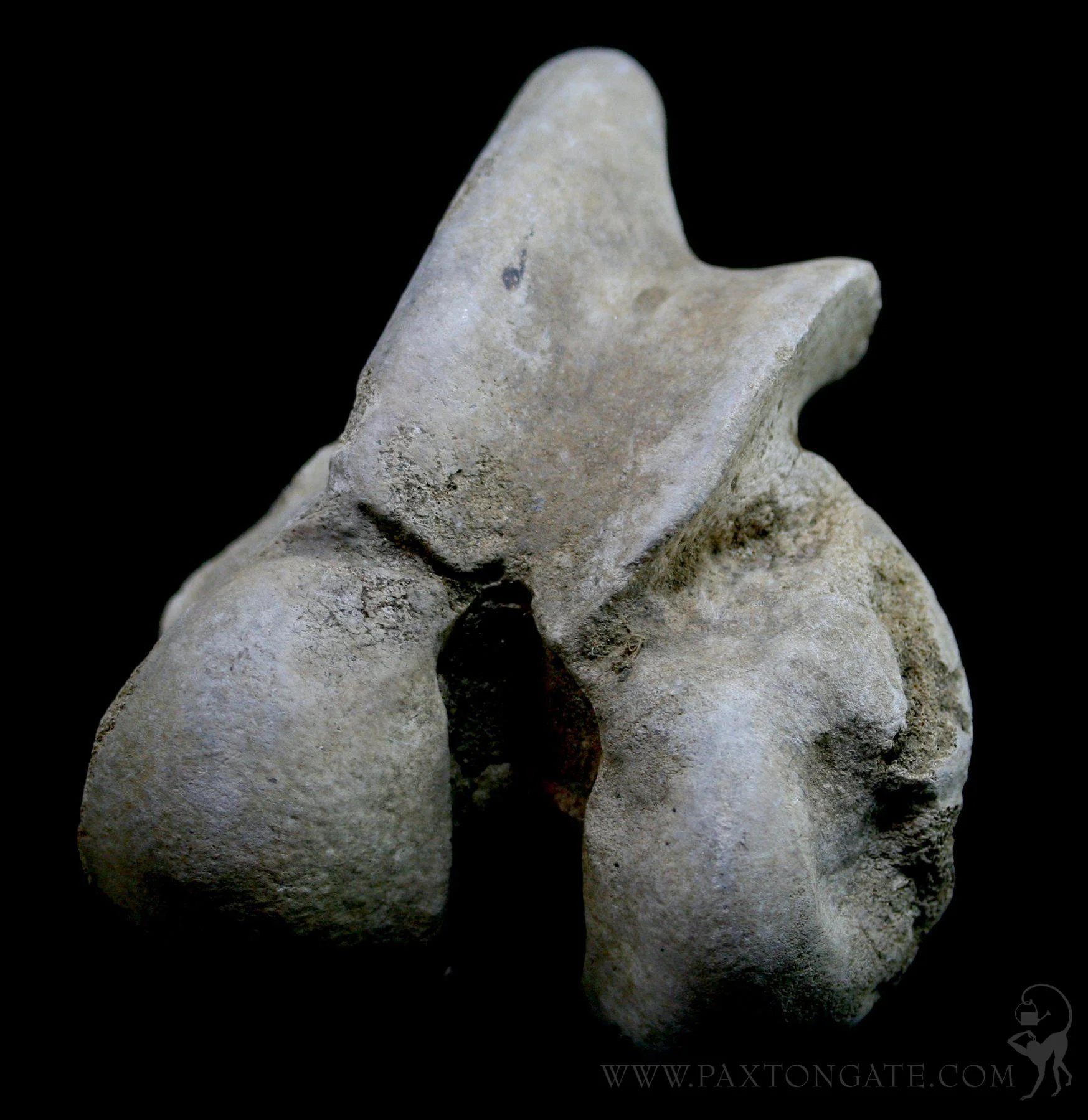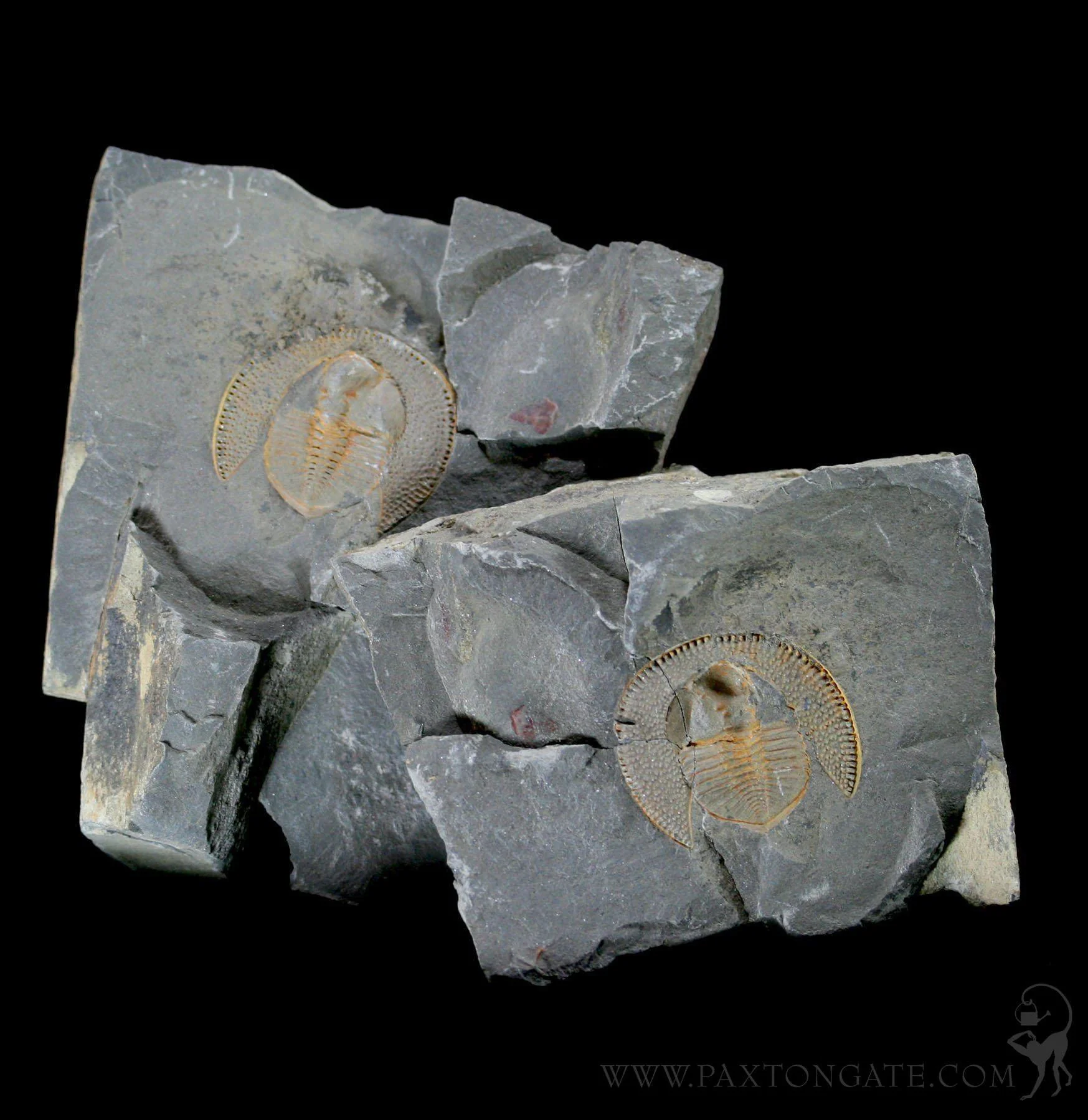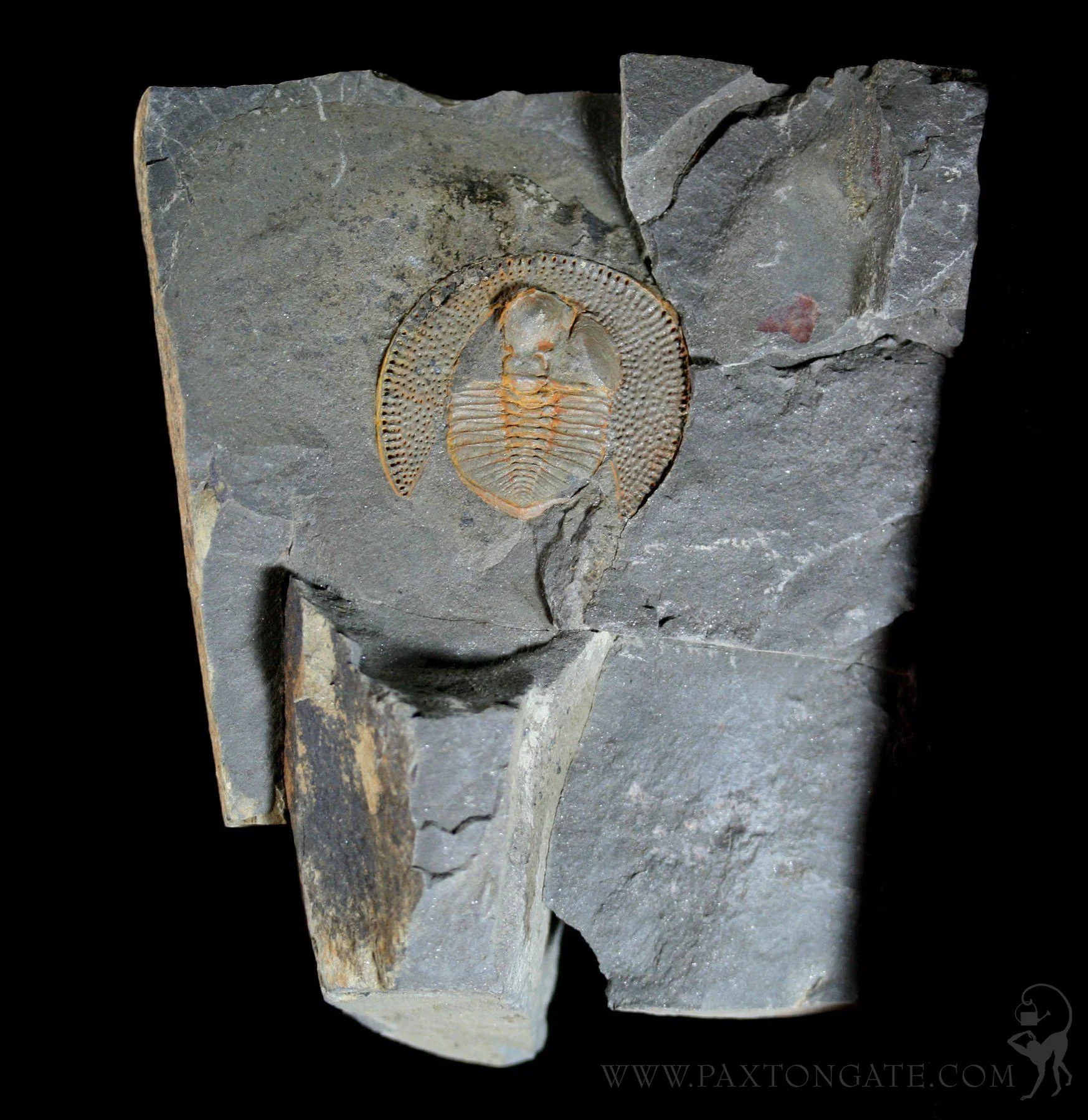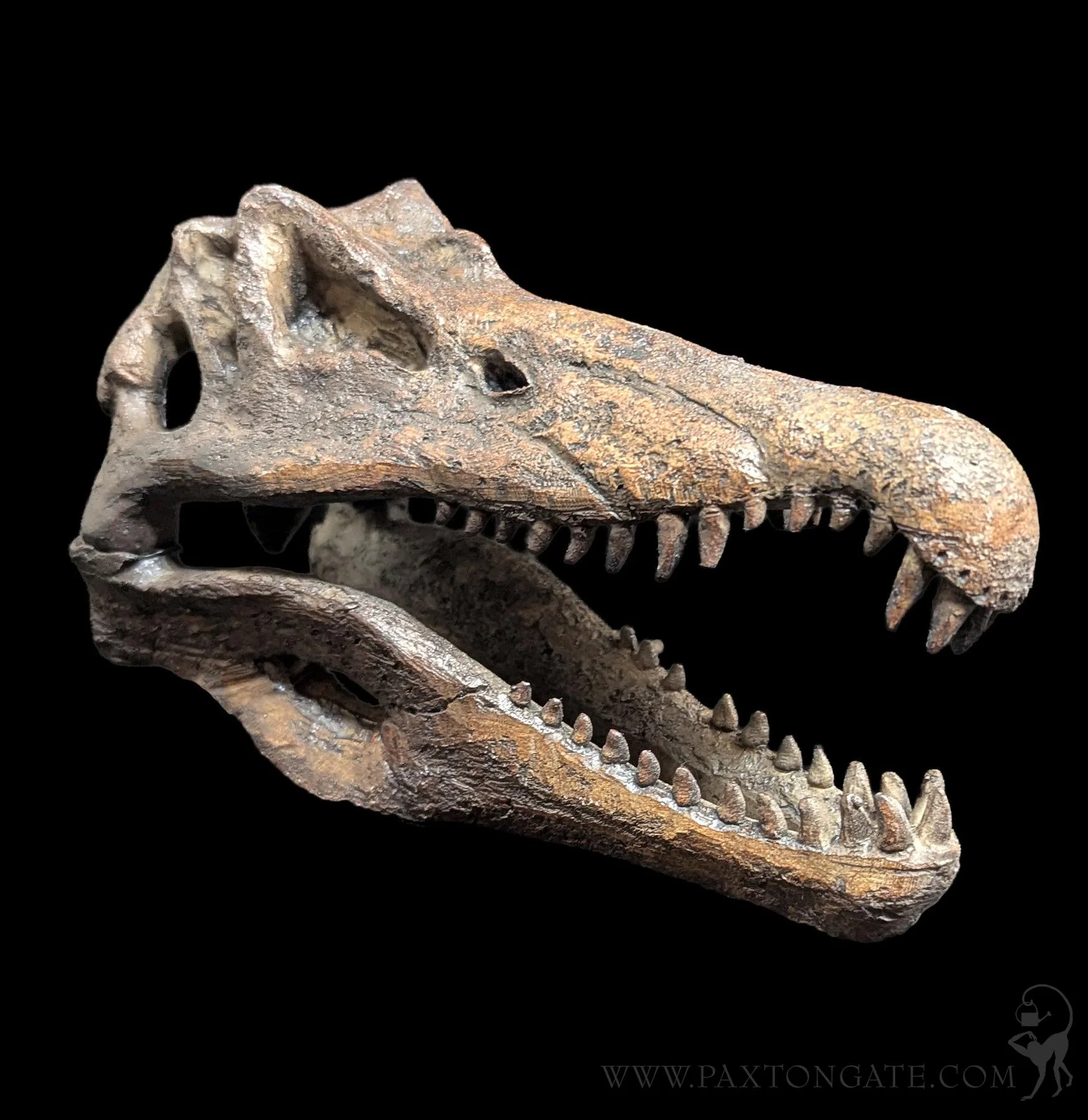
Faux Spinosaurus Mini Skull
Dimensions: 6″ x 2.5″ x 3.5″
It's also cool to have an example skull of the fossil you already own. While you could technically buy a real Spinosaurus skull, it's going to set you back $160,000. For those of us who don't have that kind of scratch lying around, these faux skulls are the perfect compromise. You get an example skull, and you don't have to take out a loan to get it. A win-win, really.
A bit about the Spinosaurus:
Spinosaurus, meaning "spine lizard," was the biggest of all the carnivorous dinosaurs, larger than Tyrannosaurus and Giganotosaurus. It lived during part of the Cretaceous period, about 112 to 97 million years ago, and even appeared in Jurassic Park 3! Spinosaurus was ready for Hollywood before it was cool.
Recent fossil evidence shows that Spinosaurus was the first dinosaur able to swim and likely spent most of its life in the water. It is thought to have survived primarily on fish, including giant coelacanths, sawfish, large lungfish, and sharks, which lived in the dinosaur's river system. Its long, pointed teeth were perfect for snatching up slippery aquatic creatures with very little chance of escape.
Very few Spinosaurus fossils have been discovered, and no complete remains have been found. The first partial skeleton was unearthed in 1912, but it was later destroyed during an Allied bombing raid on Munich, Germany, during World War II. Needless to say, Spinosaurus has a very long and colorful history, which makes this fossil that much more special.
Dimensions: 6″ x 2.5″ x 3.5″
It's also cool to have an example skull of the fossil you already own. While you could technically buy a real Spinosaurus skull, it's going to set you back $160,000. For those of us who don't have that kind of scratch lying around, these faux skulls are the perfect compromise. You get an example skull, and you don't have to take out a loan to get it. A win-win, really.
A bit about the Spinosaurus:
Spinosaurus, meaning "spine lizard," was the biggest of all the carnivorous dinosaurs, larger than Tyrannosaurus and Giganotosaurus. It lived during part of the Cretaceous period, about 112 to 97 million years ago, and even appeared in Jurassic Park 3! Spinosaurus was ready for Hollywood before it was cool.
Recent fossil evidence shows that Spinosaurus was the first dinosaur able to swim and likely spent most of its life in the water. It is thought to have survived primarily on fish, including giant coelacanths, sawfish, large lungfish, and sharks, which lived in the dinosaur's river system. Its long, pointed teeth were perfect for snatching up slippery aquatic creatures with very little chance of escape.
Very few Spinosaurus fossils have been discovered, and no complete remains have been found. The first partial skeleton was unearthed in 1912, but it was later destroyed during an Allied bombing raid on Munich, Germany, during World War II. Needless to say, Spinosaurus has a very long and colorful history, which makes this fossil that much more special.
Description
Dimensions: 6″ x 2.5″ x 3.5″
It's also cool to have an example skull of the fossil you already own. While you could technically buy a real Spinosaurus skull, it's going to set you back $160,000. For those of us who don't have that kind of scratch lying around, these faux skulls are the perfect compromise. You get an example skull, and you don't have to take out a loan to get it. A win-win, really.
A bit about the Spinosaurus:
Spinosaurus, meaning "spine lizard," was the biggest of all the carnivorous dinosaurs, larger than Tyrannosaurus and Giganotosaurus. It lived during part of the Cretaceous period, about 112 to 97 million years ago, and even appeared in Jurassic Park 3! Spinosaurus was ready for Hollywood before it was cool.
Recent fossil evidence shows that Spinosaurus was the first dinosaur able to swim and likely spent most of its life in the water. It is thought to have survived primarily on fish, including giant coelacanths, sawfish, large lungfish, and sharks, which lived in the dinosaur's river system. Its long, pointed teeth were perfect for snatching up slippery aquatic creatures with very little chance of escape.
Very few Spinosaurus fossils have been discovered, and no complete remains have been found. The first partial skeleton was unearthed in 1912, but it was later destroyed during an Allied bombing raid on Munich, Germany, during World War II. Needless to say, Spinosaurus has a very long and colorful history, which makes this fossil that much more special.