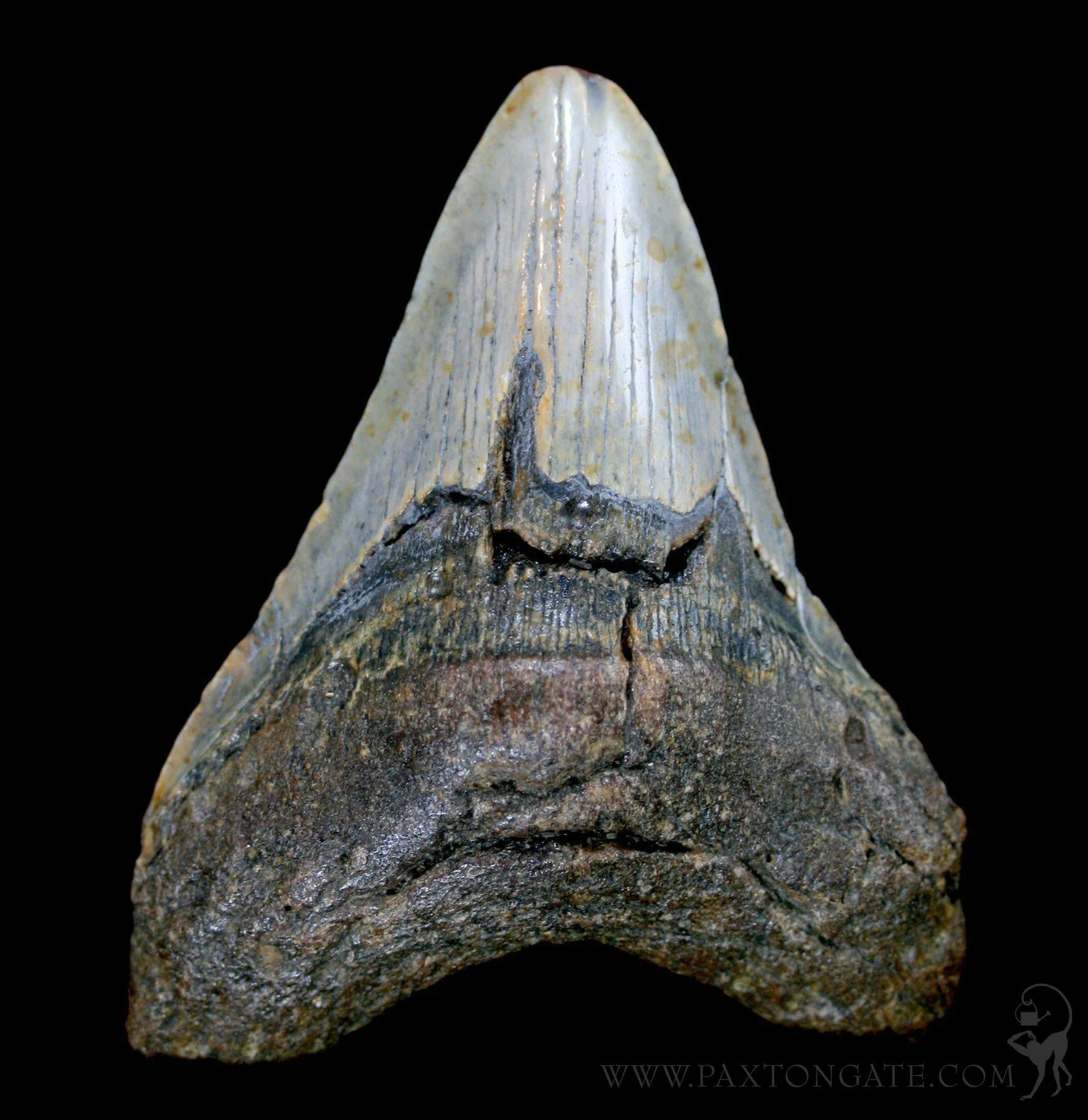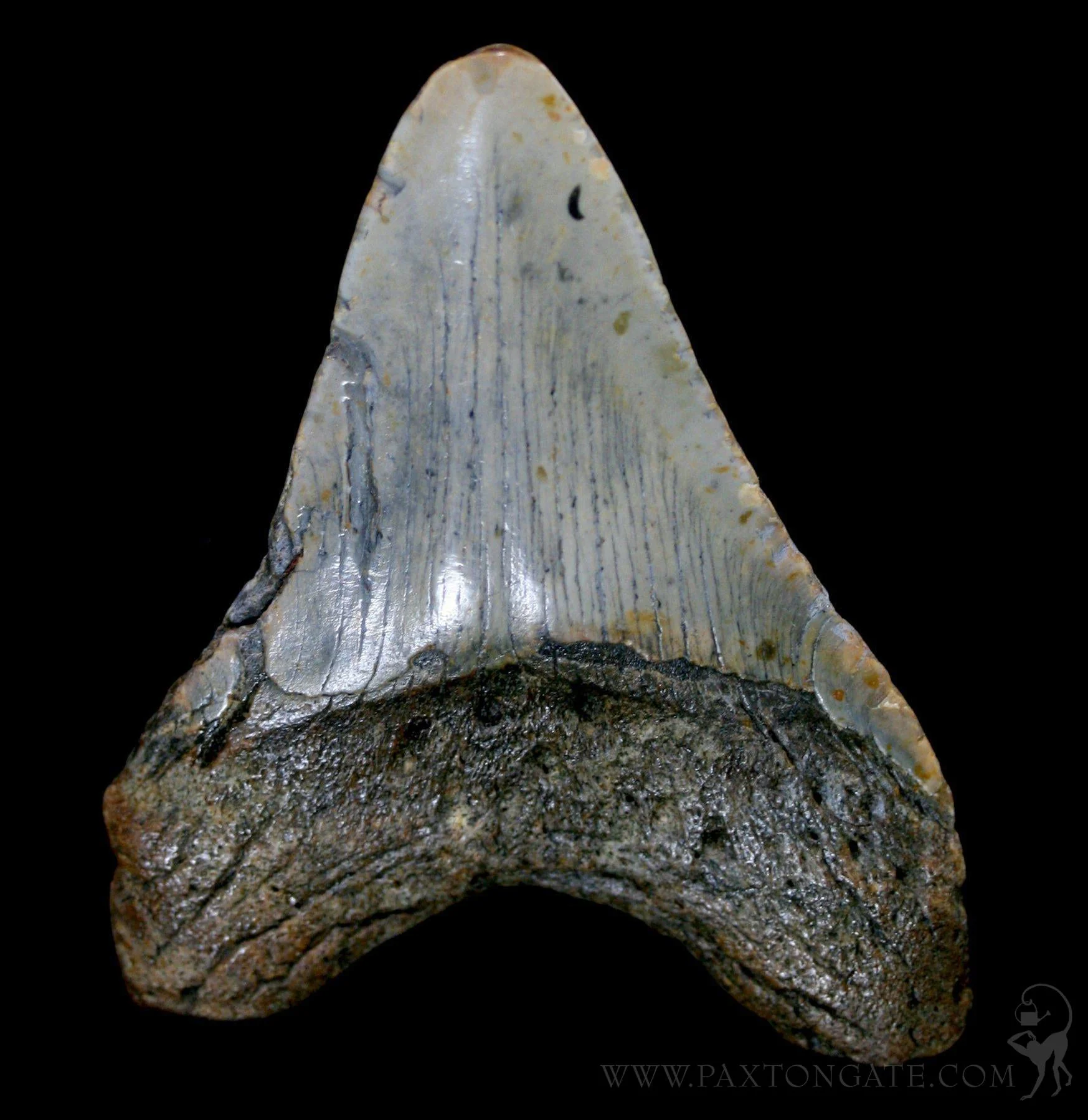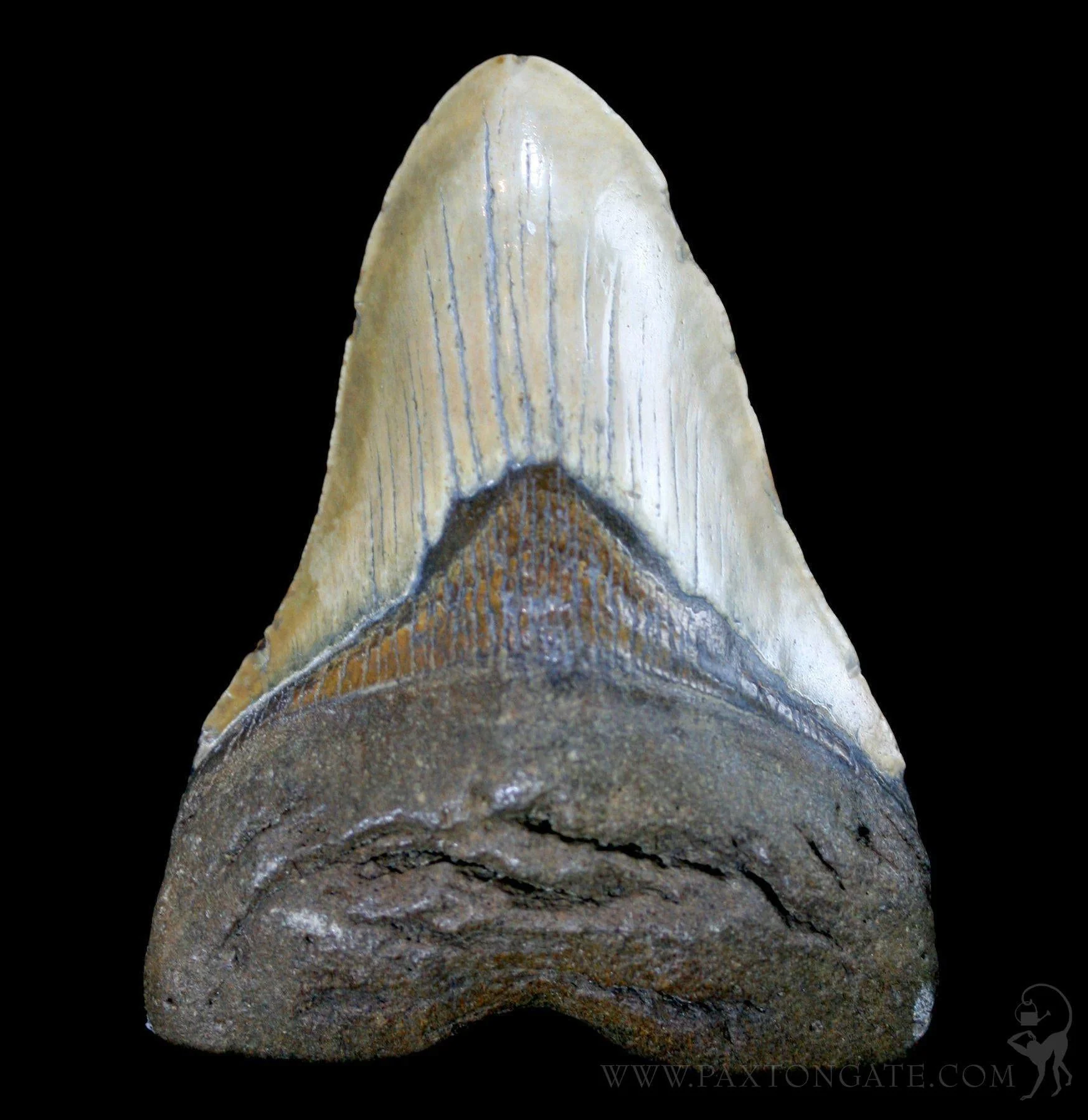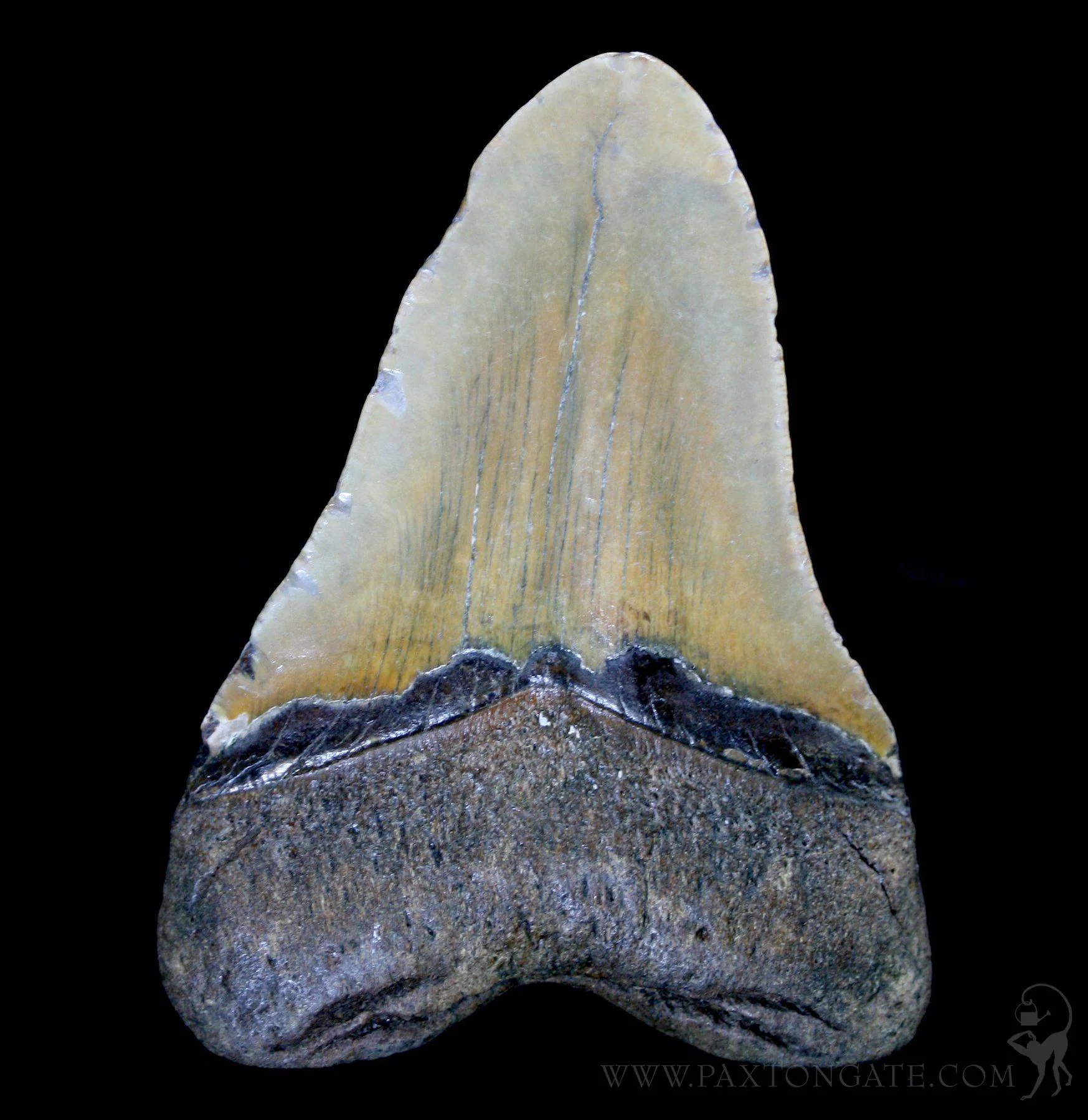
Fulgurite Lightning Glass Specimen B
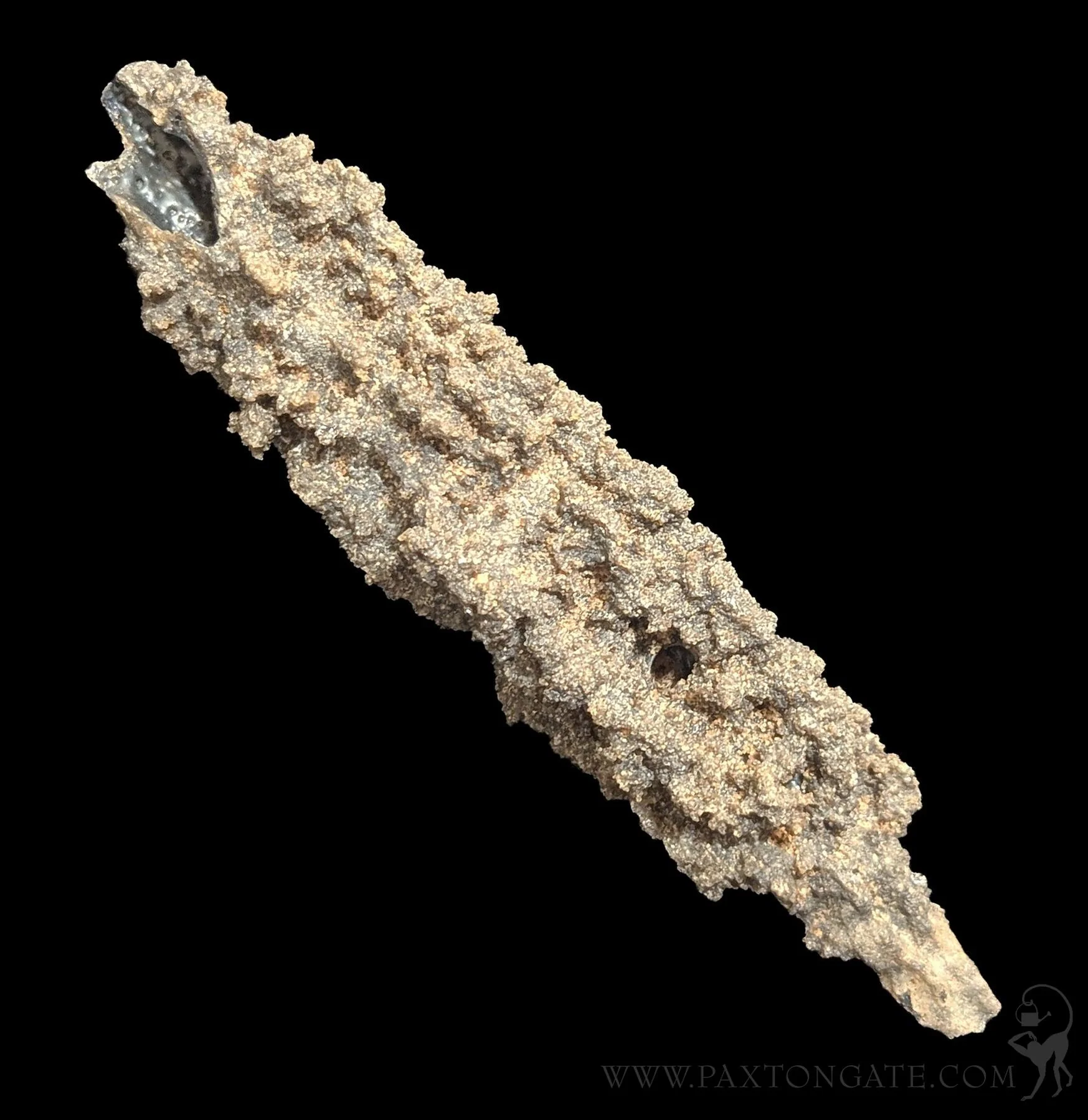
Approximately 7x1.5"
This fulgurite, also known as Lightning Glass, is one of the biggest we've ever carried. Not only is it incredibly impressive, but it's also hollow! But what is a fulgurite?
Have you ever wondered what the Earth looks like once it’s struck by lightning? Great news! The answer is right here. Fulgurite (derived from the Latin word “fulgur,” meaning lightning) is the result of lightning striking sand. The strike melts the silica (quartz) instantly and creates these natural tubes. Their shape mimics the path of the lightning bolt as it disperses into the ground. All lightning strikes that hit the ground are capable of forming fulgurites. A temperature of 1800 degrees Celsius is required to instantaneously melt sand and form a fulgurite. Carry one with you to benefit from the old wives’ tale that lightning never strikes the same spot twice!
Approximately 7x1.5"
This fulgurite, also known as Lightning Glass, is one of the biggest we've ever carried. Not only is it incredibly impressive, but it's also hollow! But what is a fulgurite?
Have you ever wondered what the Earth looks like once it’s struck by lightning? Great news! The answer is right here. Fulgurite (derived from the Latin word “fulgur,” meaning lightning) is the result of lightning striking sand. The strike melts the silica (quartz) instantly and creates these natural tubes. Their shape mimics the path of the lightning bolt as it disperses into the ground. All lightning strikes that hit the ground are capable of forming fulgurites. A temperature of 1800 degrees Celsius is required to instantaneously melt sand and form a fulgurite. Carry one with you to benefit from the old wives’ tale that lightning never strikes the same spot twice!
Original: $389.00
-65%$389.00
$136.15Description
Approximately 7x1.5"
This fulgurite, also known as Lightning Glass, is one of the biggest we've ever carried. Not only is it incredibly impressive, but it's also hollow! But what is a fulgurite?
Have you ever wondered what the Earth looks like once it’s struck by lightning? Great news! The answer is right here. Fulgurite (derived from the Latin word “fulgur,” meaning lightning) is the result of lightning striking sand. The strike melts the silica (quartz) instantly and creates these natural tubes. Their shape mimics the path of the lightning bolt as it disperses into the ground. All lightning strikes that hit the ground are capable of forming fulgurites. A temperature of 1800 degrees Celsius is required to instantaneously melt sand and form a fulgurite. Carry one with you to benefit from the old wives’ tale that lightning never strikes the same spot twice!