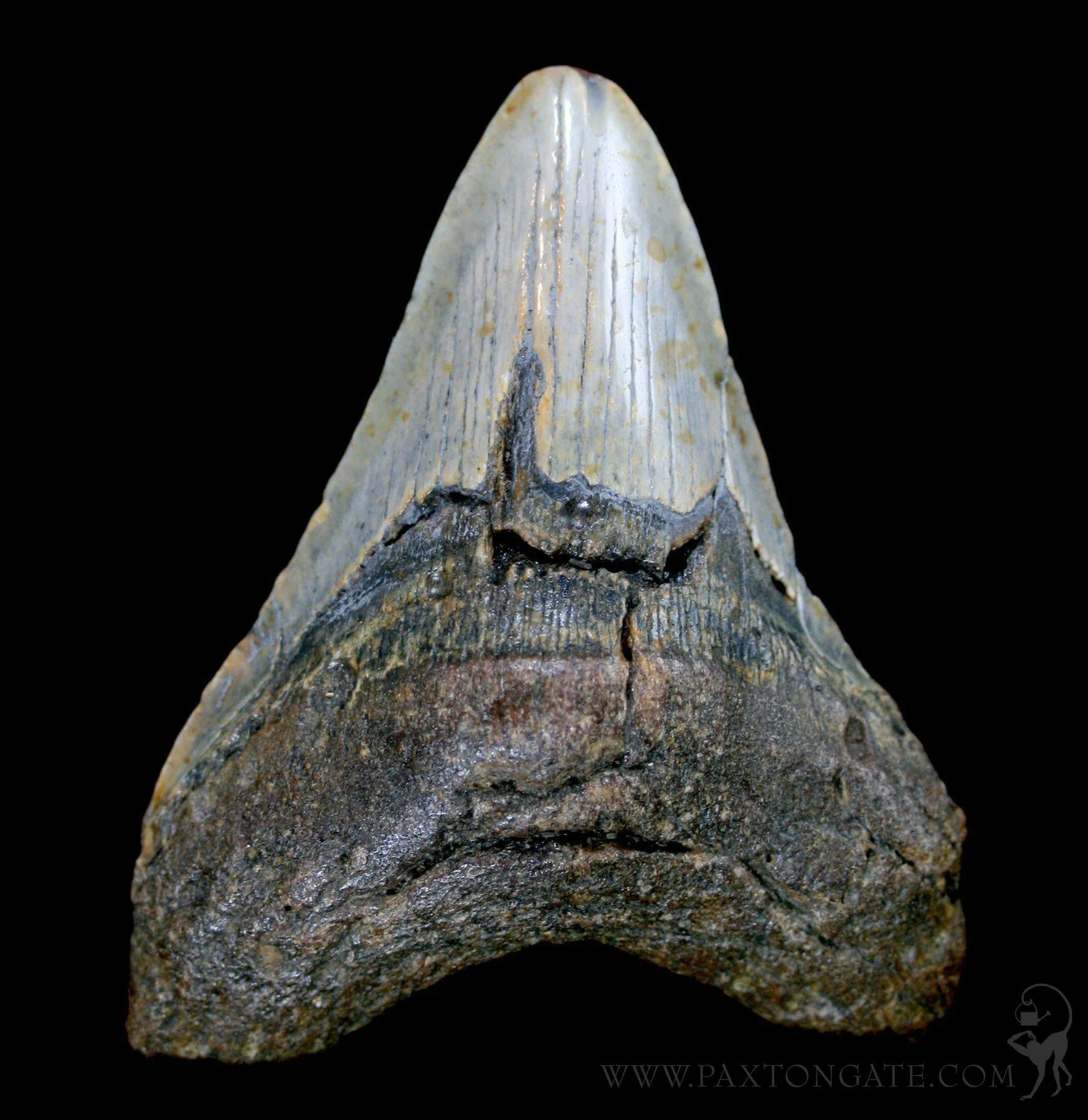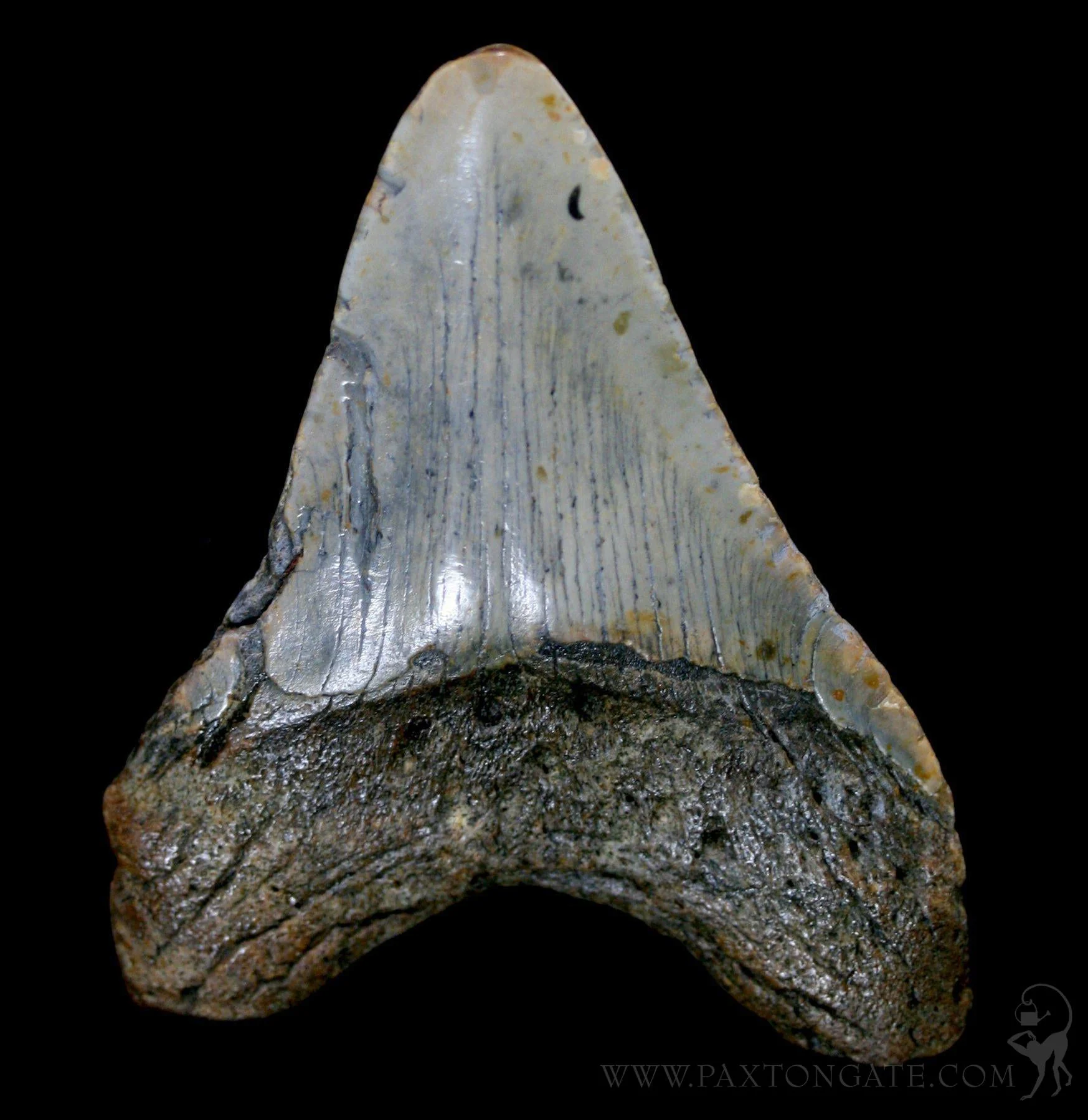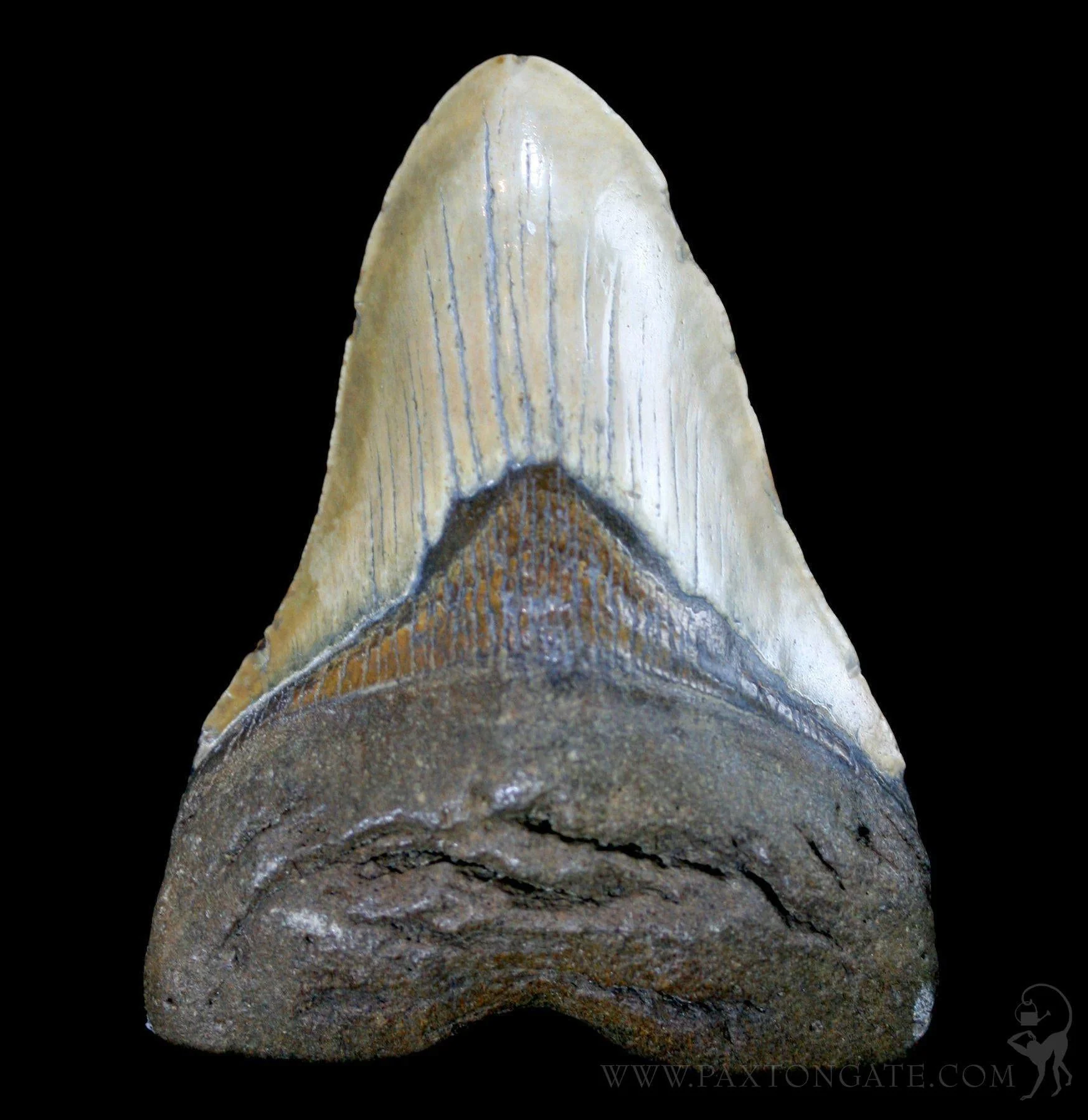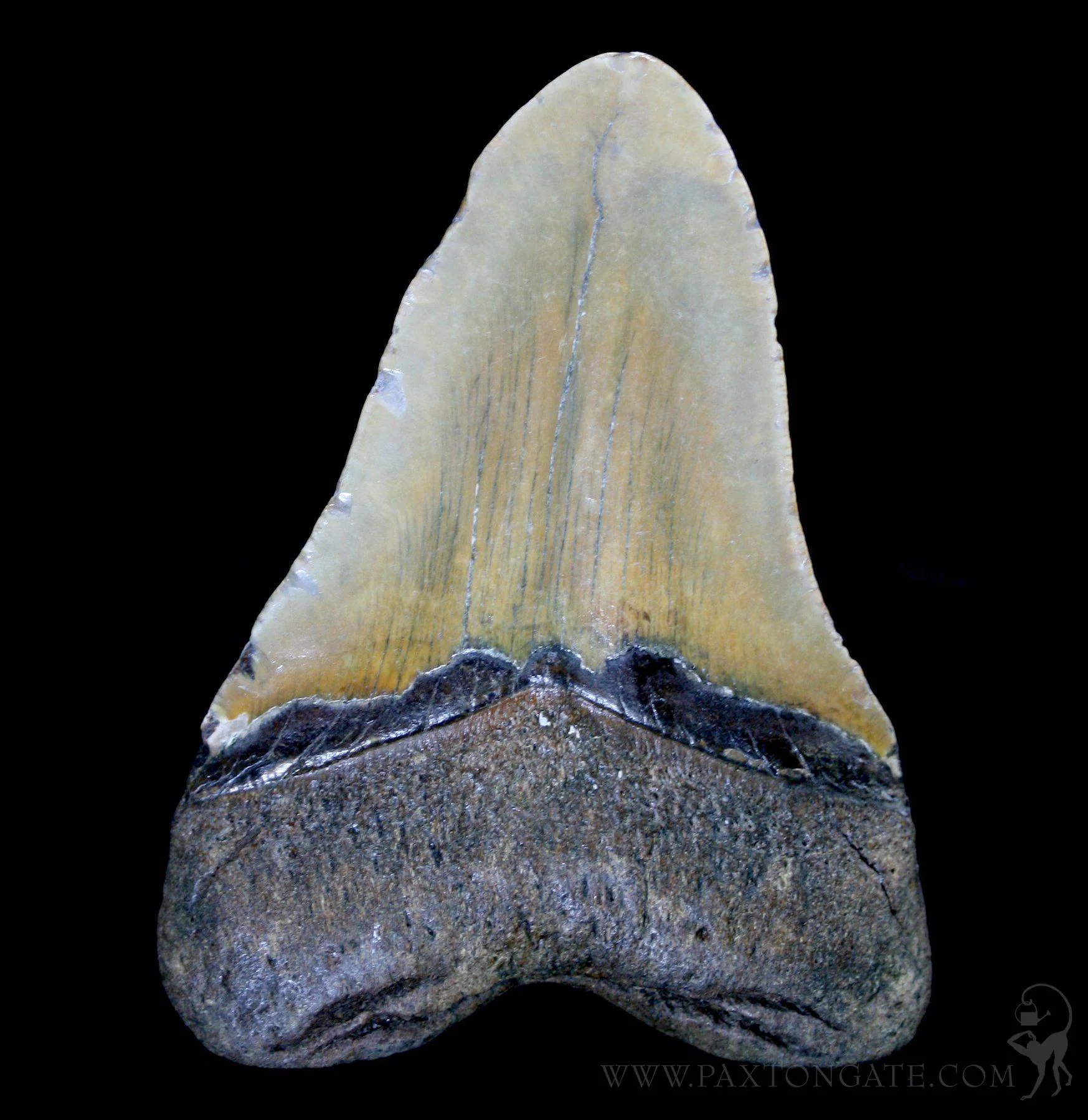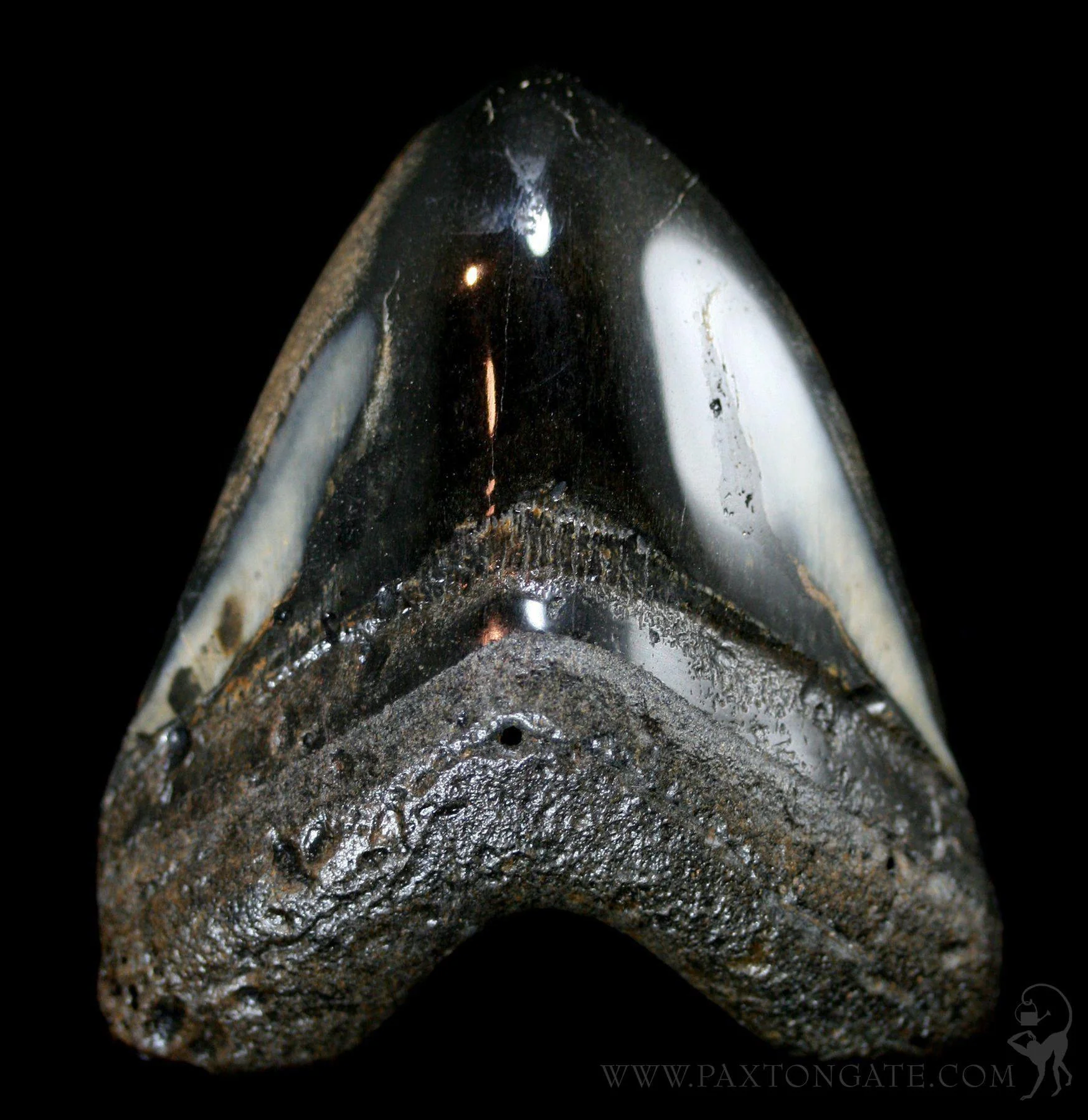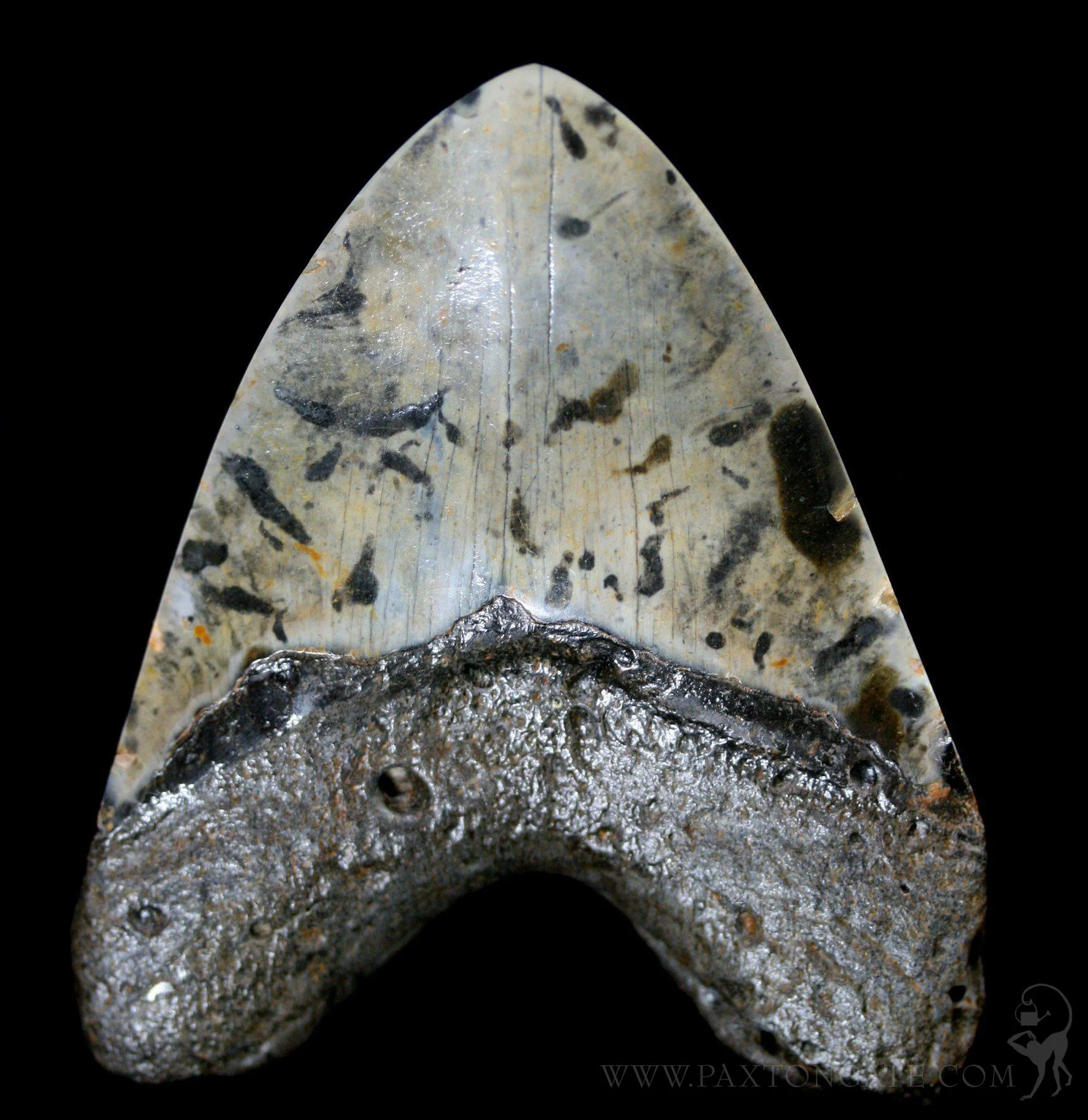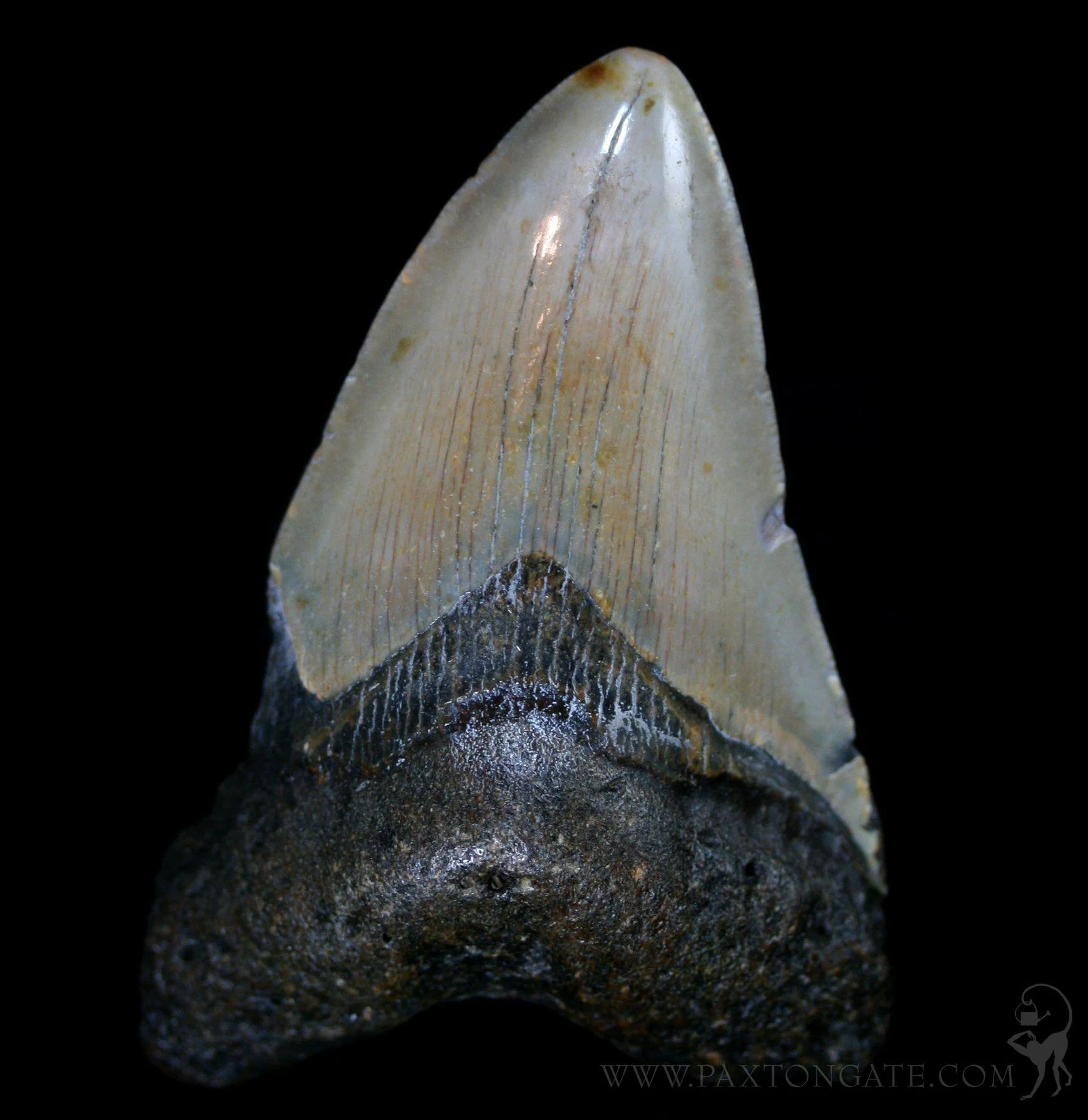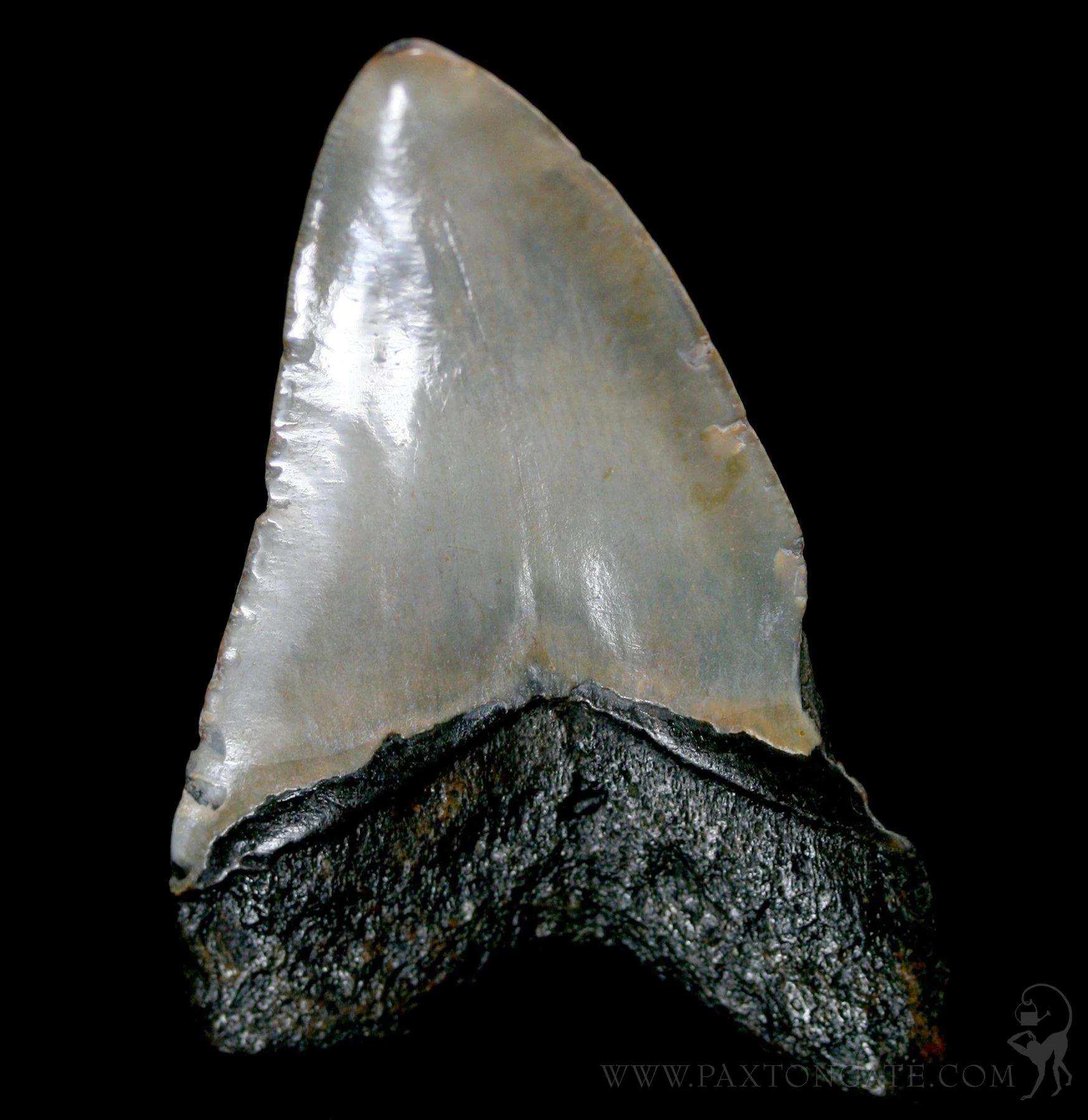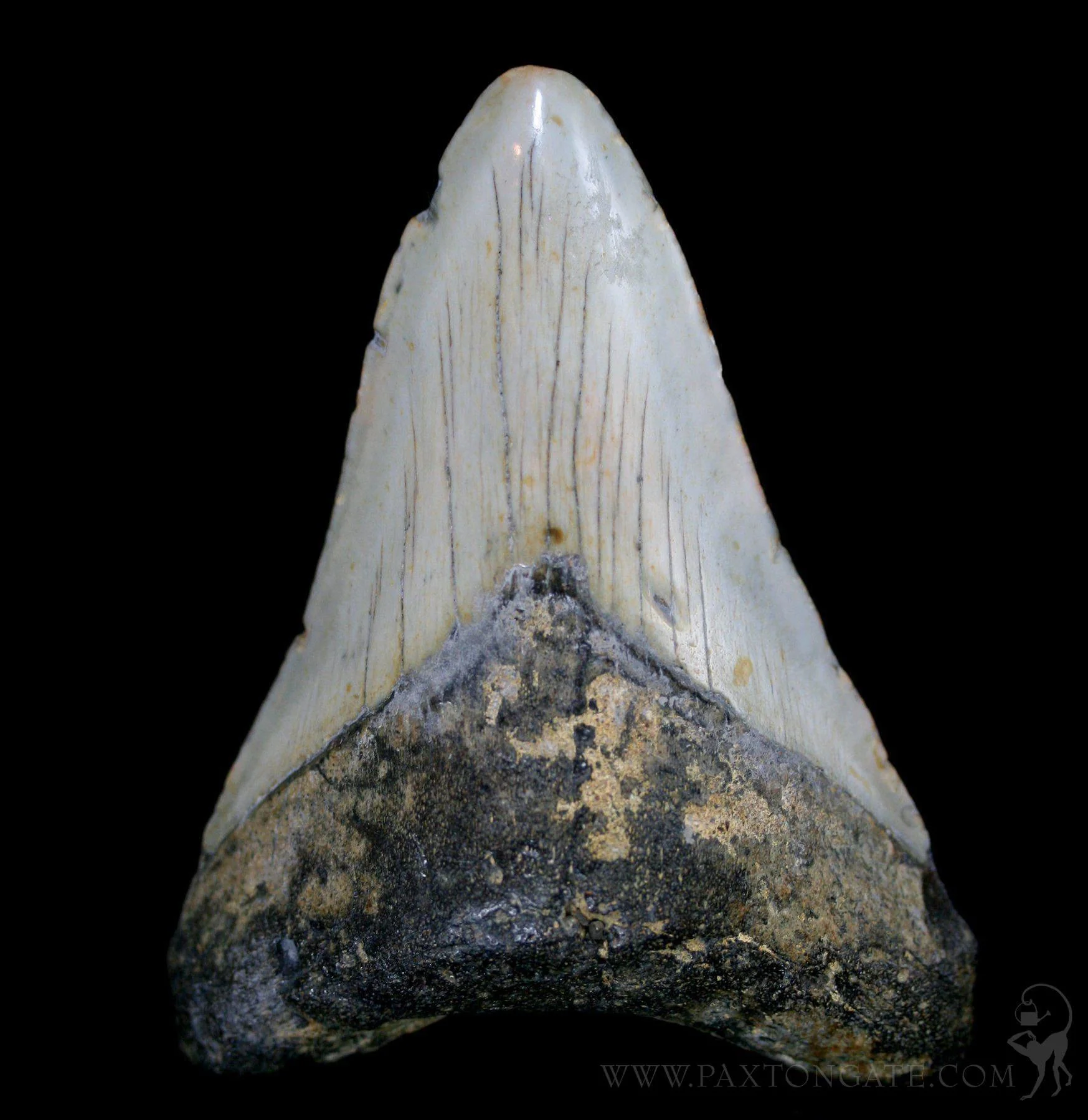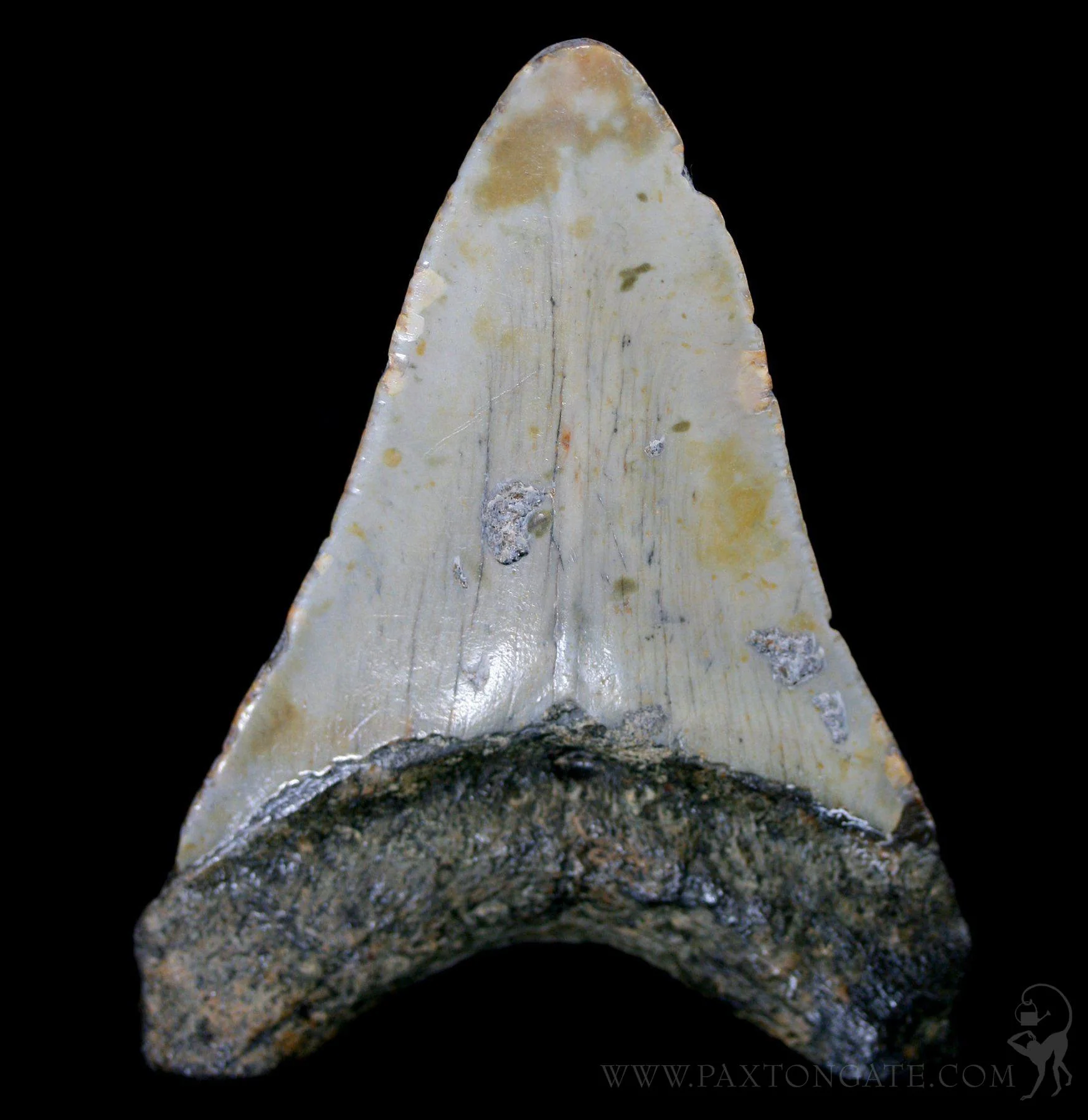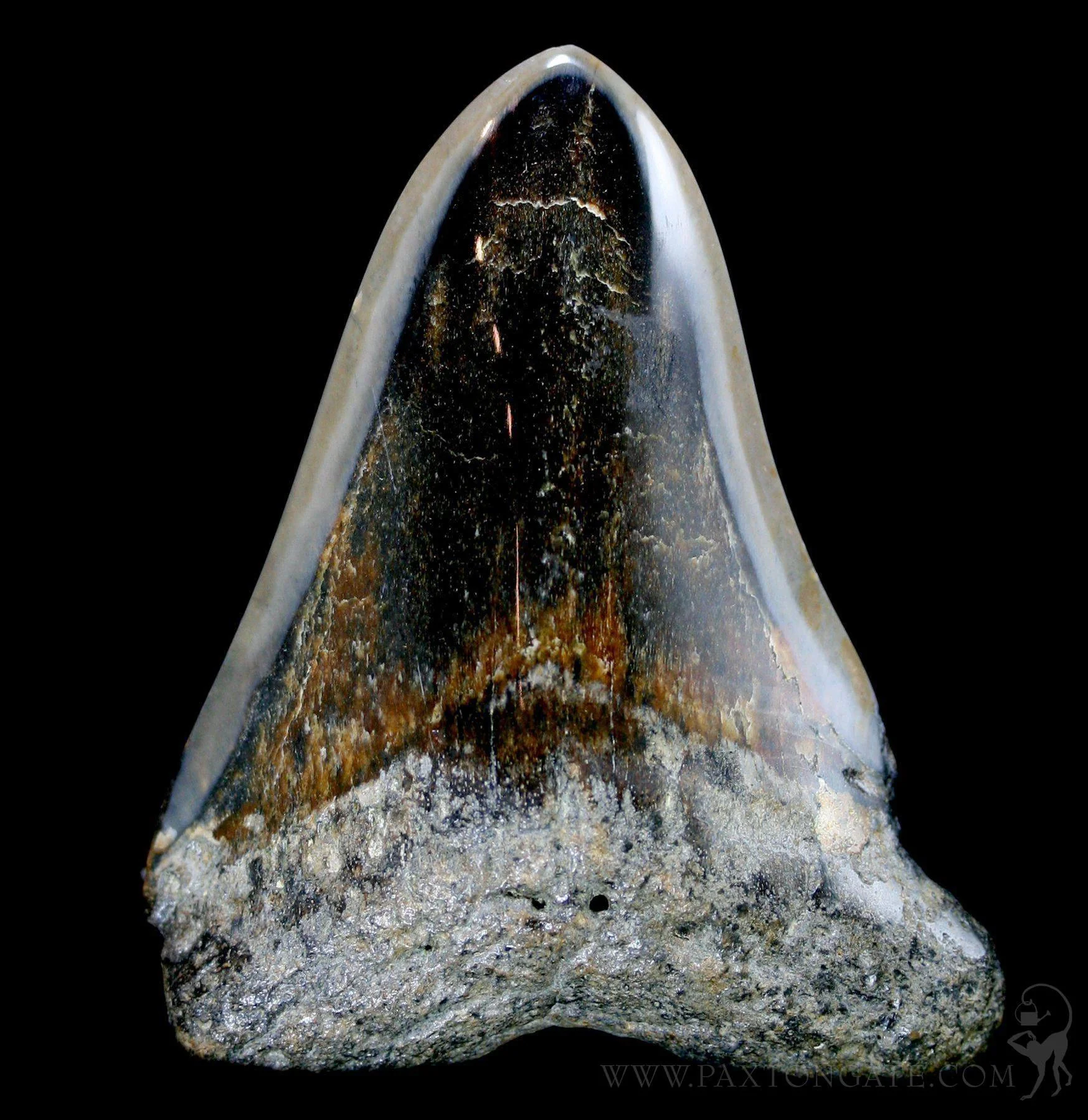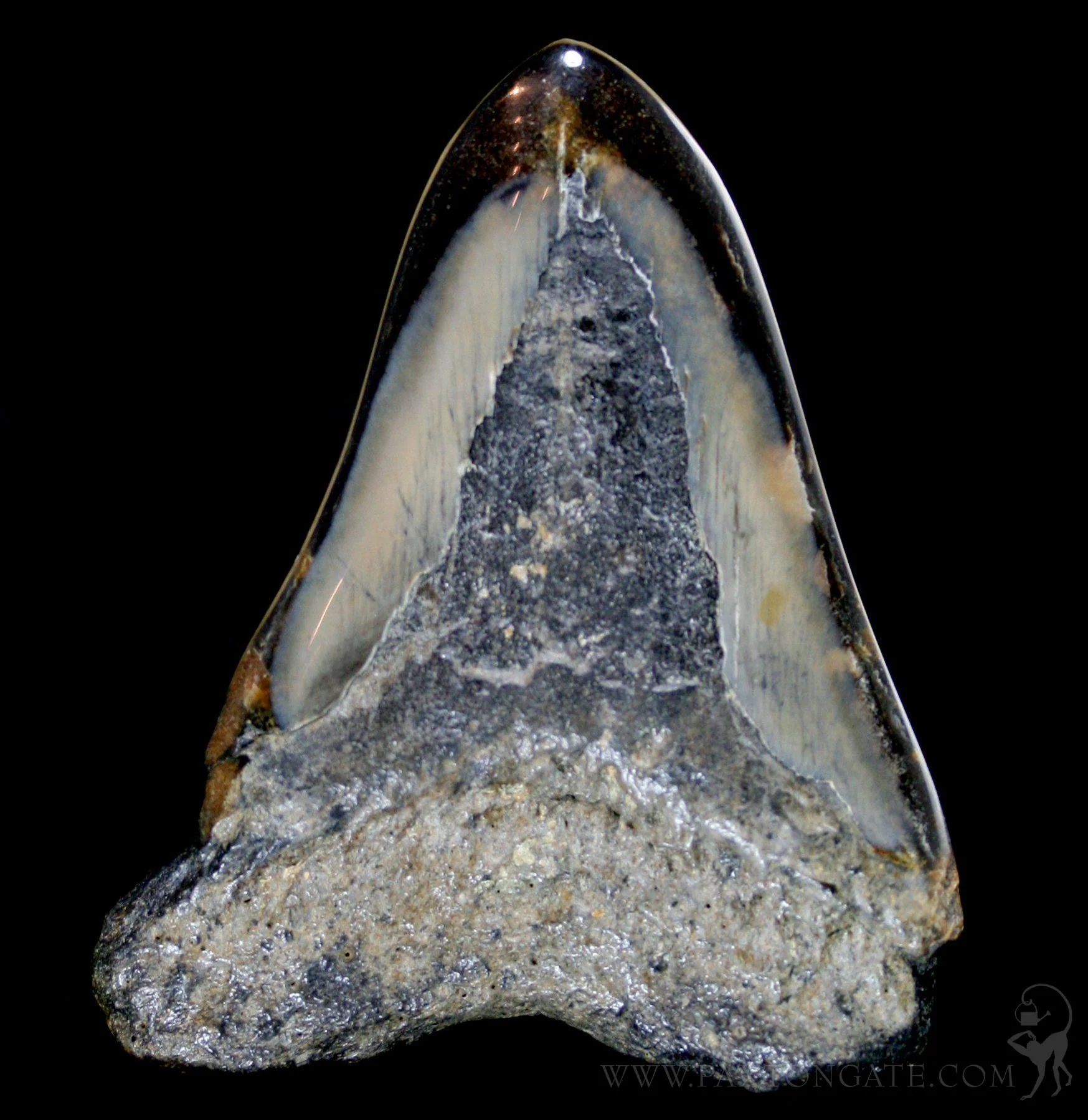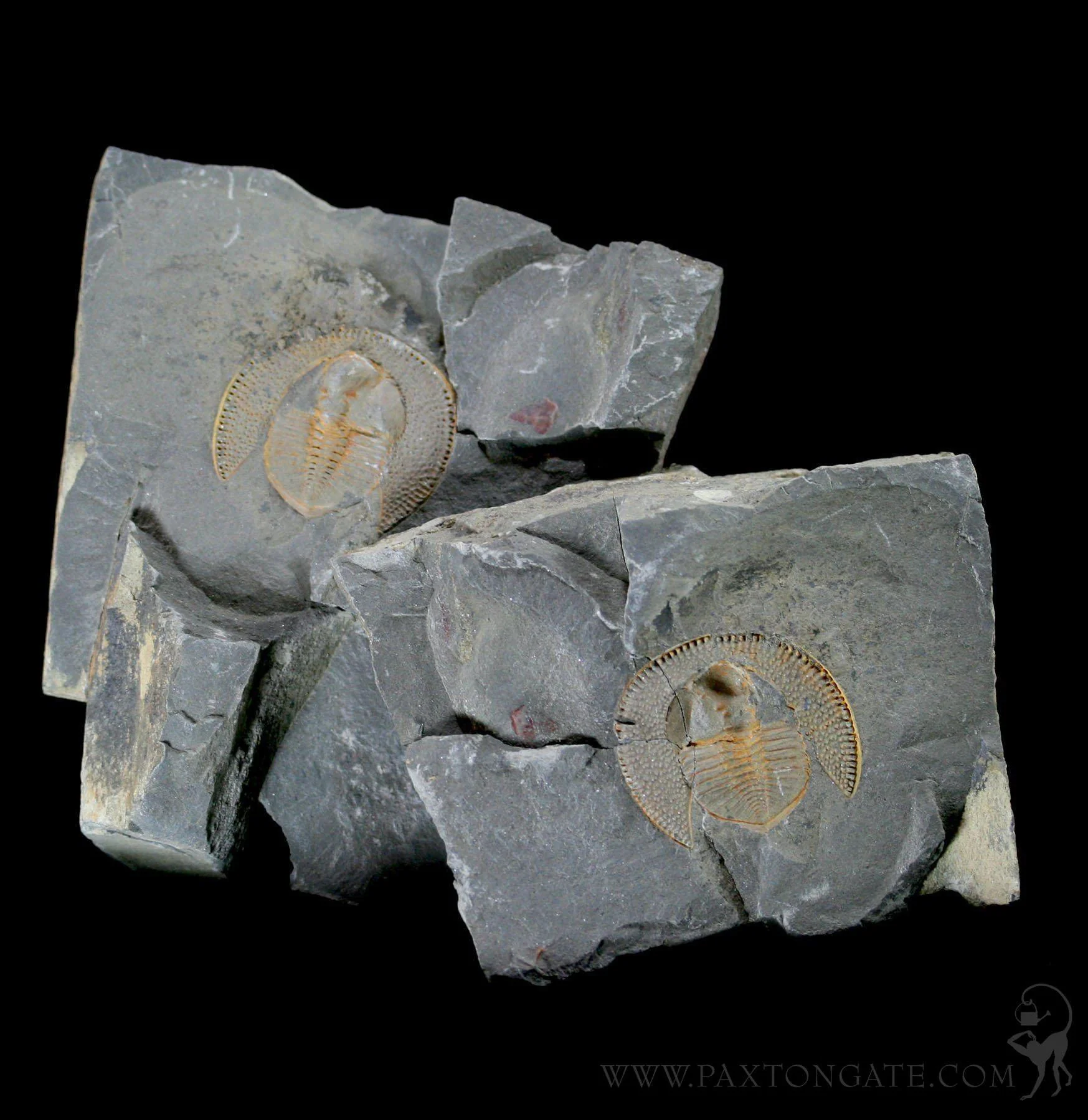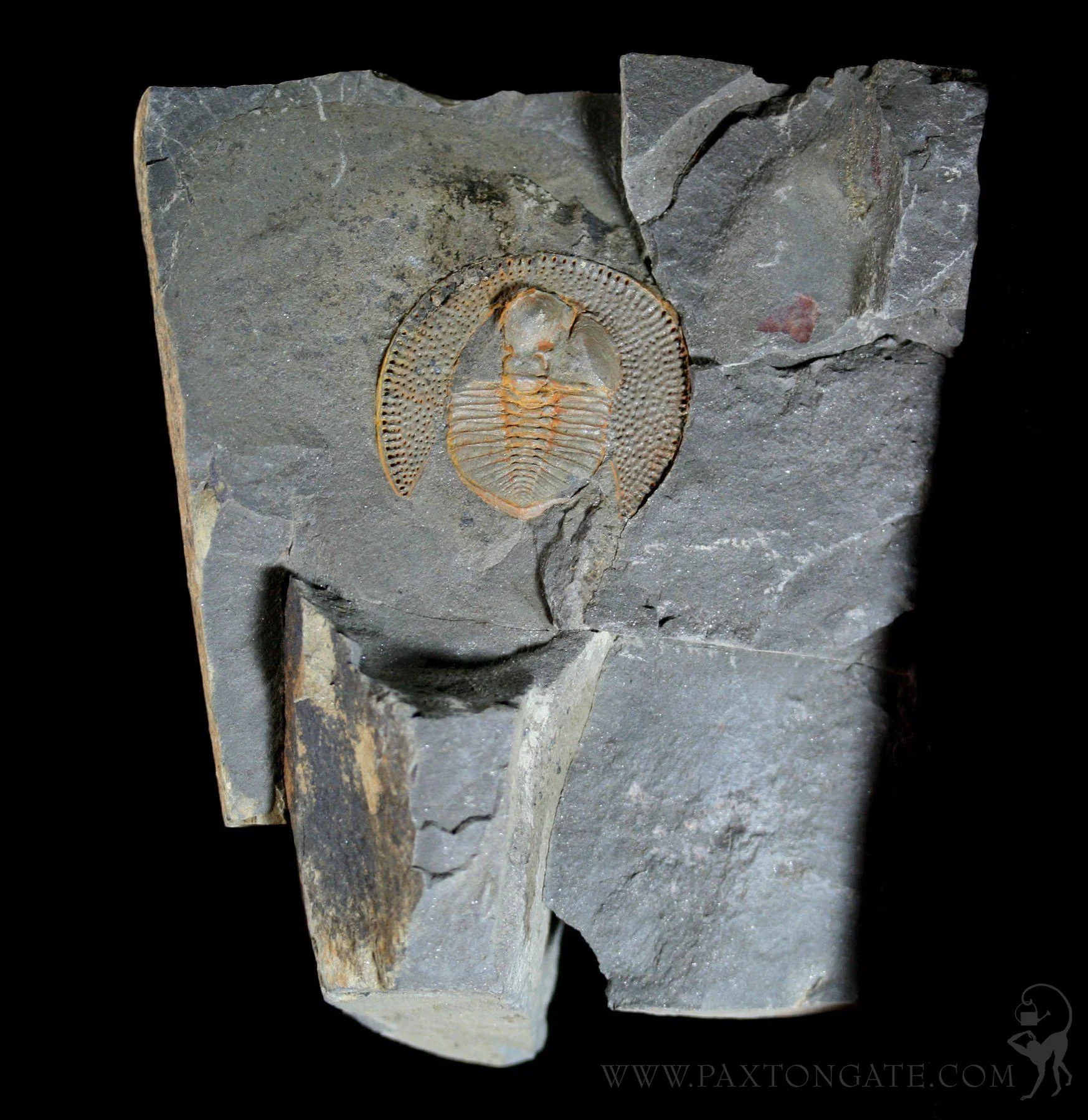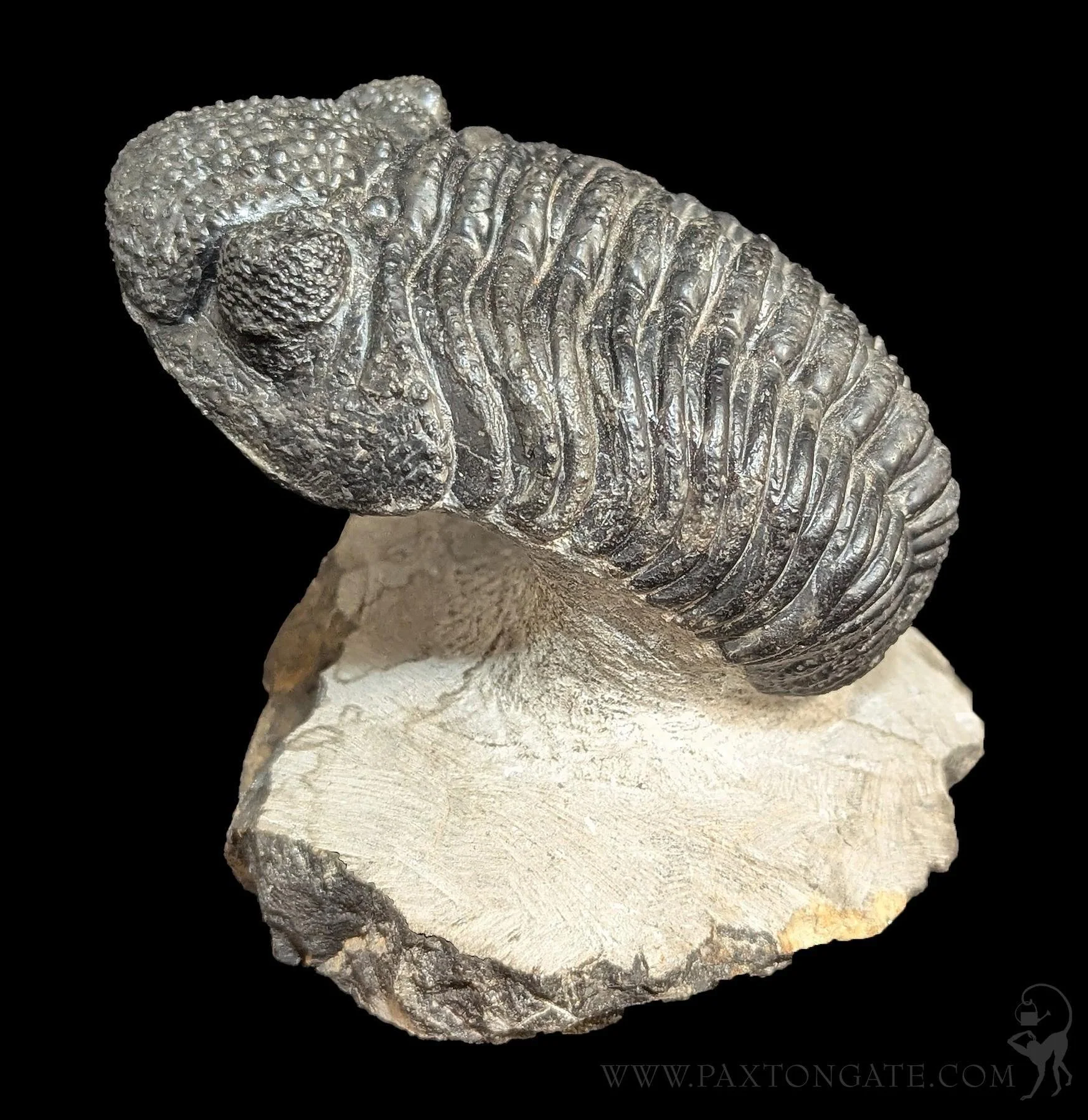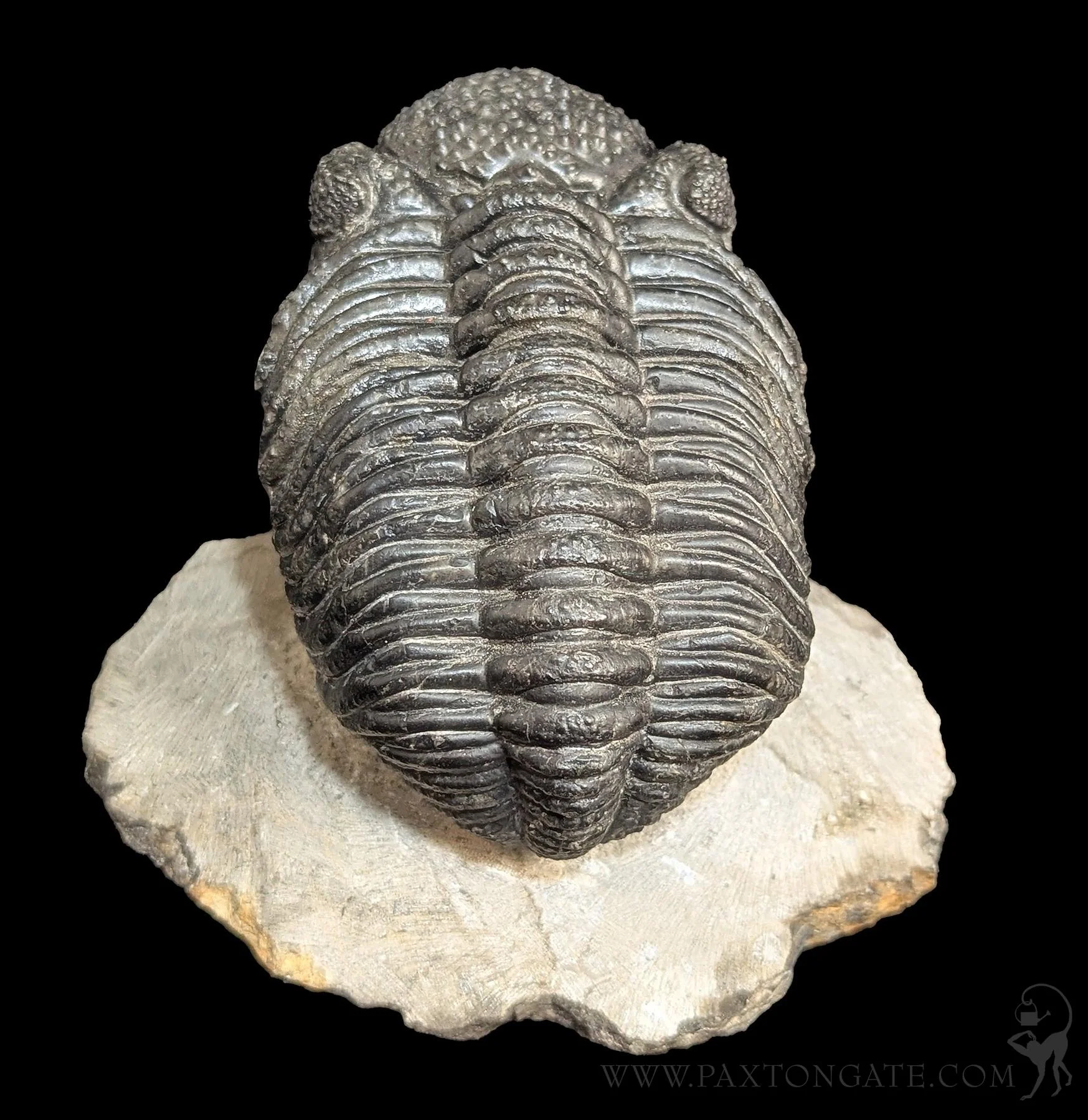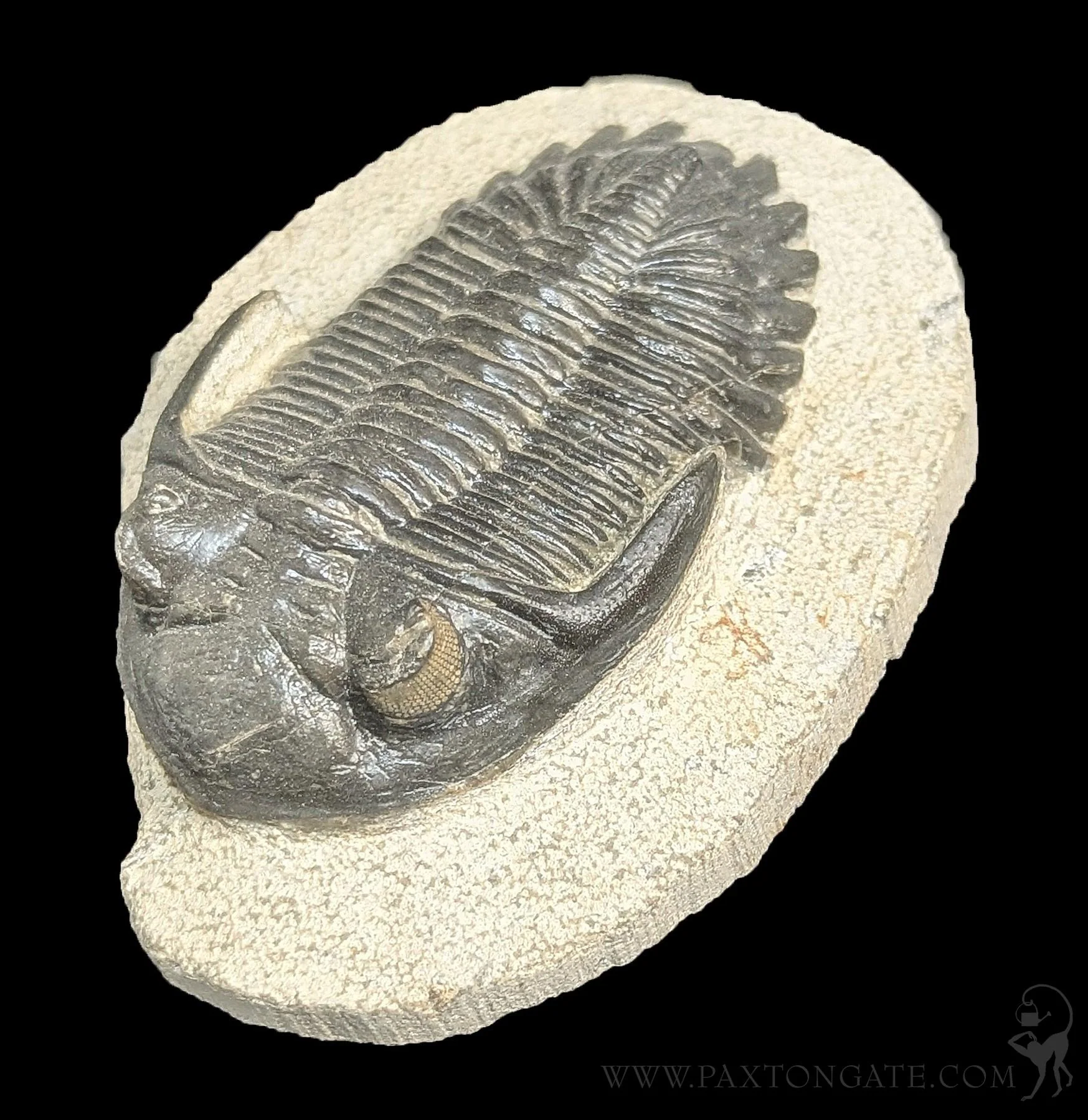
Hollardops Trilobite Fossil Specimen 3
Approximately 3x3"
The name trilobite means “three-lobed,” referring to the long central lobe that runs down the body, flanked by two side lobes, not the head, thorax, and tail as you might think. These ancient arthropods were some of the most common creatures of the Paleozoic era and went extinct long before dinosaurs ever roamed the Earth. Their calcite-rich exoskeletons made them especially likely to fossilize, which is why we have such a great fossil record of them today. Each trilobite family has its own unique look, making it easy and fun to find one that fits your fossil style.
Hollardops is a genus of trilobites that lived during the Devonian period, roughly 419 to 359 million years ago. They are especially popular with collectors because of their distinct features and excellent preservation. Hollardops fossils offer a window into how trilobites lived, evolved, and interacted with their environments.
One of their coolest features is their large, compound eyes. Made up of tons of tiny lenses, these eyes gave them a wide field of view and great light sensitivity, perfect for spotting predators and navigating the sea floor.
Hollardops lived in calm, shallow marine environments, often settling on the sea floor. The fine-grained rocks they are found in suggest they thrived in low-energy settings such as continental shelves and quiet seabeds.
Like all trilobites, Hollardops disappeared around 252 million years ago during the Permian-Triassic extinction event, the largest extinction in Earth’s history. A combination of intense volcanic activity, climate upheaval, and oxygen-starved oceans wiped out most marine and land species, including these fascinating creatures.
This is a 100% authentic, one-of-a-kind fossil. Once it is sold, we will not be able to get an exact replacement. All Paxton Gate specimens are guaranteed to be of the highest quality and are ethically sourced from trusted vendors and private collectors around the world.
Approximately 3x3"
The name trilobite means “three-lobed,” referring to the long central lobe that runs down the body, flanked by two side lobes, not the head, thorax, and tail as you might think. These ancient arthropods were some of the most common creatures of the Paleozoic era and went extinct long before dinosaurs ever roamed the Earth. Their calcite-rich exoskeletons made them especially likely to fossilize, which is why we have such a great fossil record of them today. Each trilobite family has its own unique look, making it easy and fun to find one that fits your fossil style.
Hollardops is a genus of trilobites that lived during the Devonian period, roughly 419 to 359 million years ago. They are especially popular with collectors because of their distinct features and excellent preservation. Hollardops fossils offer a window into how trilobites lived, evolved, and interacted with their environments.
One of their coolest features is their large, compound eyes. Made up of tons of tiny lenses, these eyes gave them a wide field of view and great light sensitivity, perfect for spotting predators and navigating the sea floor.
Hollardops lived in calm, shallow marine environments, often settling on the sea floor. The fine-grained rocks they are found in suggest they thrived in low-energy settings such as continental shelves and quiet seabeds.
Like all trilobites, Hollardops disappeared around 252 million years ago during the Permian-Triassic extinction event, the largest extinction in Earth’s history. A combination of intense volcanic activity, climate upheaval, and oxygen-starved oceans wiped out most marine and land species, including these fascinating creatures.
This is a 100% authentic, one-of-a-kind fossil. Once it is sold, we will not be able to get an exact replacement. All Paxton Gate specimens are guaranteed to be of the highest quality and are ethically sourced from trusted vendors and private collectors around the world.
Original: $210.00
-65%$210.00
$73.50Description
Approximately 3x3"
The name trilobite means “three-lobed,” referring to the long central lobe that runs down the body, flanked by two side lobes, not the head, thorax, and tail as you might think. These ancient arthropods were some of the most common creatures of the Paleozoic era and went extinct long before dinosaurs ever roamed the Earth. Their calcite-rich exoskeletons made them especially likely to fossilize, which is why we have such a great fossil record of them today. Each trilobite family has its own unique look, making it easy and fun to find one that fits your fossil style.
Hollardops is a genus of trilobites that lived during the Devonian period, roughly 419 to 359 million years ago. They are especially popular with collectors because of their distinct features and excellent preservation. Hollardops fossils offer a window into how trilobites lived, evolved, and interacted with their environments.
One of their coolest features is their large, compound eyes. Made up of tons of tiny lenses, these eyes gave them a wide field of view and great light sensitivity, perfect for spotting predators and navigating the sea floor.
Hollardops lived in calm, shallow marine environments, often settling on the sea floor. The fine-grained rocks they are found in suggest they thrived in low-energy settings such as continental shelves and quiet seabeds.
Like all trilobites, Hollardops disappeared around 252 million years ago during the Permian-Triassic extinction event, the largest extinction in Earth’s history. A combination of intense volcanic activity, climate upheaval, and oxygen-starved oceans wiped out most marine and land species, including these fascinating creatures.
This is a 100% authentic, one-of-a-kind fossil. Once it is sold, we will not be able to get an exact replacement. All Paxton Gate specimens are guaranteed to be of the highest quality and are ethically sourced from trusted vendors and private collectors around the world.