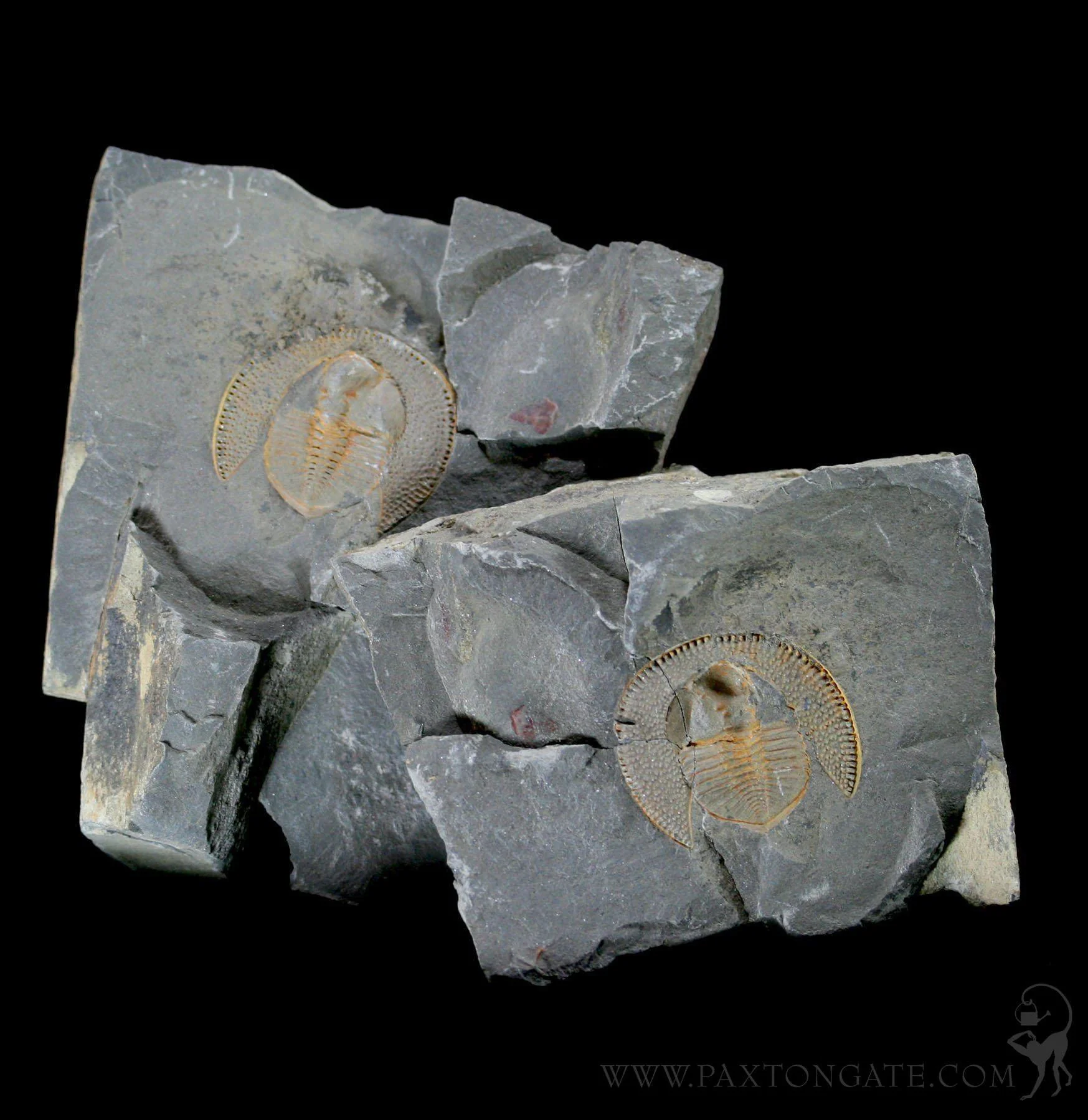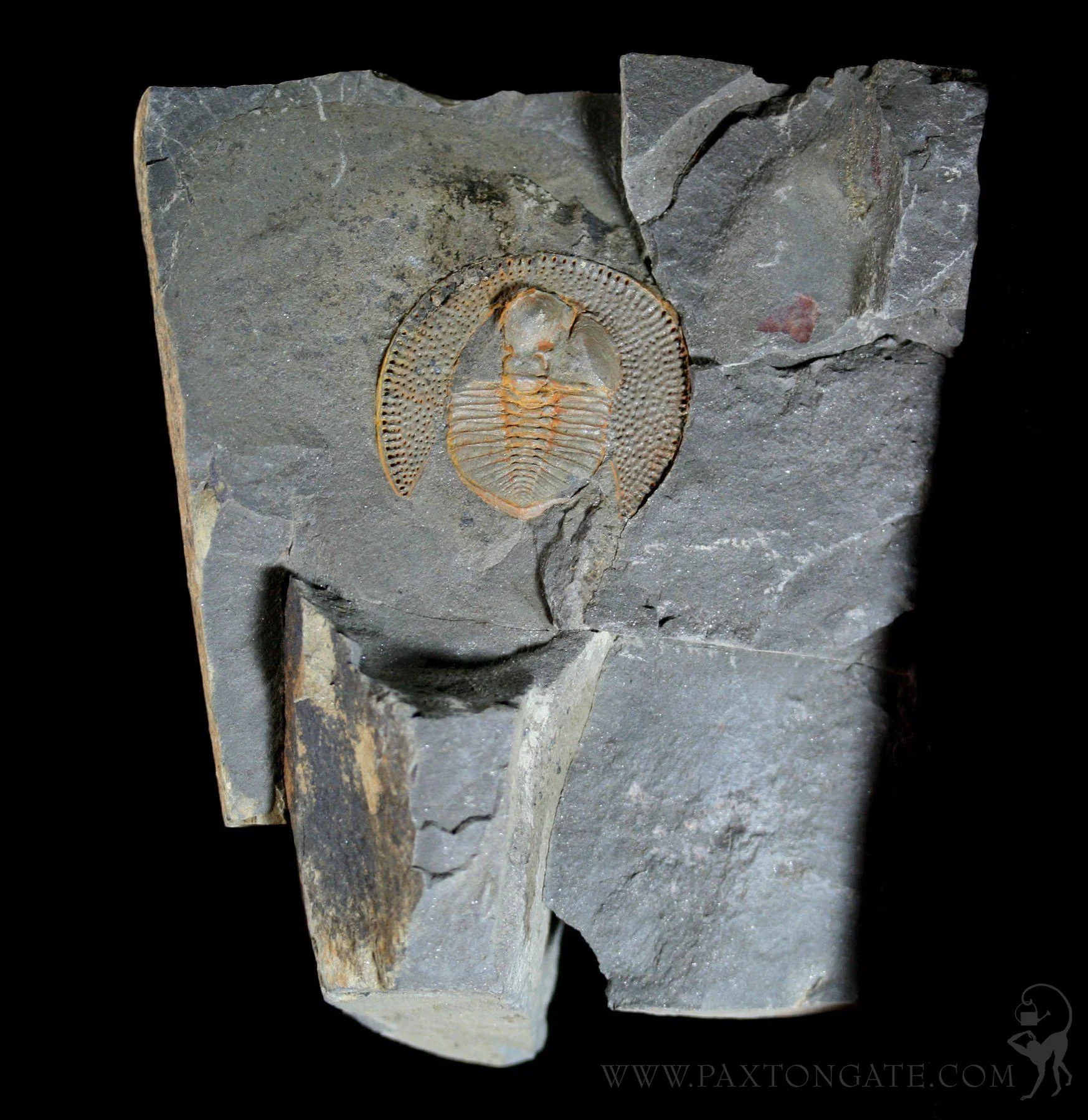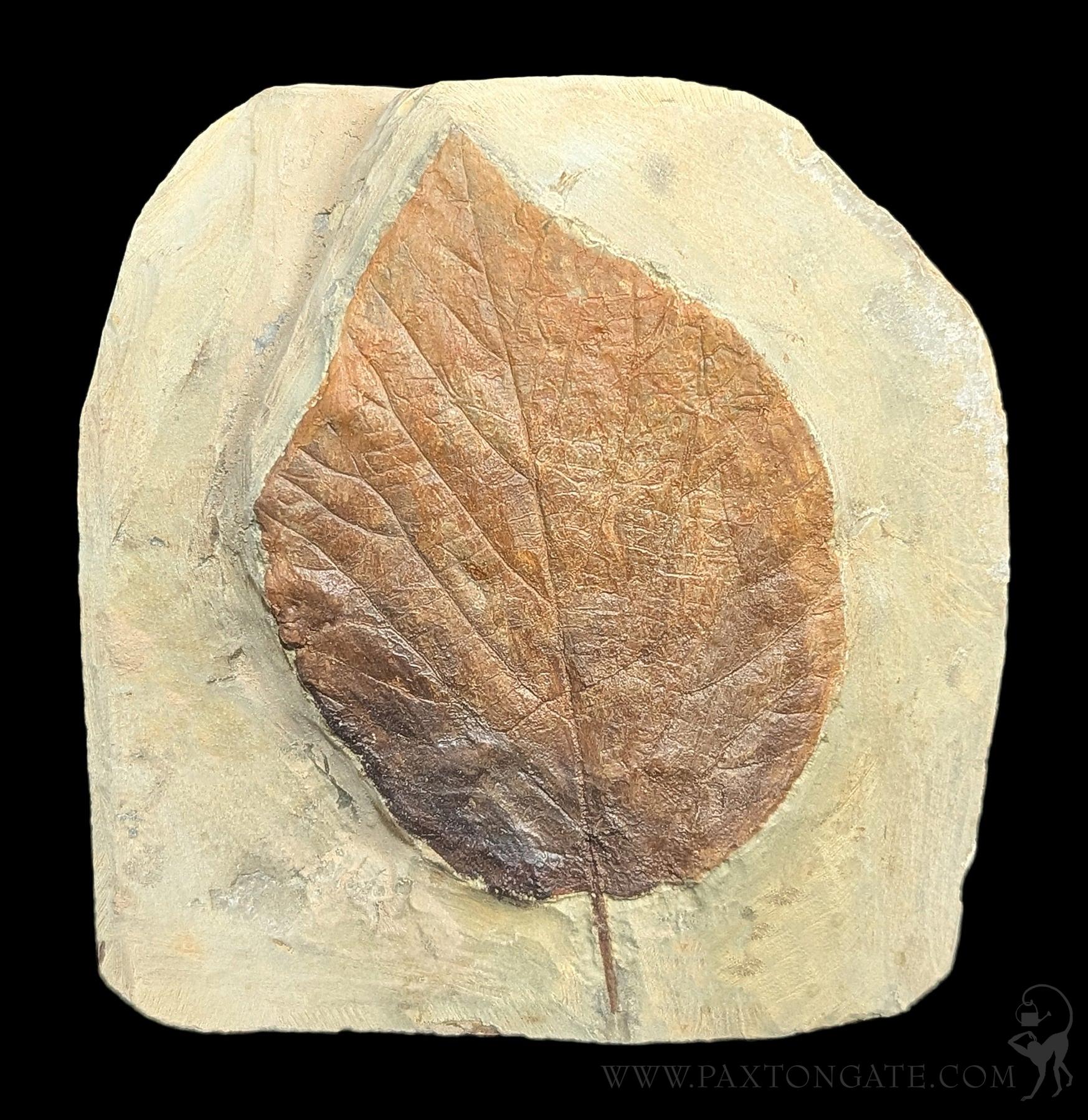
Paleo Leaf Fossil Plate Specimen C
Dinosaurs get all of the attention when it comes to fossils, but leaves should really get their time in the spotlight as well. Not only are they fossilized ghosts of incredibly delicate plant matter, but they can tell us so much about our Earth's ancient history. And by ghosts, we don’t mean the “boo, haunted house” kind. These are moments in time captured by pitch-perfect conditions and a roll of the dice.
Most leaf fossils are impressions left behind in mud or sediment. The leaf decayed, but its shape stayed pressed into stone like a natural stamp. It takes millions of years of pressure, heat, and mineral replacement for a leaf to fossilize. Not only are they the product of the right place at the right time, but some leaf fossils date back over 400 million years, even before dinosaurs appeared. That means plants were thriving long before giant reptiles ruled the Earth.
Today, scientists study these ancient remains to get an idea of what the world was like millions of years ago. Was the climate hot, cold, wet, dry, or full of prehistoric space heaters? With these fossils, all of the clues start to come together. For example, larger leaves usually suggest warm, rainy environments.
This fossil plate is so much more than another addition to your fossil collection. It’s part of a wider story that helps us understand and decode the mysteries of our planet's past.
Dinosaurs get all of the attention when it comes to fossils, but leaves should really get their time in the spotlight as well. Not only are they fossilized ghosts of incredibly delicate plant matter, but they can tell us so much about our Earth's ancient history. And by ghosts, we don’t mean the “boo, haunted house” kind. These are moments in time captured by pitch-perfect conditions and a roll of the dice.
Most leaf fossils are impressions left behind in mud or sediment. The leaf decayed, but its shape stayed pressed into stone like a natural stamp. It takes millions of years of pressure, heat, and mineral replacement for a leaf to fossilize. Not only are they the product of the right place at the right time, but some leaf fossils date back over 400 million years, even before dinosaurs appeared. That means plants were thriving long before giant reptiles ruled the Earth.
Today, scientists study these ancient remains to get an idea of what the world was like millions of years ago. Was the climate hot, cold, wet, dry, or full of prehistoric space heaters? With these fossils, all of the clues start to come together. For example, larger leaves usually suggest warm, rainy environments.
This fossil plate is so much more than another addition to your fossil collection. It’s part of a wider story that helps us understand and decode the mysteries of our planet's past.
Original: $300.00
-65%$300.00
$105.00Description
Dinosaurs get all of the attention when it comes to fossils, but leaves should really get their time in the spotlight as well. Not only are they fossilized ghosts of incredibly delicate plant matter, but they can tell us so much about our Earth's ancient history. And by ghosts, we don’t mean the “boo, haunted house” kind. These are moments in time captured by pitch-perfect conditions and a roll of the dice.
Most leaf fossils are impressions left behind in mud or sediment. The leaf decayed, but its shape stayed pressed into stone like a natural stamp. It takes millions of years of pressure, heat, and mineral replacement for a leaf to fossilize. Not only are they the product of the right place at the right time, but some leaf fossils date back over 400 million years, even before dinosaurs appeared. That means plants were thriving long before giant reptiles ruled the Earth.
Today, scientists study these ancient remains to get an idea of what the world was like millions of years ago. Was the climate hot, cold, wet, dry, or full of prehistoric space heaters? With these fossils, all of the clues start to come together. For example, larger leaves usually suggest warm, rainy environments.
This fossil plate is so much more than another addition to your fossil collection. It’s part of a wider story that helps us understand and decode the mysteries of our planet's past.