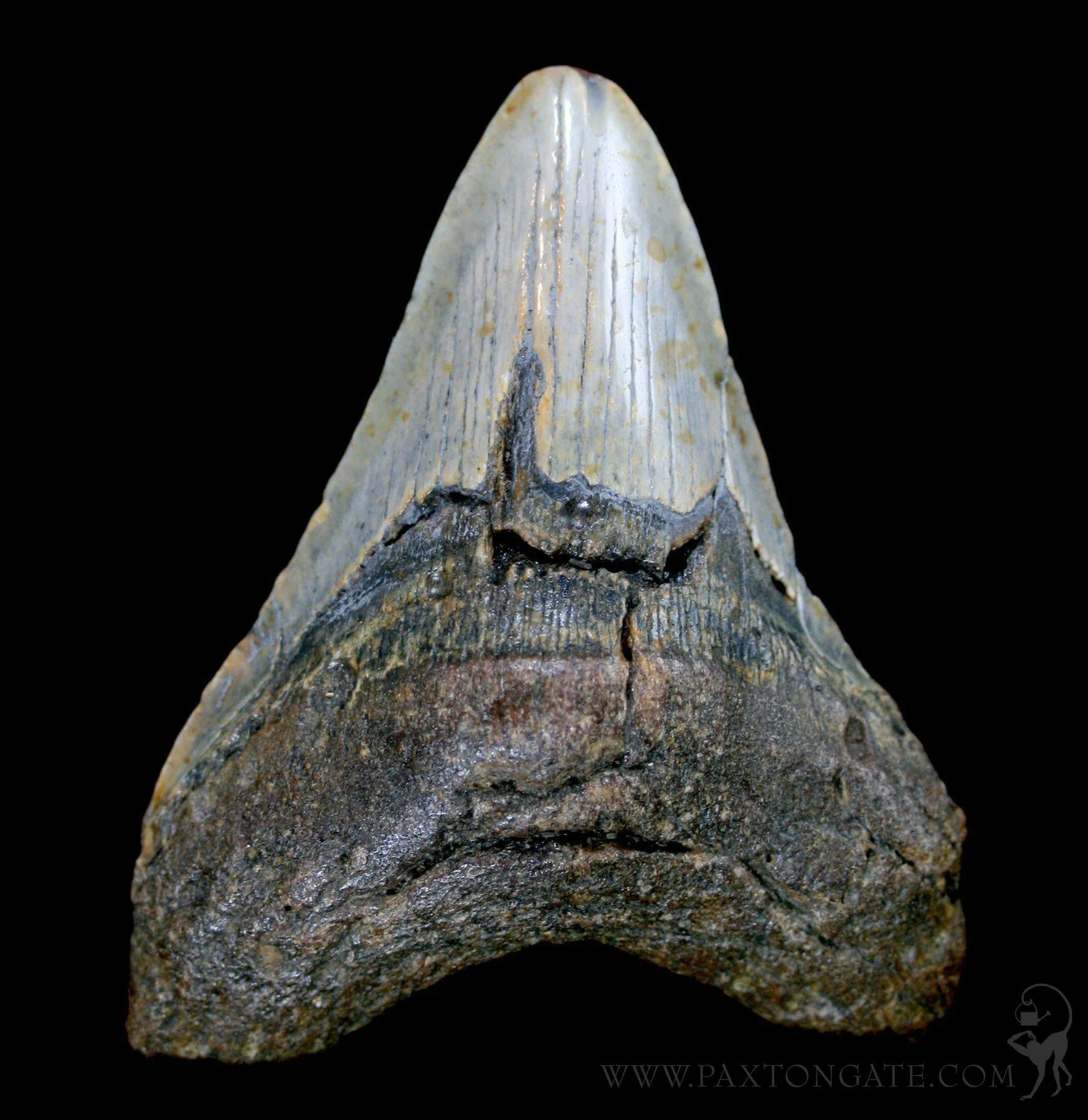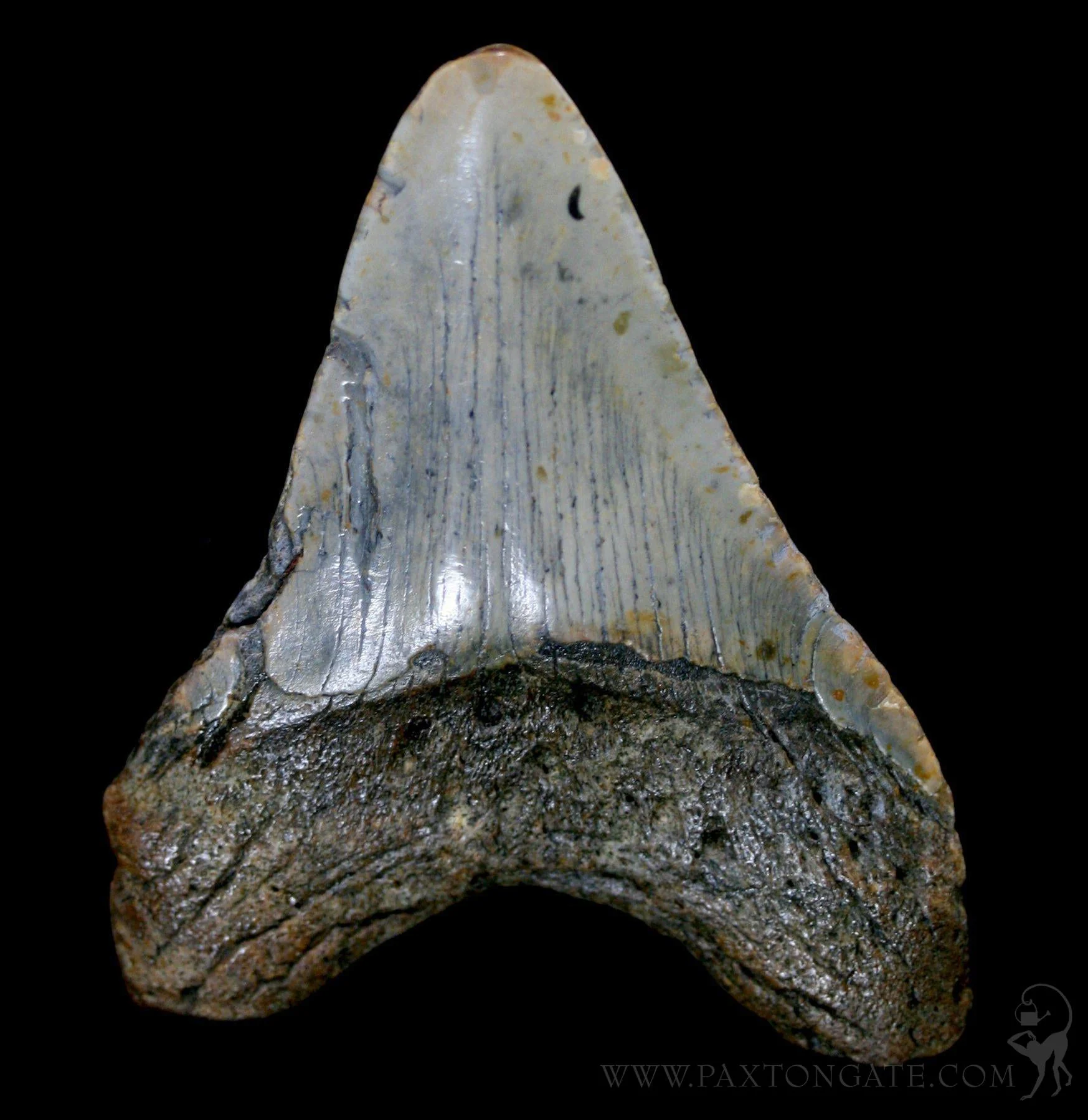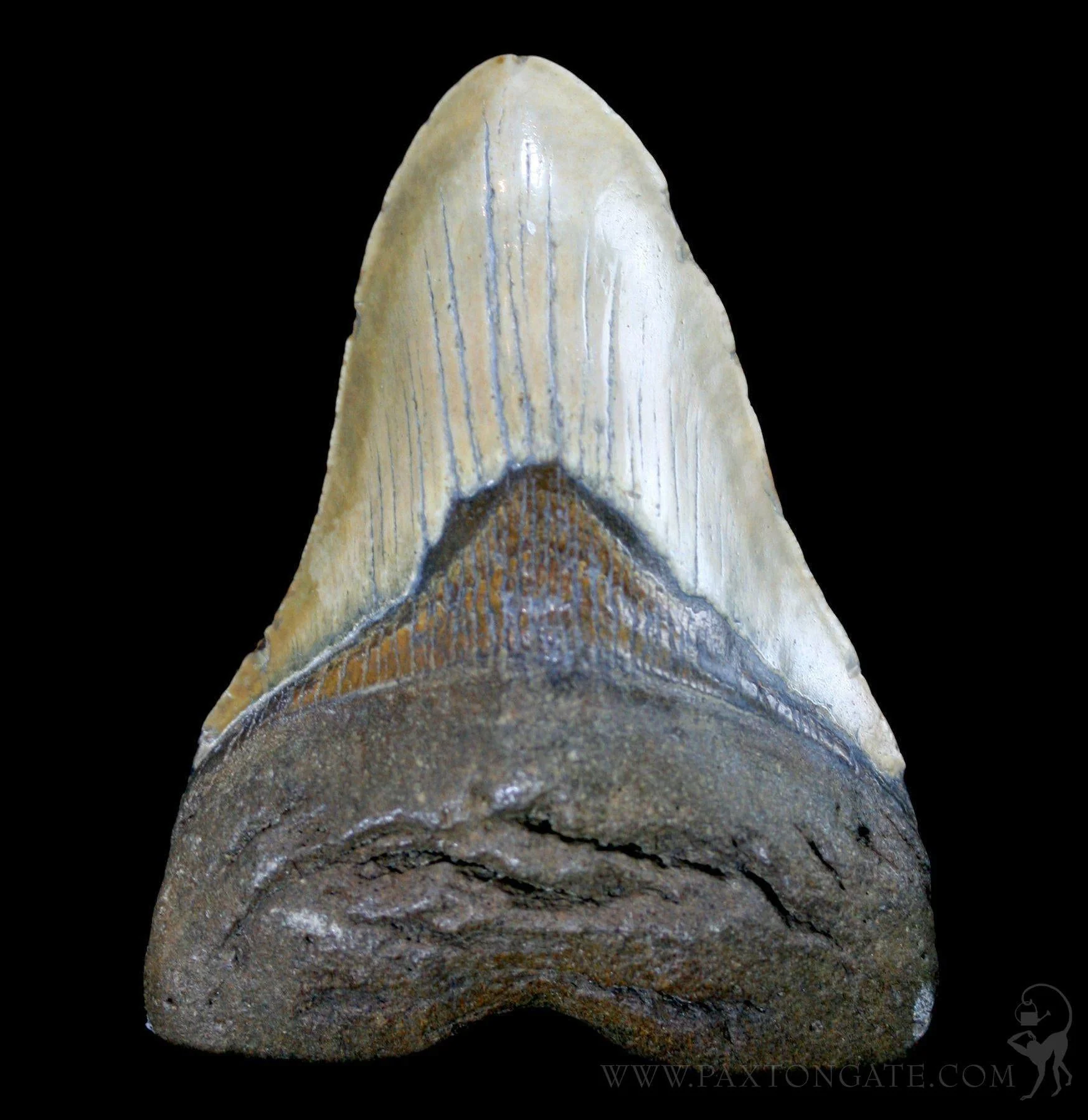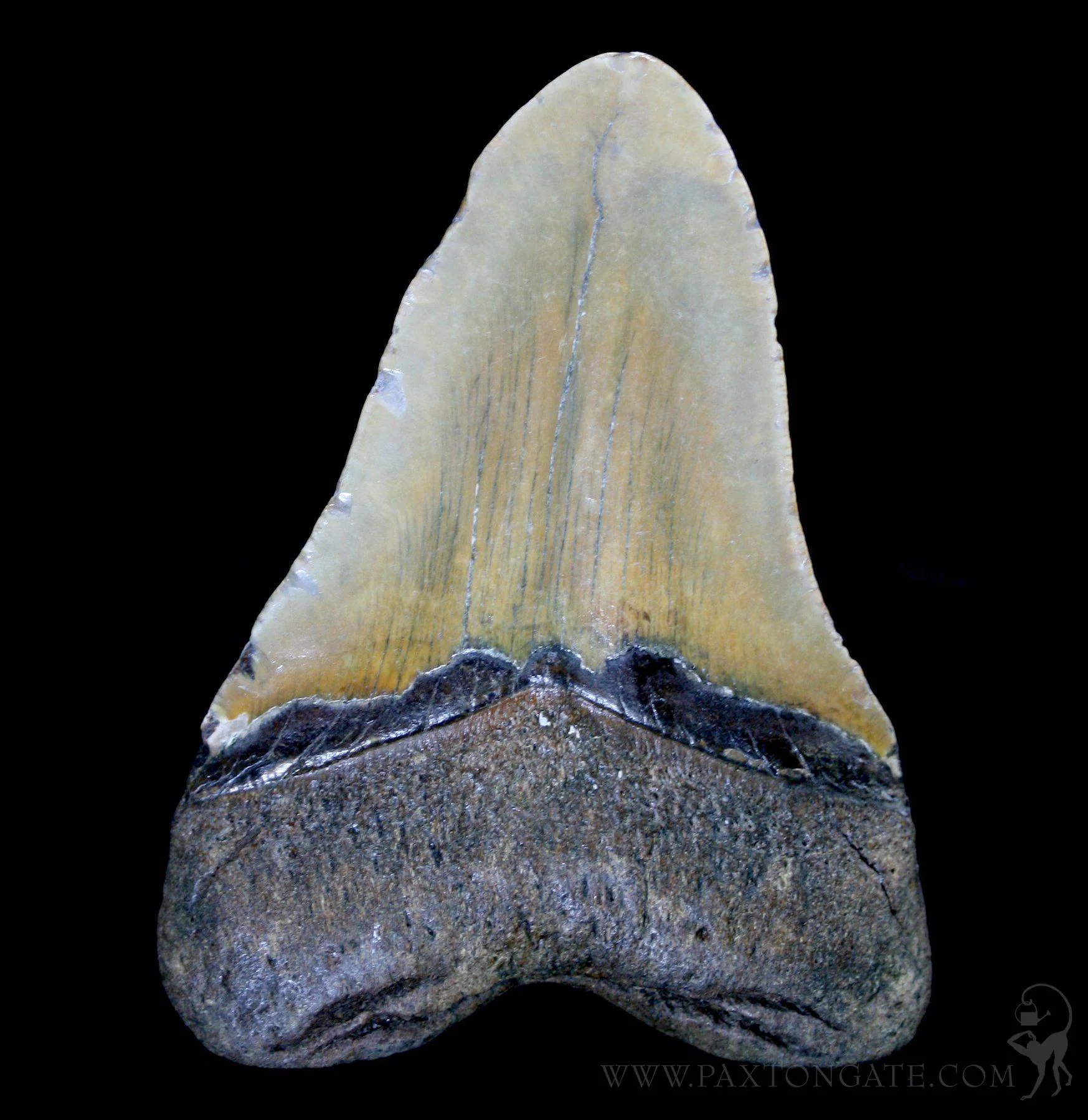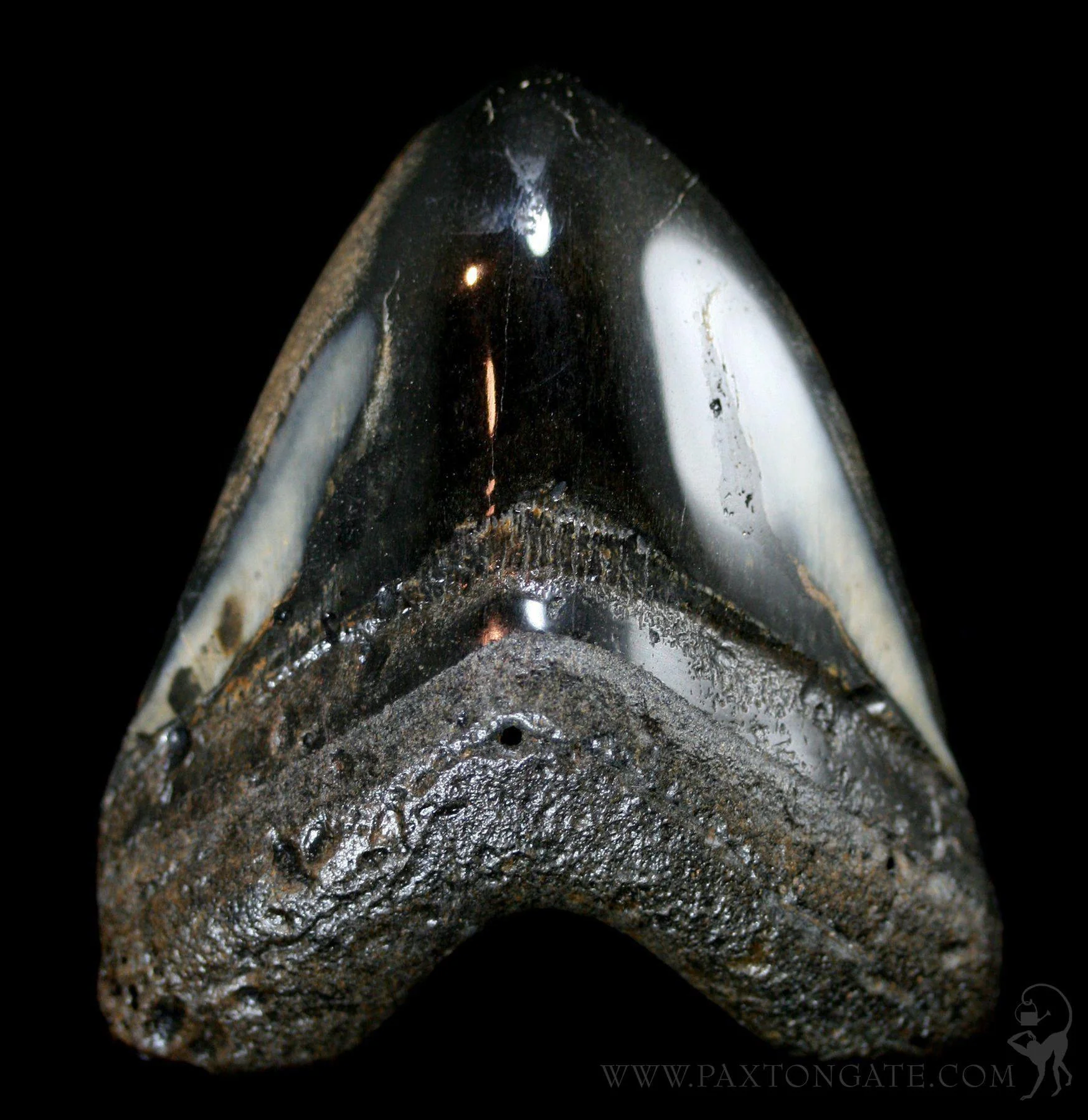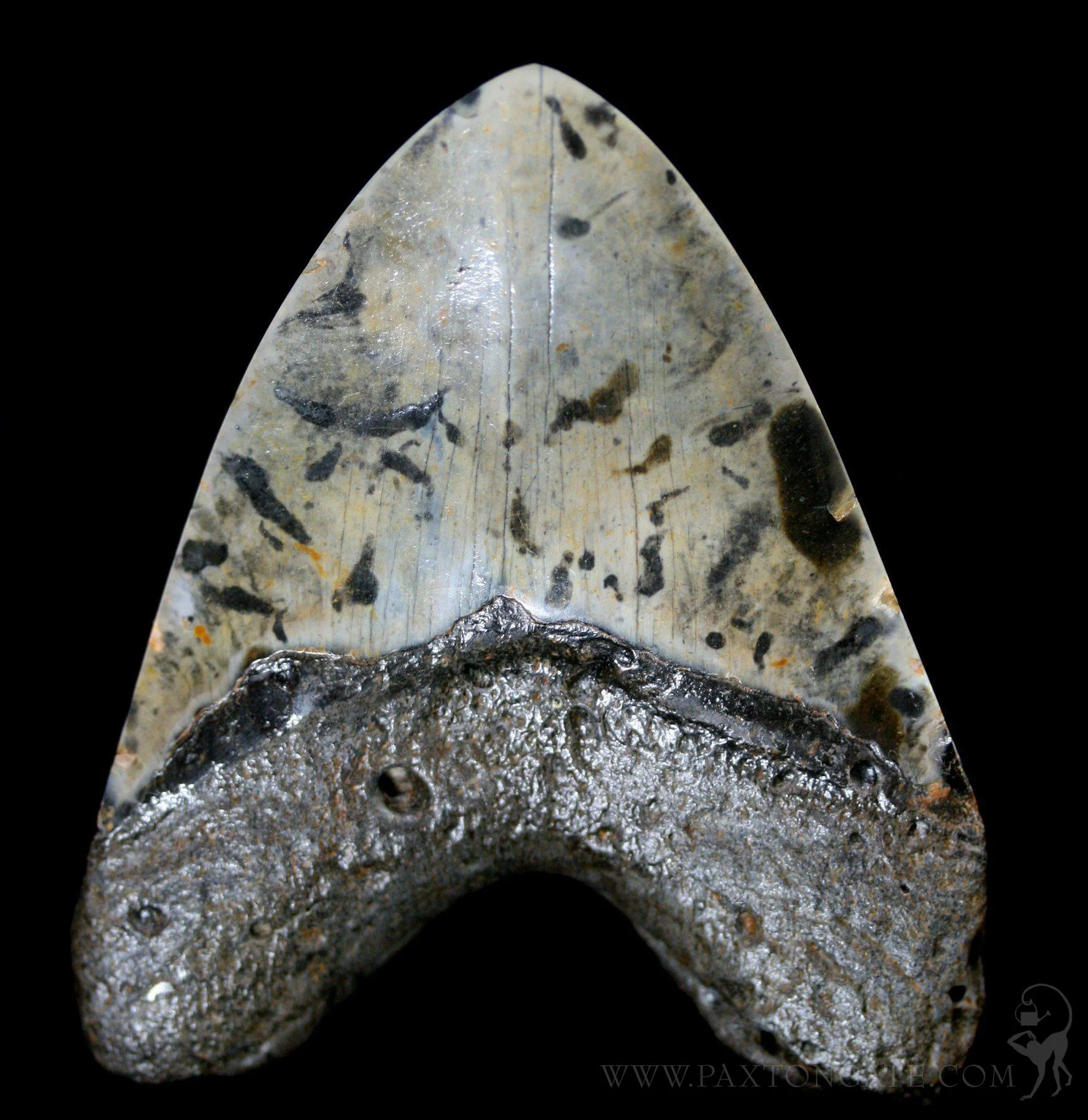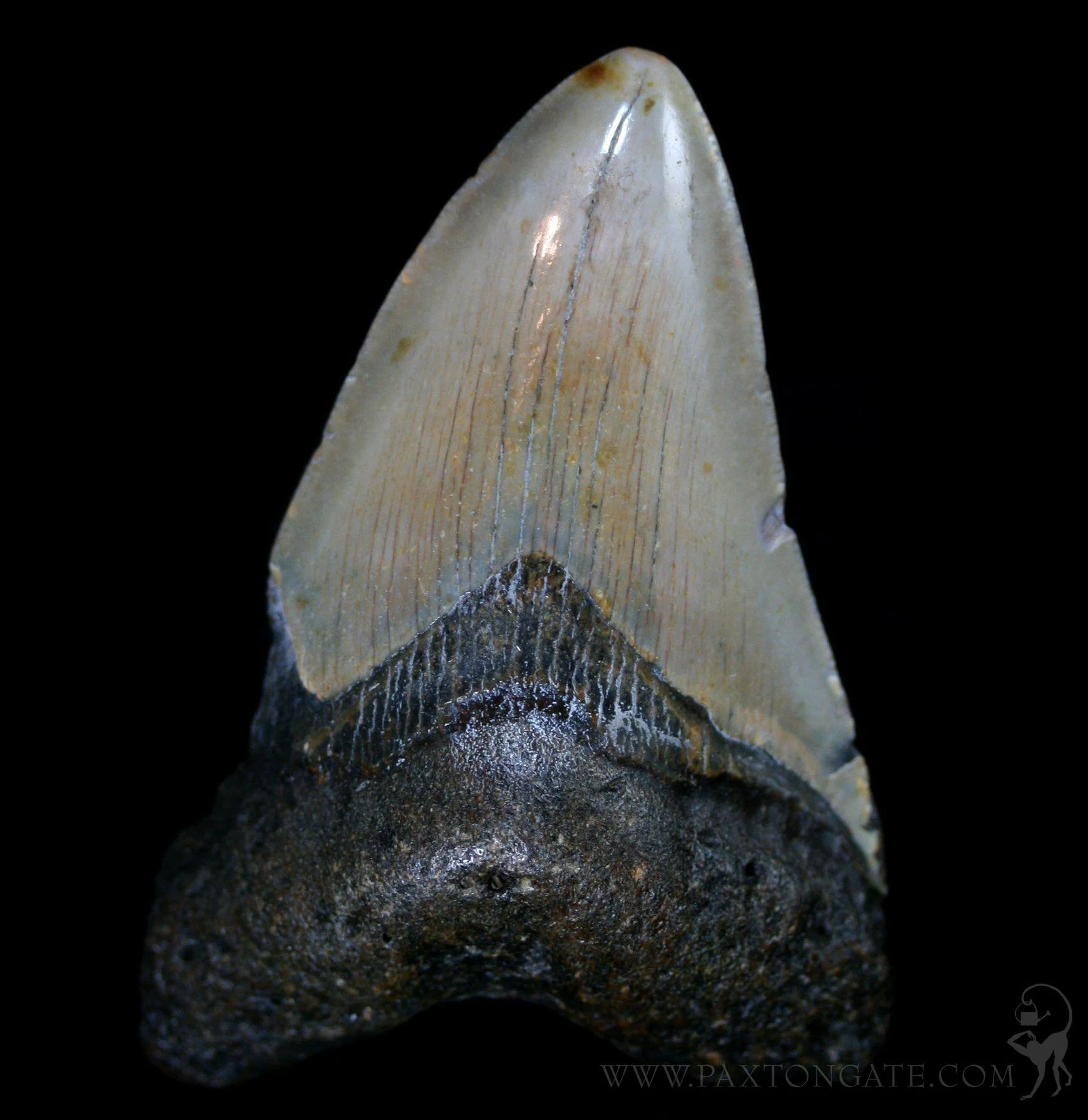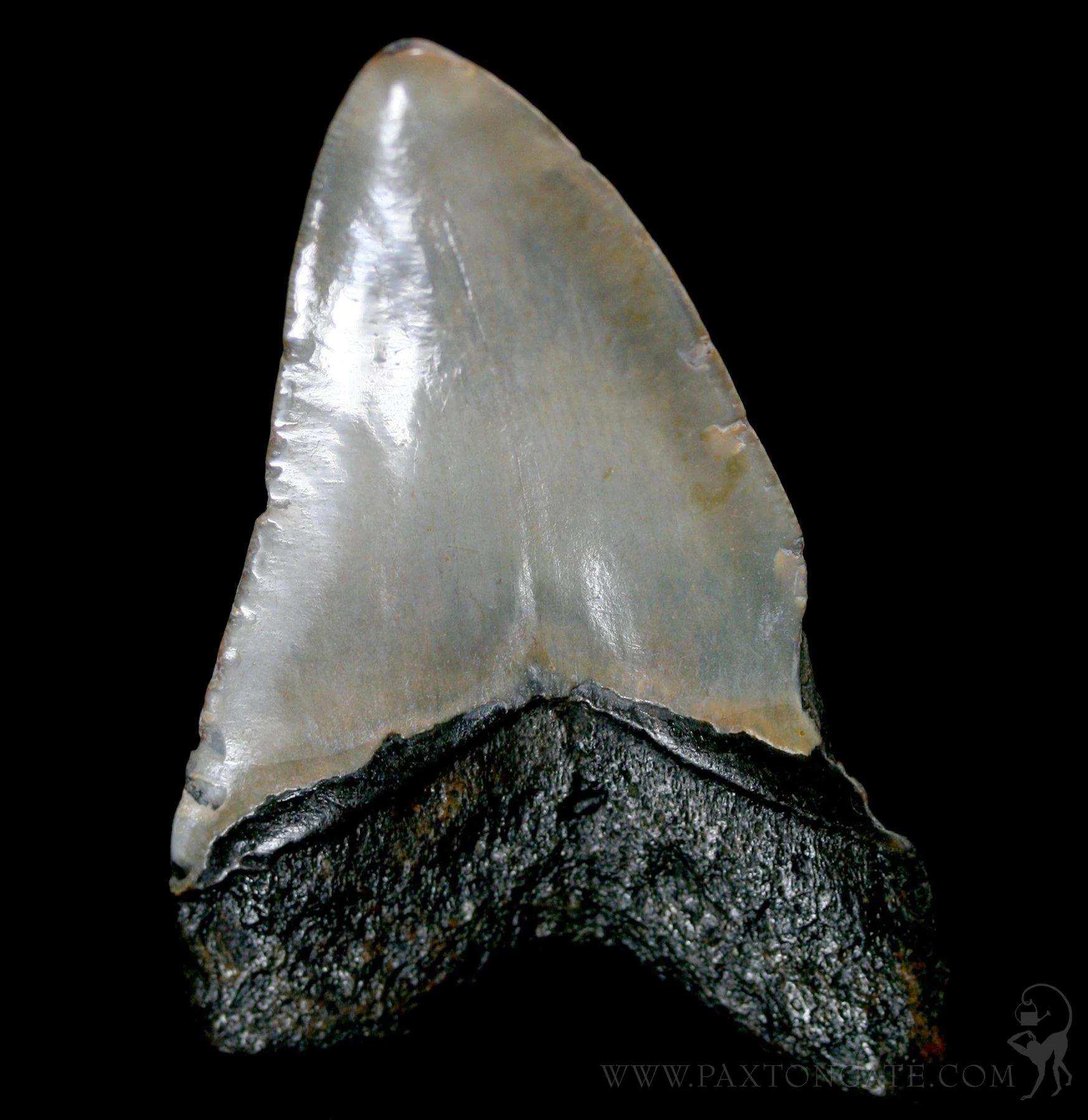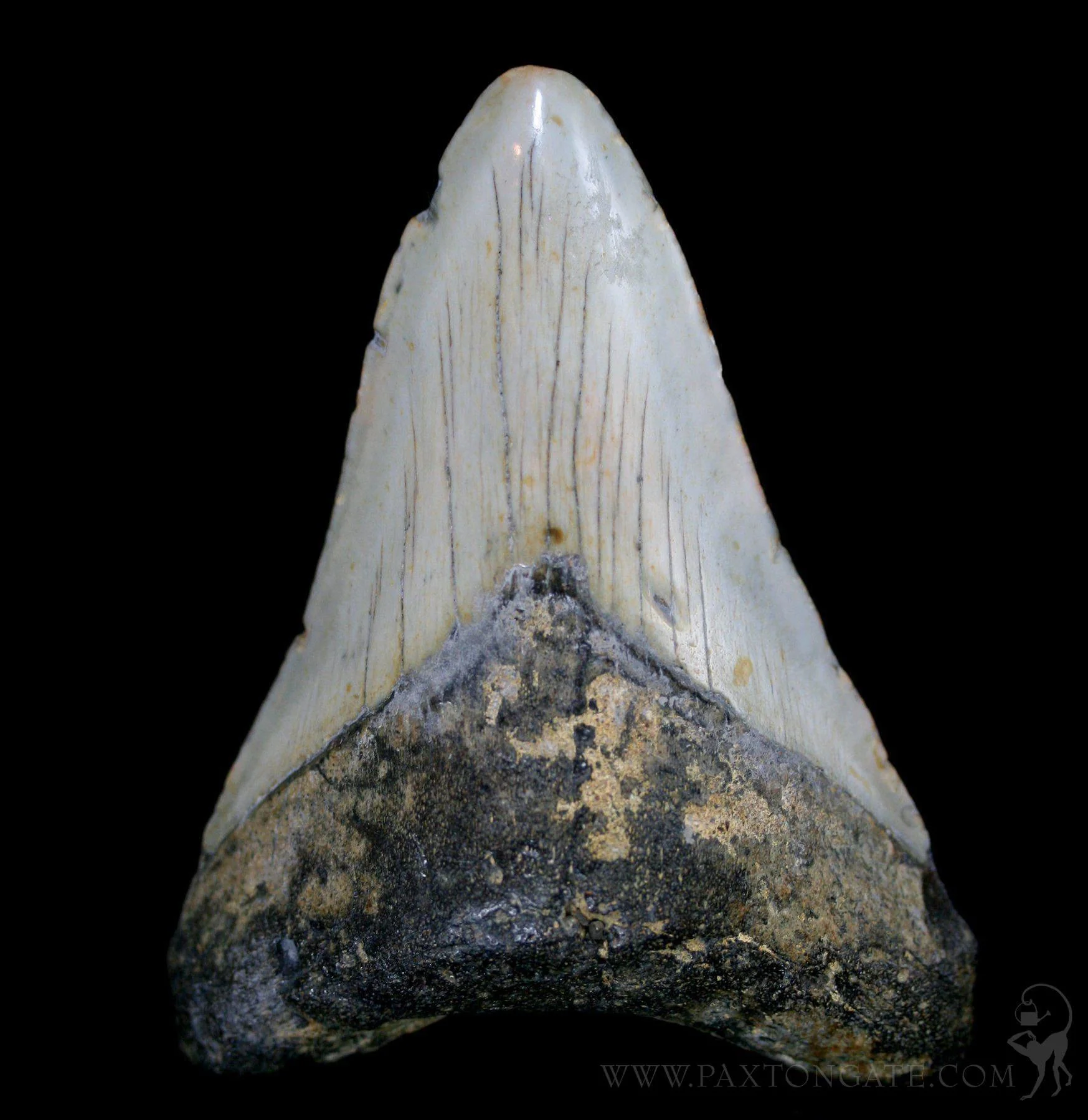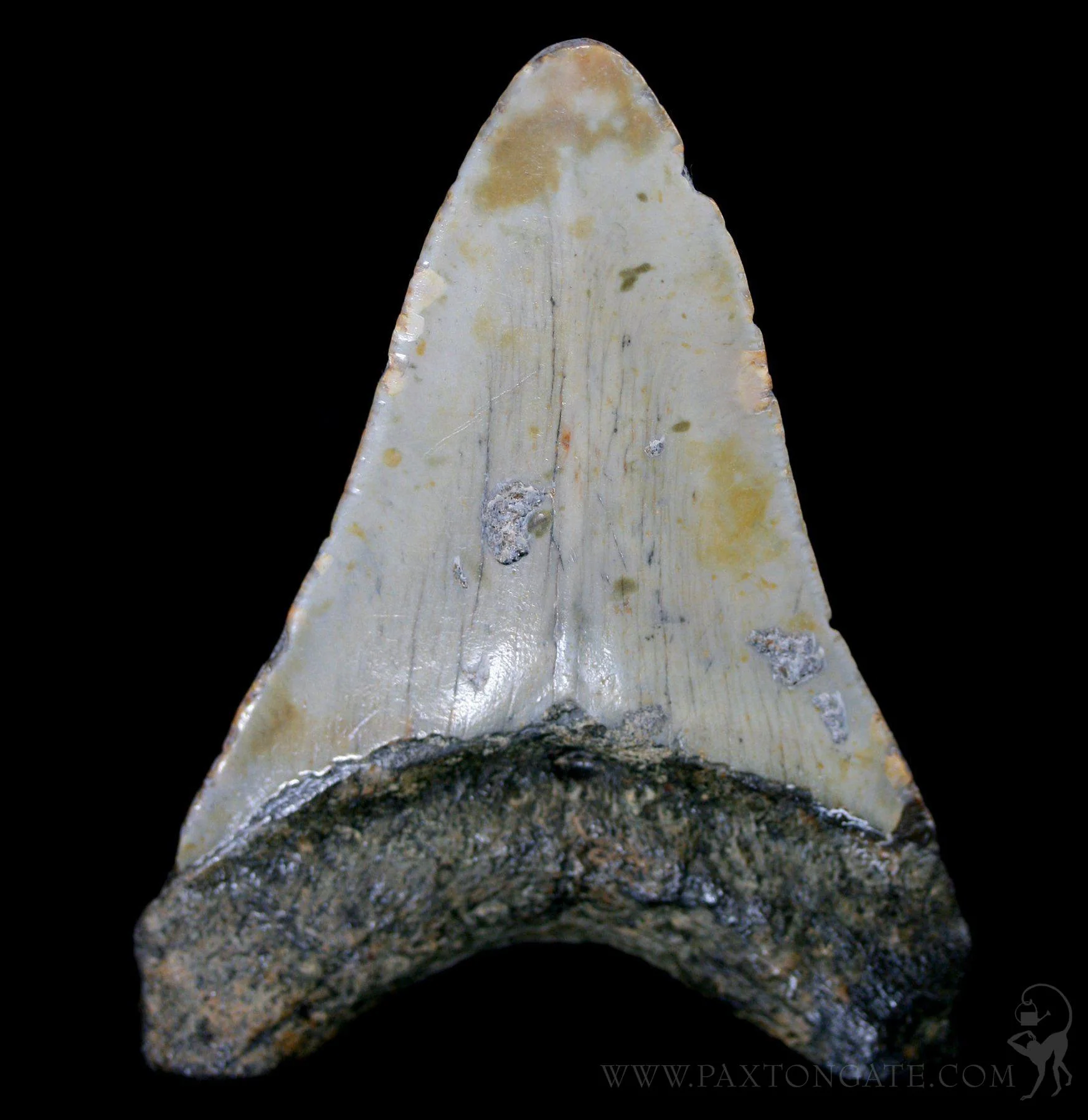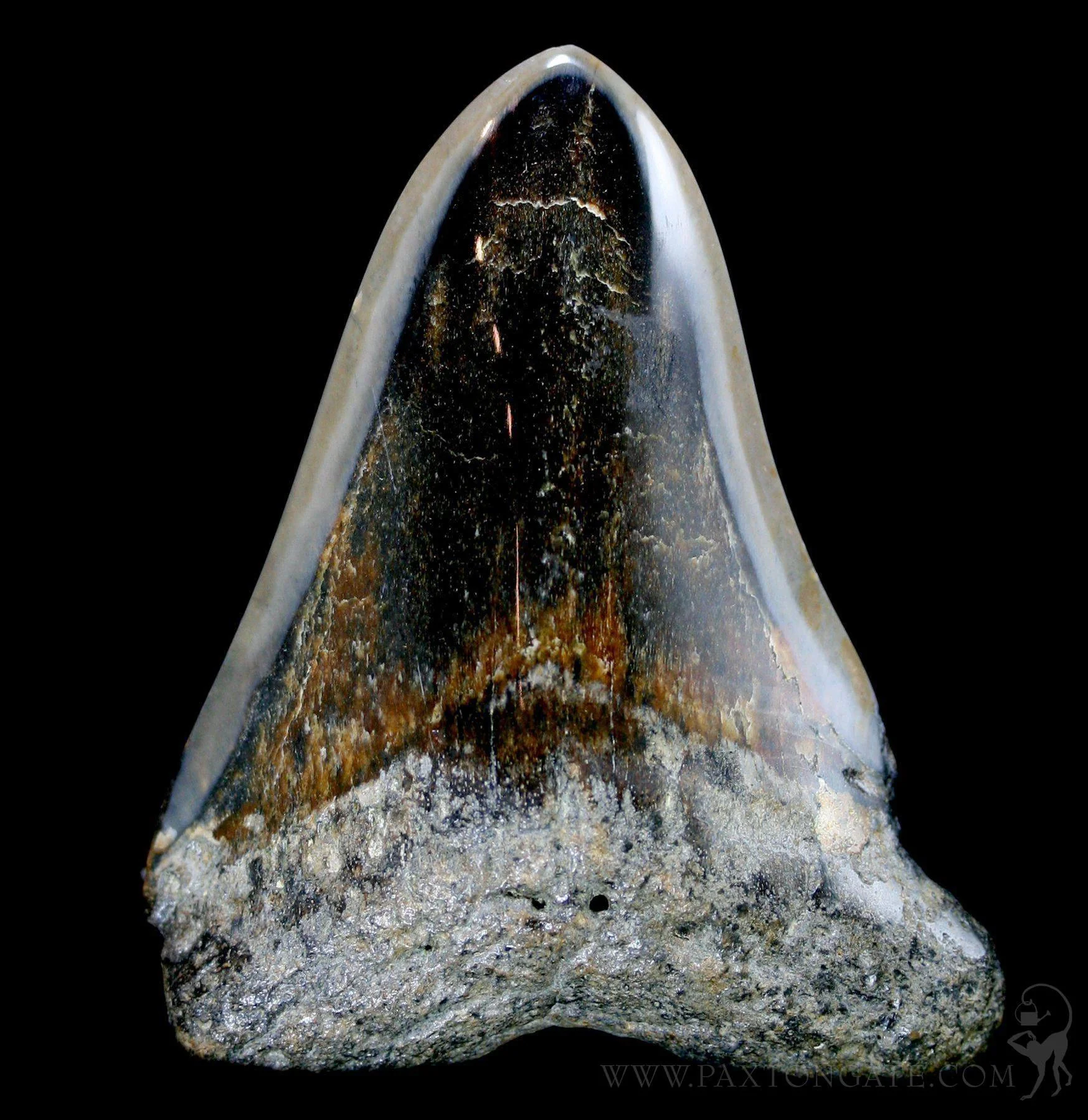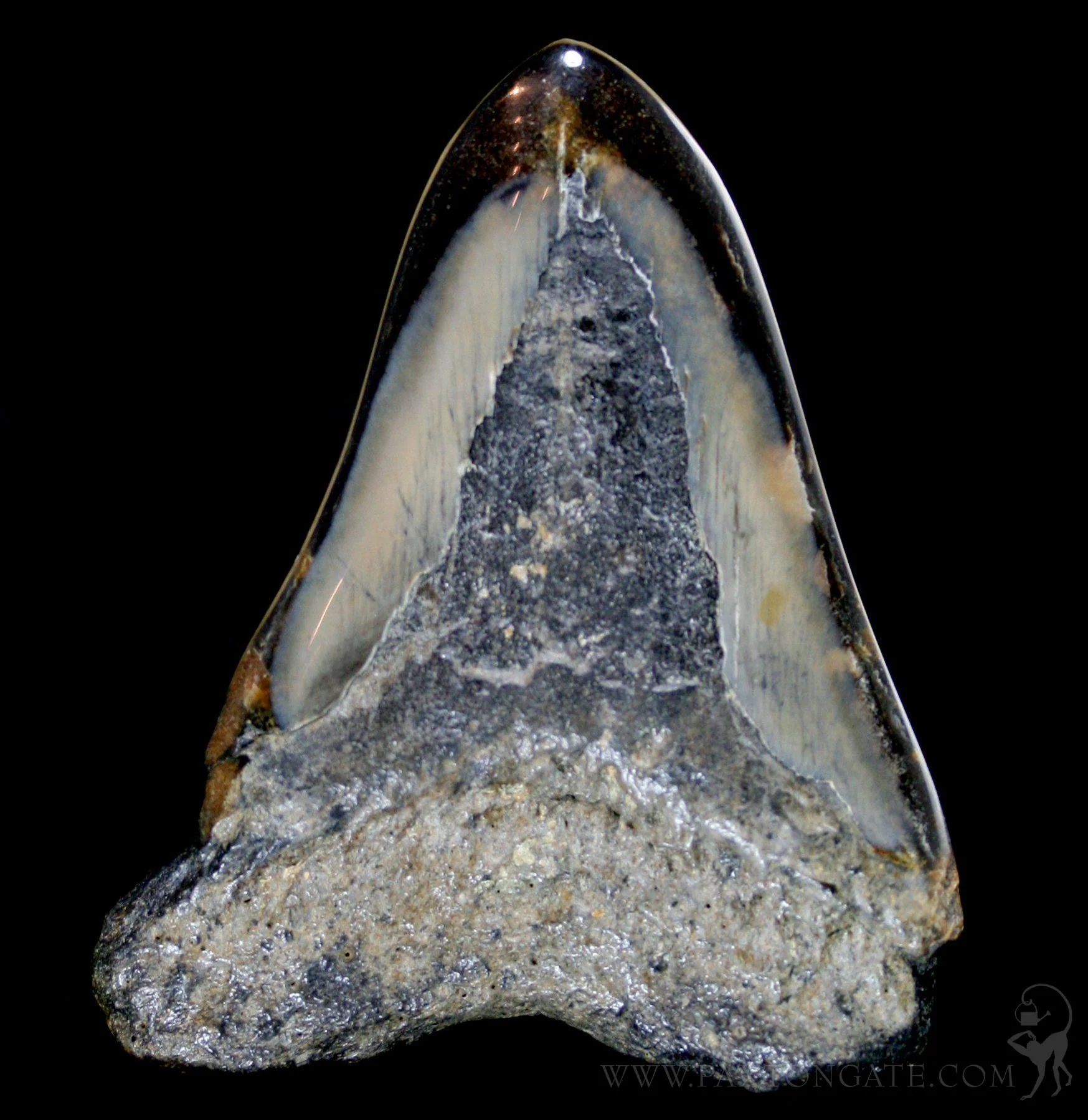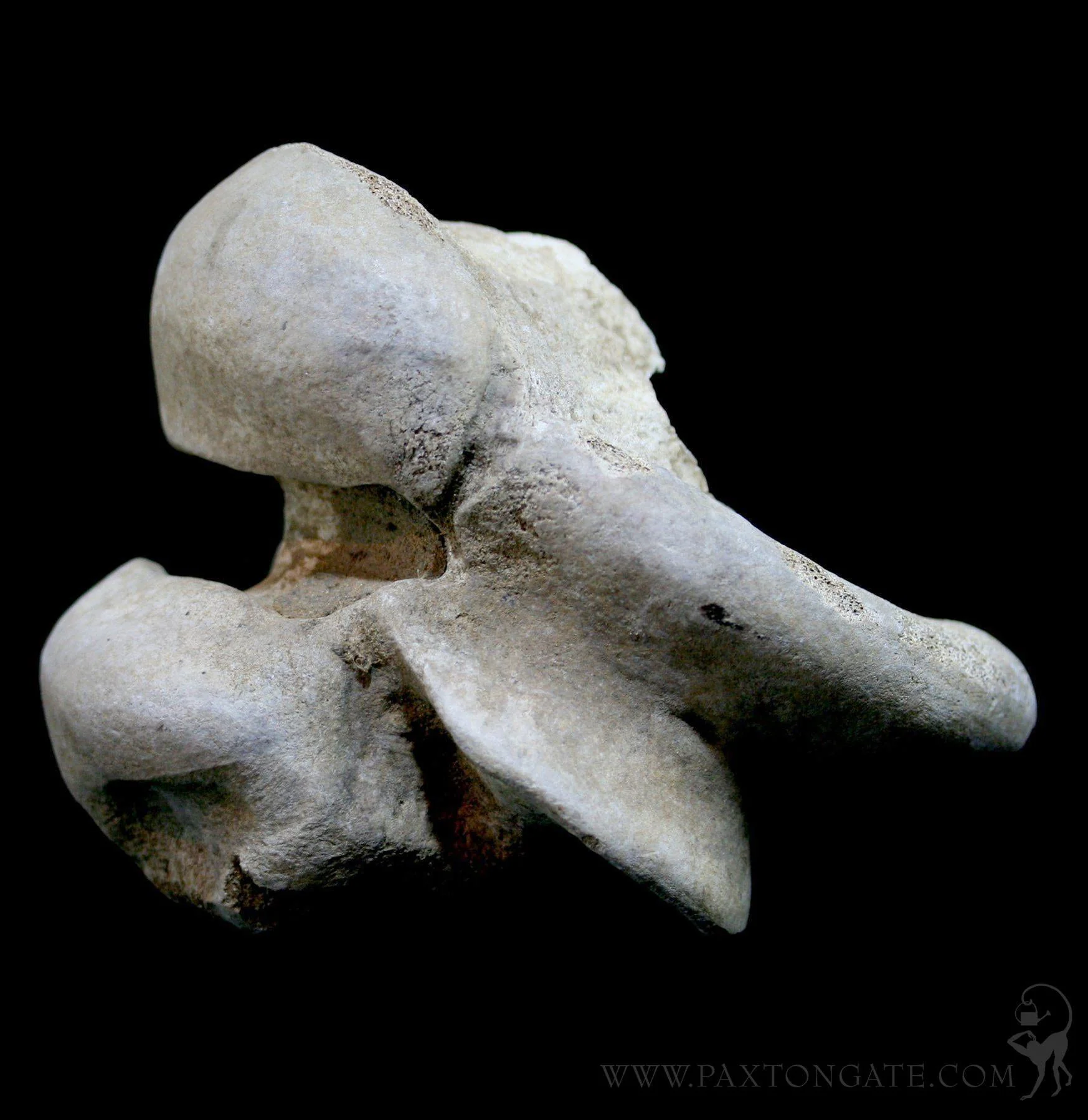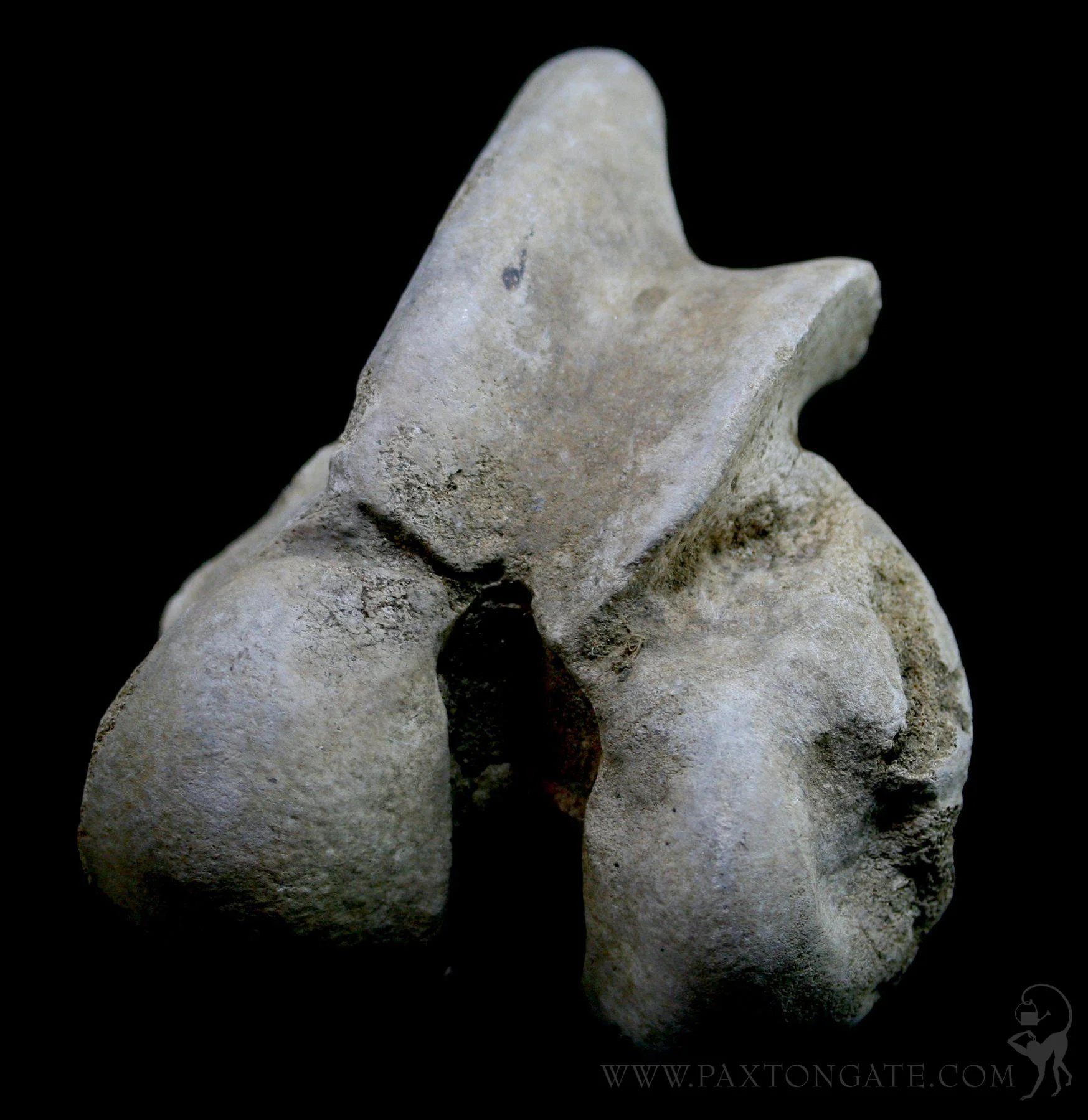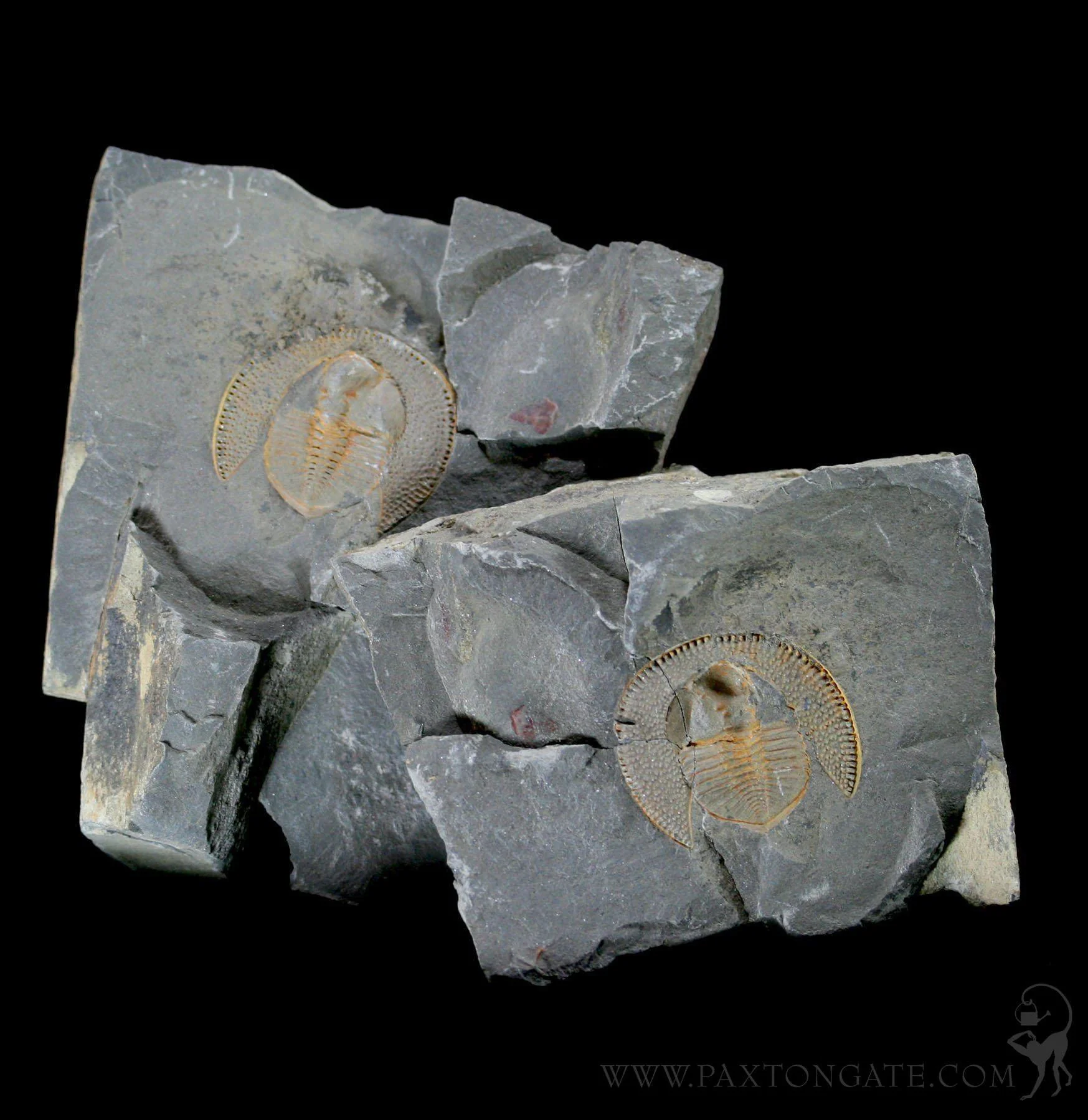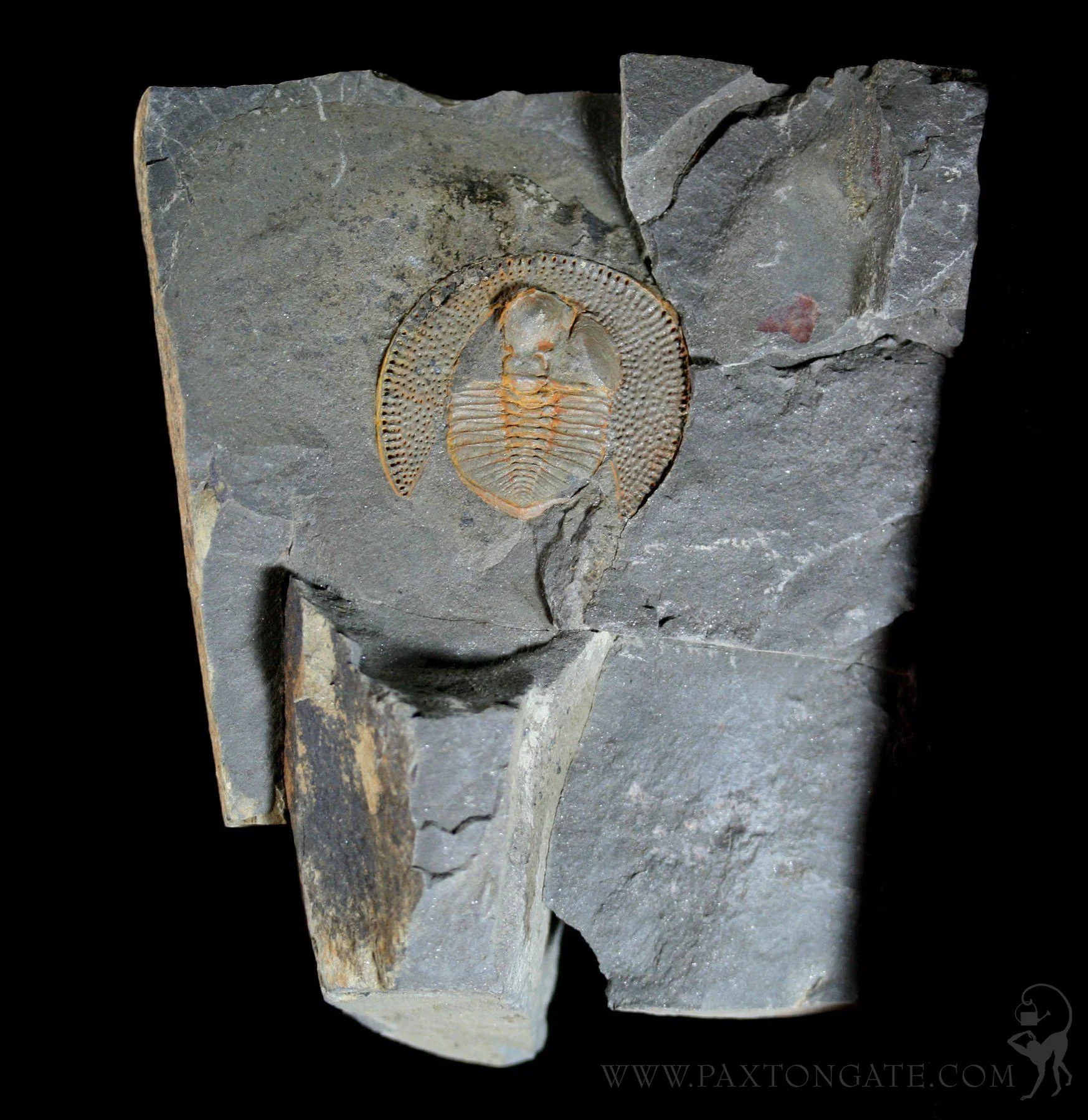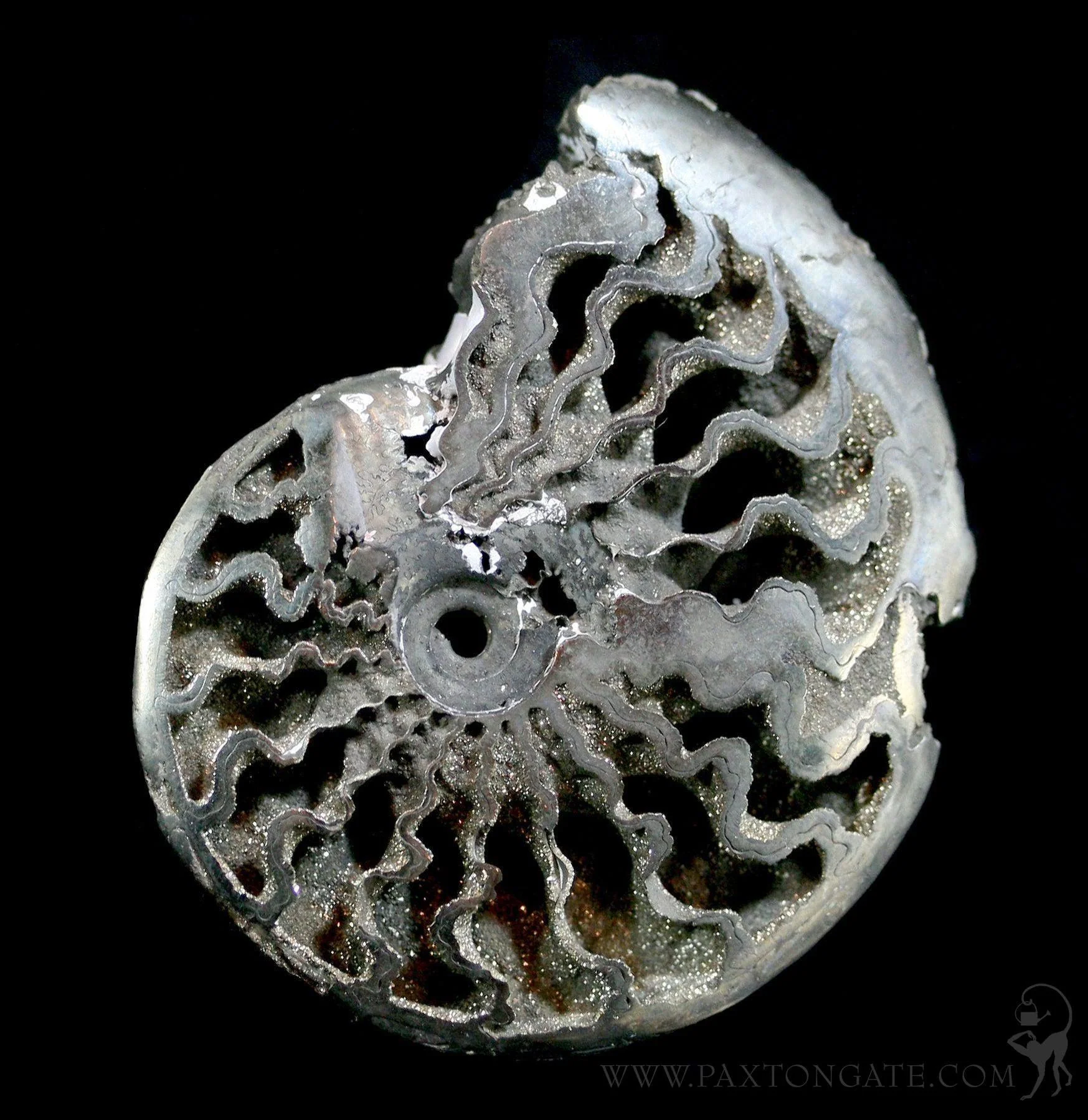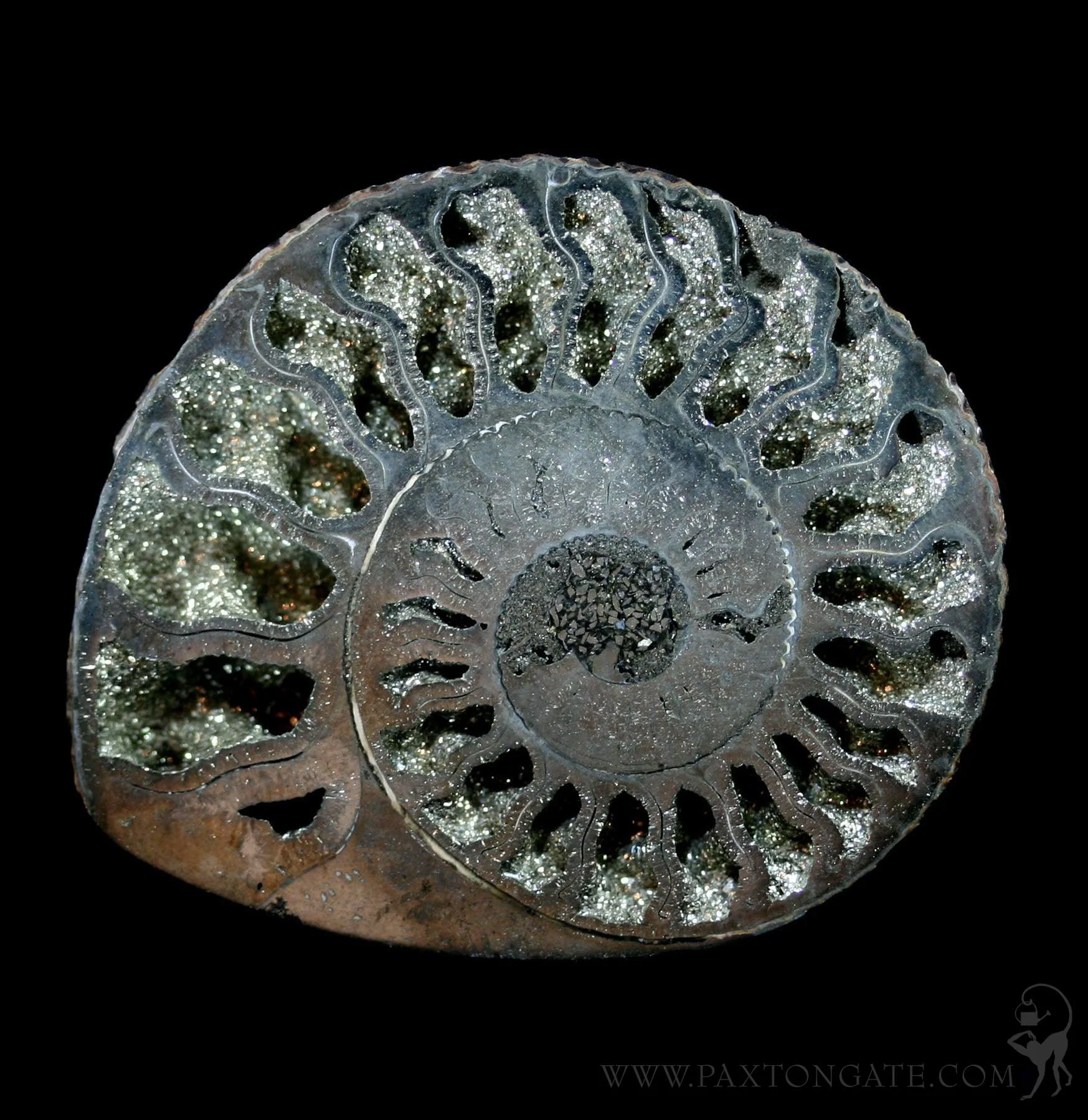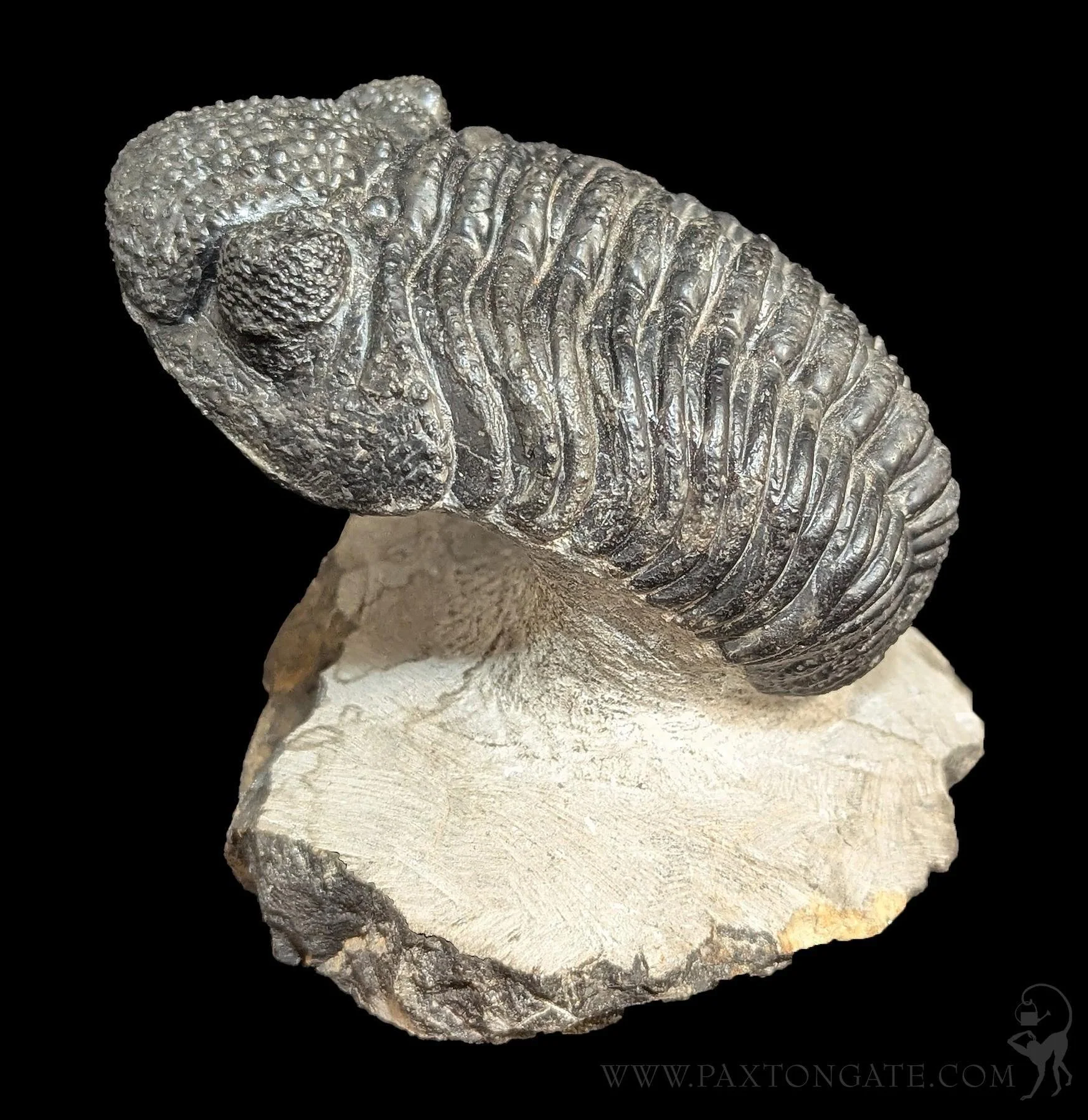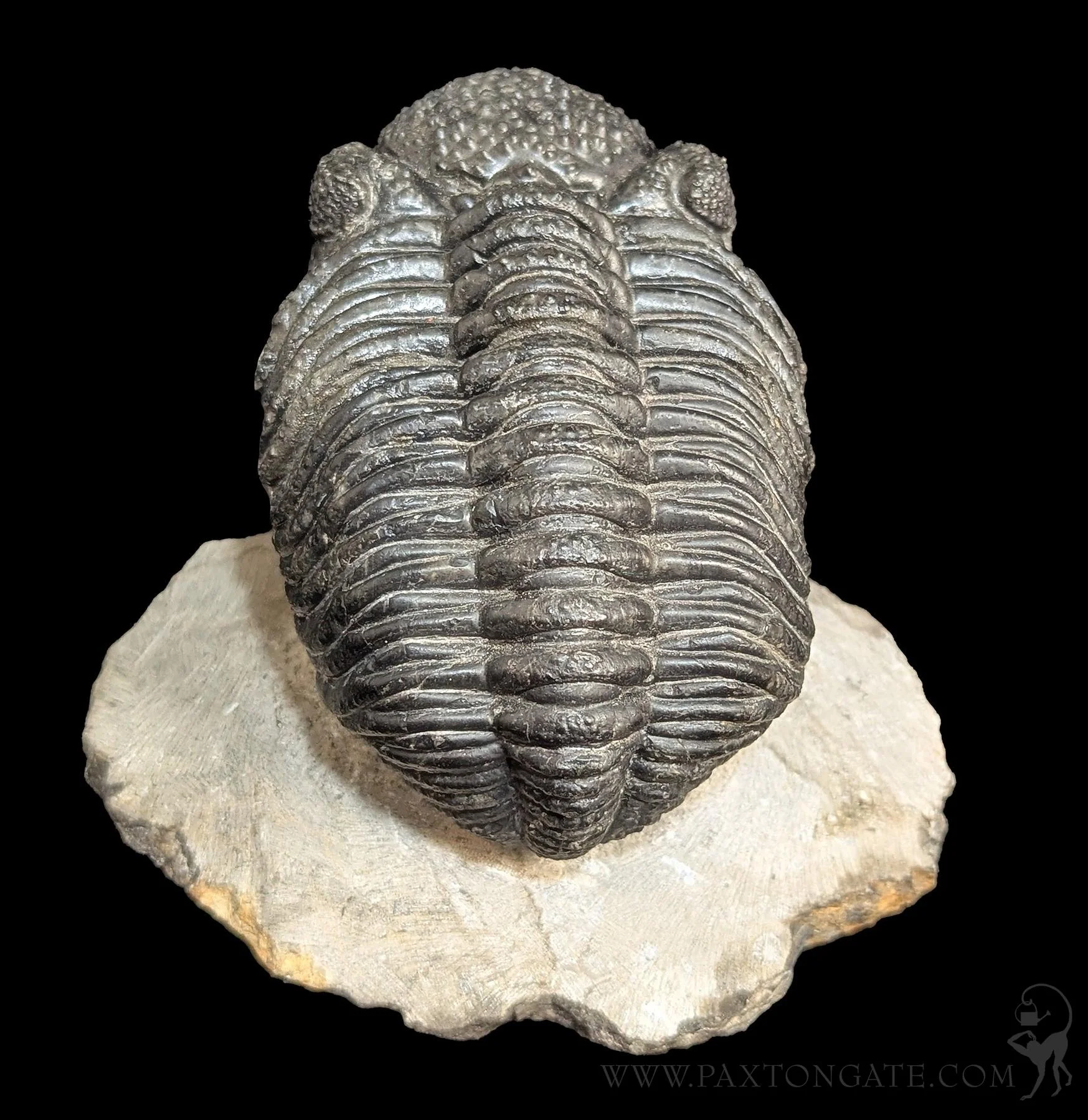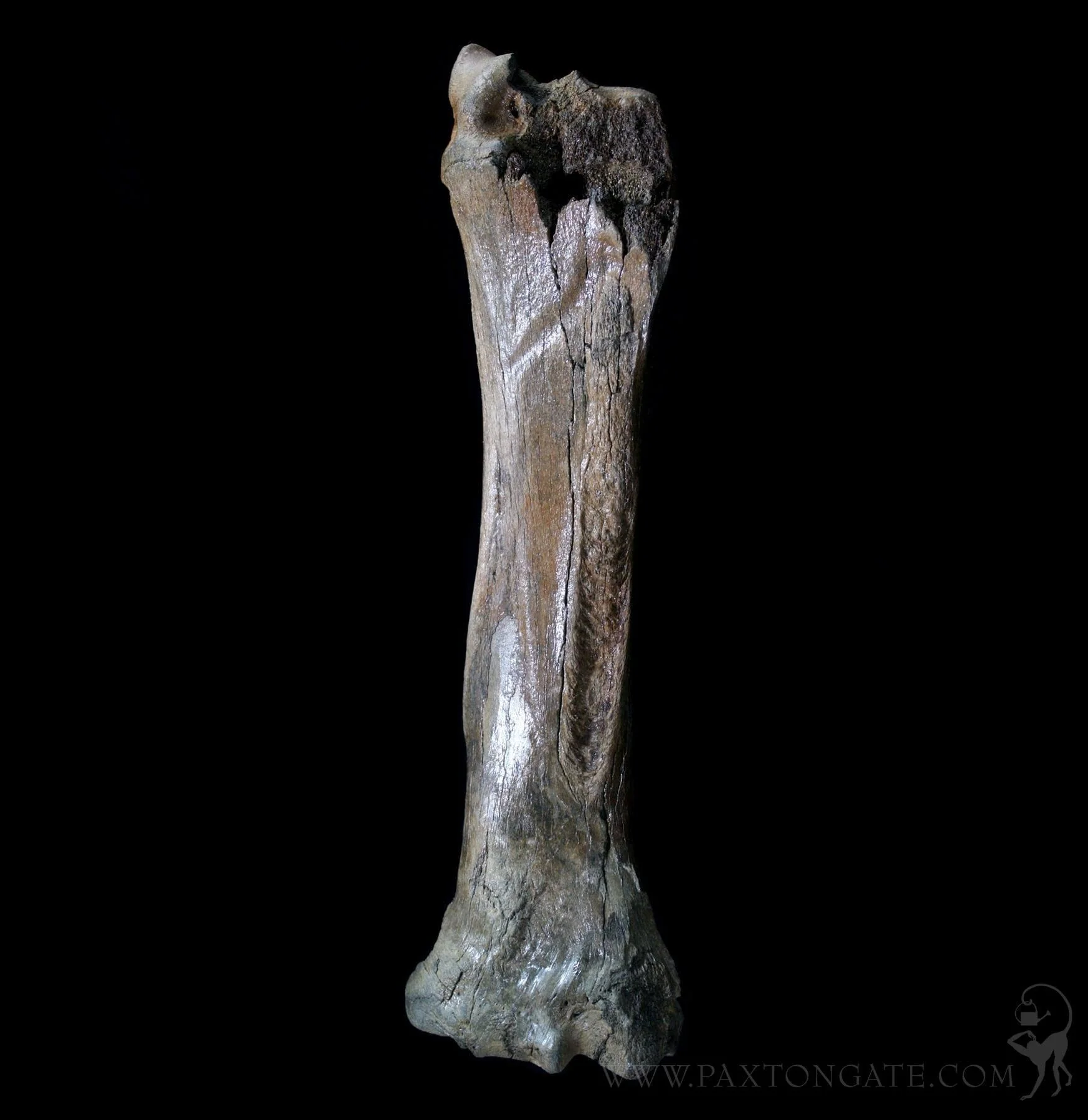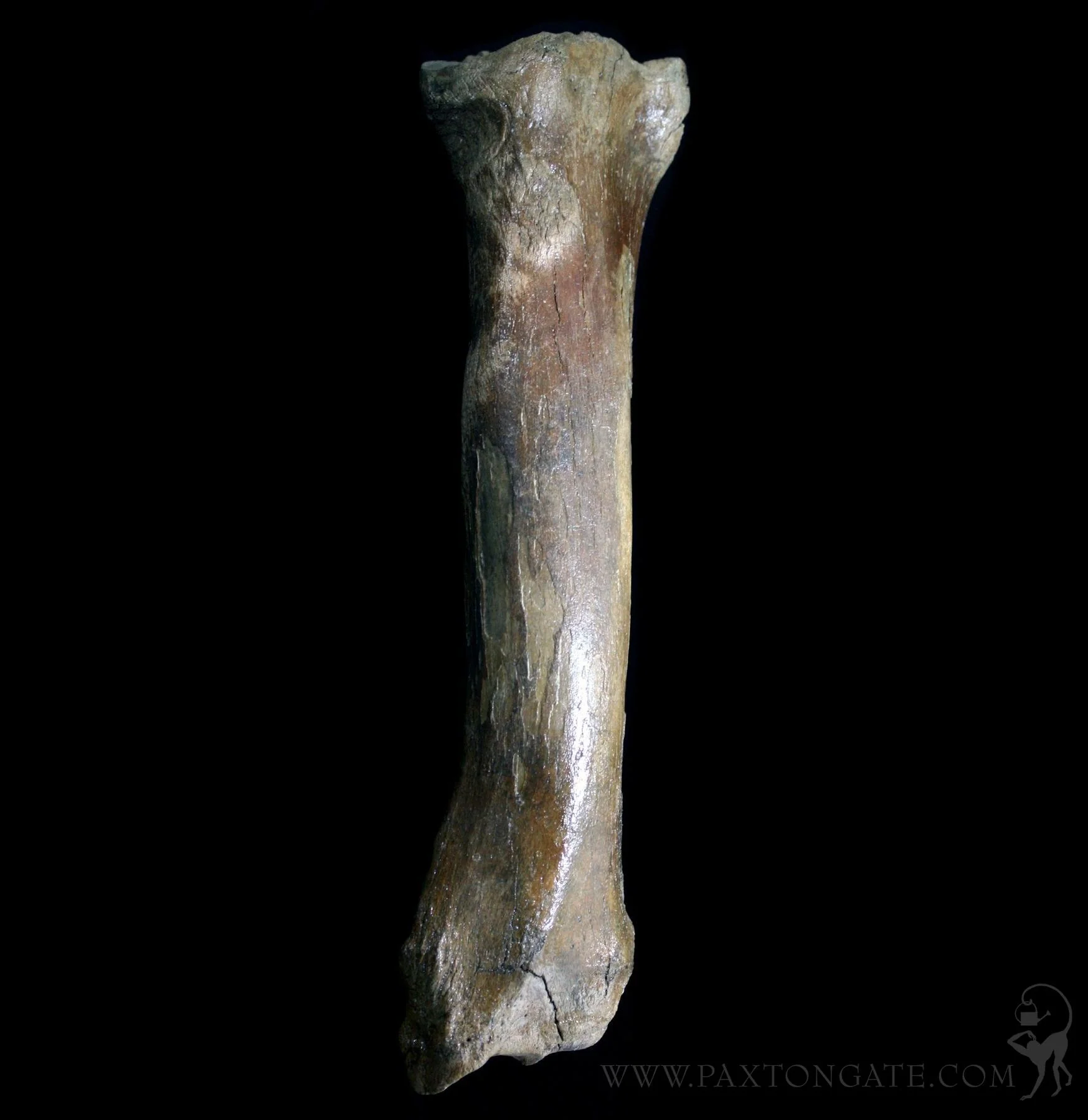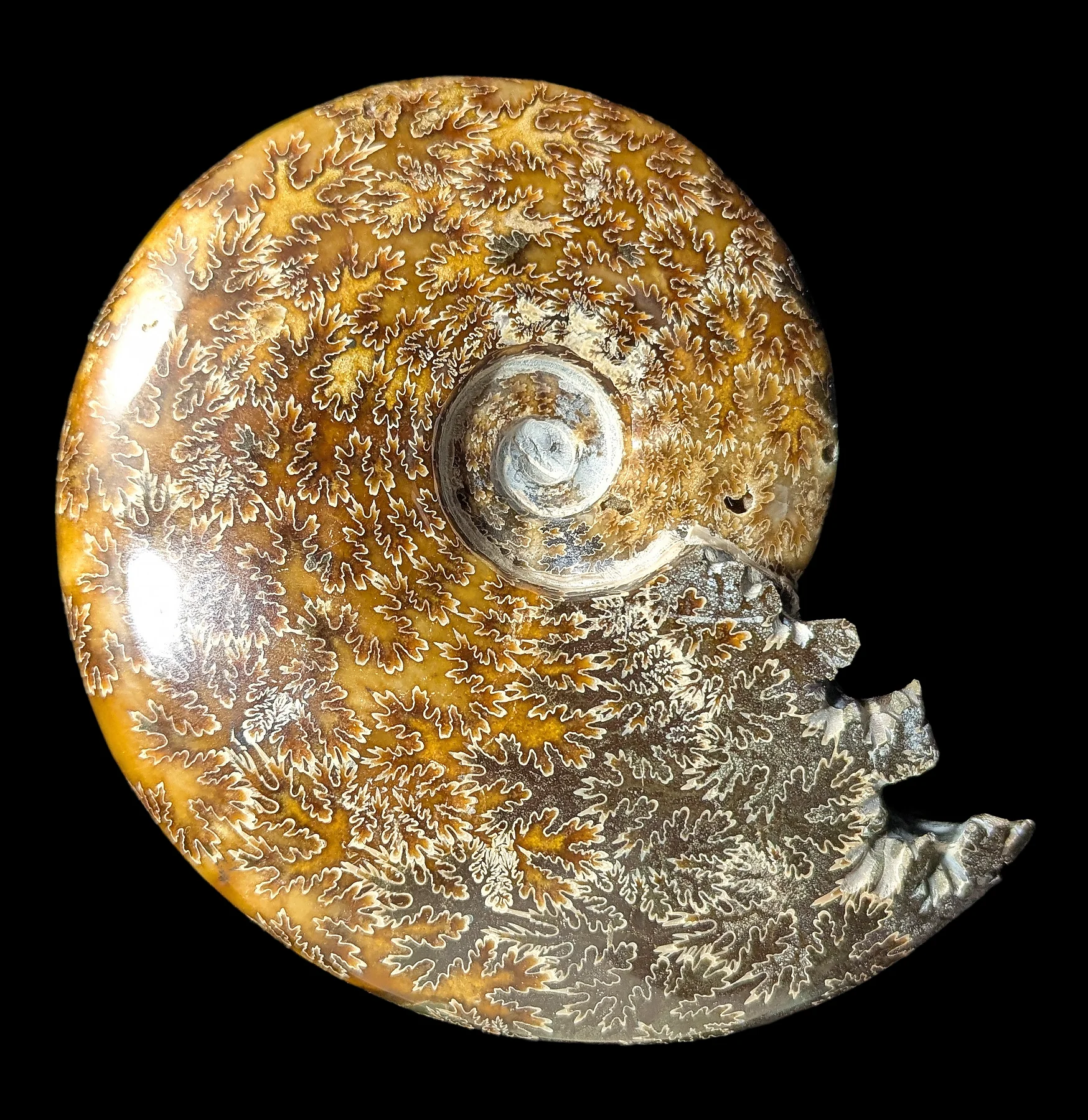
Polished Whole Ammonite End Chambered Specimen 2
Cleoniceras sp.
6-7"
Ammonites lived during the periods of Earth history known as the Jurassic and Cretaceous. Together, these represent a time interval of about 140 million years. The Jurassic Period began about 201 million years ago and the Cretaceous Period ended about 66 million years ago.
Ammonites are one of the most common fossils that exist today. Before hitting extinction along with the dinosaurs, the squid-like creatures roamed the oceans in schools, using an organ called a siphuncle to jet through the water. Their remains are simply beautiful and a cornerstone of any nautical or fossil collection.
Its name comes from the Ancient Egyptian God, Amun, who was often depicted wearing ram horns. The spiral shape of the fossil is reminiscent of those horns, hence the name. In Ancient Greece, Ammonite was thought to possess the power of Zeus. All throughout history, humans have been captivated by these beautiful fossils and enraptured by their unique spiral pattern. Today, we here at Paxton gate are still enchanted by these wonders of nature.
According to metaphysics: All fossils are thought to support transformation and change. They are believed to assist you in moving from the old to the new and be receptive to the fresh, innovative forces. Ammonites in particular have a few different meanings depending on the coloration. They have an incredibly diverse coloration, with brown and black being the primary energies emanating from this fossil. Brown is often linked to grounding and stability, while black represents protection and transformation.
Cleoniceras sp.
6-7"
Ammonites lived during the periods of Earth history known as the Jurassic and Cretaceous. Together, these represent a time interval of about 140 million years. The Jurassic Period began about 201 million years ago and the Cretaceous Period ended about 66 million years ago.
Ammonites are one of the most common fossils that exist today. Before hitting extinction along with the dinosaurs, the squid-like creatures roamed the oceans in schools, using an organ called a siphuncle to jet through the water. Their remains are simply beautiful and a cornerstone of any nautical or fossil collection.
Its name comes from the Ancient Egyptian God, Amun, who was often depicted wearing ram horns. The spiral shape of the fossil is reminiscent of those horns, hence the name. In Ancient Greece, Ammonite was thought to possess the power of Zeus. All throughout history, humans have been captivated by these beautiful fossils and enraptured by their unique spiral pattern. Today, we here at Paxton gate are still enchanted by these wonders of nature.
According to metaphysics: All fossils are thought to support transformation and change. They are believed to assist you in moving from the old to the new and be receptive to the fresh, innovative forces. Ammonites in particular have a few different meanings depending on the coloration. They have an incredibly diverse coloration, with brown and black being the primary energies emanating from this fossil. Brown is often linked to grounding and stability, while black represents protection and transformation.
Original: $298.00
-65%$298.00
$104.30Description
Cleoniceras sp.
6-7"
Ammonites lived during the periods of Earth history known as the Jurassic and Cretaceous. Together, these represent a time interval of about 140 million years. The Jurassic Period began about 201 million years ago and the Cretaceous Period ended about 66 million years ago.
Ammonites are one of the most common fossils that exist today. Before hitting extinction along with the dinosaurs, the squid-like creatures roamed the oceans in schools, using an organ called a siphuncle to jet through the water. Their remains are simply beautiful and a cornerstone of any nautical or fossil collection.
Its name comes from the Ancient Egyptian God, Amun, who was often depicted wearing ram horns. The spiral shape of the fossil is reminiscent of those horns, hence the name. In Ancient Greece, Ammonite was thought to possess the power of Zeus. All throughout history, humans have been captivated by these beautiful fossils and enraptured by their unique spiral pattern. Today, we here at Paxton gate are still enchanted by these wonders of nature.
According to metaphysics: All fossils are thought to support transformation and change. They are believed to assist you in moving from the old to the new and be receptive to the fresh, innovative forces. Ammonites in particular have a few different meanings depending on the coloration. They have an incredibly diverse coloration, with brown and black being the primary energies emanating from this fossil. Brown is often linked to grounding and stability, while black represents protection and transformation.