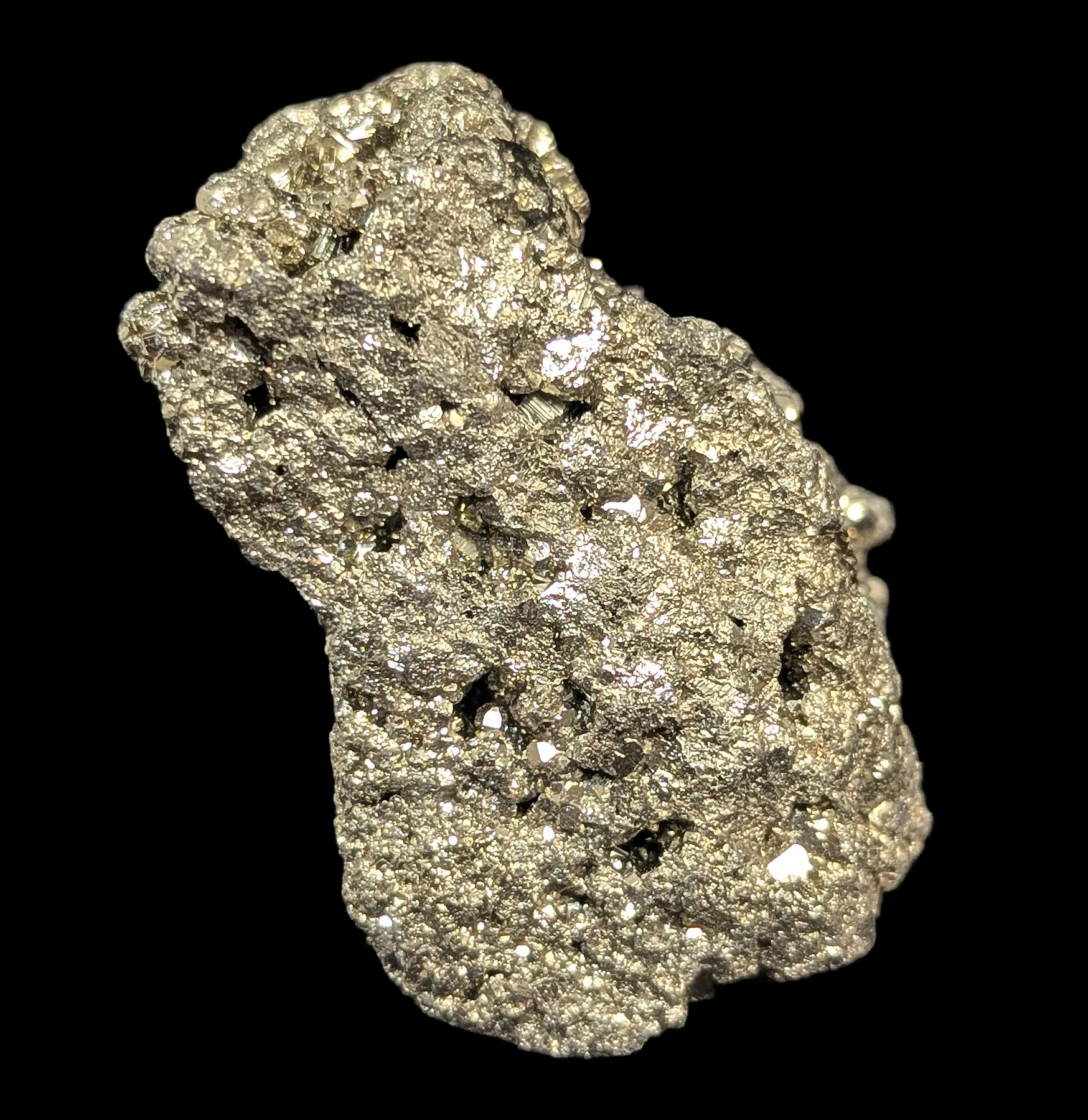
Pyrite Chispa Cluster
Sourced from Peru
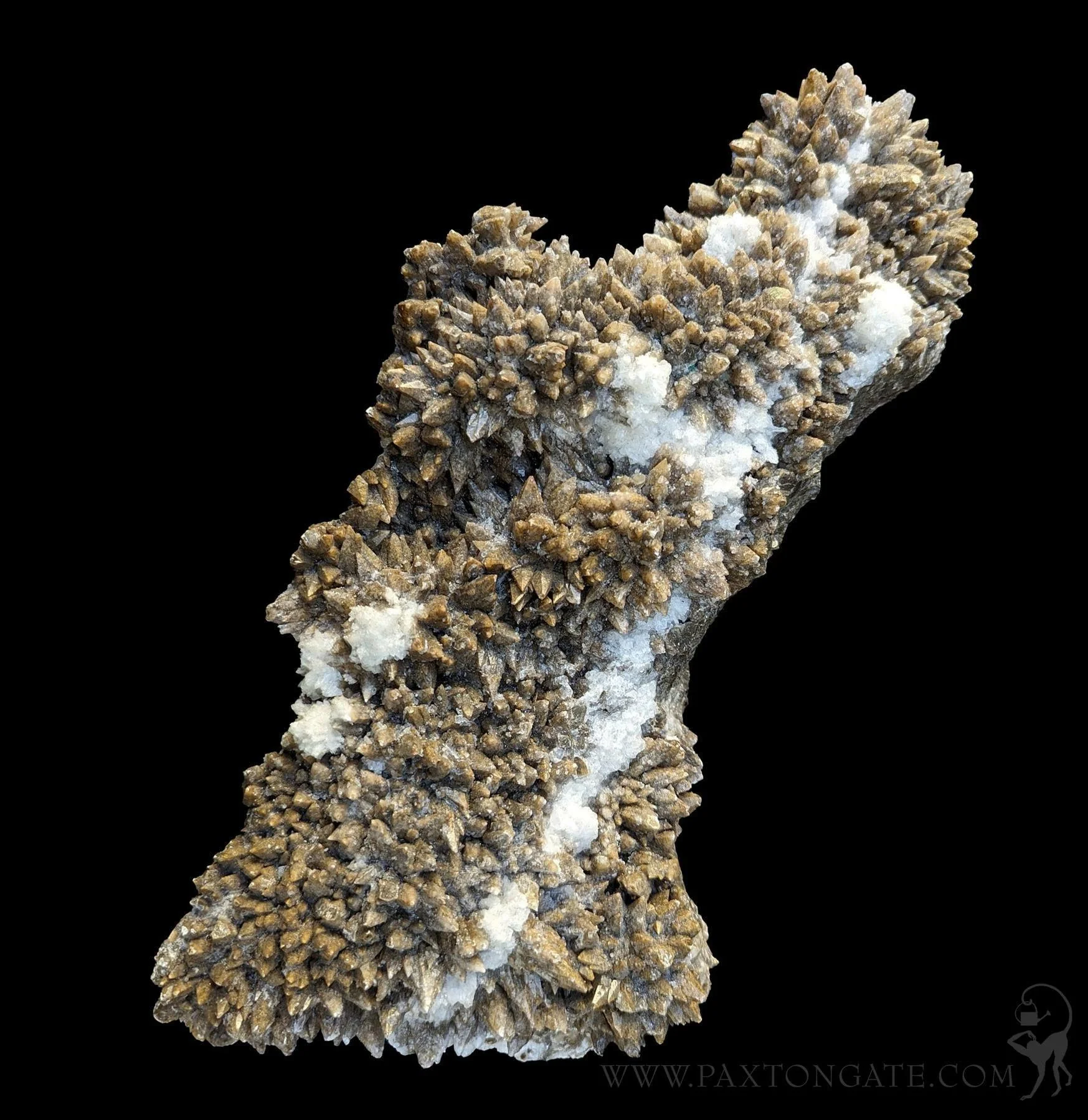
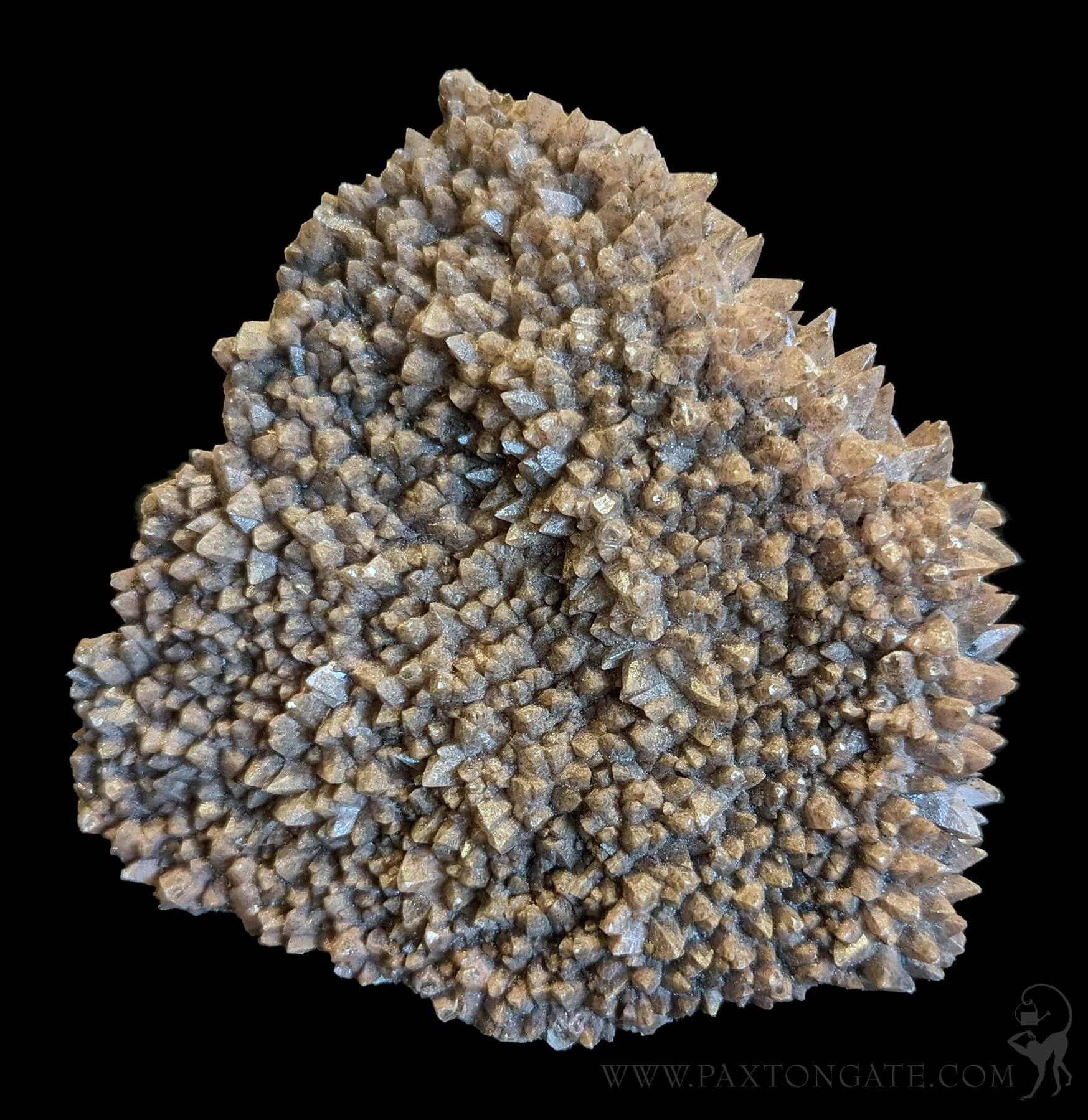
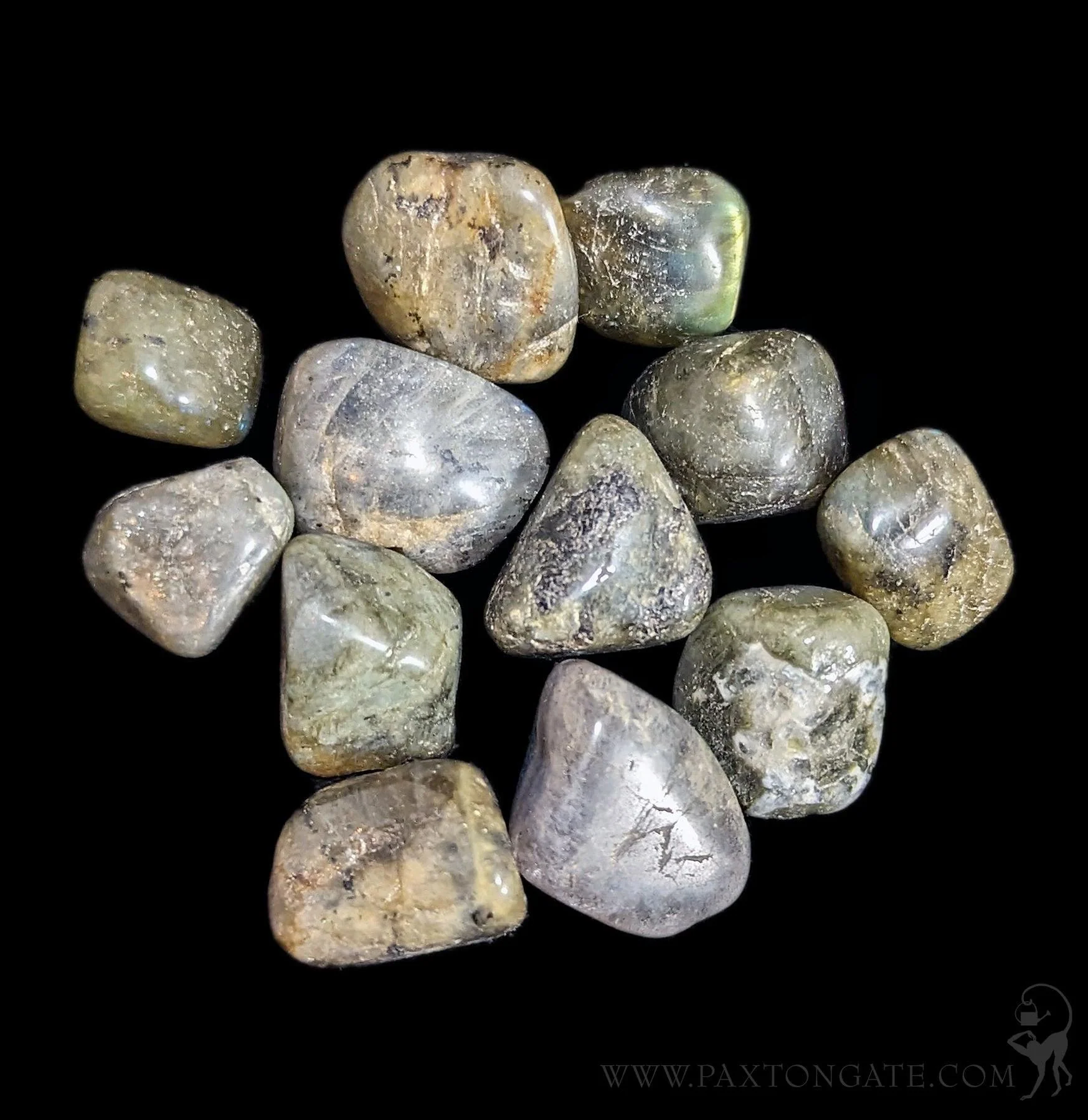
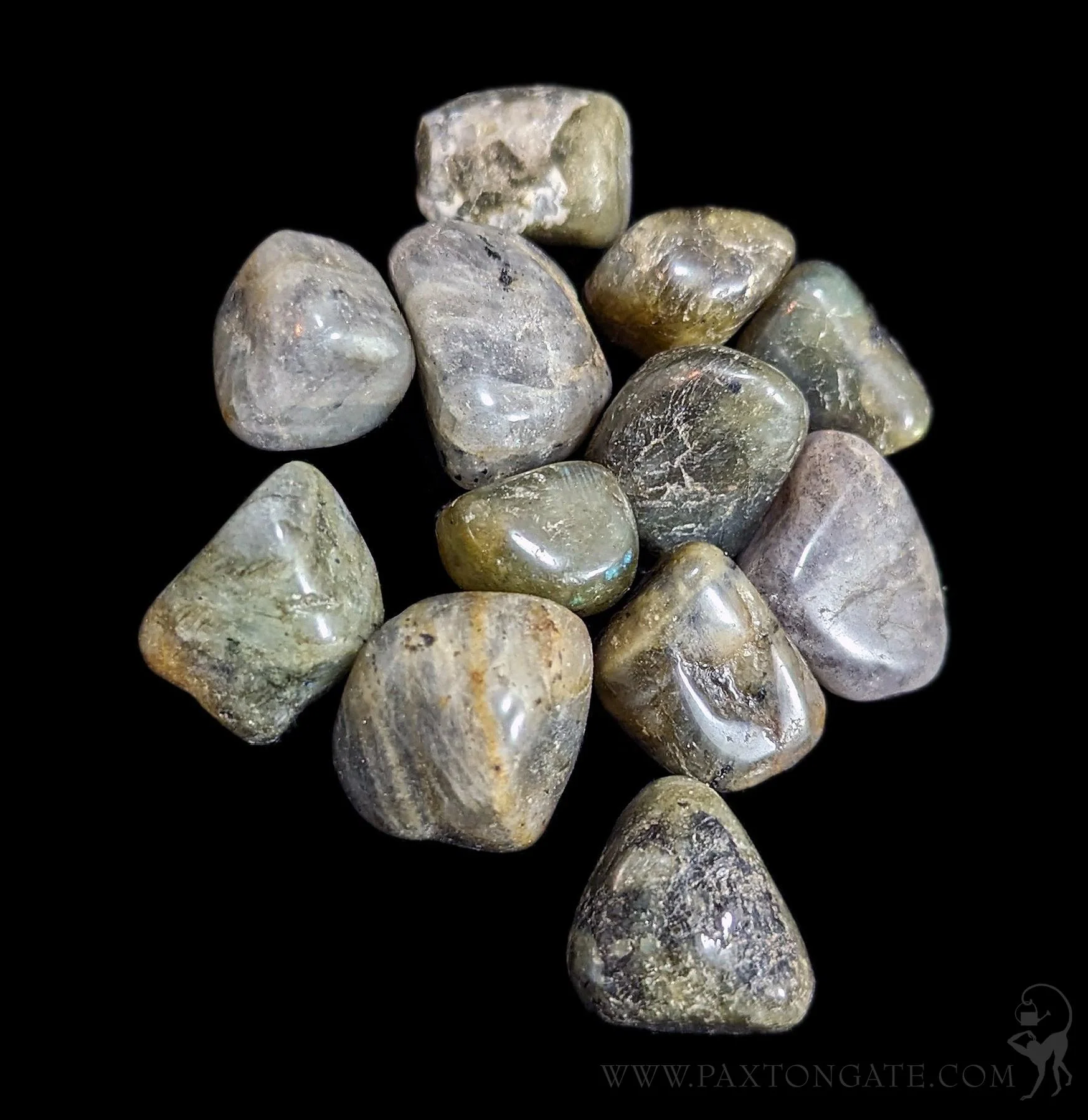
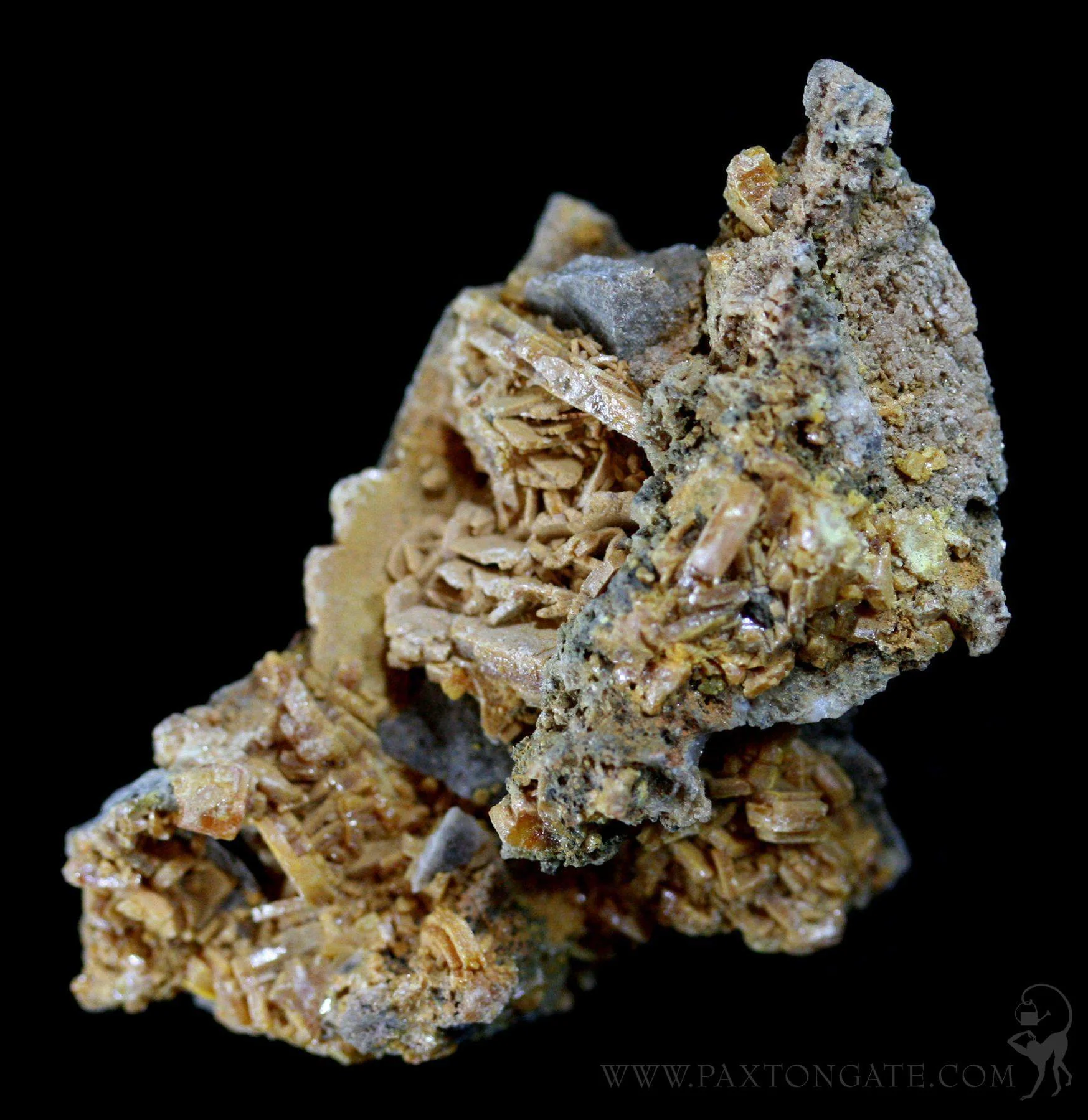
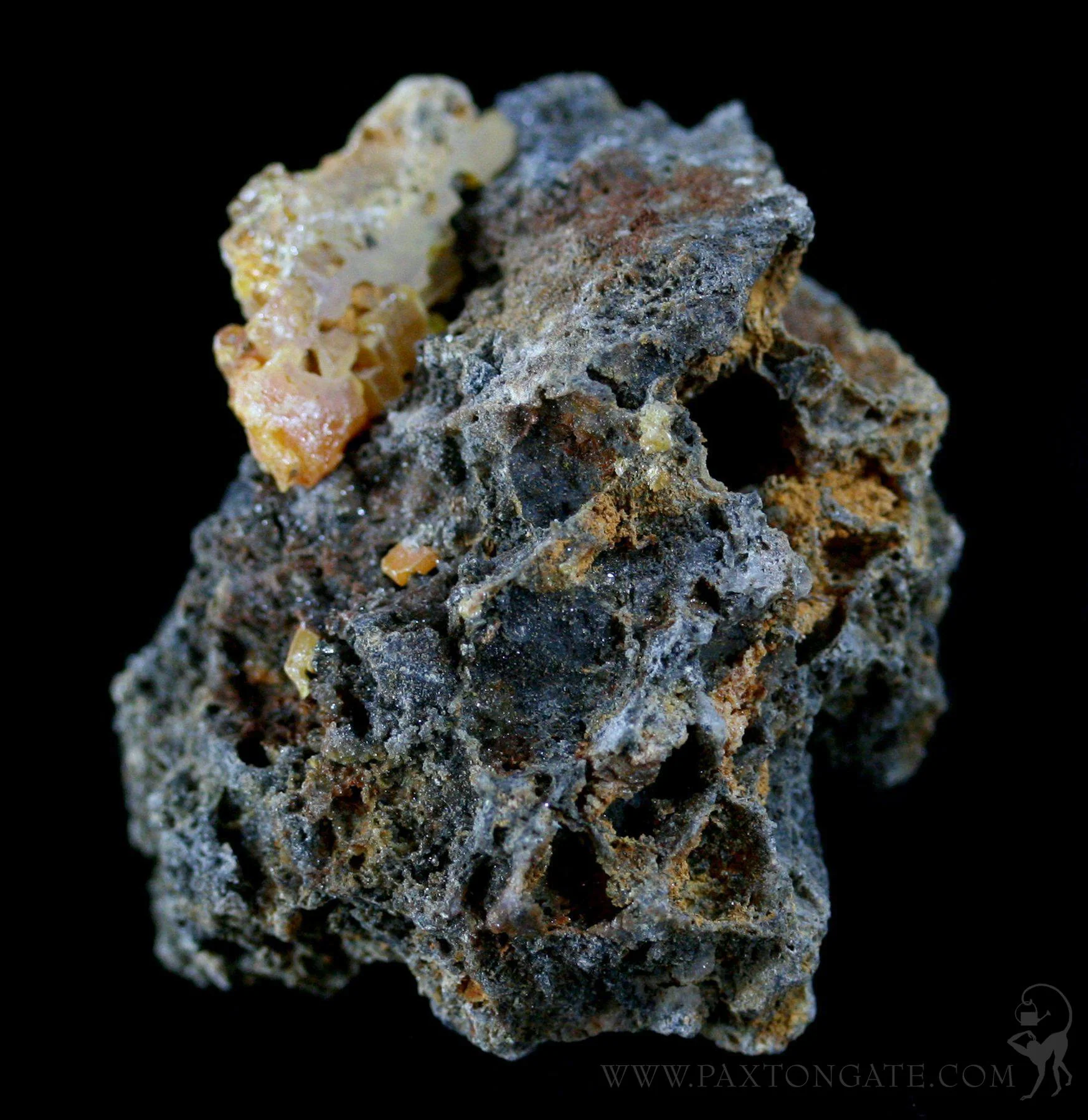
Most pyrite grows in those classic chunky cubes, but chispa completely breaks that mold. Pyrite Chispa is a type of pyrite specimen covered in tons of tiny sparkling crystals that create a glittery, almost sugar-like surface. The name comes from the Spanish word “chispa,” which means “spark” or “sparkle,” and that’s a pretty perfect description of how these little crystals catch the light. It’s still the same mineral, just formed in a different way, and honestly it has way more sparkle than the cubes could ever dream of having.
Here’s a bit more about pyrite in general:
Pyrite is that shiny, brass-yellow mineral you’ve probably seen before, and it really lives up to its nickname, “Fool’s Gold.” It’s made of iron sulfide and is the most common sulfide mineral out there. You can find it in igneous, metamorphic, and sedimentary rocks all over the world, usually in small amounts.
Pyrite got its nickname because its gold color and metallic shine often trick people into thinking it’s real gold. The name actually comes from the Greek word pyr, meaning “fire,” since pyrite can spark when struck against metal or another hard surface. Back in the day, people even used it to start fires or in flintlock guns. It definitely adds style points to getting the fire going or using a blunderbuss.
Sourced from Peru
Most pyrite grows in those classic chunky cubes, but chispa completely breaks that mold. Pyrite Chispa is a type of pyrite specimen covered in tons of tiny sparkling crystals that create a glittery, almost sugar-like surface. The name comes from the Spanish word “chispa,” which means “spark” or “sparkle,” and that’s a pretty perfect description of how these little crystals catch the light. It’s still the same mineral, just formed in a different way, and honestly it has way more sparkle than the cubes could ever dream of having.
Here’s a bit more about pyrite in general:
Pyrite is that shiny, brass-yellow mineral you’ve probably seen before, and it really lives up to its nickname, “Fool’s Gold.” It’s made of iron sulfide and is the most common sulfide mineral out there. You can find it in igneous, metamorphic, and sedimentary rocks all over the world, usually in small amounts.
Pyrite got its nickname because its gold color and metallic shine often trick people into thinking it’s real gold. The name actually comes from the Greek word pyr, meaning “fire,” since pyrite can spark when struck against metal or another hard surface. Back in the day, people even used it to start fires or in flintlock guns. It definitely adds style points to getting the fire going or using a blunderbuss.
Description
Sourced from Peru
Most pyrite grows in those classic chunky cubes, but chispa completely breaks that mold. Pyrite Chispa is a type of pyrite specimen covered in tons of tiny sparkling crystals that create a glittery, almost sugar-like surface. The name comes from the Spanish word “chispa,” which means “spark” or “sparkle,” and that’s a pretty perfect description of how these little crystals catch the light. It’s still the same mineral, just formed in a different way, and honestly it has way more sparkle than the cubes could ever dream of having.
Here’s a bit more about pyrite in general:
Pyrite is that shiny, brass-yellow mineral you’ve probably seen before, and it really lives up to its nickname, “Fool’s Gold.” It’s made of iron sulfide and is the most common sulfide mineral out there. You can find it in igneous, metamorphic, and sedimentary rocks all over the world, usually in small amounts.
Pyrite got its nickname because its gold color and metallic shine often trick people into thinking it’s real gold. The name actually comes from the Greek word pyr, meaning “fire,” since pyrite can spark when struck against metal or another hard surface. Back in the day, people even used it to start fires or in flintlock guns. It definitely adds style points to getting the fire going or using a blunderbuss.