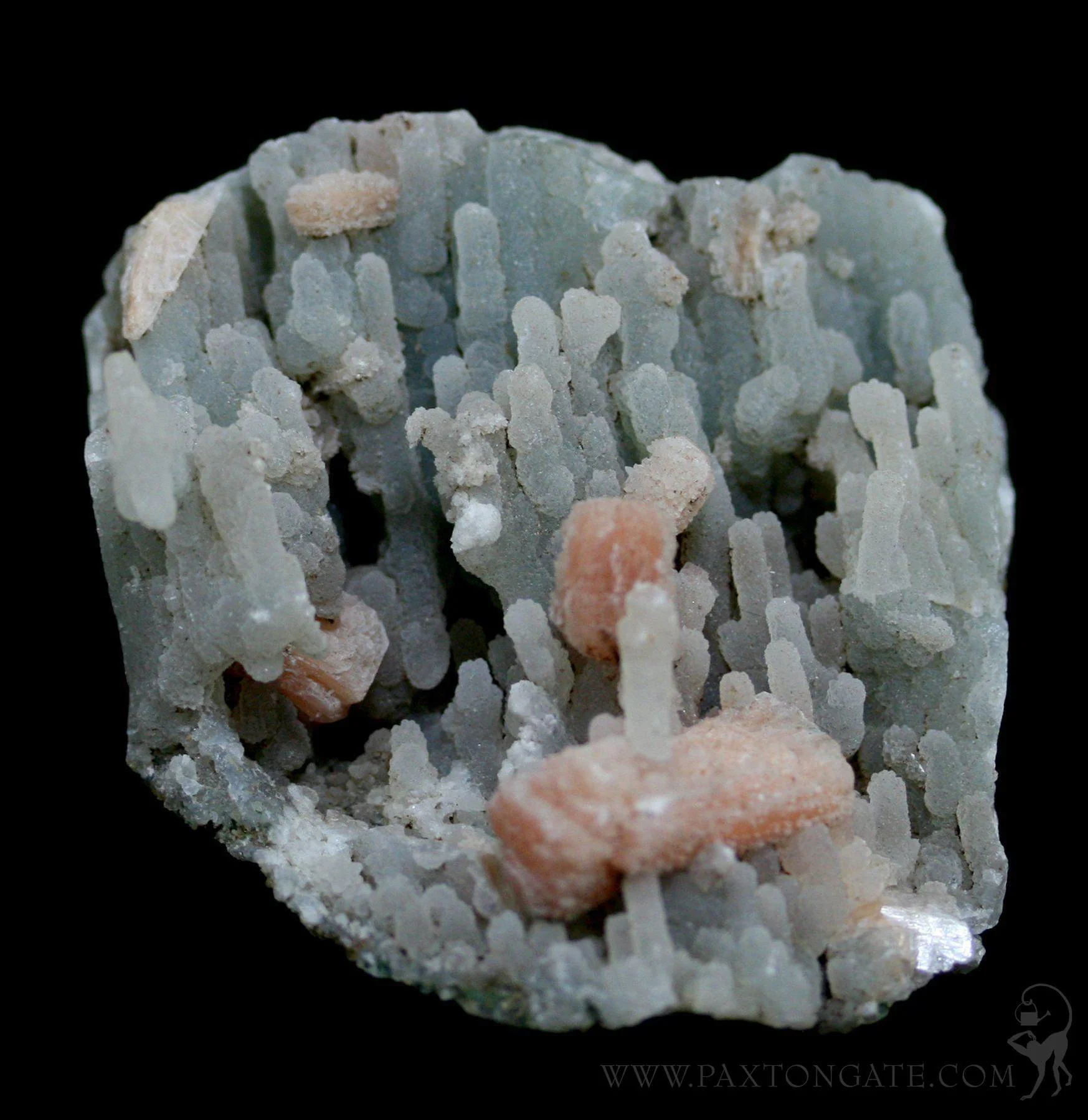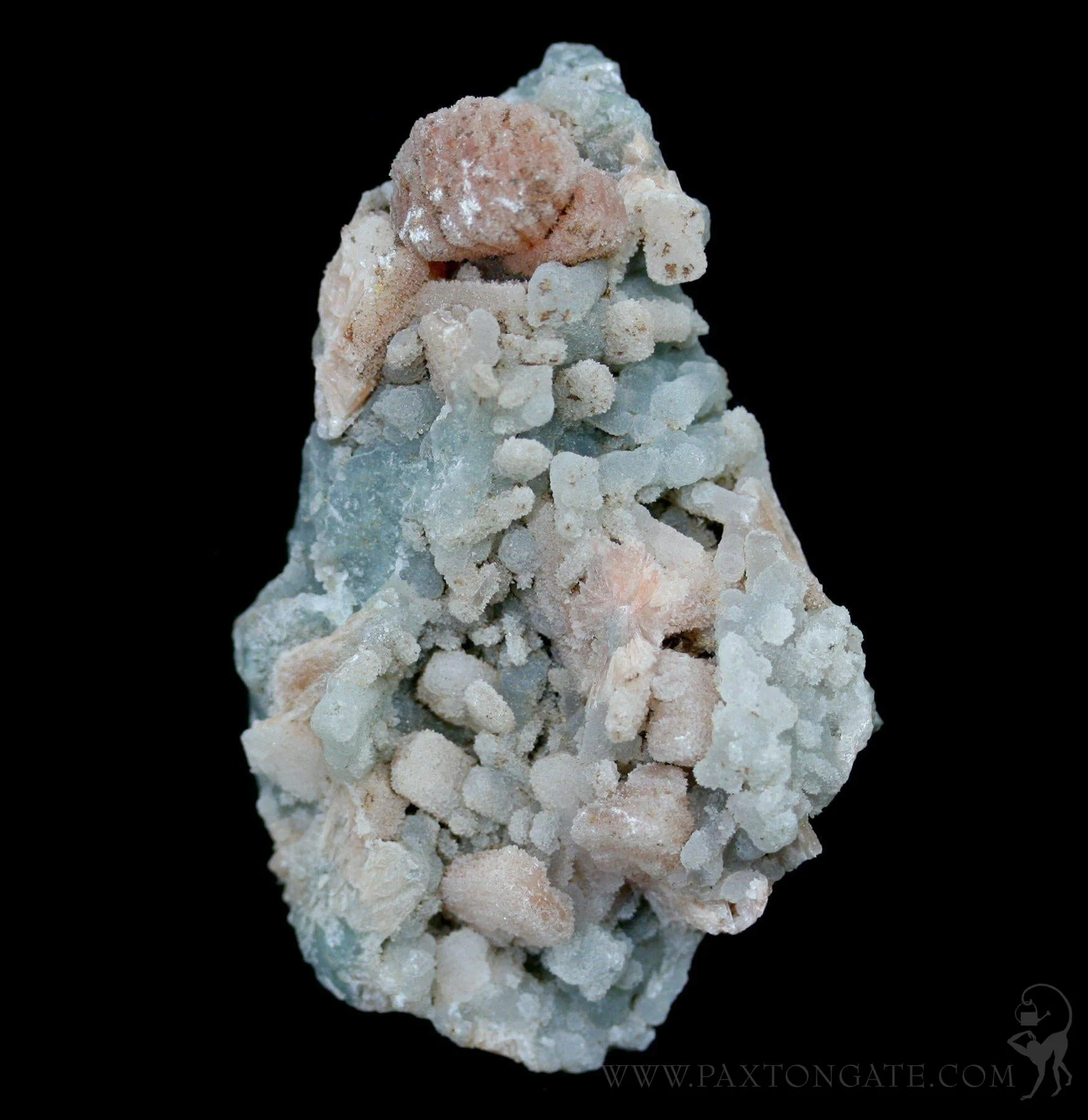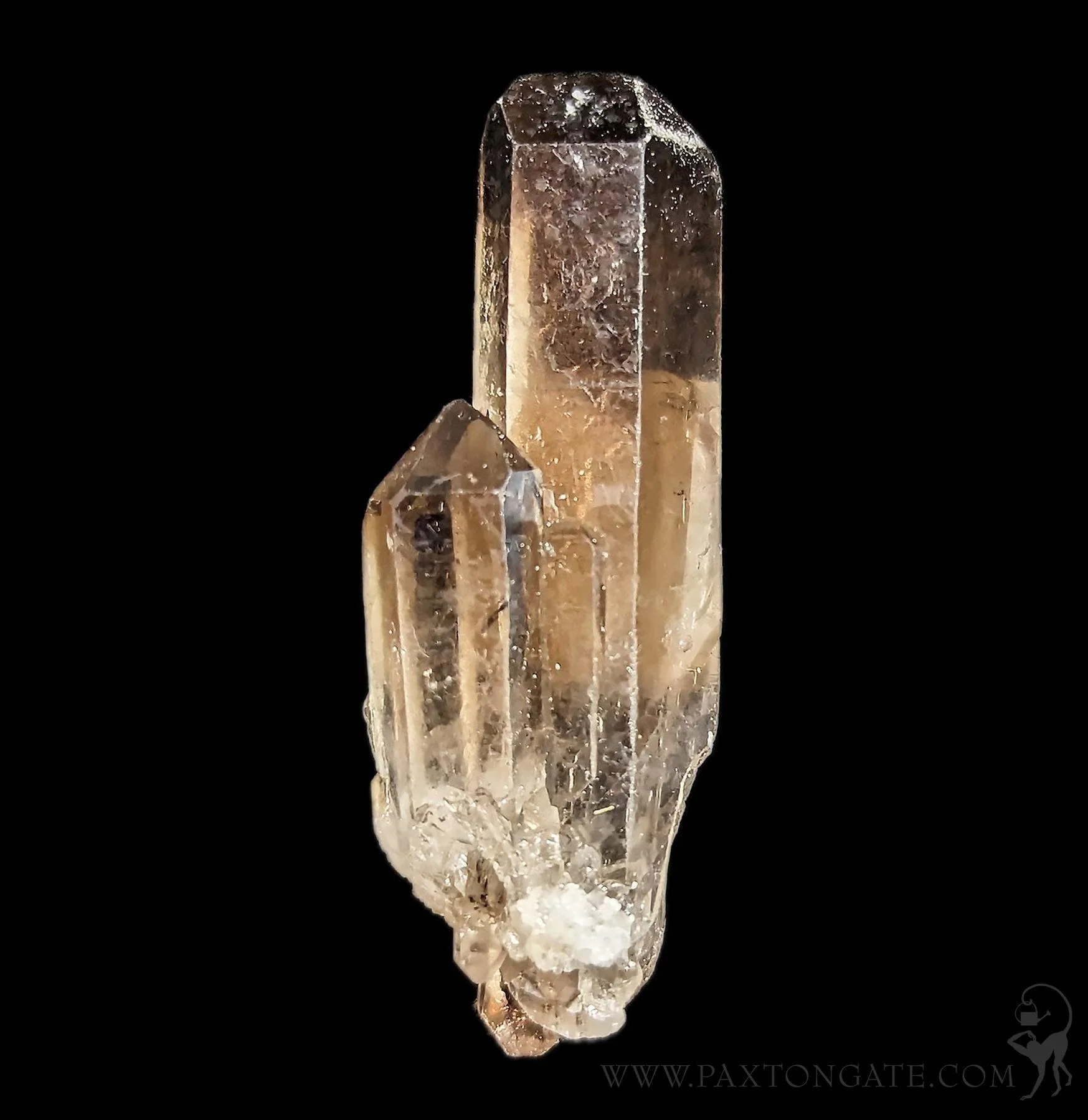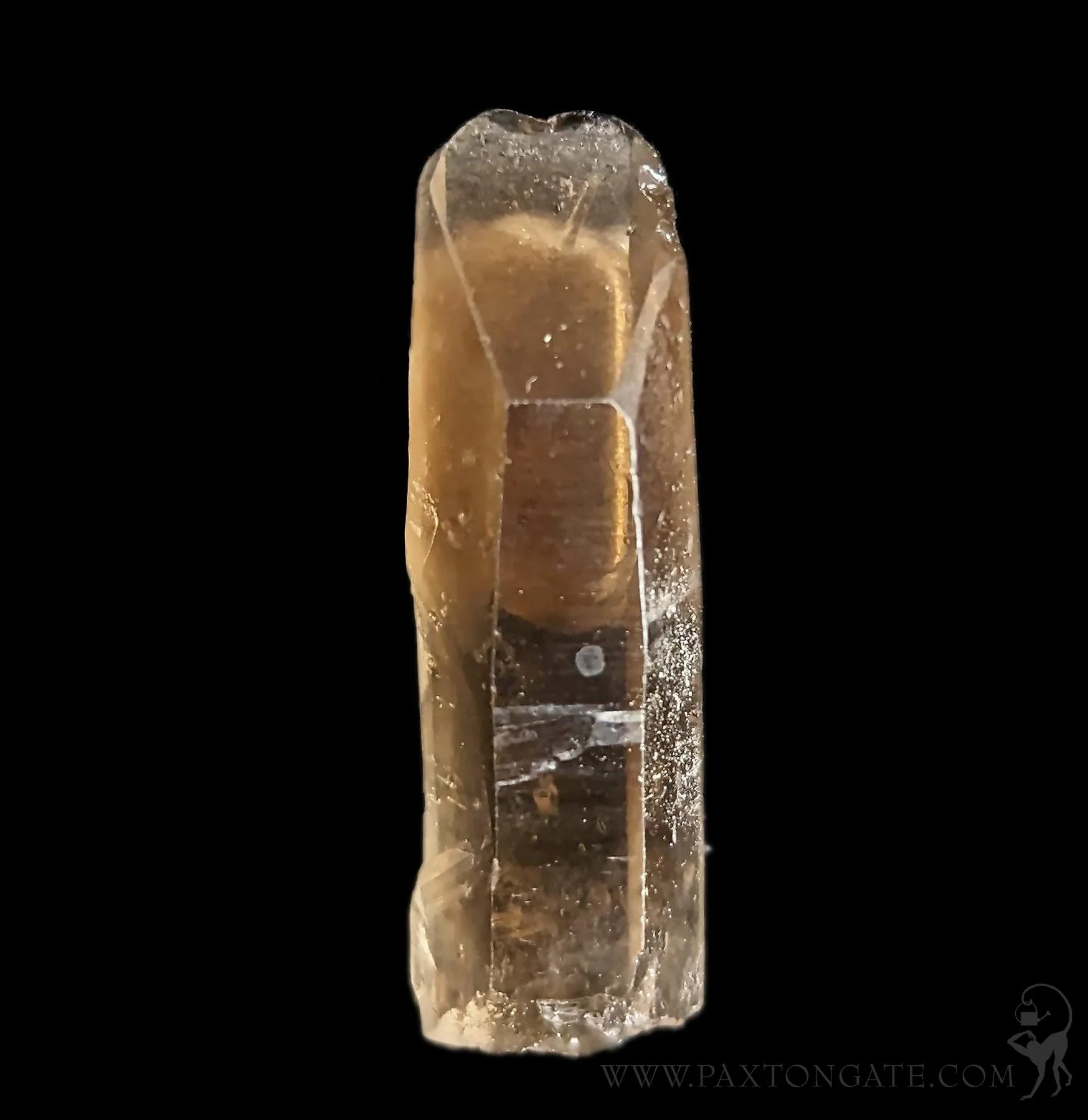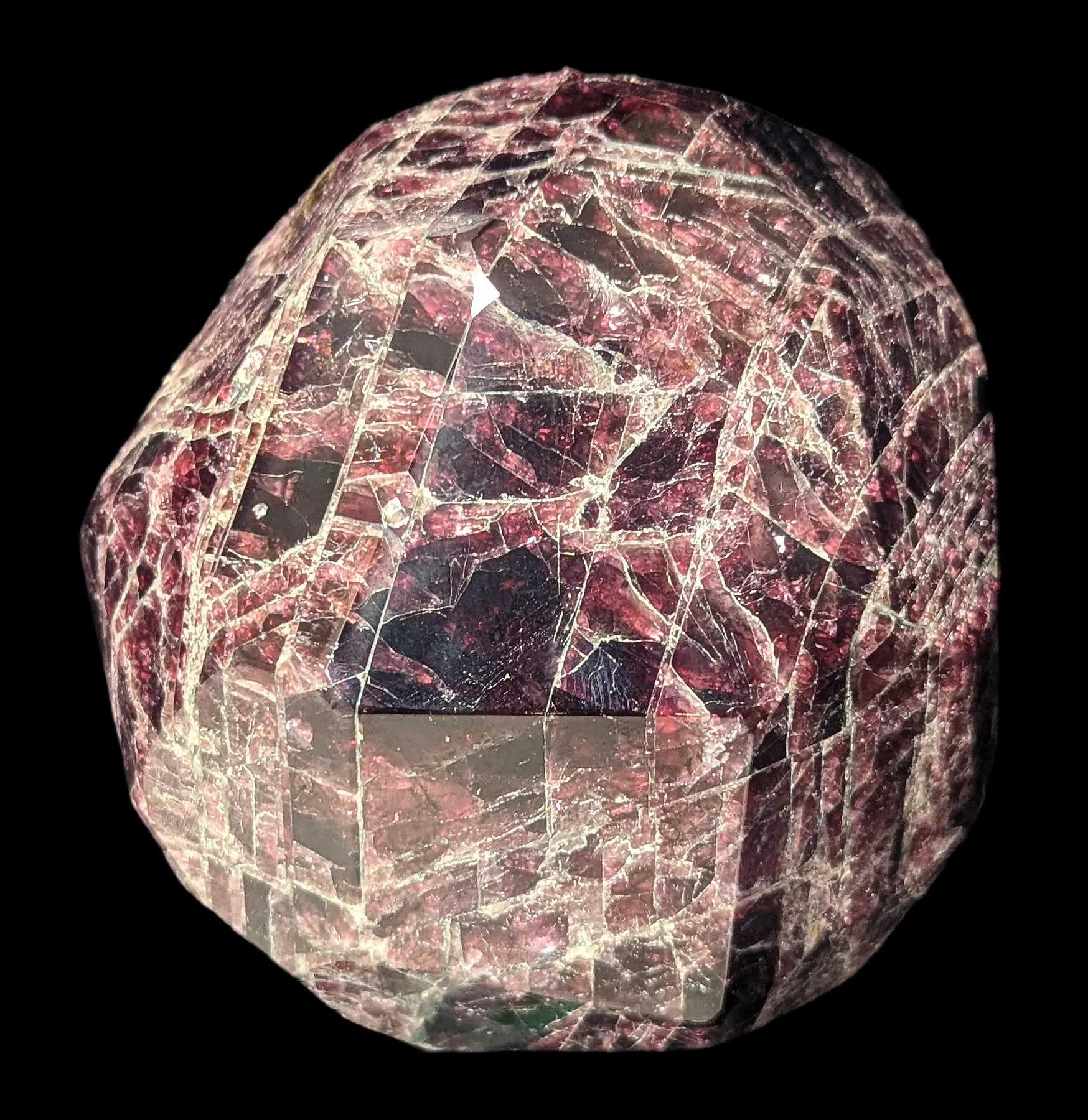
Faceted Red Garnet Specimen 1
Approximately 6"x3"
What’s there to say about garnets that hasn’t been said already? They are absolutely gorgeous. Each one is uniquely its own thing and, objectively, it’s the best birthstone. Sorry, we don’t make the rules.
Aside from that, what else is there? Well, quite a lot, actually. Take the name itself: the word “garnet” comes from the 14th-century Middle English word garnet, meaning “dark red.” Real inventive, guys… But technically, it wasn’t all on our Middle English friends. The stone’s name comes from the Latin granatum, which means “seed.” The ancient Greeks associated the gem’s reddish-purple color with pomegranate seeds, a symbol for passion and everlasting love. They probably should have been more specific here, since most people don’t think “reddish-purple” when seeds come to mind, but it’s hard to blame the ancient Greeks for their confusing naming structure. They probably didn’t bet on someone in 2026 questioning their naming conventions.
Aside from the interesting name, garnets have a pretty storied history with humanity. Over time, wandering tradesmen and travelers wore the glimmering gems to light their path and protect themselves as they journeyed through treacherous moonlit roads. Noblemen wore garnet signet rings to stamp their signatures, and the first Anglo-Saxons adorned their weaponry with them to strengthen their warrior skills. If we trace the gem through history, the folklore always depicts garnet as a blood-red stone, despite its modern color variations. Even royal figures dropped the stones into their wine glasses to protect themselves from poison, the favored murder weapon of the Middle Ages. They really knew how to party back then.
It’s really hard not to love garnet. The deep reds, the flashy crimson, and the subtle purple just make it a must-have for any collection.
According to metaphysics: Traditional folklore creates a strong link between red garnet and blood. It is thought to tone the spleen, promote health throughout the circulatory system, and enhance the body’s production of healthy hemoglobin. In ancient and medieval times, the symbolism of color played an important role in recommending particular stones for specific ailments. Red stones, like garnet, were thought to be remedies for hemorrhages of all kinds, as well as inflammatory diseases. Garnets were worn to enhance bodily strength, endurance, and vigor. It was widely believed that wearing a garnet could help when one had to exert oneself. Garnet was also thought to relieve skin conditions and regulate the heart and blood. It was considered healing for both men and women—helping keep the male reproductive system healthy, promoting hormonal balance for women, and reducing swelling. Garnet has long been believed to aid heart palpitations, lung diseases, and various blood disorders.
Approximately 6"x3"
What’s there to say about garnets that hasn’t been said already? They are absolutely gorgeous. Each one is uniquely its own thing and, objectively, it’s the best birthstone. Sorry, we don’t make the rules.
Aside from that, what else is there? Well, quite a lot, actually. Take the name itself: the word “garnet” comes from the 14th-century Middle English word garnet, meaning “dark red.” Real inventive, guys… But technically, it wasn’t all on our Middle English friends. The stone’s name comes from the Latin granatum, which means “seed.” The ancient Greeks associated the gem’s reddish-purple color with pomegranate seeds, a symbol for passion and everlasting love. They probably should have been more specific here, since most people don’t think “reddish-purple” when seeds come to mind, but it’s hard to blame the ancient Greeks for their confusing naming structure. They probably didn’t bet on someone in 2026 questioning their naming conventions.
Aside from the interesting name, garnets have a pretty storied history with humanity. Over time, wandering tradesmen and travelers wore the glimmering gems to light their path and protect themselves as they journeyed through treacherous moonlit roads. Noblemen wore garnet signet rings to stamp their signatures, and the first Anglo-Saxons adorned their weaponry with them to strengthen their warrior skills. If we trace the gem through history, the folklore always depicts garnet as a blood-red stone, despite its modern color variations. Even royal figures dropped the stones into their wine glasses to protect themselves from poison, the favored murder weapon of the Middle Ages. They really knew how to party back then.
It’s really hard not to love garnet. The deep reds, the flashy crimson, and the subtle purple just make it a must-have for any collection.
According to metaphysics: Traditional folklore creates a strong link between red garnet and blood. It is thought to tone the spleen, promote health throughout the circulatory system, and enhance the body’s production of healthy hemoglobin. In ancient and medieval times, the symbolism of color played an important role in recommending particular stones for specific ailments. Red stones, like garnet, were thought to be remedies for hemorrhages of all kinds, as well as inflammatory diseases. Garnets were worn to enhance bodily strength, endurance, and vigor. It was widely believed that wearing a garnet could help when one had to exert oneself. Garnet was also thought to relieve skin conditions and regulate the heart and blood. It was considered healing for both men and women—helping keep the male reproductive system healthy, promoting hormonal balance for women, and reducing swelling. Garnet has long been believed to aid heart palpitations, lung diseases, and various blood disorders.
Original: $350.00
-65%$350.00
$122.50Description
Approximately 6"x3"
What’s there to say about garnets that hasn’t been said already? They are absolutely gorgeous. Each one is uniquely its own thing and, objectively, it’s the best birthstone. Sorry, we don’t make the rules.
Aside from that, what else is there? Well, quite a lot, actually. Take the name itself: the word “garnet” comes from the 14th-century Middle English word garnet, meaning “dark red.” Real inventive, guys… But technically, it wasn’t all on our Middle English friends. The stone’s name comes from the Latin granatum, which means “seed.” The ancient Greeks associated the gem’s reddish-purple color with pomegranate seeds, a symbol for passion and everlasting love. They probably should have been more specific here, since most people don’t think “reddish-purple” when seeds come to mind, but it’s hard to blame the ancient Greeks for their confusing naming structure. They probably didn’t bet on someone in 2026 questioning their naming conventions.
Aside from the interesting name, garnets have a pretty storied history with humanity. Over time, wandering tradesmen and travelers wore the glimmering gems to light their path and protect themselves as they journeyed through treacherous moonlit roads. Noblemen wore garnet signet rings to stamp their signatures, and the first Anglo-Saxons adorned their weaponry with them to strengthen their warrior skills. If we trace the gem through history, the folklore always depicts garnet as a blood-red stone, despite its modern color variations. Even royal figures dropped the stones into their wine glasses to protect themselves from poison, the favored murder weapon of the Middle Ages. They really knew how to party back then.
It’s really hard not to love garnet. The deep reds, the flashy crimson, and the subtle purple just make it a must-have for any collection.
According to metaphysics: Traditional folklore creates a strong link between red garnet and blood. It is thought to tone the spleen, promote health throughout the circulatory system, and enhance the body’s production of healthy hemoglobin. In ancient and medieval times, the symbolism of color played an important role in recommending particular stones for specific ailments. Red stones, like garnet, were thought to be remedies for hemorrhages of all kinds, as well as inflammatory diseases. Garnets were worn to enhance bodily strength, endurance, and vigor. It was widely believed that wearing a garnet could help when one had to exert oneself. Garnet was also thought to relieve skin conditions and regulate the heart and blood. It was considered healing for both men and women—helping keep the male reproductive system healthy, promoting hormonal balance for women, and reducing swelling. Garnet has long been believed to aid heart palpitations, lung diseases, and various blood disorders.