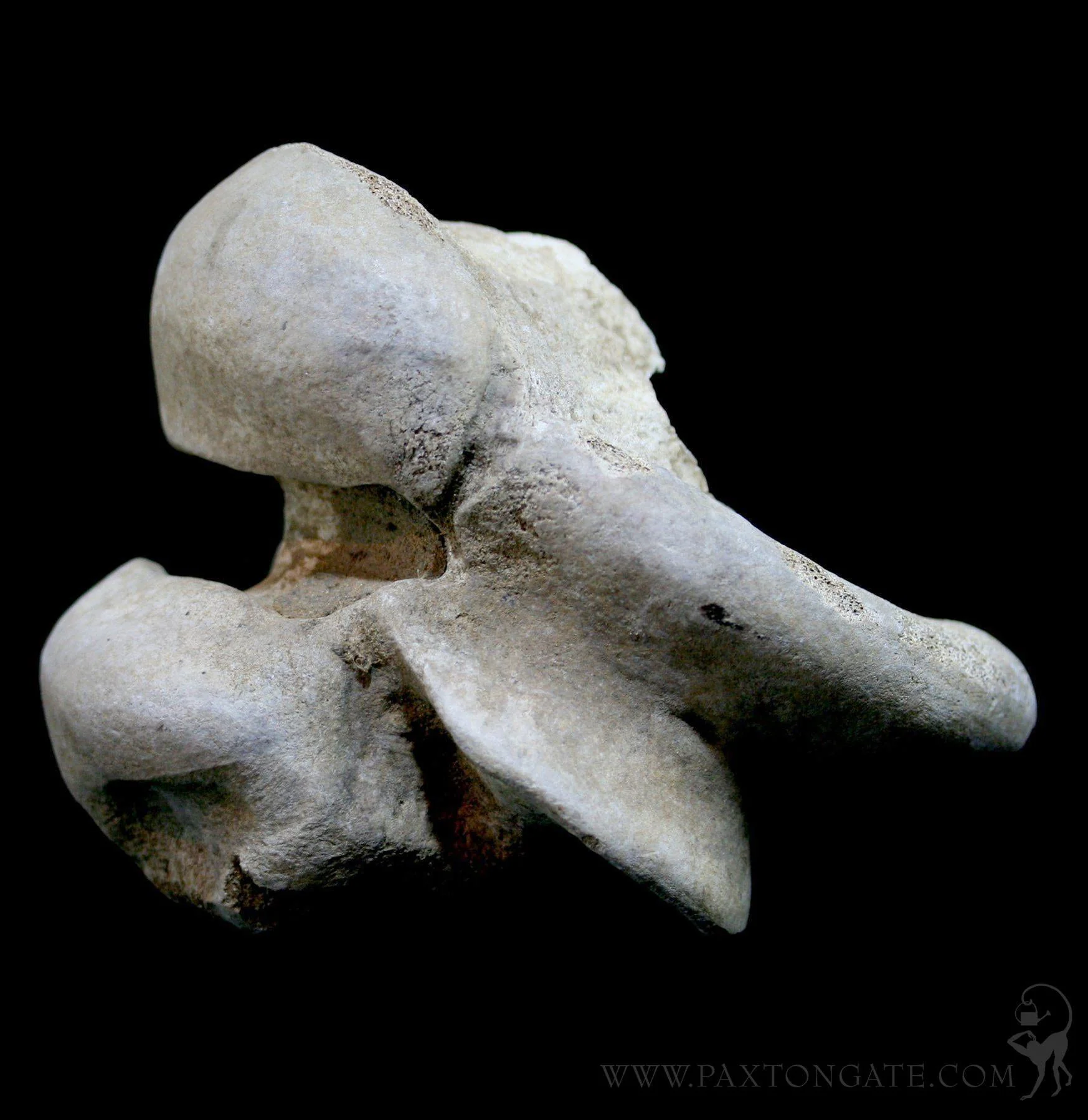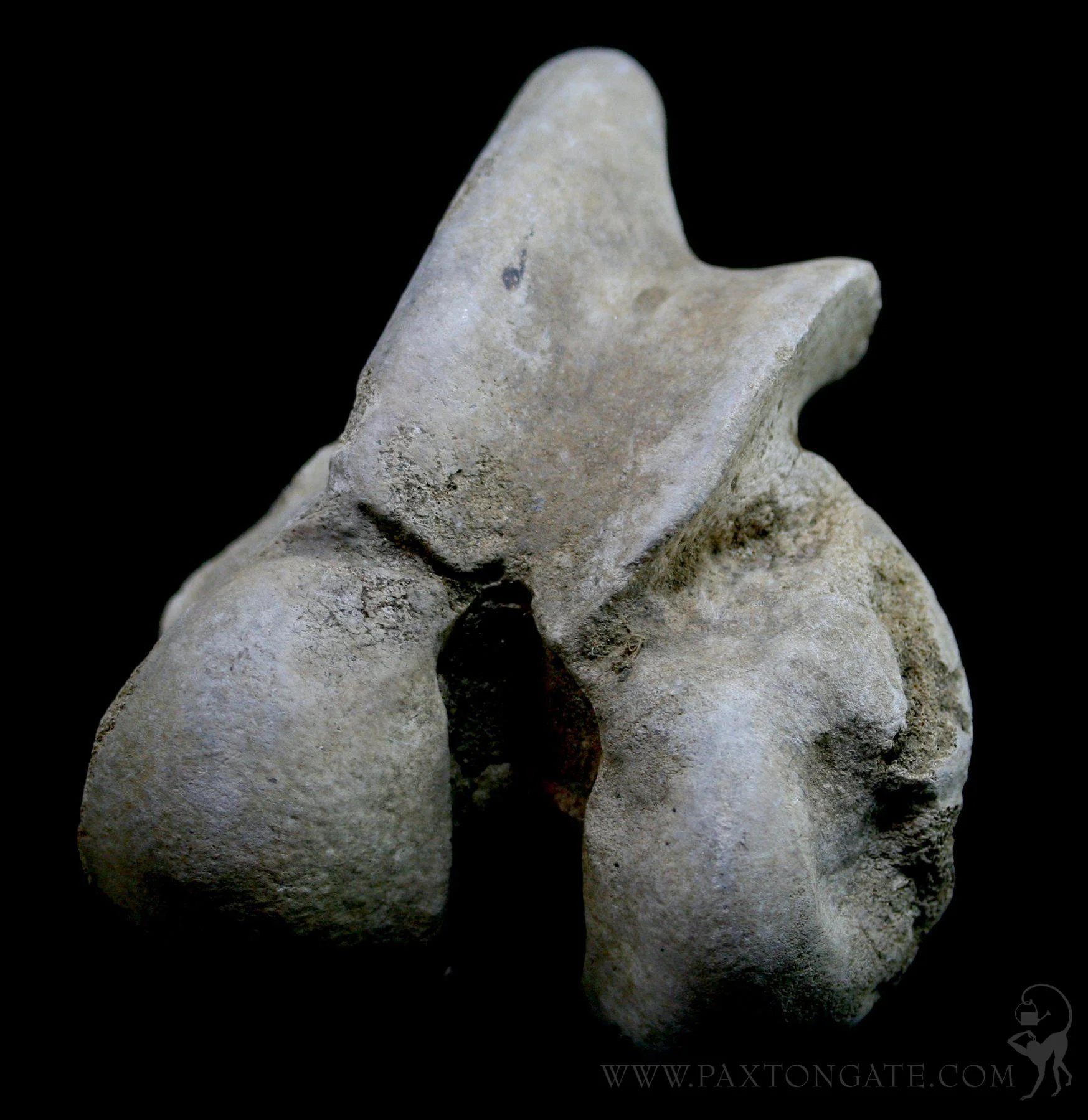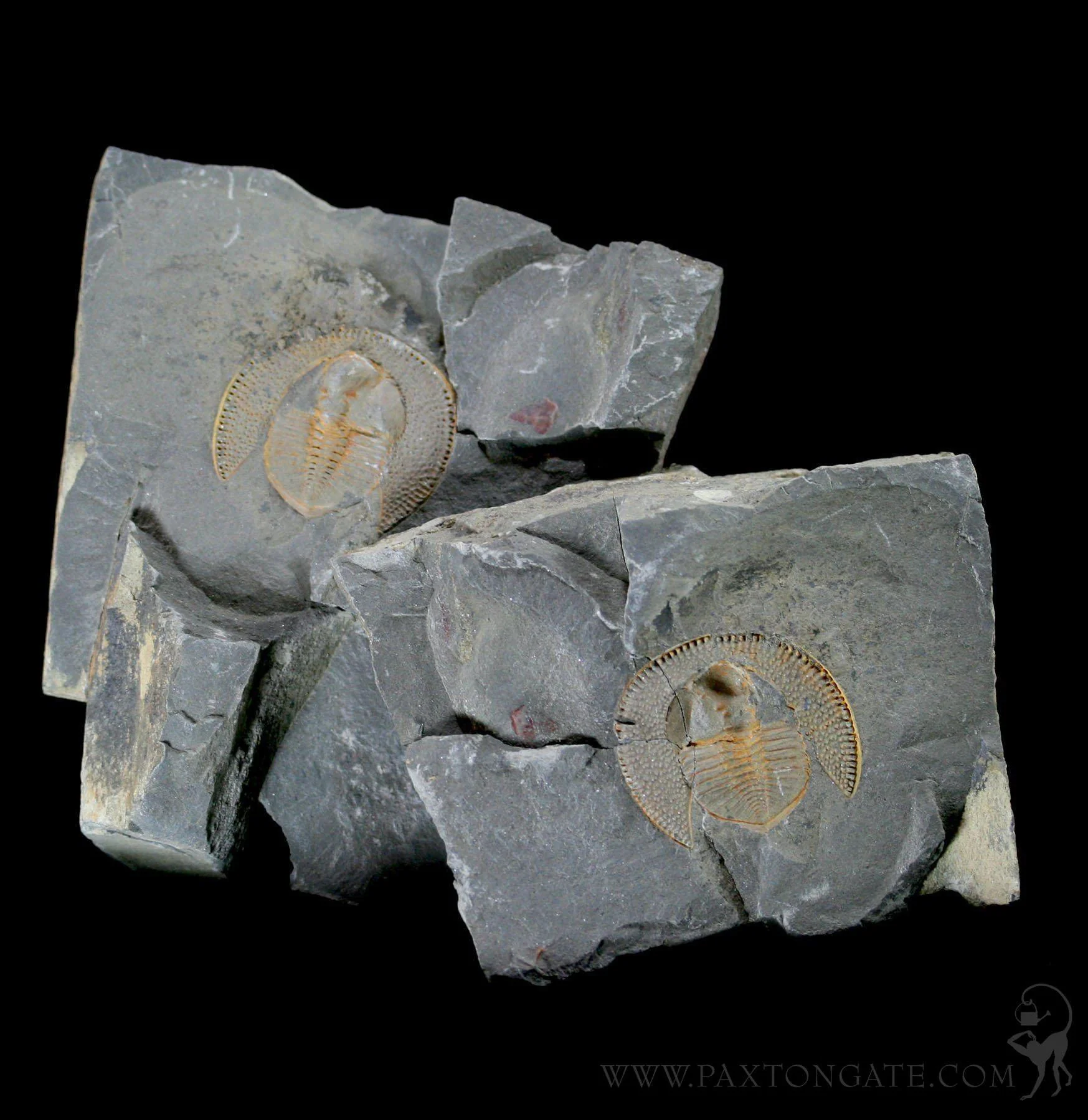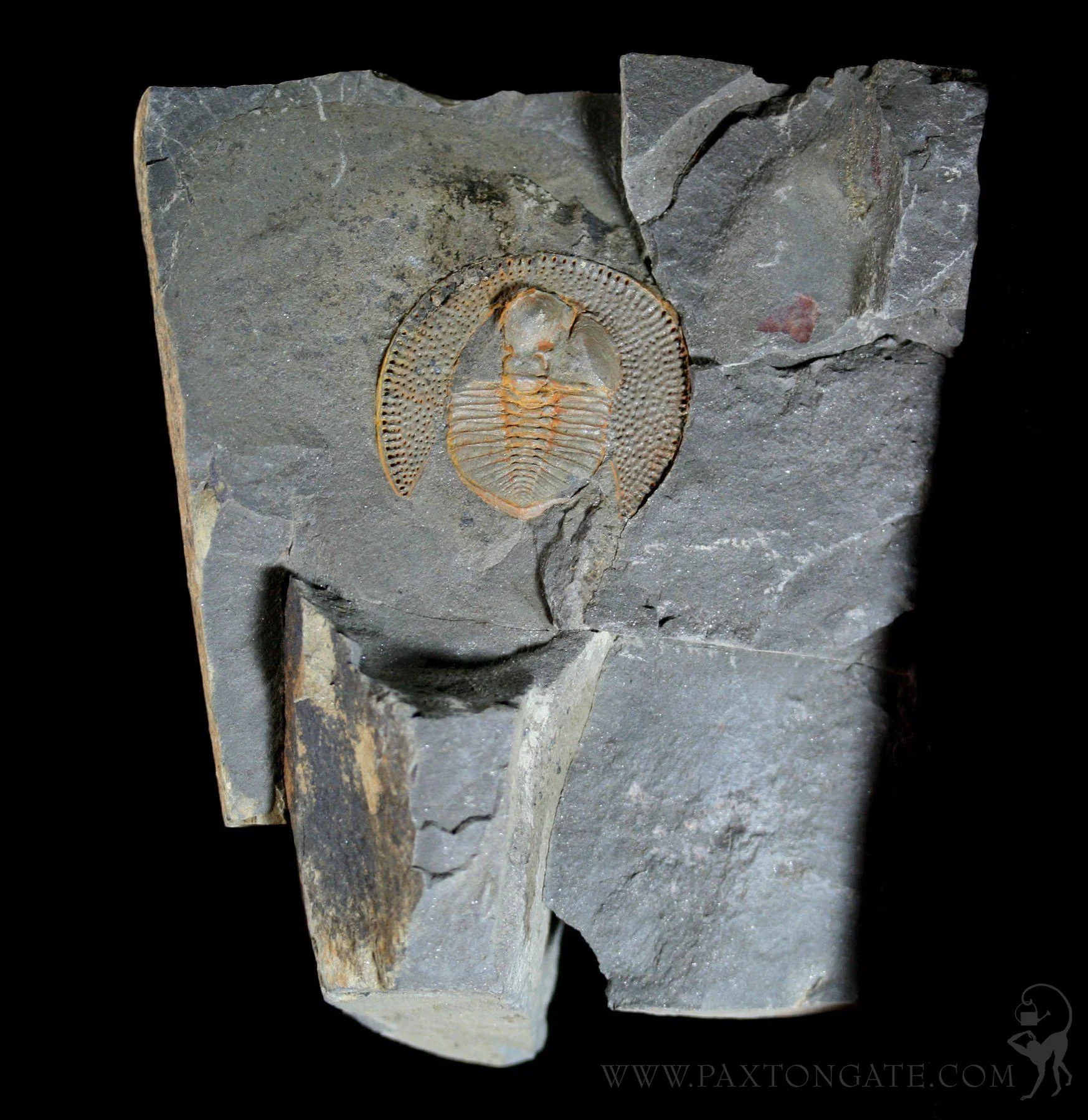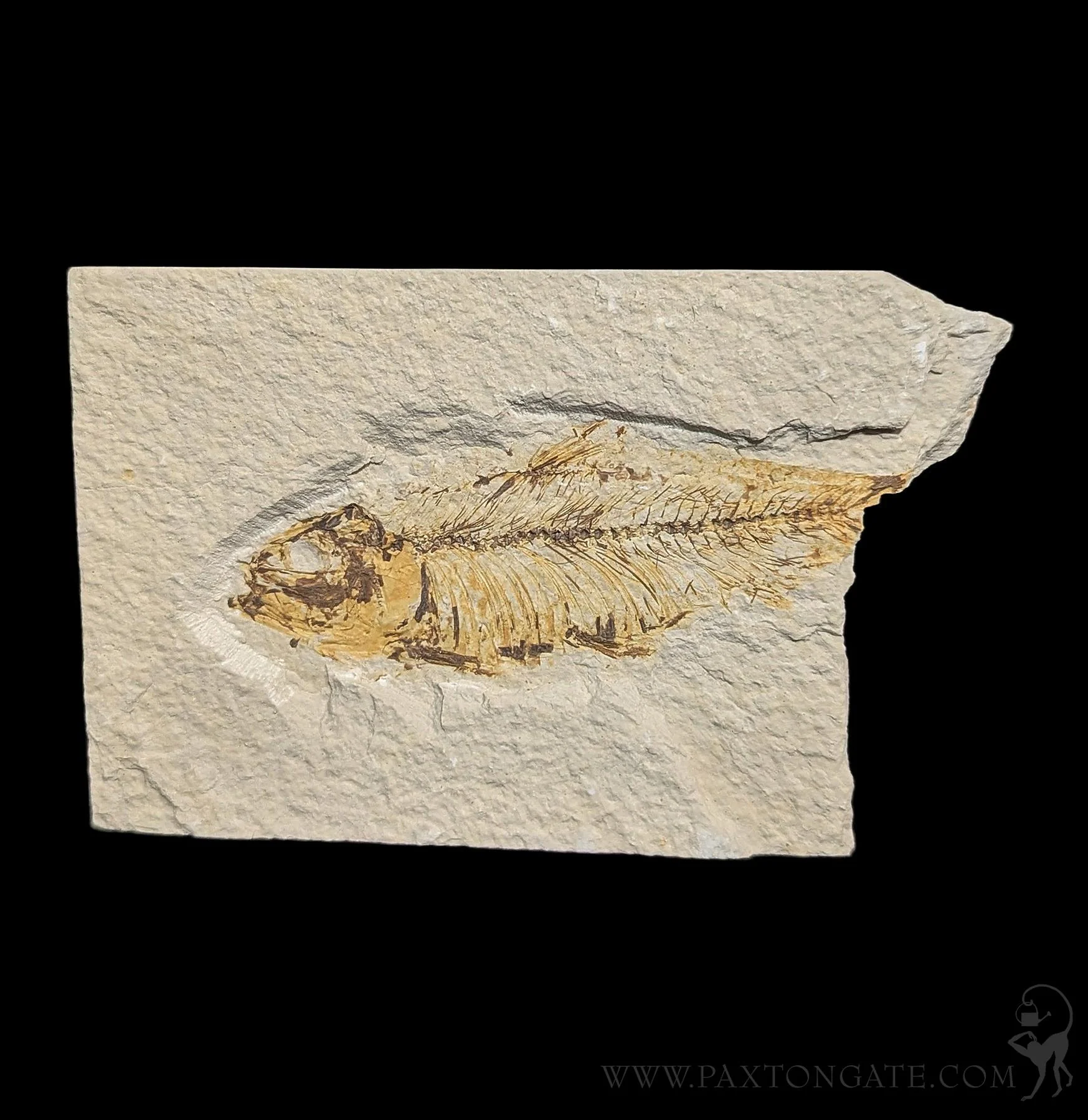
Rough Partial Fish Fossil Plates
While these fossil plates may not contain a complete fossil fish, they are still a super cool addition to your collection. Sometimes perfection can be boring, and these plates are anything but that.
Fossil fish give us a really cool window into Earth’s deep past and how different the world used to be. These fossils are more than just old bones. They are snapshots of ancient ecosystems, climates, and environments that no longer exist.
Many well known fossil fish come from places like the Green River Formation, which is honestly a mind blowing fossil site. It is one of the most important locations for understanding life during the Eocene epoch and stretches across western Colorado, eastern Utah, and southwestern Wyoming.
During the Eocene, this area sat at roughly the same latitude it does today, but the climate was a completely different story. Fossils found there, especially plants, suggest the region had a moist temperate to subtropical climate, with temperatures somewhere around 56 to 74 degrees Fahrenheit. That is already surprising, but it gets better.
Alongside fossil fish and plants, scientists have also found fossilized crocodiles. Since crocodiles need consistently warm temperatures to survive, their presence is a big clue that the region stayed warm year round. Yes, that means places like Utah once had crocodiles. Hard to imagine, but also kind of awesome.
Overall, fossil fish help piece together these ancient worlds, showing us not just what lived there, but what the environment was like and how dramatically Earth has changed over time.
While these fossil plates may not contain a complete fossil fish, they are still a super cool addition to your collection. Sometimes perfection can be boring, and these plates are anything but that.
Fossil fish give us a really cool window into Earth’s deep past and how different the world used to be. These fossils are more than just old bones. They are snapshots of ancient ecosystems, climates, and environments that no longer exist.
Many well known fossil fish come from places like the Green River Formation, which is honestly a mind blowing fossil site. It is one of the most important locations for understanding life during the Eocene epoch and stretches across western Colorado, eastern Utah, and southwestern Wyoming.
During the Eocene, this area sat at roughly the same latitude it does today, but the climate was a completely different story. Fossils found there, especially plants, suggest the region had a moist temperate to subtropical climate, with temperatures somewhere around 56 to 74 degrees Fahrenheit. That is already surprising, but it gets better.
Alongside fossil fish and plants, scientists have also found fossilized crocodiles. Since crocodiles need consistently warm temperatures to survive, their presence is a big clue that the region stayed warm year round. Yes, that means places like Utah once had crocodiles. Hard to imagine, but also kind of awesome.
Overall, fossil fish help piece together these ancient worlds, showing us not just what lived there, but what the environment was like and how dramatically Earth has changed over time.
Description
While these fossil plates may not contain a complete fossil fish, they are still a super cool addition to your collection. Sometimes perfection can be boring, and these plates are anything but that.
Fossil fish give us a really cool window into Earth’s deep past and how different the world used to be. These fossils are more than just old bones. They are snapshots of ancient ecosystems, climates, and environments that no longer exist.
Many well known fossil fish come from places like the Green River Formation, which is honestly a mind blowing fossil site. It is one of the most important locations for understanding life during the Eocene epoch and stretches across western Colorado, eastern Utah, and southwestern Wyoming.
During the Eocene, this area sat at roughly the same latitude it does today, but the climate was a completely different story. Fossils found there, especially plants, suggest the region had a moist temperate to subtropical climate, with temperatures somewhere around 56 to 74 degrees Fahrenheit. That is already surprising, but it gets better.
Alongside fossil fish and plants, scientists have also found fossilized crocodiles. Since crocodiles need consistently warm temperatures to survive, their presence is a big clue that the region stayed warm year round. Yes, that means places like Utah once had crocodiles. Hard to imagine, but also kind of awesome.
Overall, fossil fish help piece together these ancient worlds, showing us not just what lived there, but what the environment was like and how dramatically Earth has changed over time.