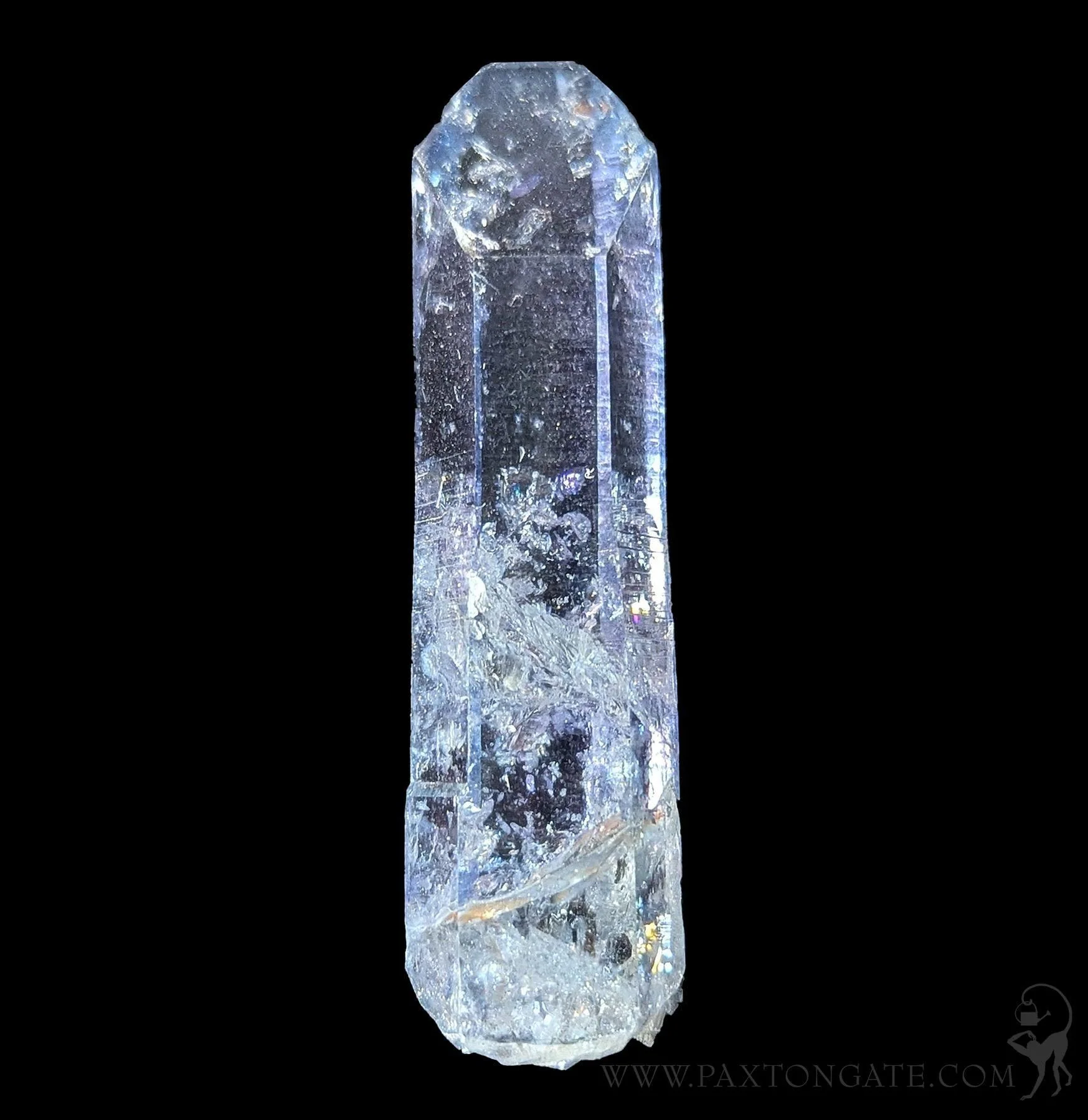
Sky Blue Aura Quartz Crystal
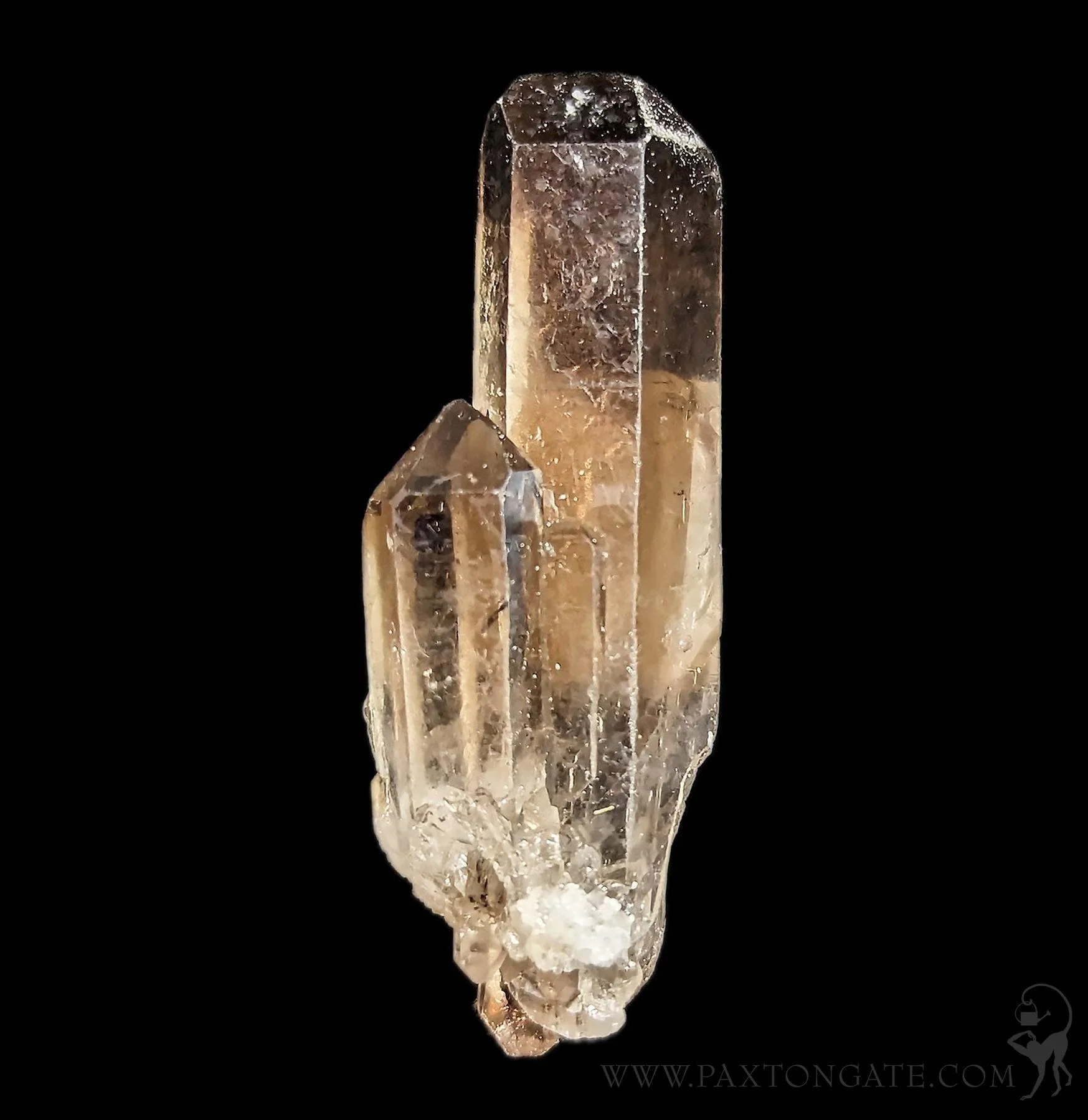
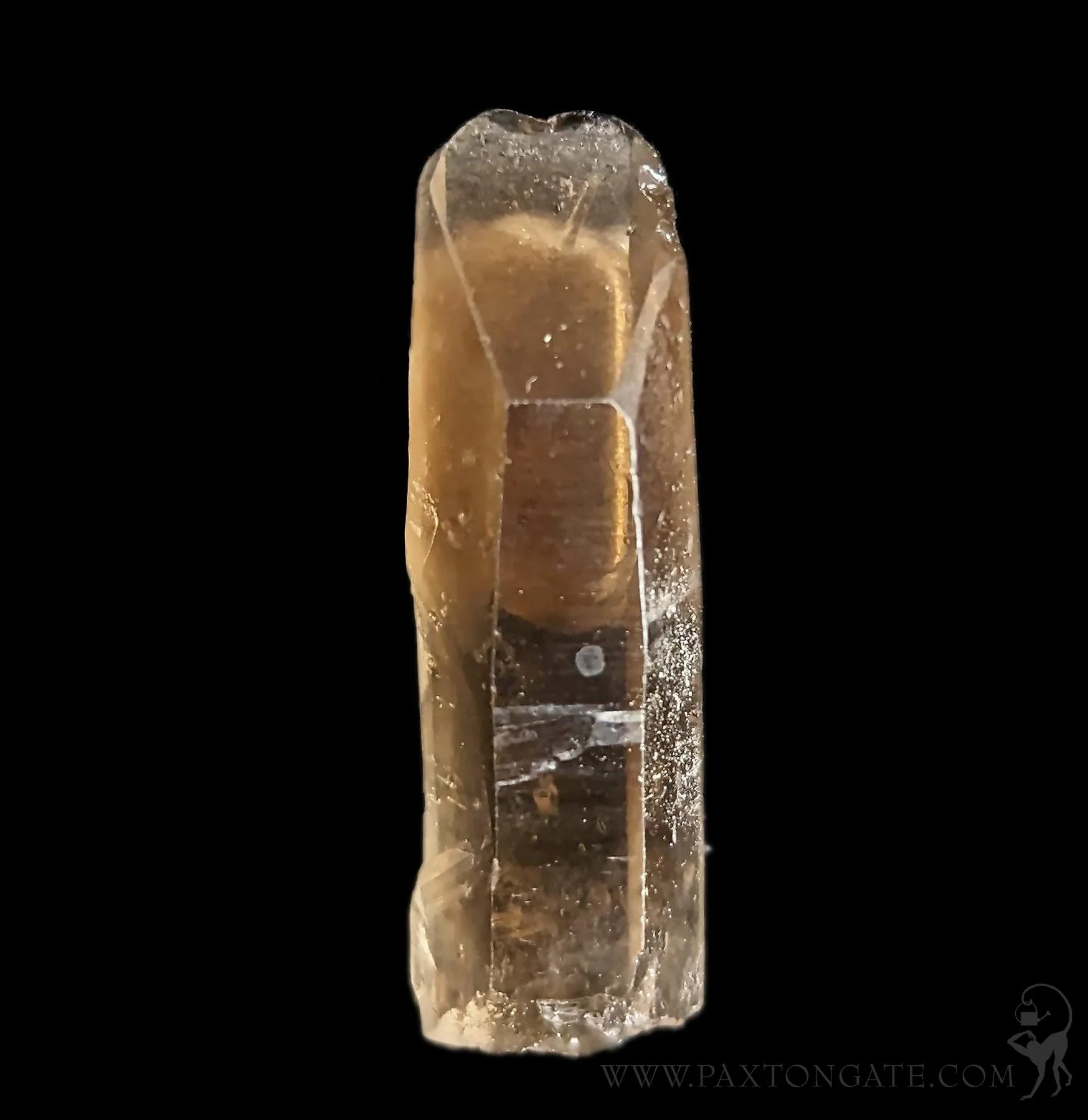
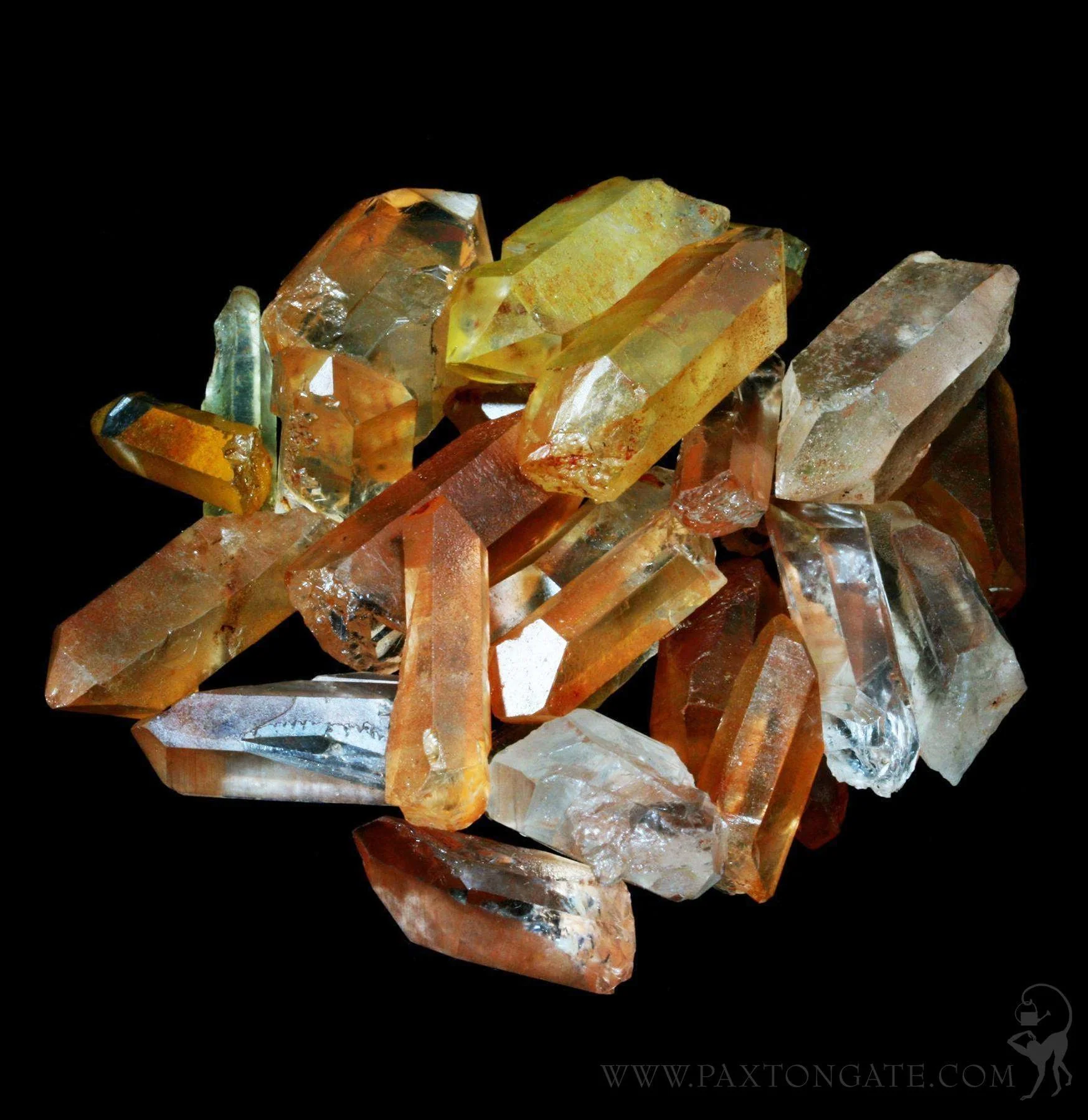
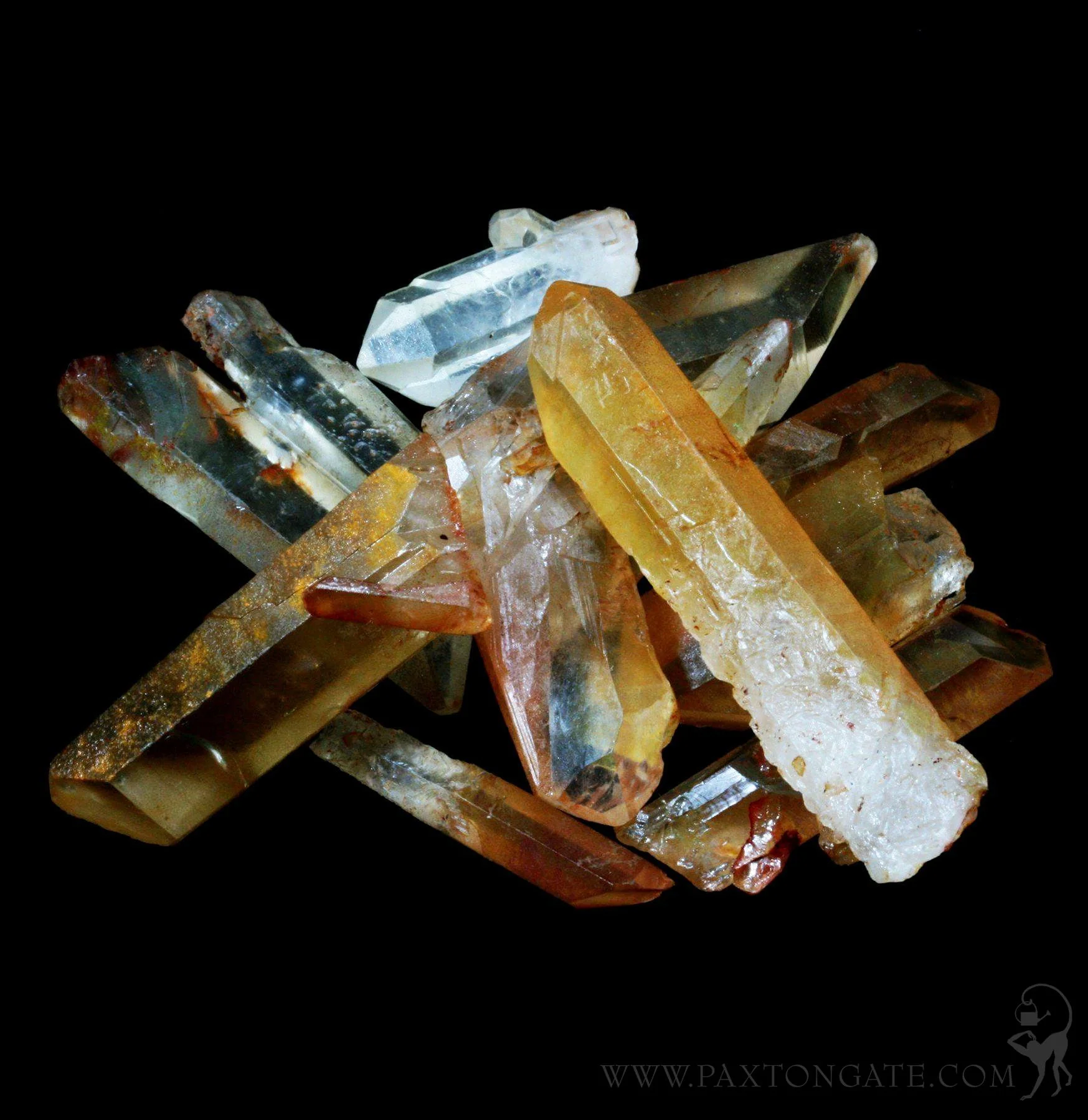
These crystals are not only beautiful; they are a work of science! Some may be turned off by the idea of an "enhanced" crystal, but the process in which this change occurs is fascinating and equally intense. The quartz crystals are Arkansas Quartz Crystals, which are prized for their clarity, shine, and, in some cases, their size. The man responsible for these gleaming enhanced beauties actually owns and operates the mine in Mount Ida, Arkansas. At some point, he decided to give enhancing some of his crystals a try himself, rather than asking others to do it. What started as an idea turned into a huge project, which included buying all the equipment needed to turn his quartz crystals into “aura quartz.” But how did he accomplish this, and what makes it such a difficult task?
The process used to enhance quartz crystals with color is typically called quartz dyeing or heat treating. In this case, heat treating was the route he took. By heating quartz to a very high temperature (typically between 300–600°C), one can influence the color of the crystals, but there's more to it. Heating the crystal will only get you so far. You need to coat the crystal with metallic coatings, often through a process called vapor deposition. The metal you use can influence the color of the crystal, and this is where trial and error really came into play. He spent a few years figuring out which metals did what, how much to add, what temperature to heat them to, and juggling a ton of other variables. In the end, he was able to perfect the color of these crystals to a heavenly blue. Sure, they are naturally this color, but the effort and dedication behind their creation is really something to admire. Plus, from a purely aesthetic perspective, they are gorgeous.
These crystals are not only beautiful; they are a work of science! Some may be turned off by the idea of an "enhanced" crystal, but the process in which this change occurs is fascinating and equally intense. The quartz crystals are Arkansas Quartz Crystals, which are prized for their clarity, shine, and, in some cases, their size. The man responsible for these gleaming enhanced beauties actually owns and operates the mine in Mount Ida, Arkansas. At some point, he decided to give enhancing some of his crystals a try himself, rather than asking others to do it. What started as an idea turned into a huge project, which included buying all the equipment needed to turn his quartz crystals into “aura quartz.” But how did he accomplish this, and what makes it such a difficult task?
The process used to enhance quartz crystals with color is typically called quartz dyeing or heat treating. In this case, heat treating was the route he took. By heating quartz to a very high temperature (typically between 300–600°C), one can influence the color of the crystals, but there's more to it. Heating the crystal will only get you so far. You need to coat the crystal with metallic coatings, often through a process called vapor deposition. The metal you use can influence the color of the crystal, and this is where trial and error really came into play. He spent a few years figuring out which metals did what, how much to add, what temperature to heat them to, and juggling a ton of other variables. In the end, he was able to perfect the color of these crystals to a heavenly blue. Sure, they are naturally this color, but the effort and dedication behind their creation is really something to admire. Plus, from a purely aesthetic perspective, they are gorgeous.
Description
These crystals are not only beautiful; they are a work of science! Some may be turned off by the idea of an "enhanced" crystal, but the process in which this change occurs is fascinating and equally intense. The quartz crystals are Arkansas Quartz Crystals, which are prized for their clarity, shine, and, in some cases, their size. The man responsible for these gleaming enhanced beauties actually owns and operates the mine in Mount Ida, Arkansas. At some point, he decided to give enhancing some of his crystals a try himself, rather than asking others to do it. What started as an idea turned into a huge project, which included buying all the equipment needed to turn his quartz crystals into “aura quartz.” But how did he accomplish this, and what makes it such a difficult task?
The process used to enhance quartz crystals with color is typically called quartz dyeing or heat treating. In this case, heat treating was the route he took. By heating quartz to a very high temperature (typically between 300–600°C), one can influence the color of the crystals, but there's more to it. Heating the crystal will only get you so far. You need to coat the crystal with metallic coatings, often through a process called vapor deposition. The metal you use can influence the color of the crystal, and this is where trial and error really came into play. He spent a few years figuring out which metals did what, how much to add, what temperature to heat them to, and juggling a ton of other variables. In the end, he was able to perfect the color of these crystals to a heavenly blue. Sure, they are naturally this color, but the effort and dedication behind their creation is really something to admire. Plus, from a purely aesthetic perspective, they are gorgeous.