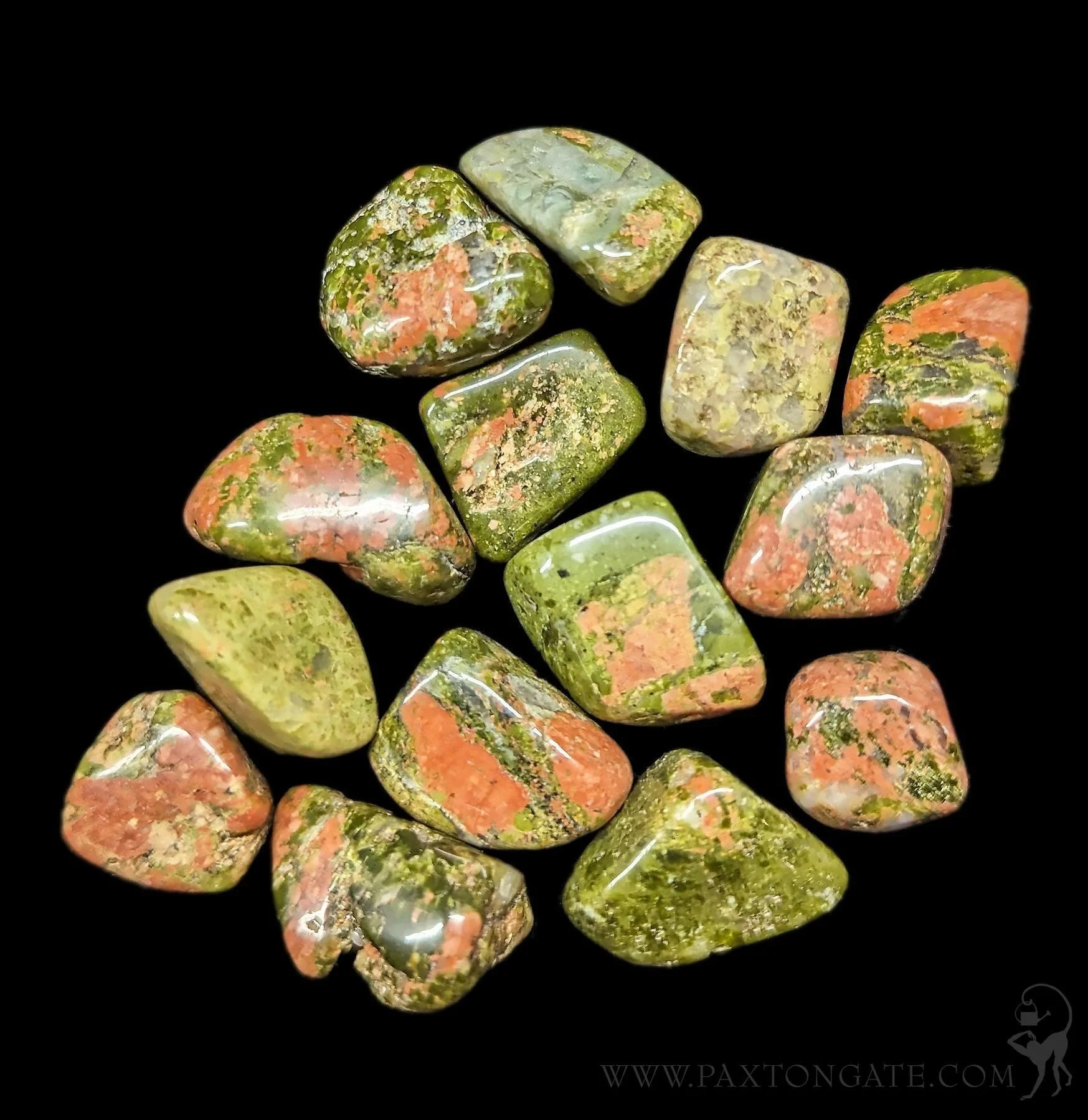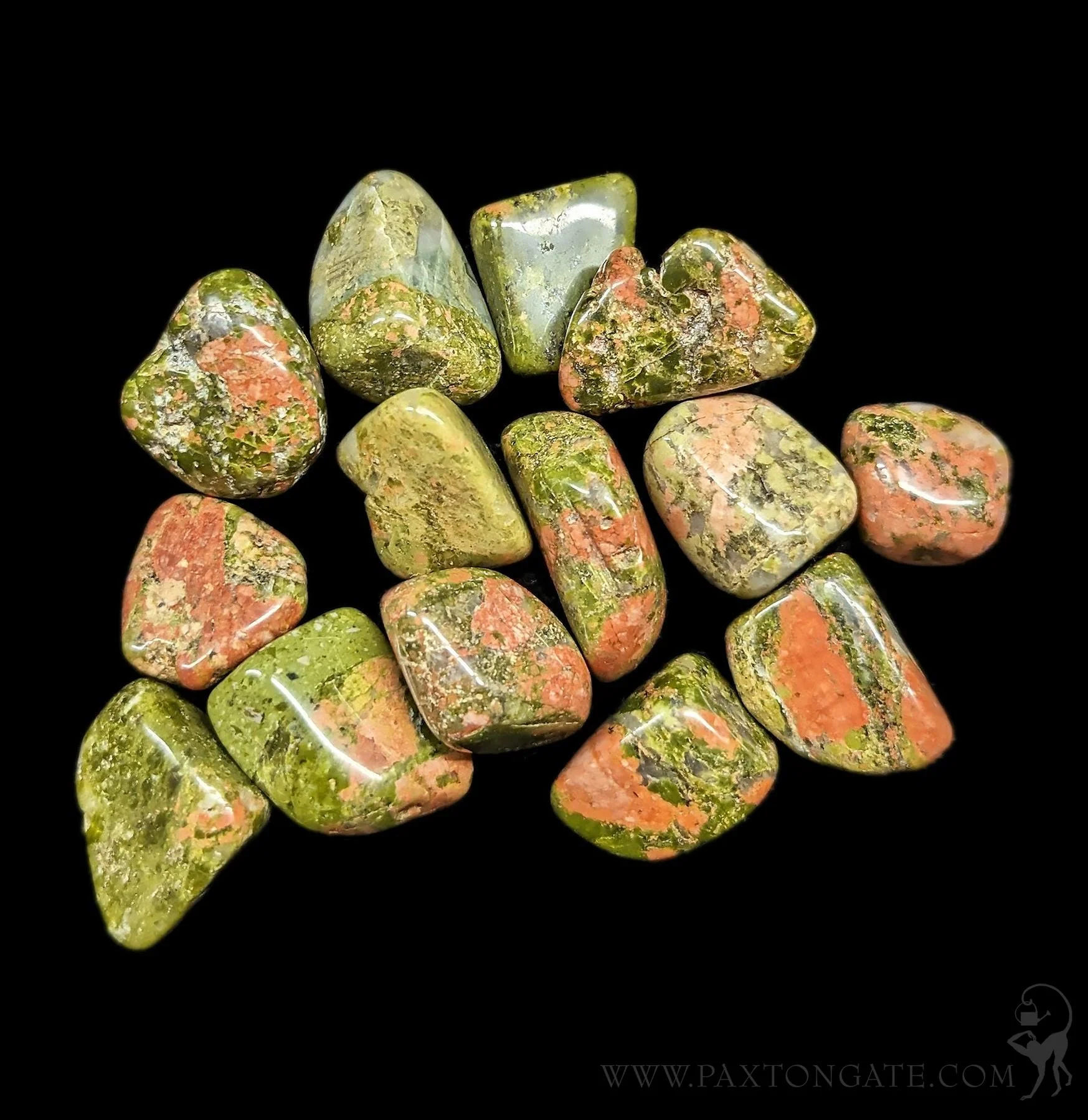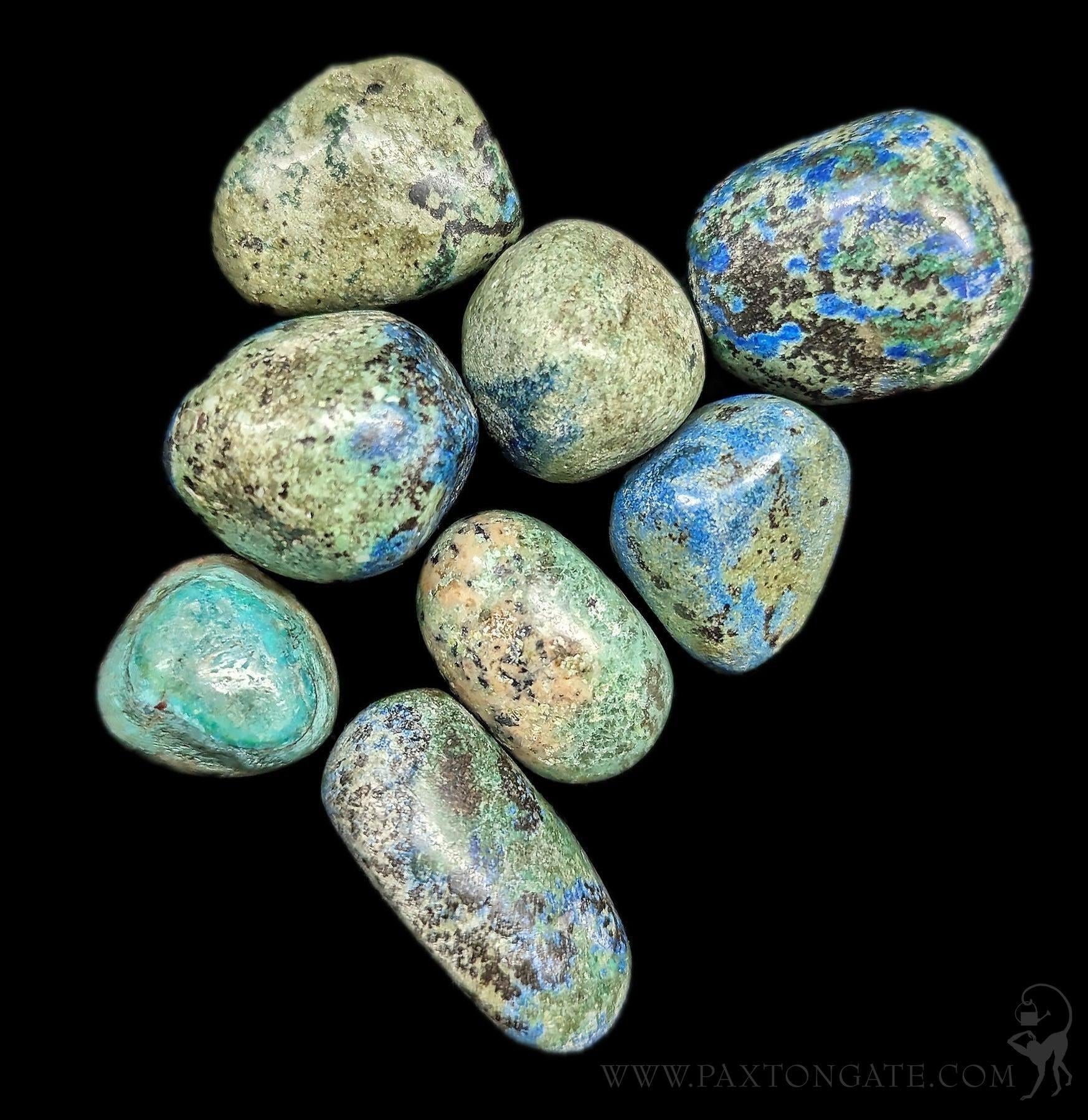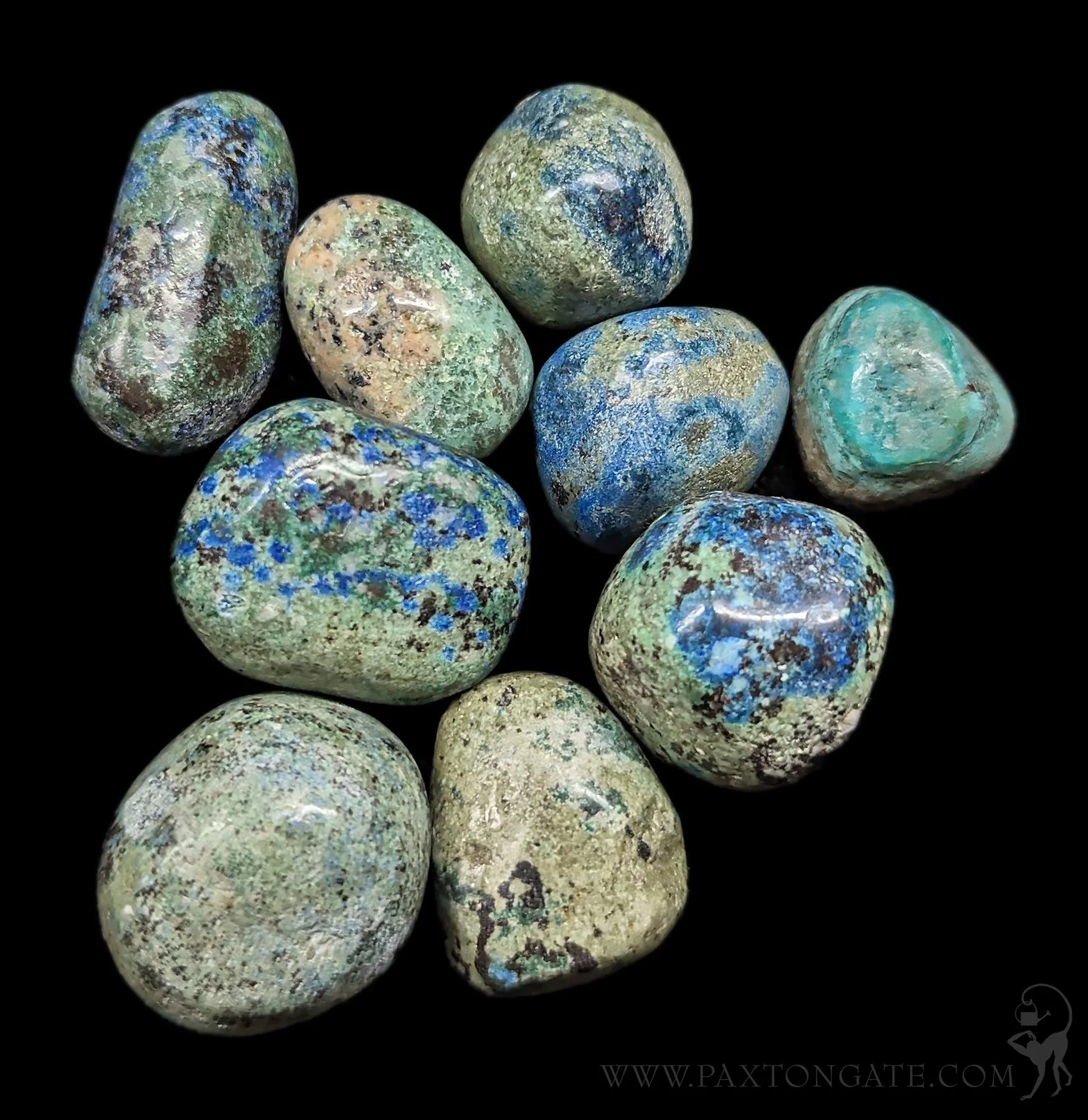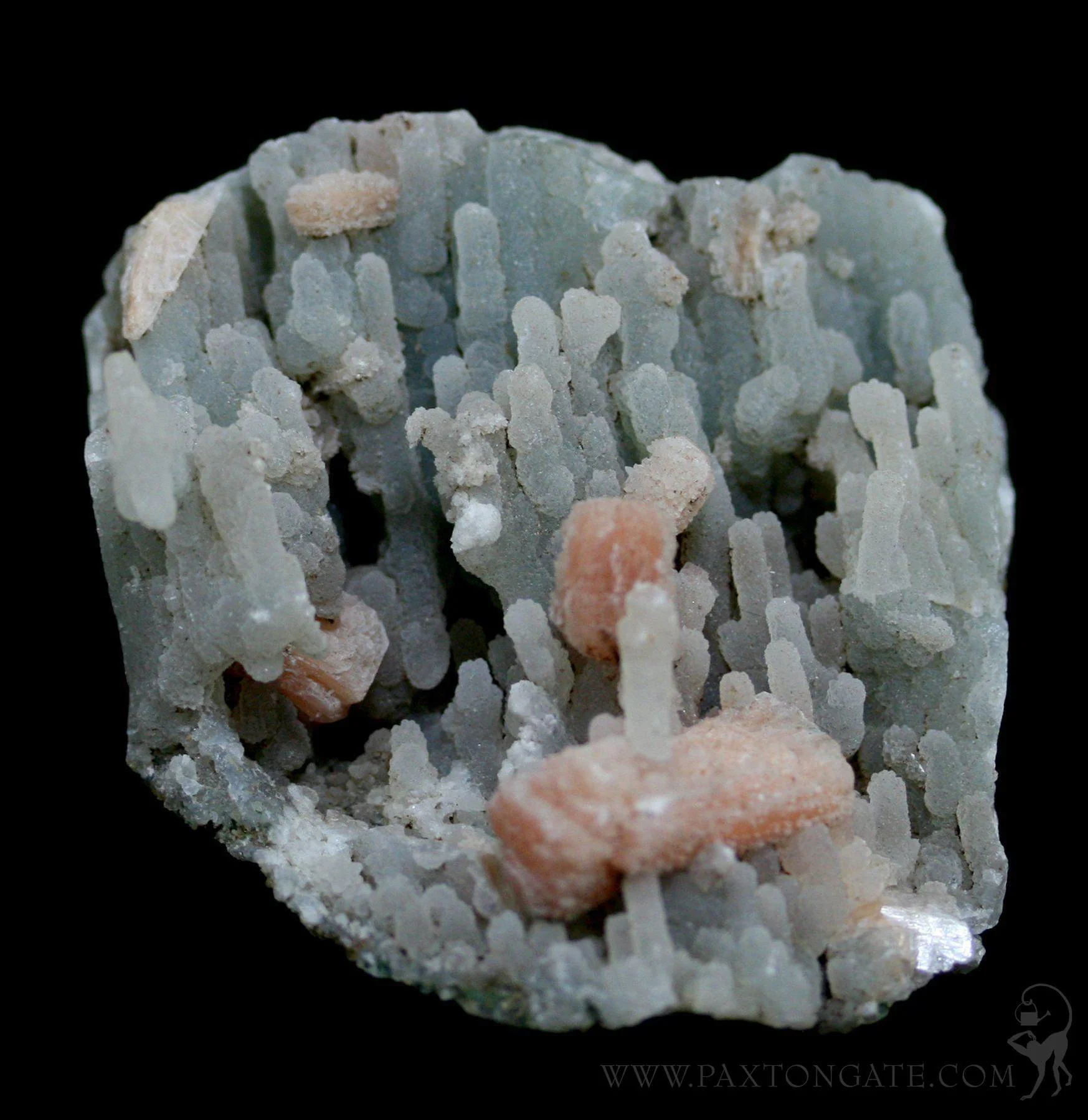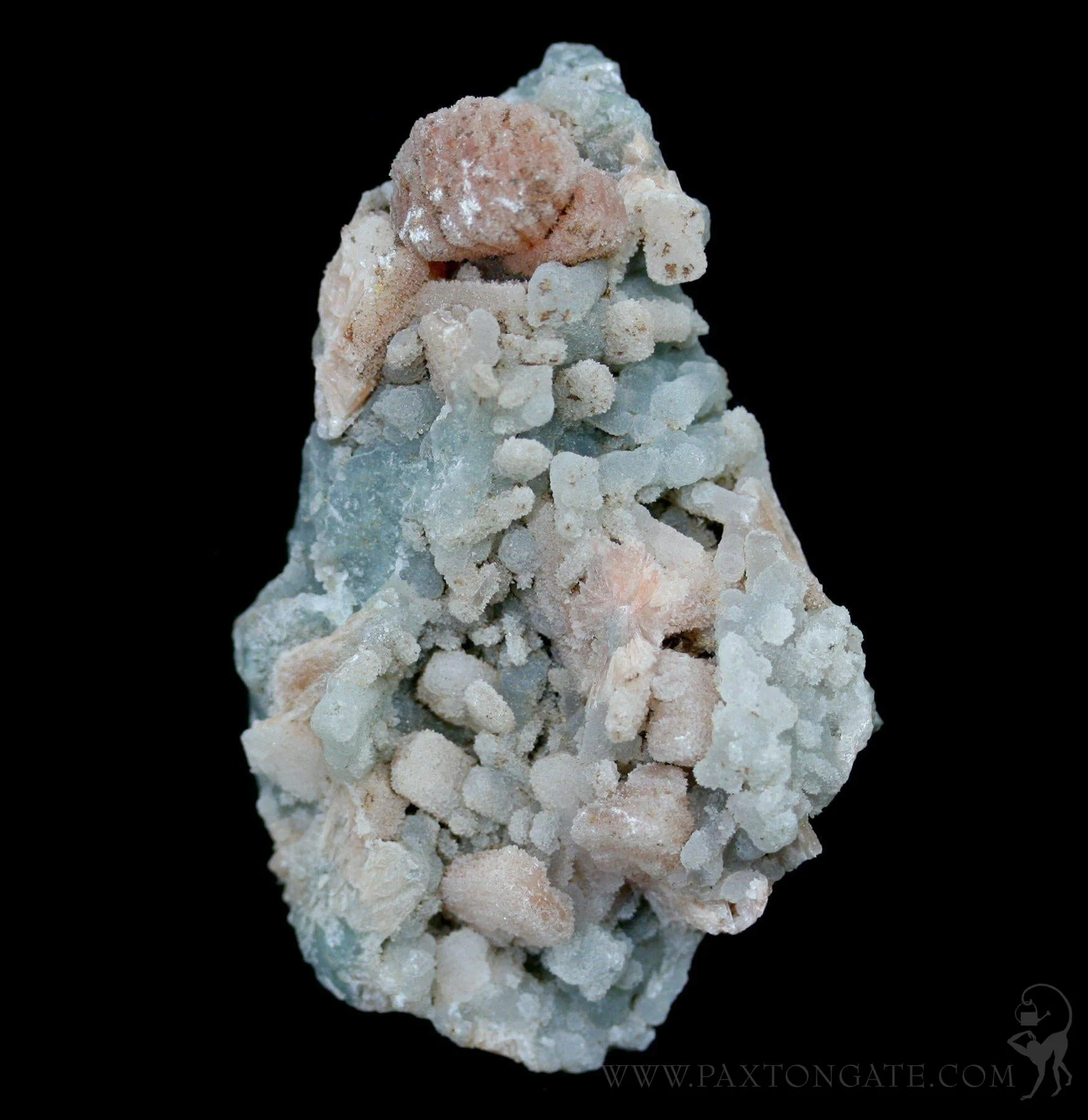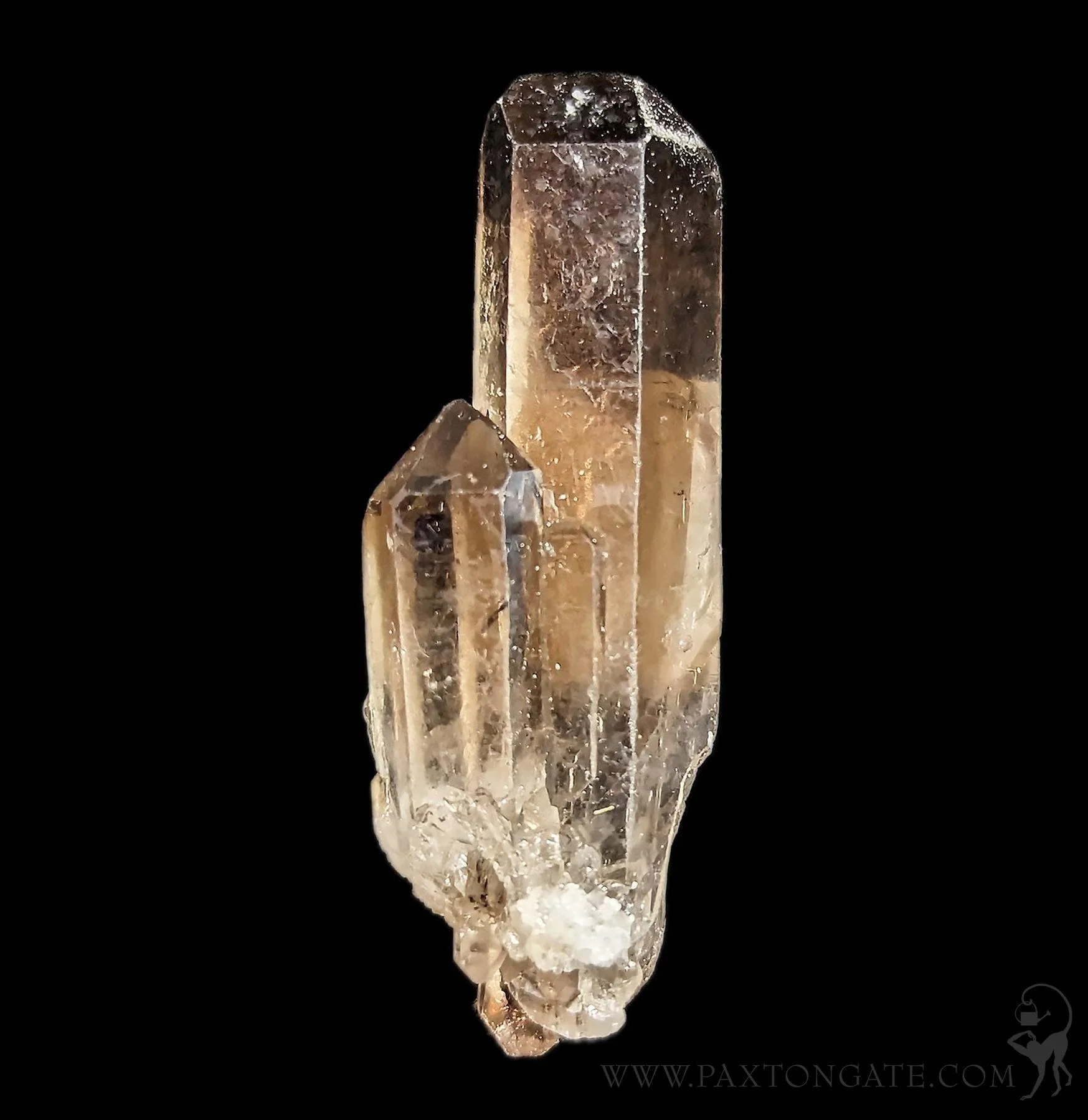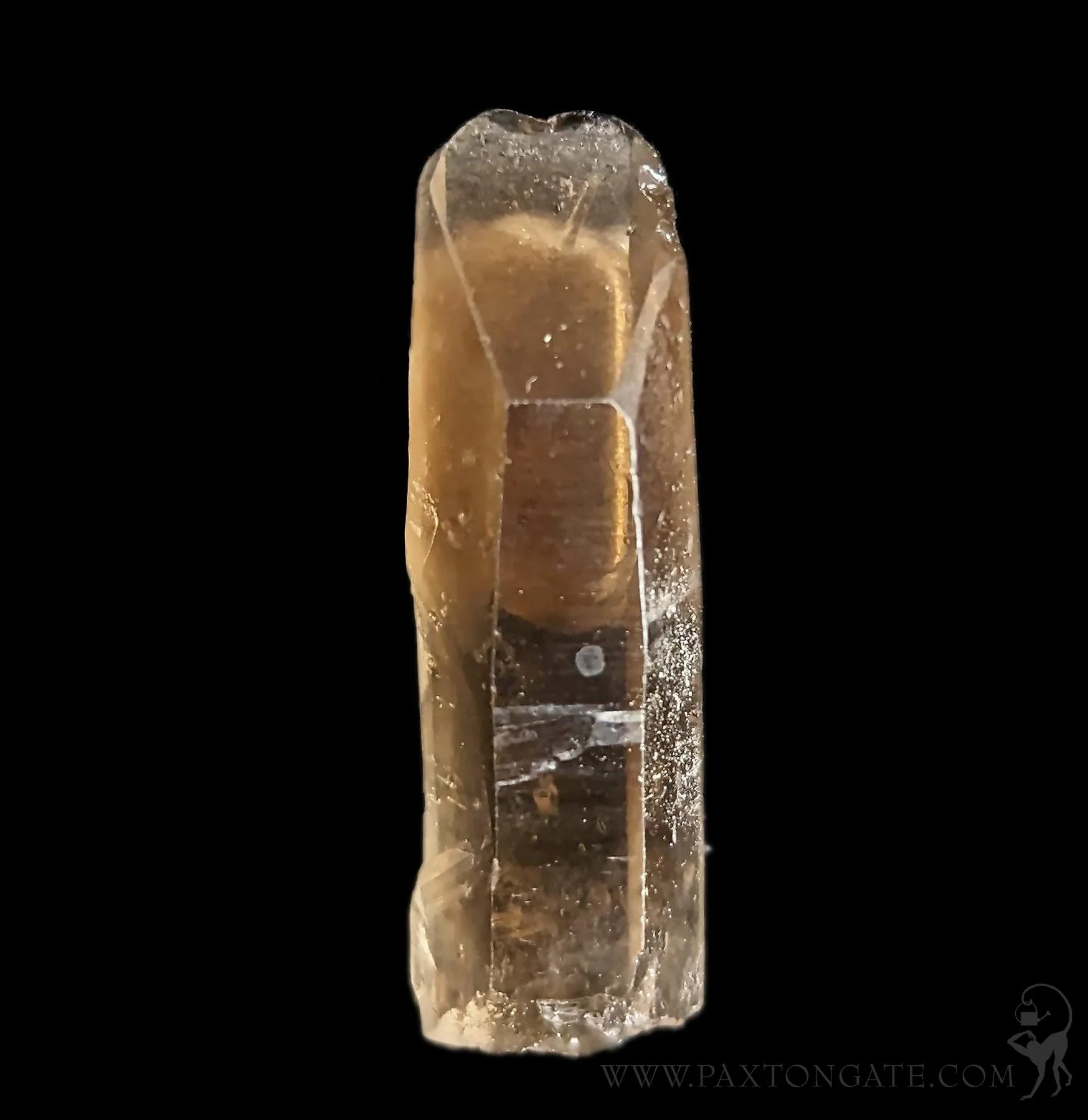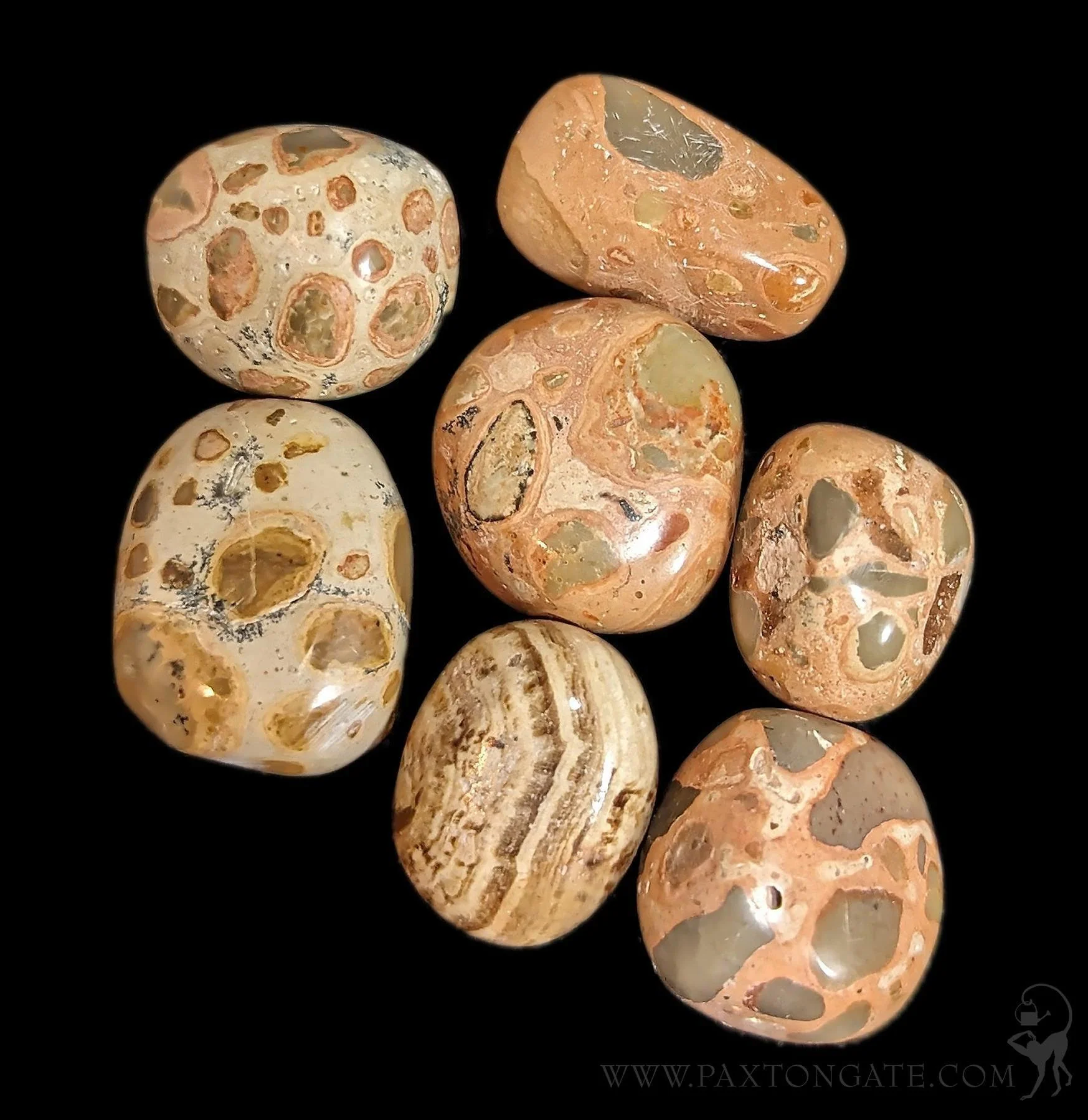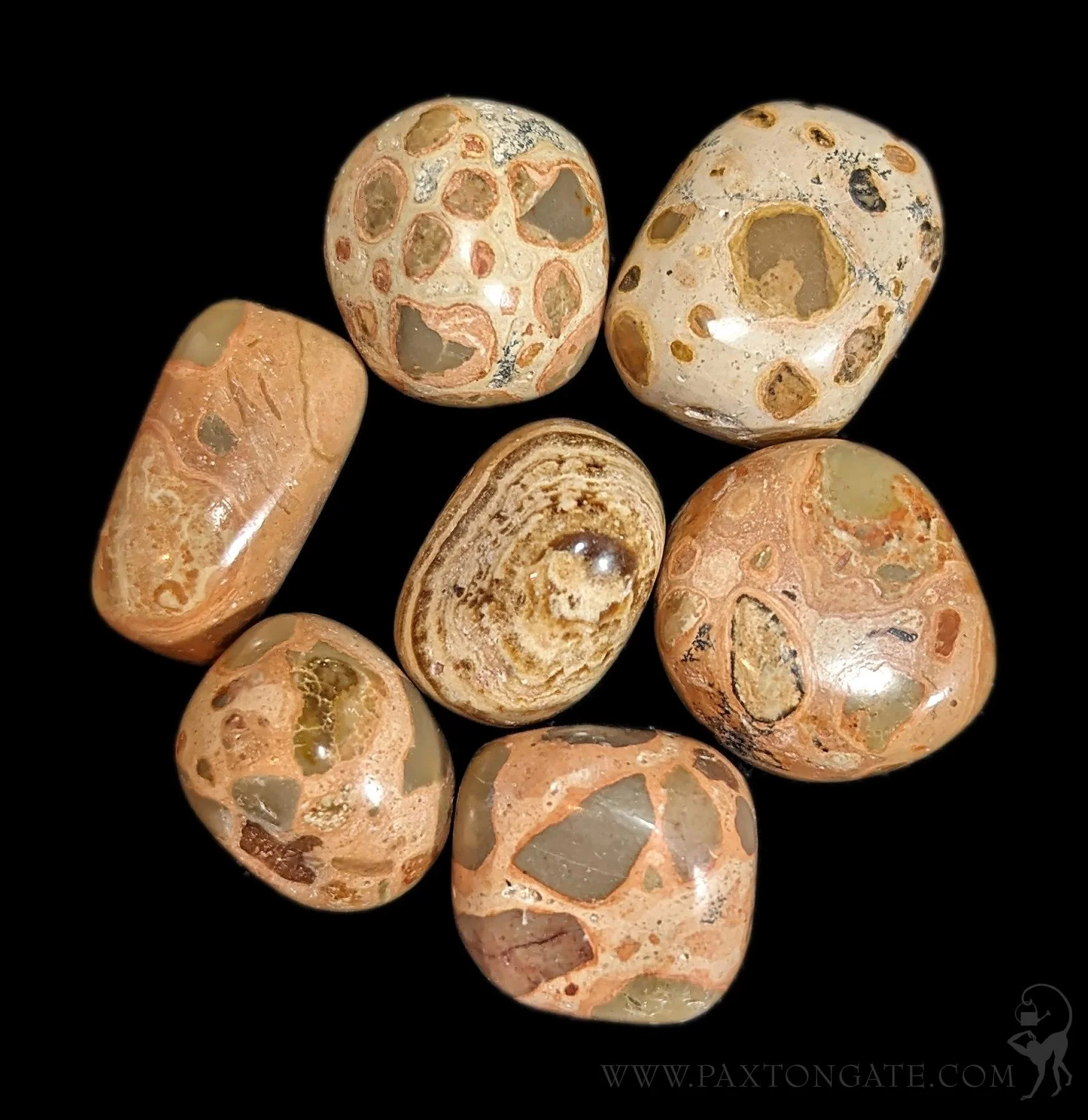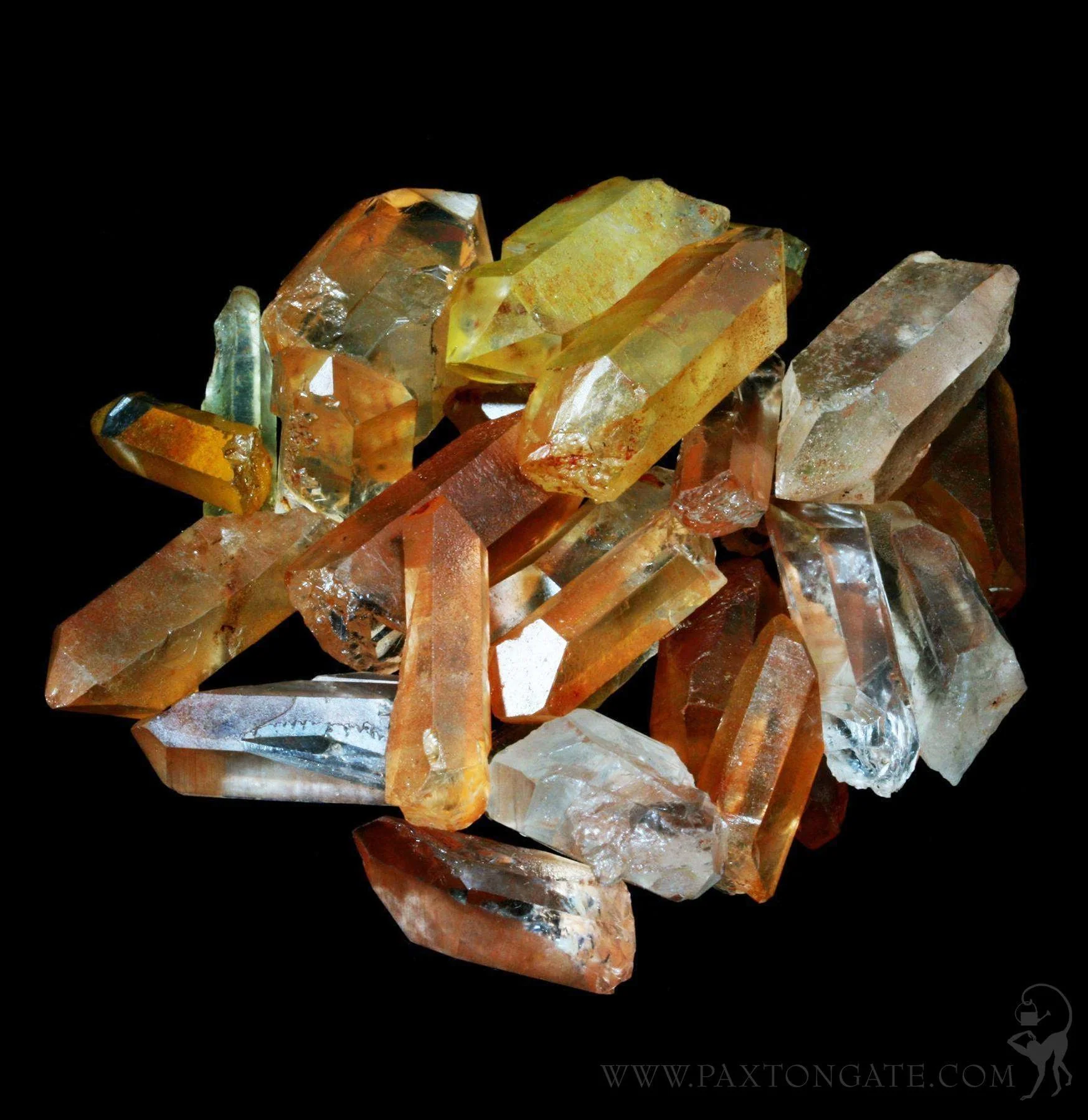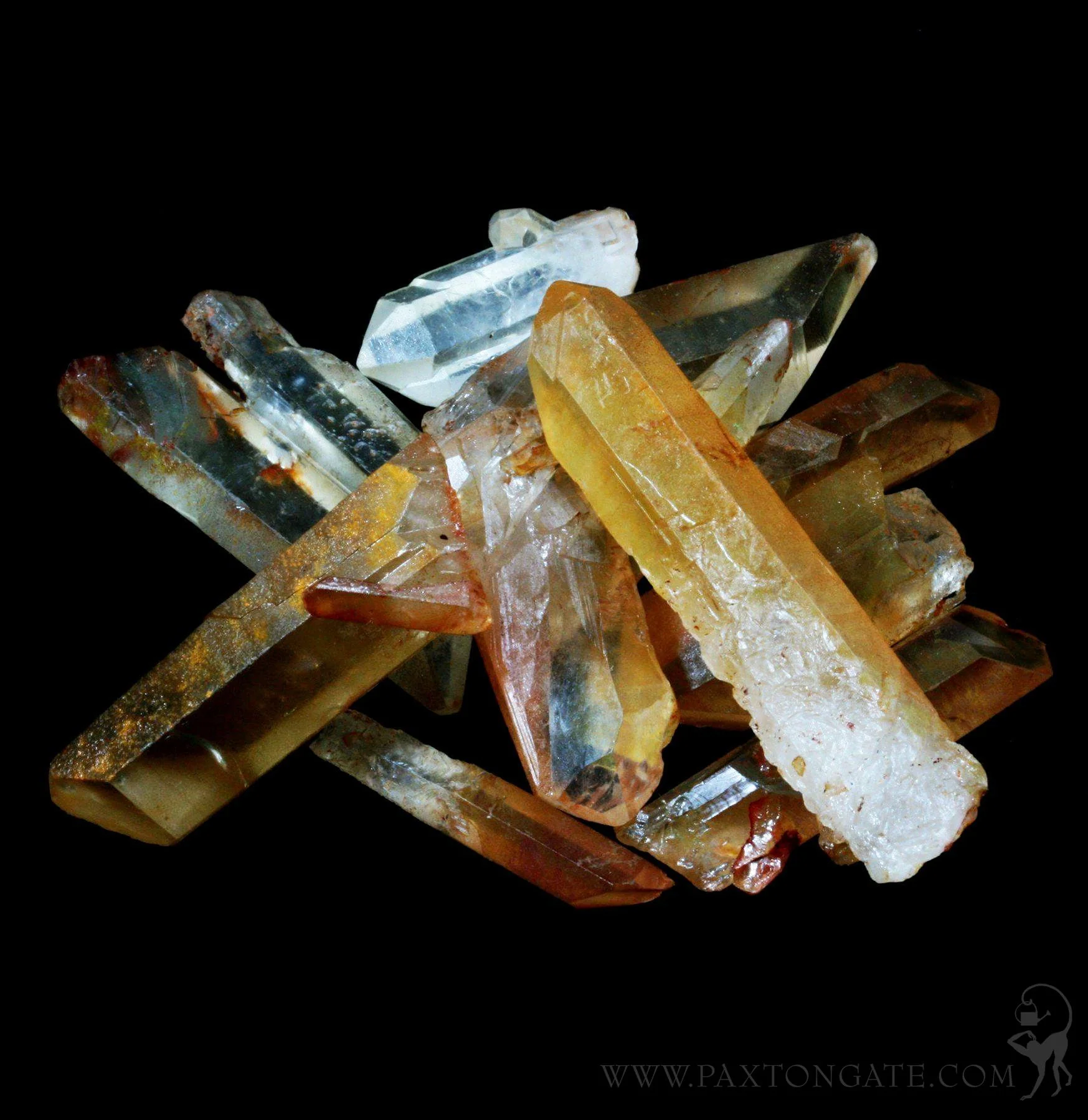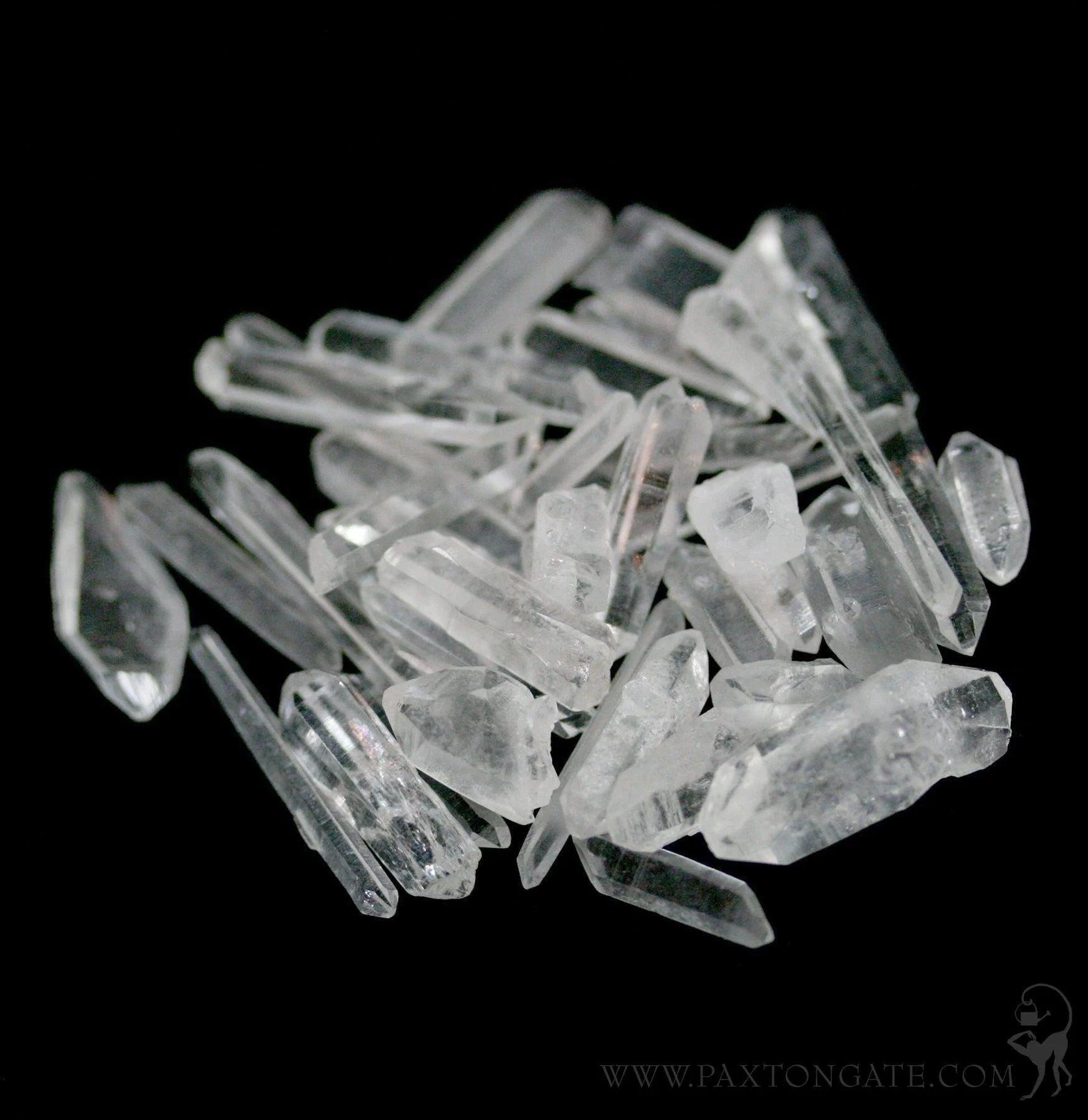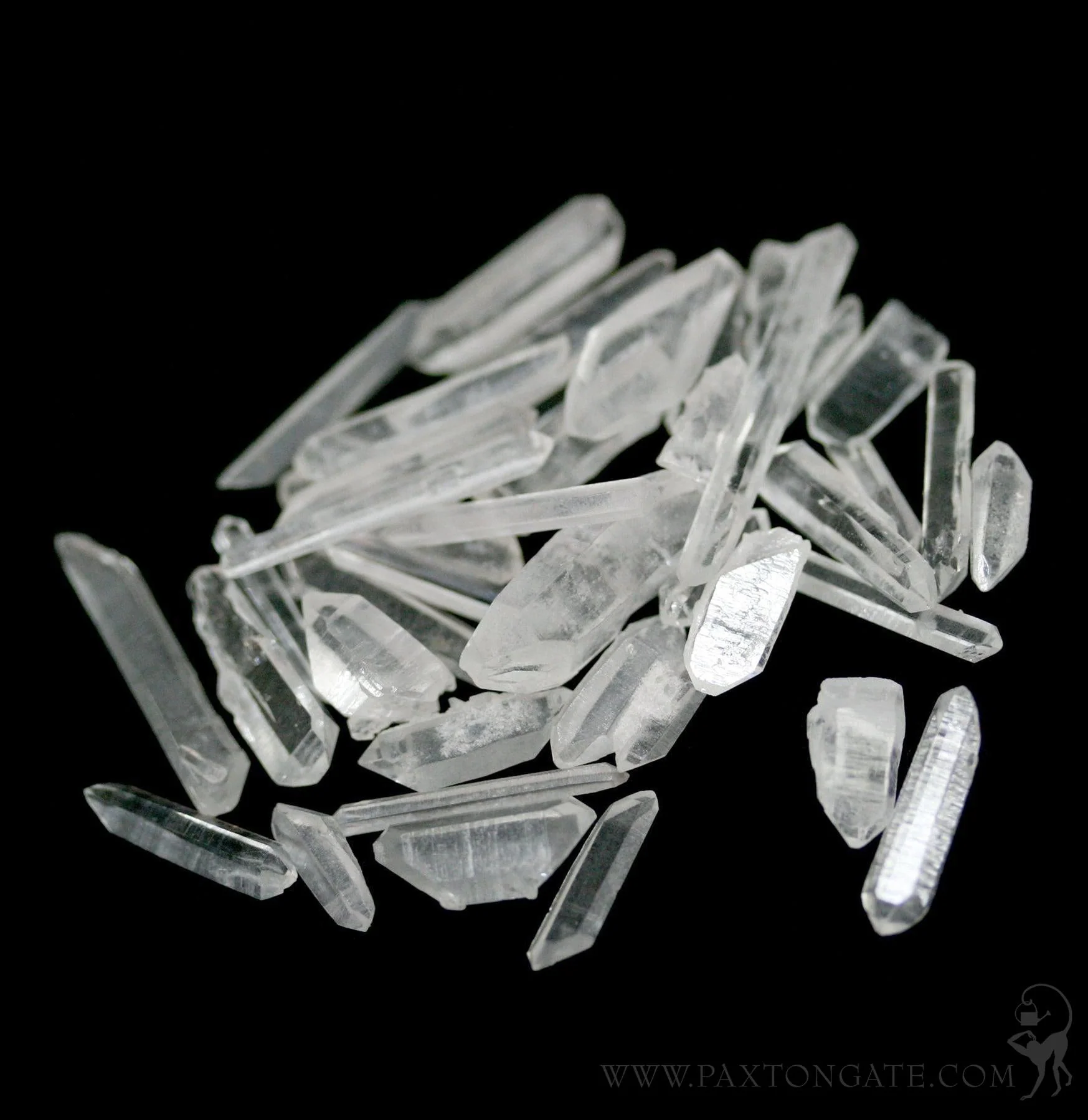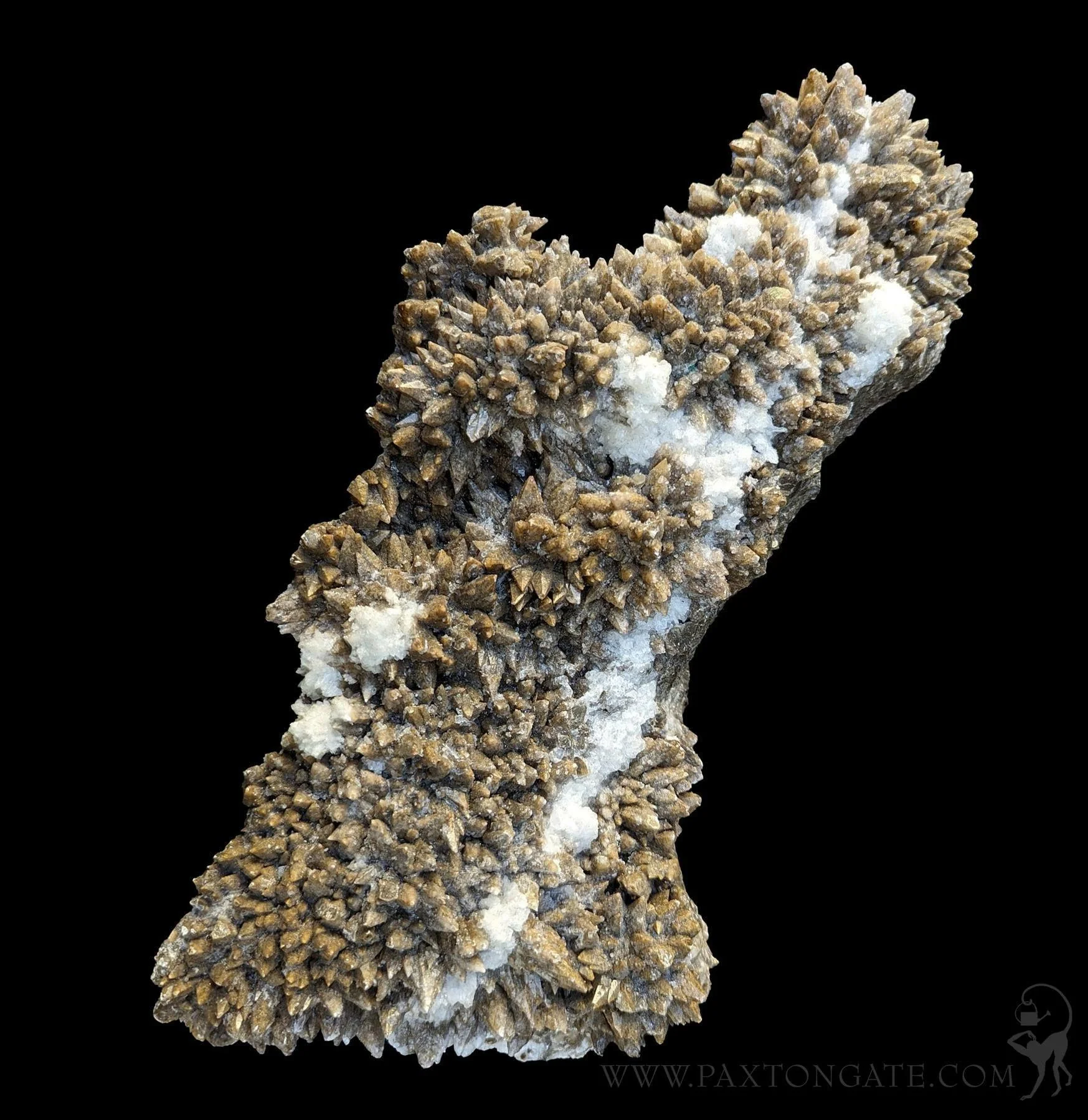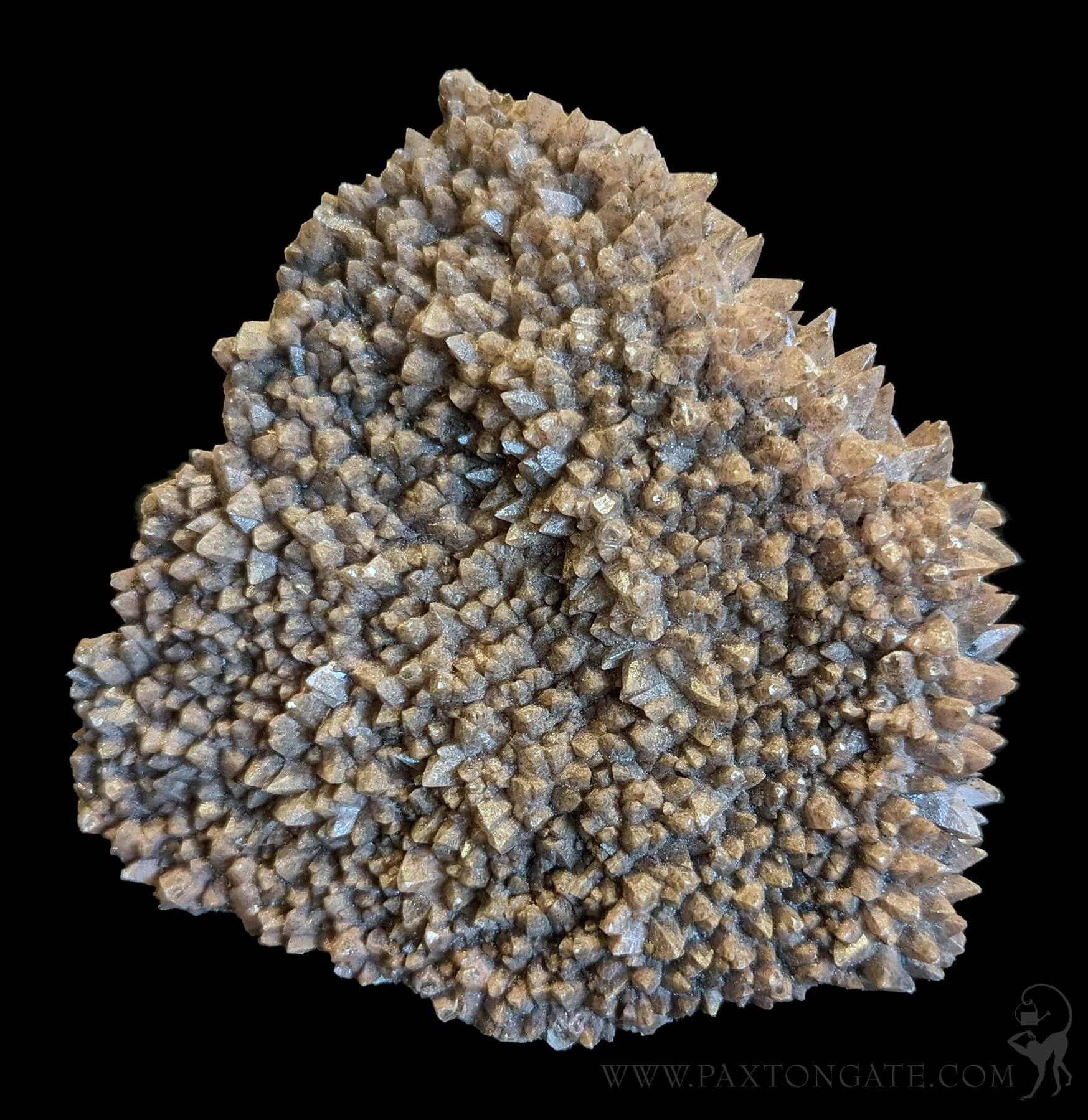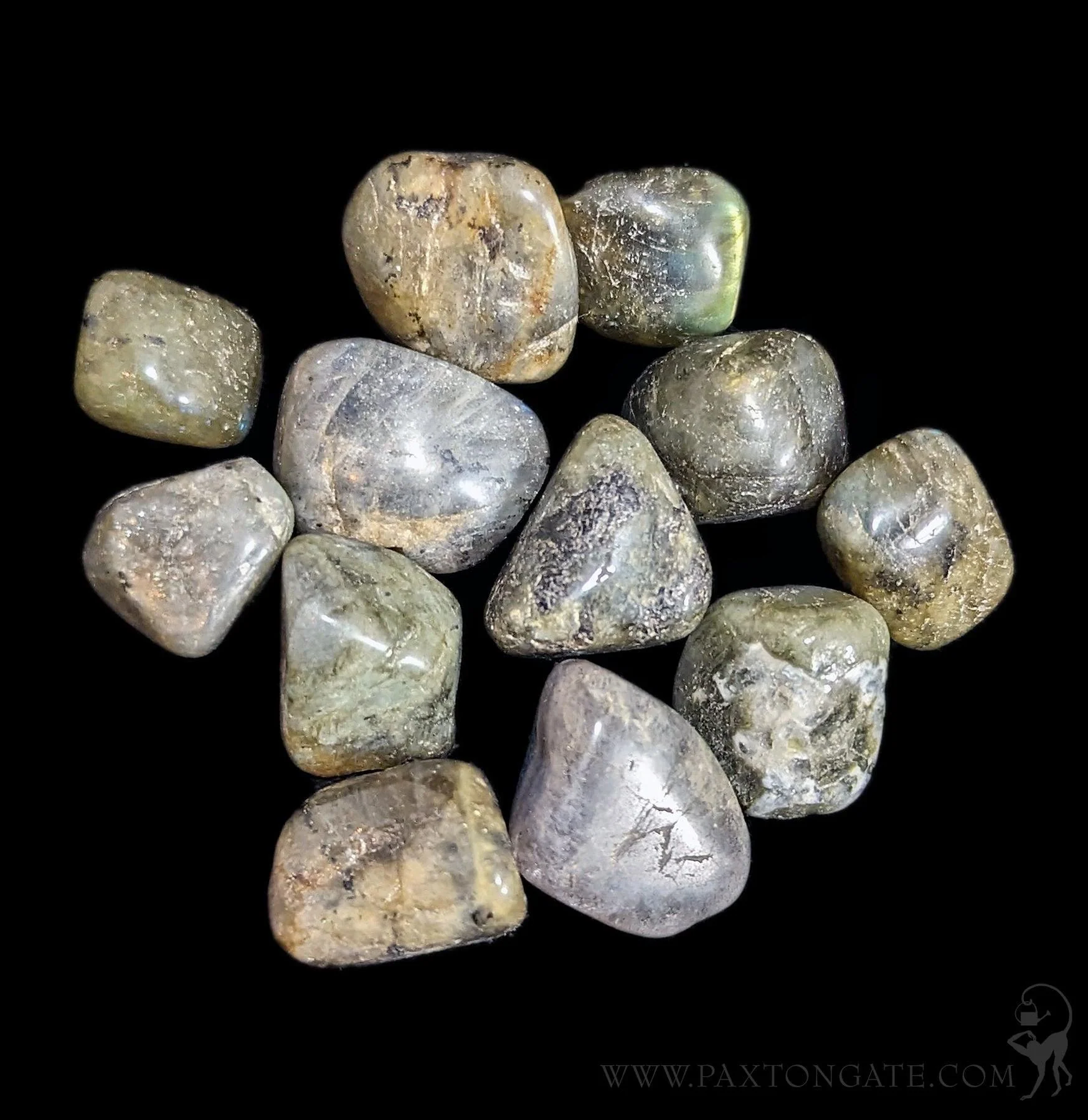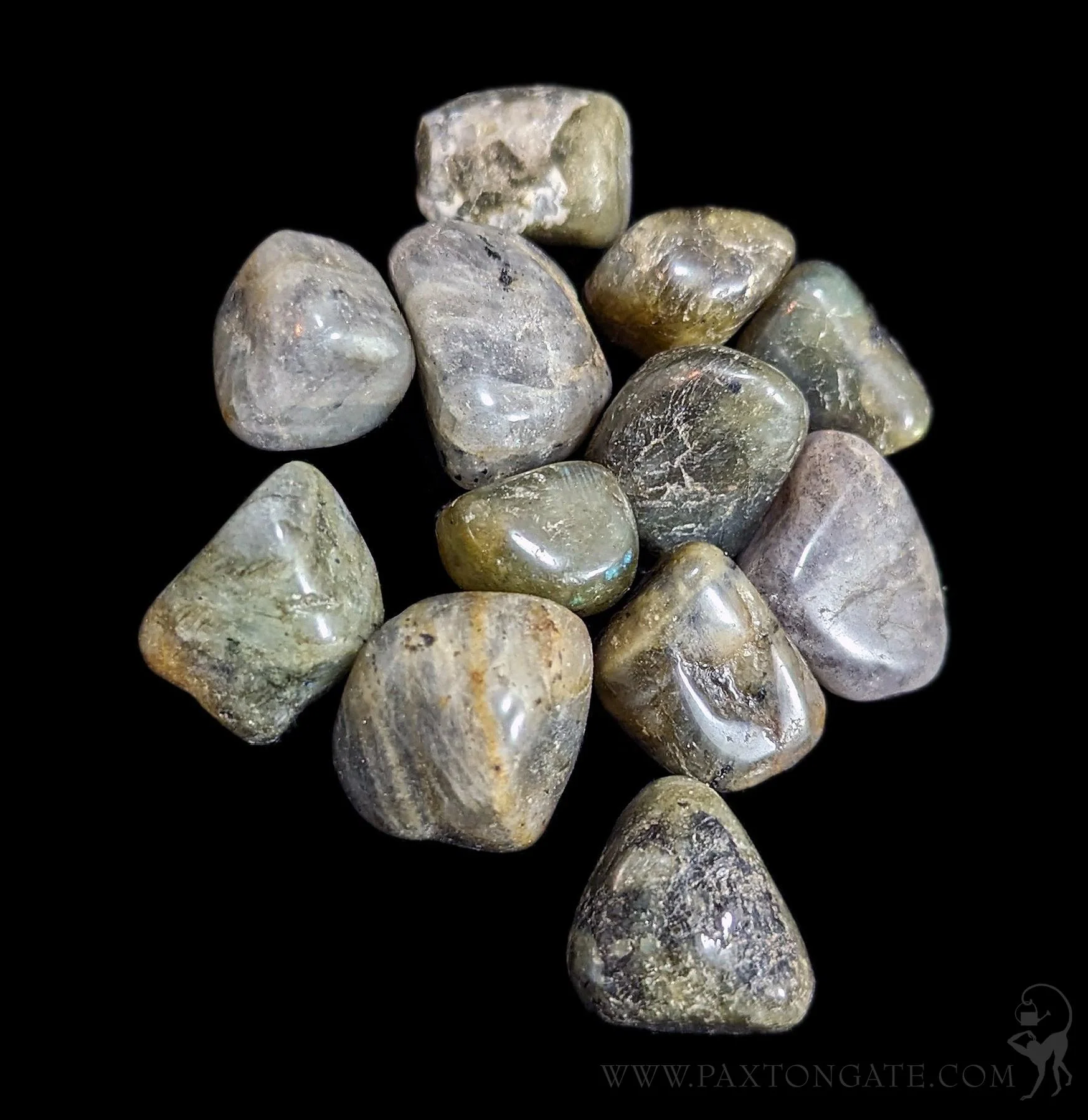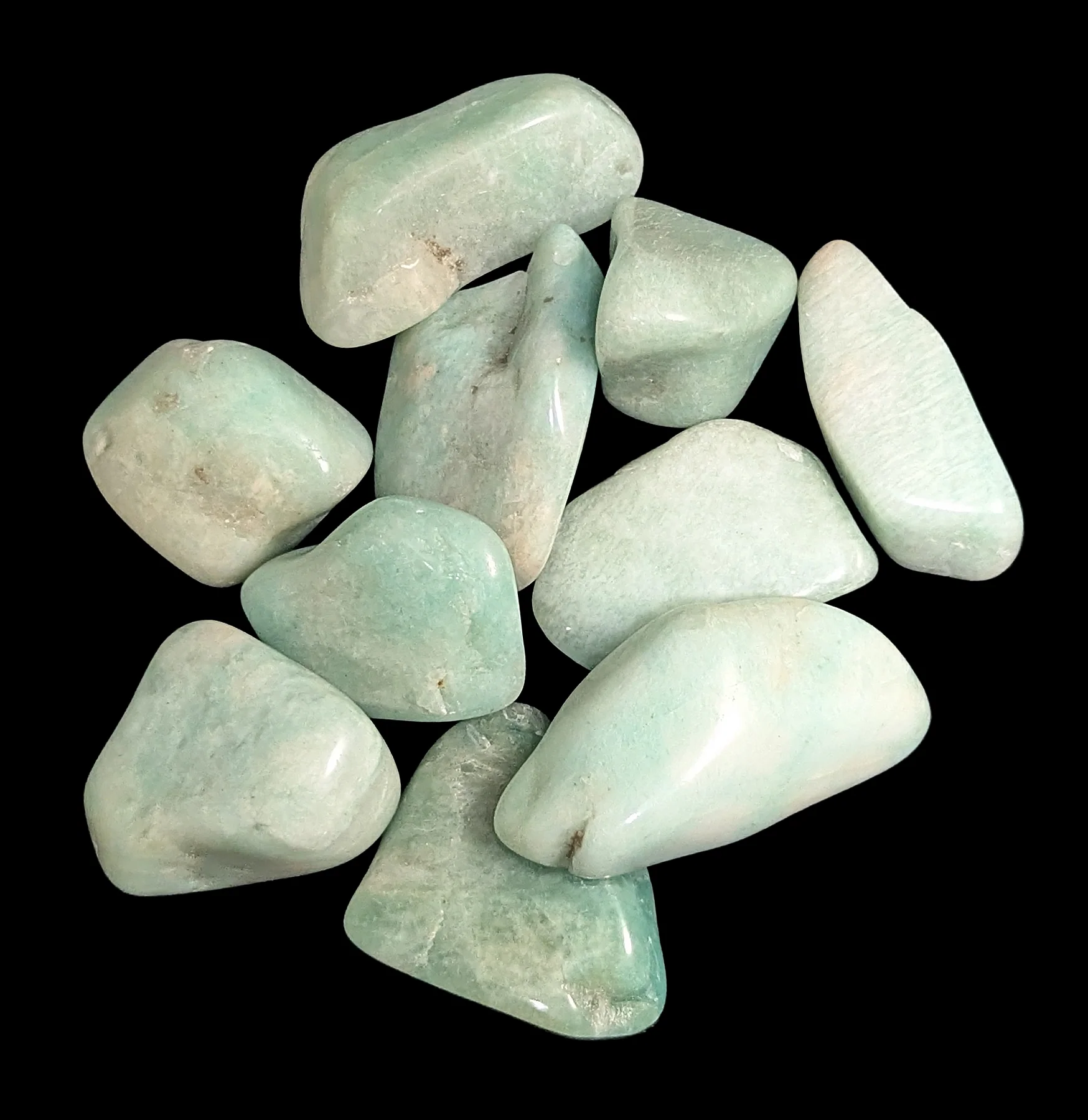
Tumbled Amazonite
Approximately 1-2"
Sold individually
With a name like amazonite, these would definitely have to come from the Amazon, right? Well, no. It’s a case of mistaken identity. It’s a long story, but the gist of it is that early explorers and scientists saw green stones connected with the Amazon, assumed they came from there, named the mineral after the river, and later discovered the assumption was wrong. Early people mainly got amazonite from mines in Egypt and East Africa, sometimes through long-distance trade routes. The later association with the Amazon River was likely just a mistaken guess by early European scientists. It’s a cool name but entirely inaccurate. Funny how these things stick around even after more information is discovered.
Aside from its curious name, amazonite has a few other secrets it kept hidden from us. For a long time, scientists weren’t sure what caused amazonite’s distinctive blue-green color. Modern research suggests it comes from trace amounts of lead and water within the crystal structure interacting with natural radiation. Lead and radiation. A winning combination.
As mentioned above, amazonite often found its way into jewelry and adornments back in ye olden days. It was used in ancient Egyptian jewelry and amulets over 3,000 years ago. Pieces of it were even found in King Tutankhamun’s tomb, carved into scarabs, beads, and decorative inlays. Kind of neat to think that people thousands of years ago also thought it was a cool stone.
According to metaphysical traditions, amazonite is often called a “soothing stone.” It is believed to help calm the mind, reduce stress, and balance emotional energy. Many people associate it with promoting a sense of inner peace. To us, the color is very soothing, so that all checks out.
Approximately 1-2"
Sold individually
With a name like amazonite, these would definitely have to come from the Amazon, right? Well, no. It’s a case of mistaken identity. It’s a long story, but the gist of it is that early explorers and scientists saw green stones connected with the Amazon, assumed they came from there, named the mineral after the river, and later discovered the assumption was wrong. Early people mainly got amazonite from mines in Egypt and East Africa, sometimes through long-distance trade routes. The later association with the Amazon River was likely just a mistaken guess by early European scientists. It’s a cool name but entirely inaccurate. Funny how these things stick around even after more information is discovered.
Aside from its curious name, amazonite has a few other secrets it kept hidden from us. For a long time, scientists weren’t sure what caused amazonite’s distinctive blue-green color. Modern research suggests it comes from trace amounts of lead and water within the crystal structure interacting with natural radiation. Lead and radiation. A winning combination.
As mentioned above, amazonite often found its way into jewelry and adornments back in ye olden days. It was used in ancient Egyptian jewelry and amulets over 3,000 years ago. Pieces of it were even found in King Tutankhamun’s tomb, carved into scarabs, beads, and decorative inlays. Kind of neat to think that people thousands of years ago also thought it was a cool stone.
According to metaphysical traditions, amazonite is often called a “soothing stone.” It is believed to help calm the mind, reduce stress, and balance emotional energy. Many people associate it with promoting a sense of inner peace. To us, the color is very soothing, so that all checks out.
Description
Approximately 1-2"
Sold individually
With a name like amazonite, these would definitely have to come from the Amazon, right? Well, no. It’s a case of mistaken identity. It’s a long story, but the gist of it is that early explorers and scientists saw green stones connected with the Amazon, assumed they came from there, named the mineral after the river, and later discovered the assumption was wrong. Early people mainly got amazonite from mines in Egypt and East Africa, sometimes through long-distance trade routes. The later association with the Amazon River was likely just a mistaken guess by early European scientists. It’s a cool name but entirely inaccurate. Funny how these things stick around even after more information is discovered.
Aside from its curious name, amazonite has a few other secrets it kept hidden from us. For a long time, scientists weren’t sure what caused amazonite’s distinctive blue-green color. Modern research suggests it comes from trace amounts of lead and water within the crystal structure interacting with natural radiation. Lead and radiation. A winning combination.
As mentioned above, amazonite often found its way into jewelry and adornments back in ye olden days. It was used in ancient Egyptian jewelry and amulets over 3,000 years ago. Pieces of it were even found in King Tutankhamun’s tomb, carved into scarabs, beads, and decorative inlays. Kind of neat to think that people thousands of years ago also thought it was a cool stone.
According to metaphysical traditions, amazonite is often called a “soothing stone.” It is believed to help calm the mind, reduce stress, and balance emotional energy. Many people associate it with promoting a sense of inner peace. To us, the color is very soothing, so that all checks out.