Sheep Heart Wet Specimen
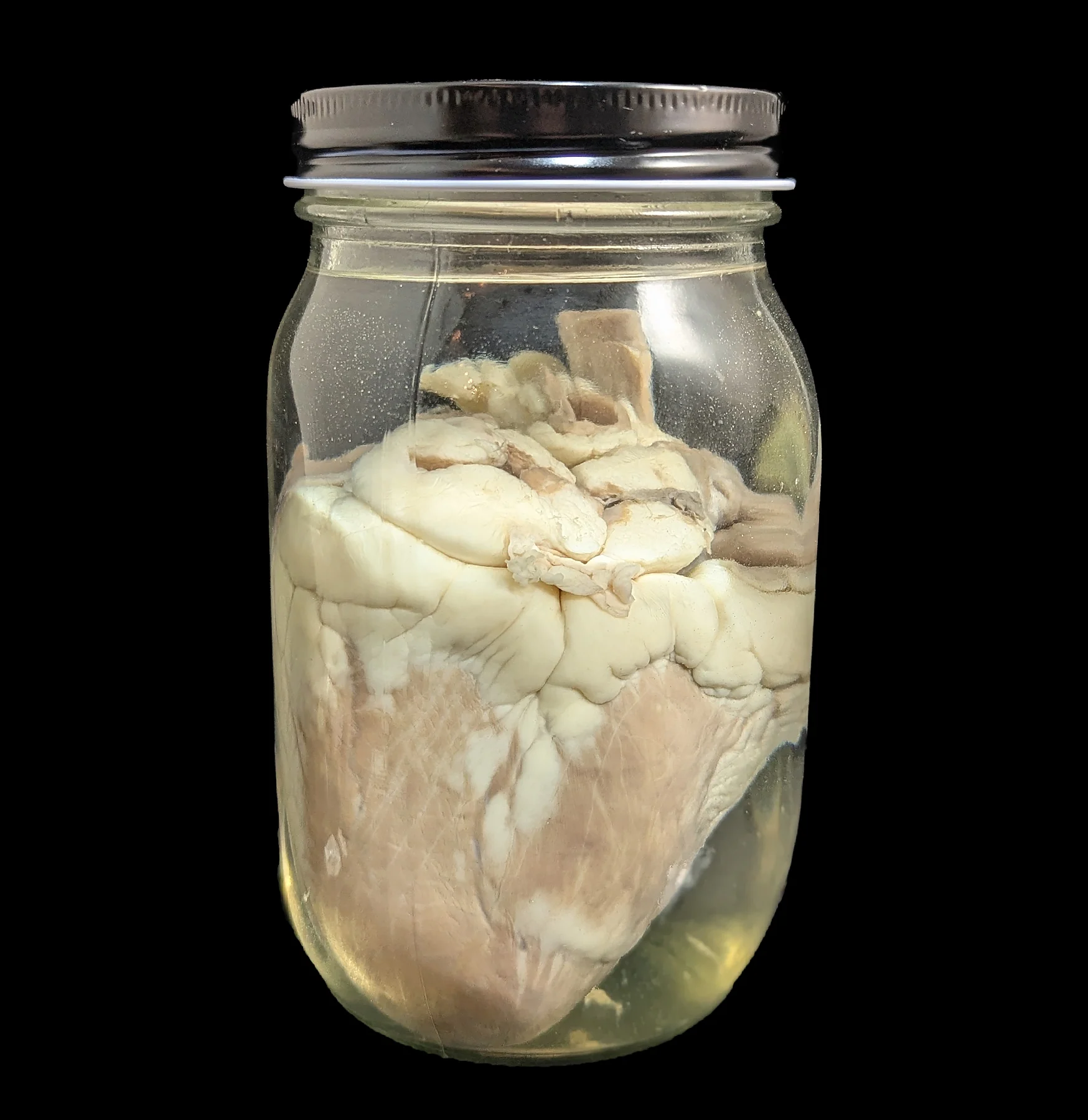
Aside from being the best (or worst) Valentine’s Day gift, this sheep heart wet specimen is a fascinating addition to any curio collection. It’s not just a striking piece—it also offers an intriguing glimpse into the anatomical structure of the heart.
We often picture hearts as the cartoonish symbol found on chocolate boxes, but in reality, the heart is a powerful muscle responsible for keeping blood circulating throughout the body. It’s not only a vital organ but also a compelling reminder of the miraculous engine of life.
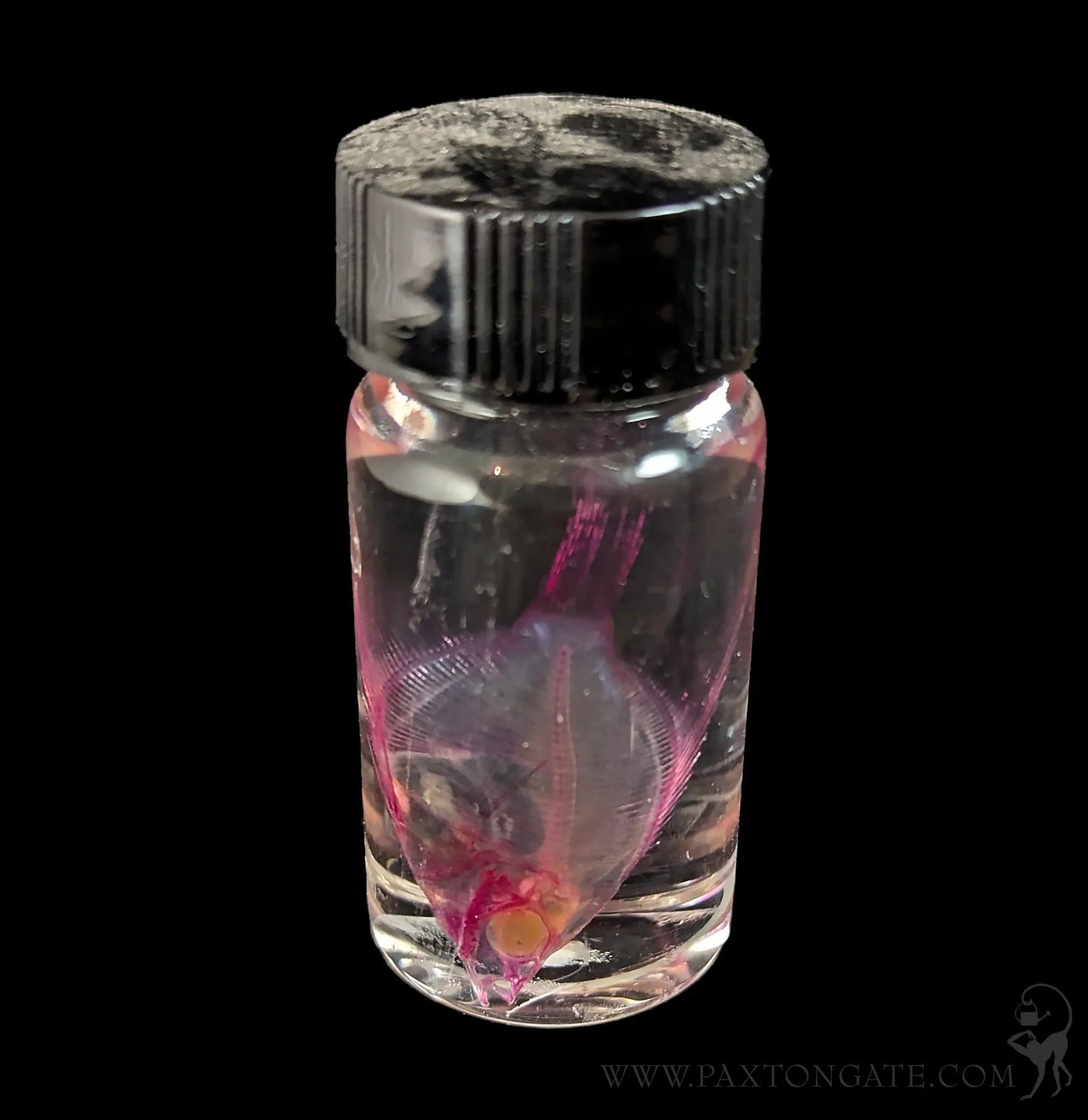
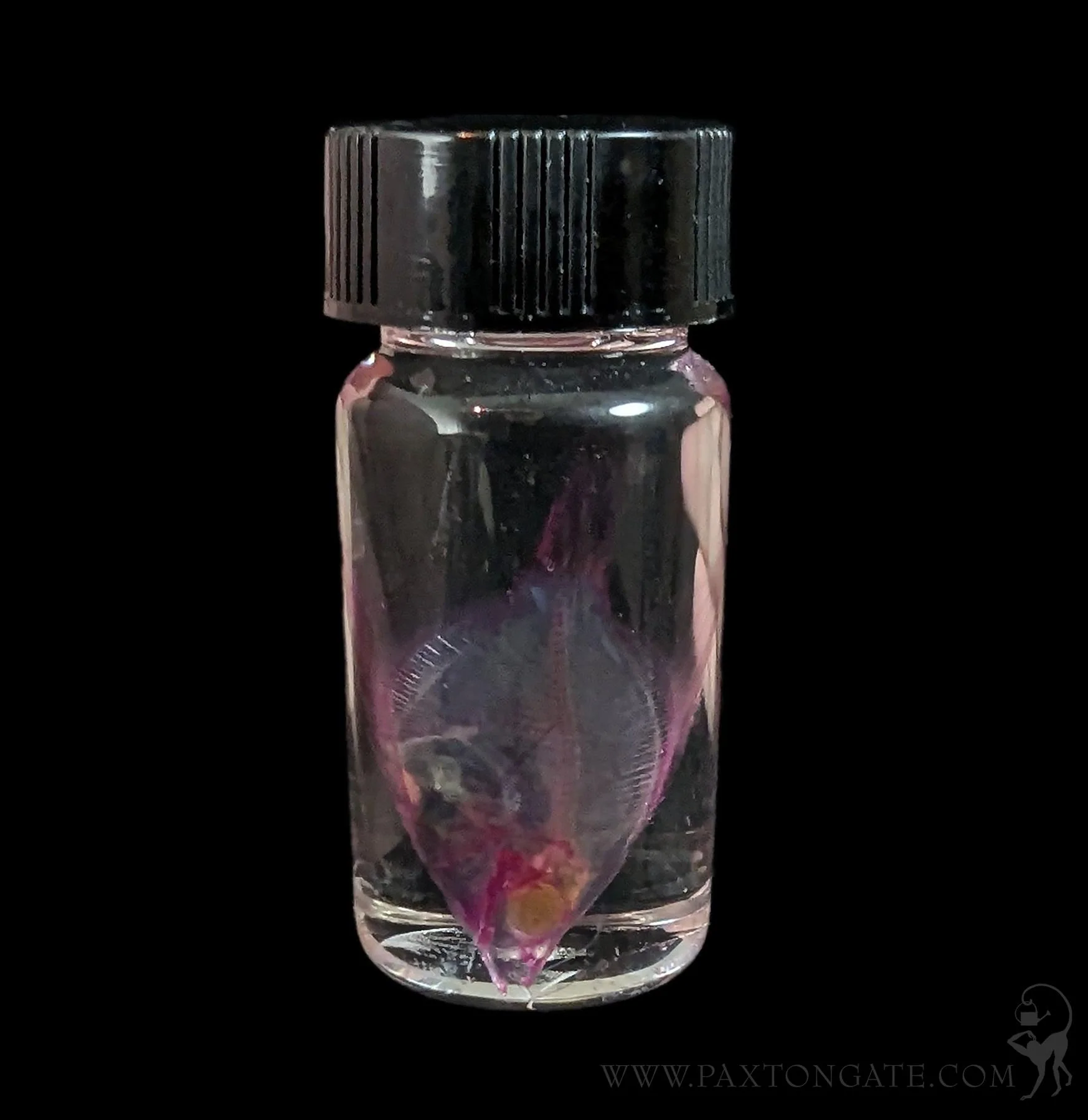
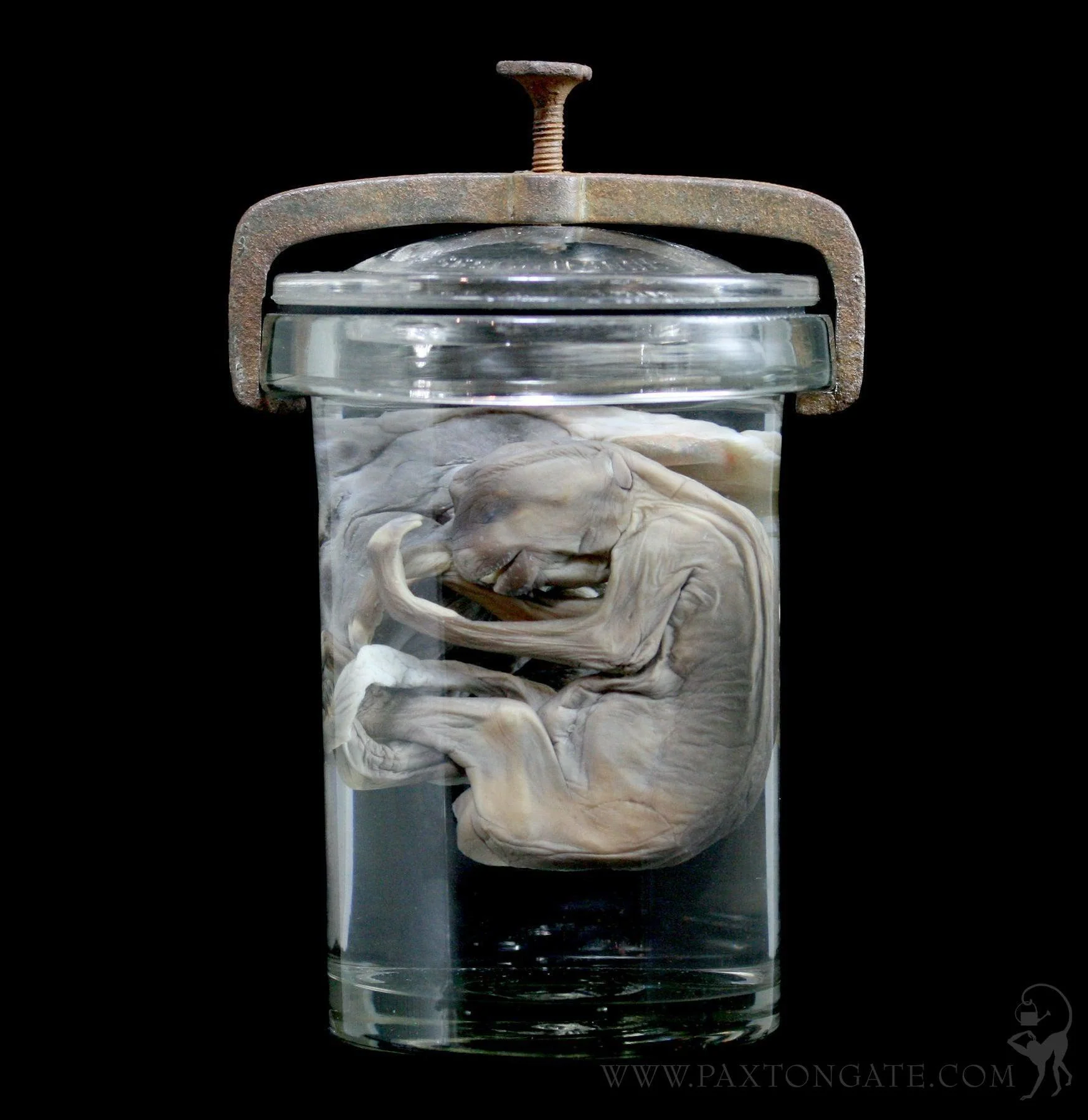
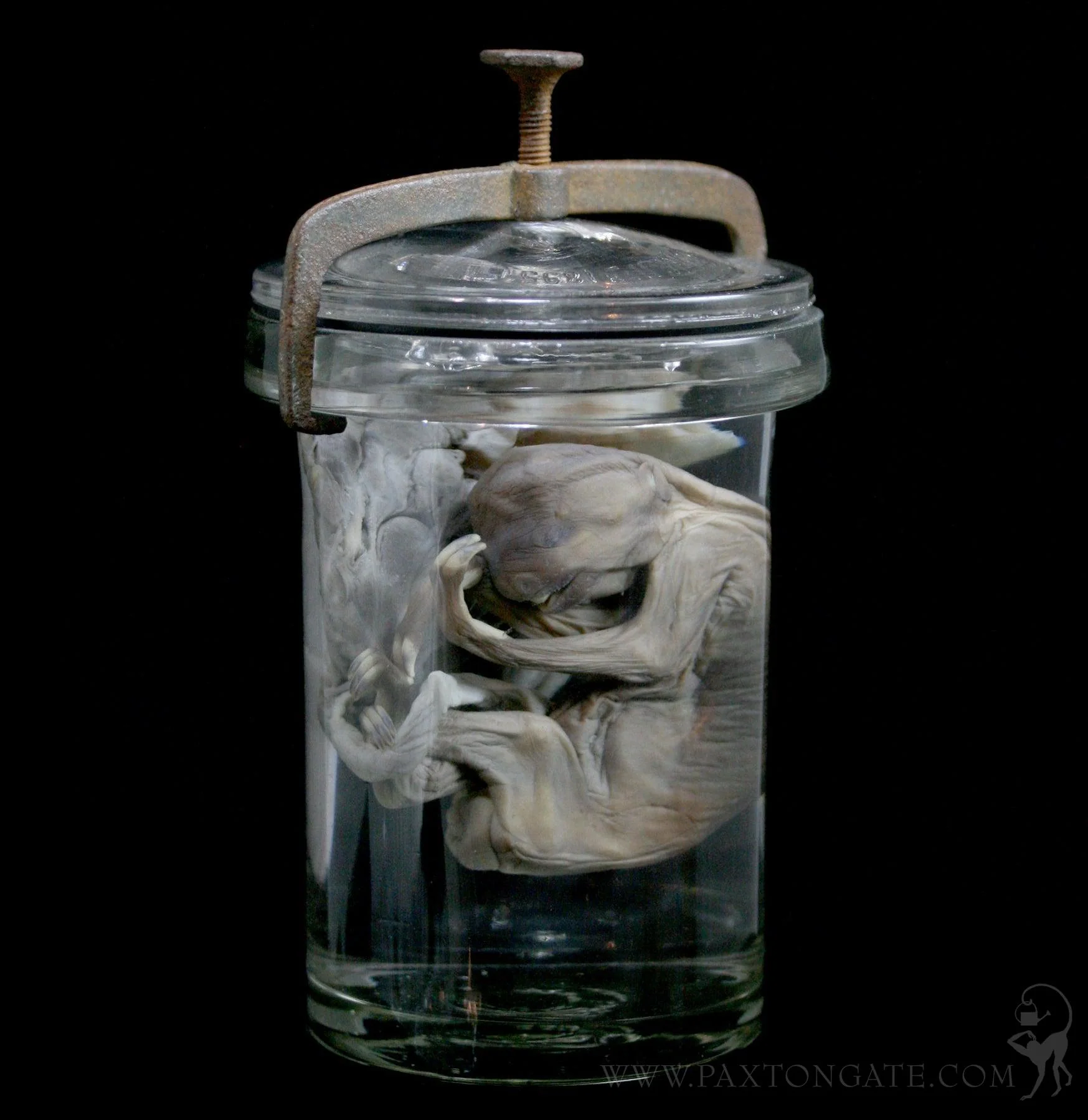
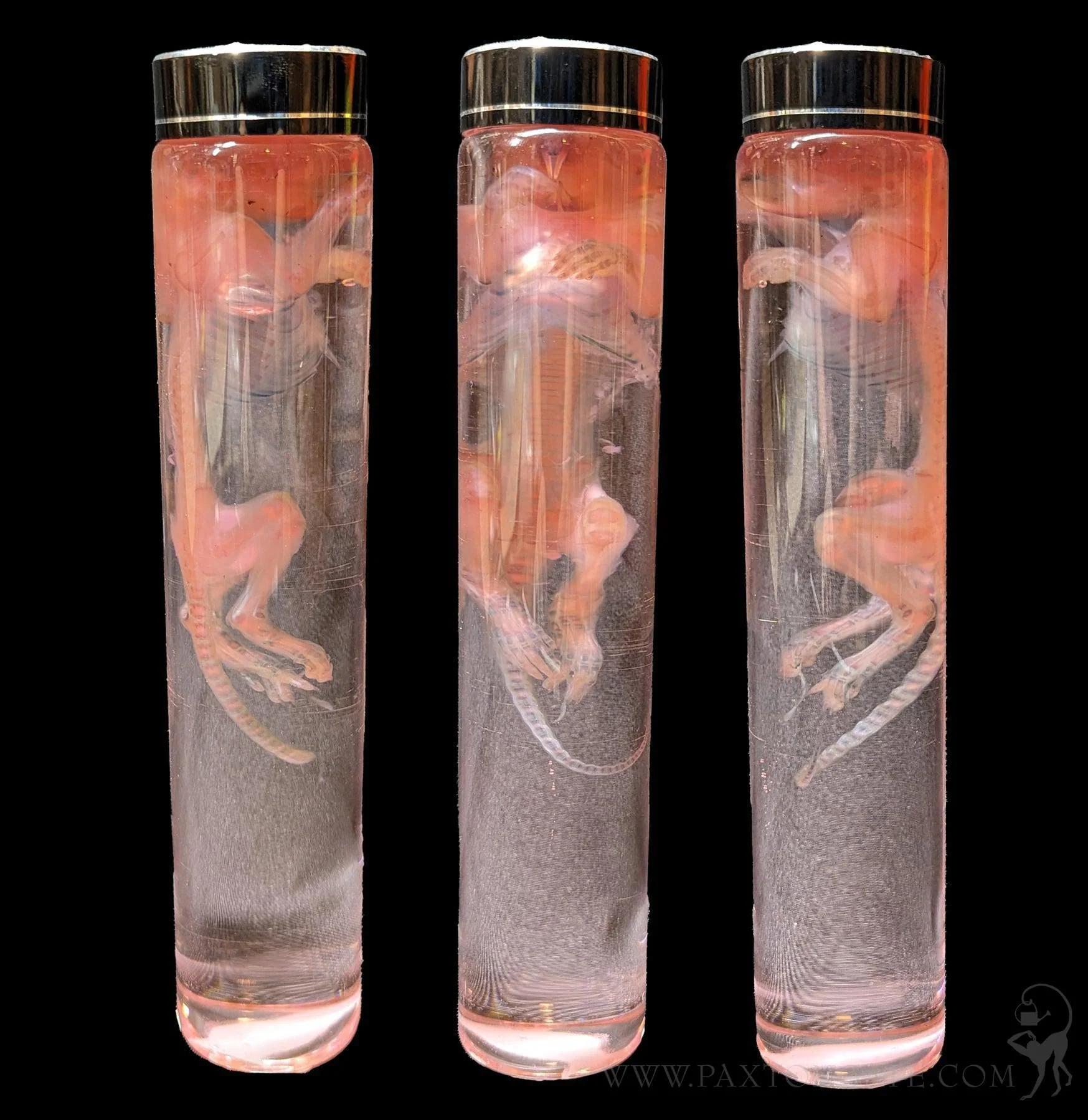
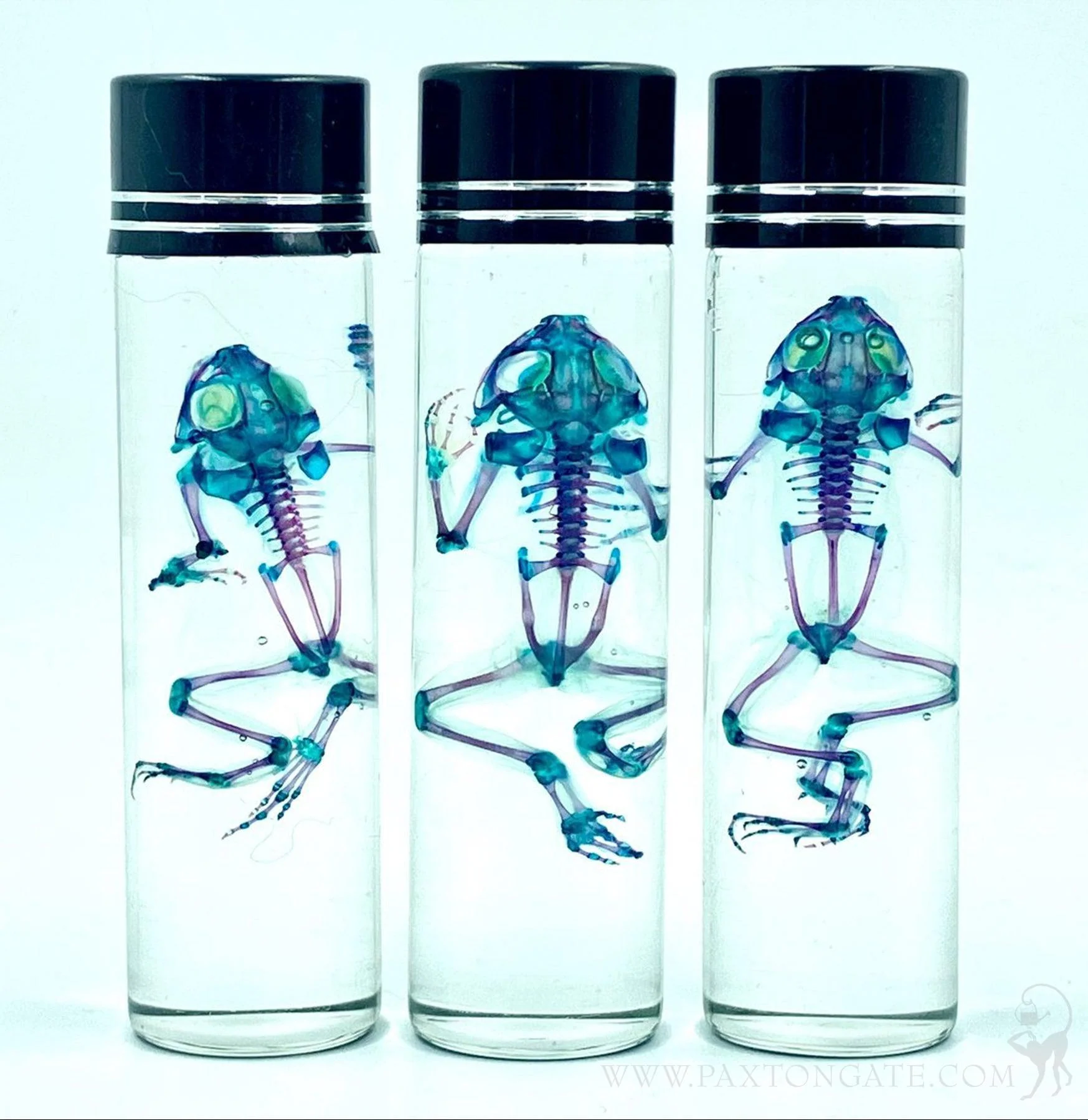
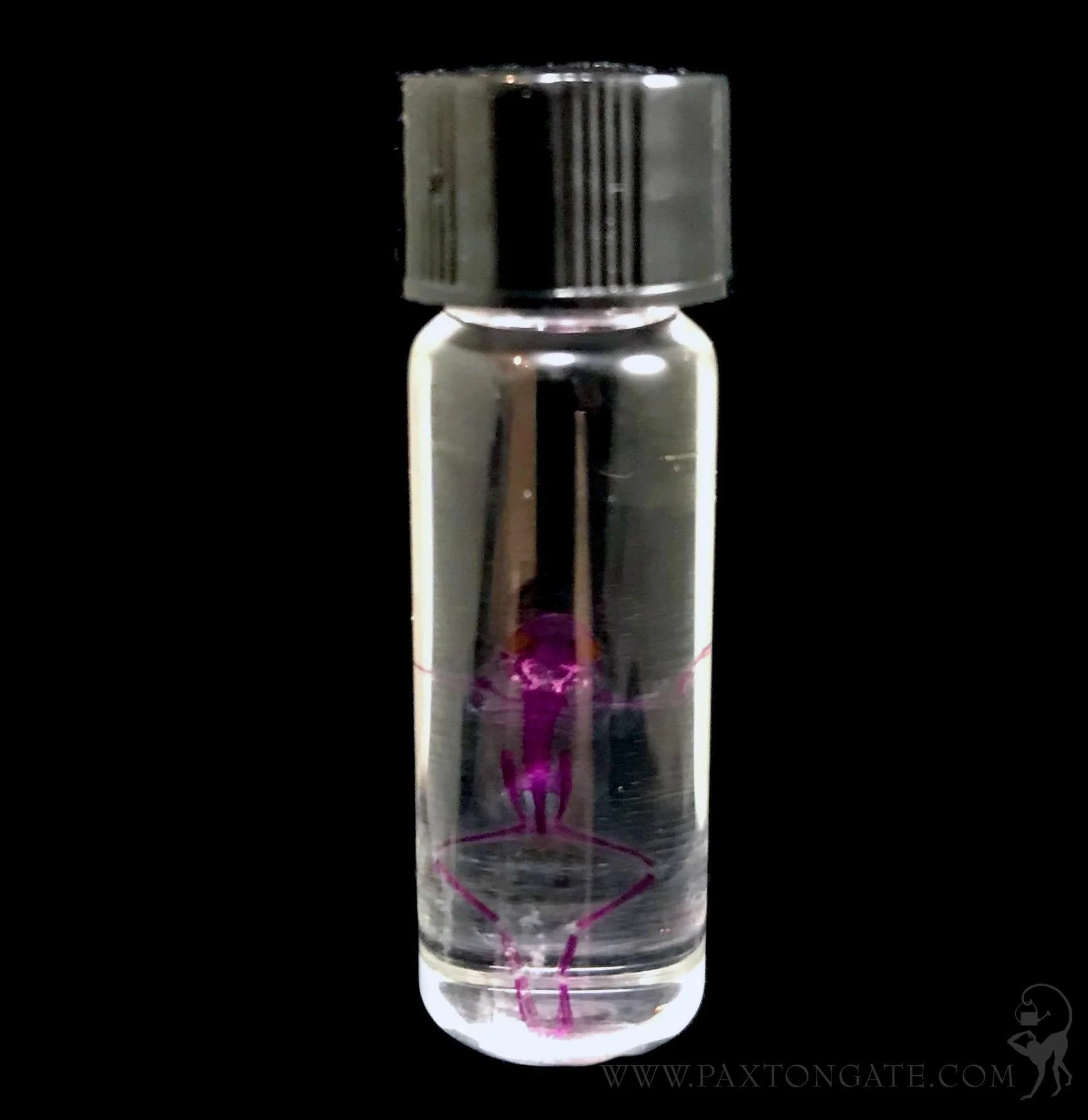
Wet specimens are a time-tested way of preserving organic material for scientific study. By suspending the sample in liquid, decomposition is prevented, allowing for long-term observation. Scientists have used this method for generations, preserving everything from human organs to malformed animals. These particular specimens have been preserved in a 70% alcohol solution.
Aside from being the best (or worst) Valentine’s Day gift, this sheep heart wet specimen is a fascinating addition to any curio collection. It’s not just a striking piece—it also offers an intriguing glimpse into the anatomical structure of the heart.
We often picture hearts as the cartoonish symbol found on chocolate boxes, but in reality, the heart is a powerful muscle responsible for keeping blood circulating throughout the body. It’s not only a vital organ but also a compelling reminder of the miraculous engine of life.
Wet specimens are a time-tested way of preserving organic material for scientific study. By suspending the sample in liquid, decomposition is prevented, allowing for long-term observation. Scientists have used this method for generations, preserving everything from human organs to malformed animals. These particular specimens have been preserved in a 70% alcohol solution.
Original: $56.00
-65%$56.00
$19.60Description
Aside from being the best (or worst) Valentine’s Day gift, this sheep heart wet specimen is a fascinating addition to any curio collection. It’s not just a striking piece—it also offers an intriguing glimpse into the anatomical structure of the heart.
We often picture hearts as the cartoonish symbol found on chocolate boxes, but in reality, the heart is a powerful muscle responsible for keeping blood circulating throughout the body. It’s not only a vital organ but also a compelling reminder of the miraculous engine of life.
Wet specimens are a time-tested way of preserving organic material for scientific study. By suspending the sample in liquid, decomposition is prevented, allowing for long-term observation. Scientists have used this method for generations, preserving everything from human organs to malformed animals. These particular specimens have been preserved in a 70% alcohol solution.